


The Dog Park Is Full of Kevins Now. Here's What That Says About Us.
Fido and Rover are gone. Today's dogs are named Bella, Charlie, and Luna, the same names topping human baby lists. The blurring of dog names and people names is small and telling, and it's still accelerating.

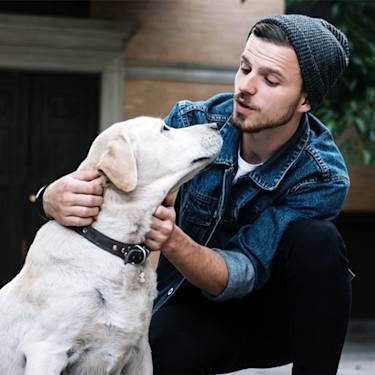
Picture a dog named Fido. Now try to remember the last time you actually met one. Somewhere along the way, the stereotypical “dog names,” Fido, Rover, the cartoon set, quietly retired. Walk into any dog park today and you’ll hear Bailey, Lucy, Charlie, maybe a Bella or two. These are names off a preschool roster, not a pet-store keychain, and the overlap is the whole point.
The line between a “human” name and a “dog” name hasn’t just blurred. For a lot of dogs, it’s gone. And that small shift is a surprisingly clear readout of how our relationship with dogs has changed.
What even makes a name “human”
A “human” name is one we’d stereotypically only give a person. Picture a dog named Kevin, Carol, or Derek. It lands funny, because those names carry a distinctly grown-human weight (no offense to any Kevins out there, two- or four-legged). Yet names exactly like those are steadily migrating onto dogs, and the reason isn’t random. When people start treating their dogs like genuine members of the family, the naming follows. The mental category that once separated “a name for my kid” from “a name for my pet” collapses.
That’s the thesis worth sitting with: the names are a symptom. Dogs didn’t change. Our idea of what a dog is to us did, and the baby-name book is now just as likely to inspire a puppy as a person.
The names doing the crossing
A striking share of today’s top dog names come straight from the human column, and they tend to fall into two flavors: very modern (a Riley) or charmingly old-fashioned (a Ruby).
At the top sits Bella, long one of the single most common dog names in the country, buoyed by Twilight and Bellatrix Lestrange from Harry Potter. Other popular human-style picks include Luna, Daisy, Charlie, Lucy, Bailey, Cooper, Lily, Zoe, and Sadie. Luna and Charlie also have Twilight and Harry Potter roots, a quiet testament to how long fandom names stick around. What these share is practicality: they’re easy to call across a park and not at all awkward to say out loud at the vet’s front desk.
Sometimes a dog lands a human name because they were literally named after a human, a relative, a celebrity, a beloved character. Shelters lean on this too, naming litters in themed batches, everyone’s name starting with the same letter, or a pop-culture run.
The names still holding the line
Not every dog name made the jump. Some names stay firmly in “dog” territory, the ones that rarely end up on a birth certificate: Lucky, Skip, Butch. They tend to be short and punchy, which happens to make them easy for a dog to learn. Other classic “dog” names include Coco, Buddy, Milo, Bear, Teddy, and Duke. A few straddle the fence, Max reads as human or dog, and stays wildly popular either way. And there are odd crossovers: Milo is arguably better known as a cat name (blame The Adventures of Milo and Otis), yet it’s climbed the dog charts anyway. Buddy endures whether you’re thinking of Will Ferrell’s elf or just the plain comfort of the word.
What’s new: 2025’s names lean even harder human
The trend hasn’t just held, it’s intensified, and the latest name data makes the human crossover look almost total. In 2025, the names dominating the lists were Luna, Bella, Lucy, Charlie, and Daisy, with Luna and Max frequently topping the female and male rankings. In a notable shift, Lucy took the number-one spot for female dogs, unseating Bella from the top for the first time in years.
Pop culture keeps writing the trend in real time. Wednesday reportedly surged by around 1,400 percent on the back of the hit Netflix series, and fast-climbing picks like Goose, Elphie, Tsuki, Caesar, Rumi, and Mufasa show how quickly a movie or show can rewrite what people name their dogs. If anything, dog naming now tracks the broader culture as tightly as baby naming does, more evidence that, in our heads, the two aren’t really separate anymore.
How to actually pick one
Trend-watching is fun, but a good dog name has a job to do. The best names are ones a dog can readily learn, which usually means one or two syllables, so many human and dog names both qualify. Love a heavier name like Persephone? Give it and lean on a nickname (Percy, Posie) for daily use.
Two practical cautions. First, remember you’ll say this name out loud constantly, to your vet, your friends, strangers at the park, so a name that’s a hoot at first can curdle into a chore if you have to keep explaining it. Second, avoid names that collide with cues, like Kit (too close to “sit”) or May (too close to “stay”), which muddies training. And skip anything offensive, or a stereotypically menacing name slapped on a breed that already fights an unfair reputation.
Pick something that rolls off the tongue and fits your dog. Whether it belongs on a birth certificate or a keychain matters a lot less than it used to, which, when you think about it, is the nicest thing that’s happened to dog names in a generation.
Common questions
What are the most popular dog names right now?
Recent lists are dominated by human-sounding names like Luna, Bella, Lucy, Charlie, Max, Daisy, and Cooper. If you want something less common, these are the names to avoid, since you'll be shouting them alongside three other owners at the park.
What names should I avoid giving my dog?
Steer clear of anything offensive or rude, and skip stereotypically 'tough' names for breeds that already face unfair reputations. Also avoid names that sound like common commands, such as Kit (too close to 'sit') or May (too close to 'stay'), which can confuse training.
Does my dog actually know their name?
Dogs can learn to recognize their own name and even the names of other people and pets in the household. If yours doesn't seem to respond to theirs, you can teach the recognition with a little practice.
Sara Lim leads our Product Picks coverage, testing and comparing the things pets and their owners actually use. From everyday essentials to home-and-style finds, she focuses on honest, useful recommendations rather than hype.
Meet our experts ↗Keep reading
 LivingThe Only People Who Should Own a Husky Walk 11 Miles a DayMarcus Webb · 7 min
 TrainingMost Dog-Park Advice Is Half True. These Are the Signals That Actually MatterDr. Nina Kohl · 10 min
 FoodThe Christmas Food That Sends Dogs to the ER Isn't Chocolate. It's the Gravy.Dr. Priya Nair · 8 min
 Health & WellnessThe Real Threat to an Old Dog Isn't Age. It's a World That Keeps Getting Smaller.Dr. Ravi Mehta · 8 min
 LivingThe Real Danger of Tying Your Dog Outside a Store Isn't Your DogDr. Nina Kohl · 6 min
 LivingThe Dog Nobody Wanted Just Stole a Billion-Dollar MovieJames Okafor · 5 min