


Your Dog Isn't Guarding the Fence. They're Practicing.
A dog who charges the fence at every passerby isn't defective, they're rehearsing a habit that gets stronger every single time. Here's the counterintuitive fix: stop the practice first, then change how your dog feels.
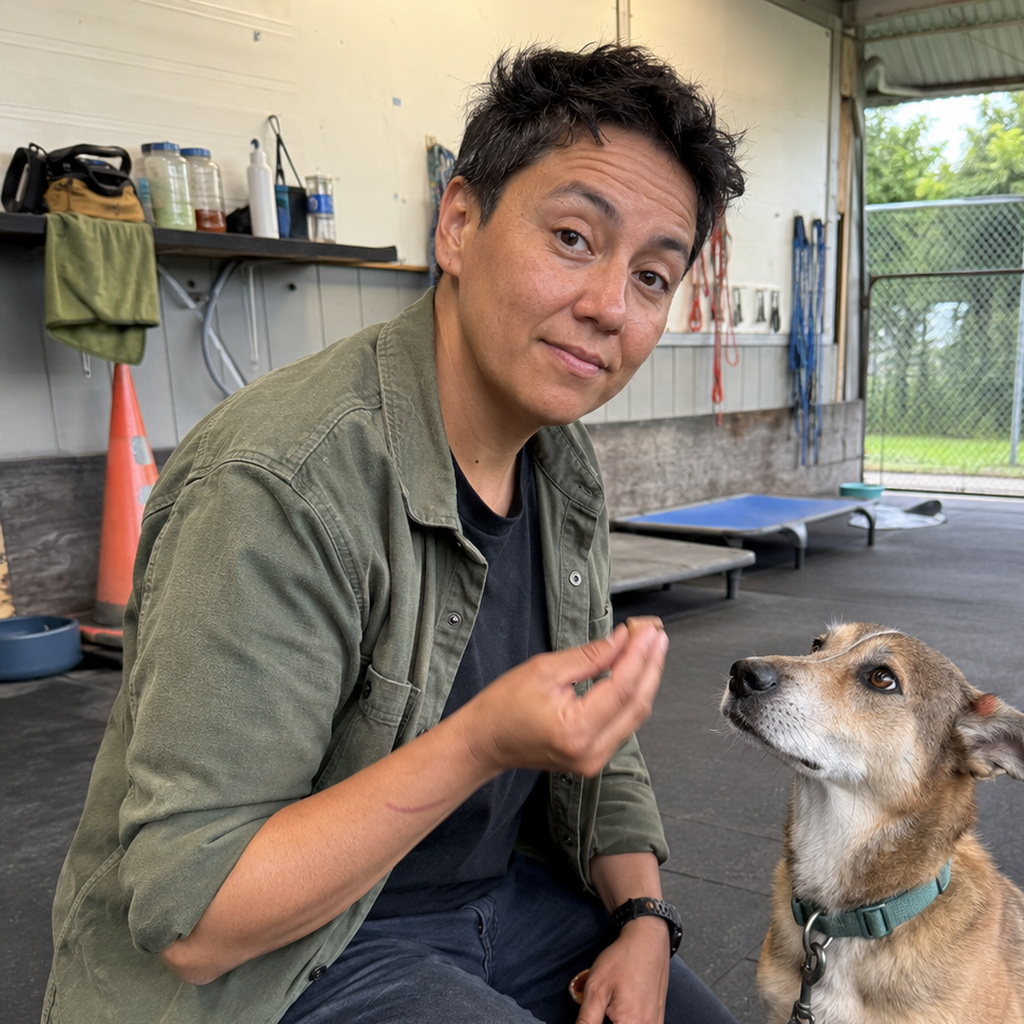
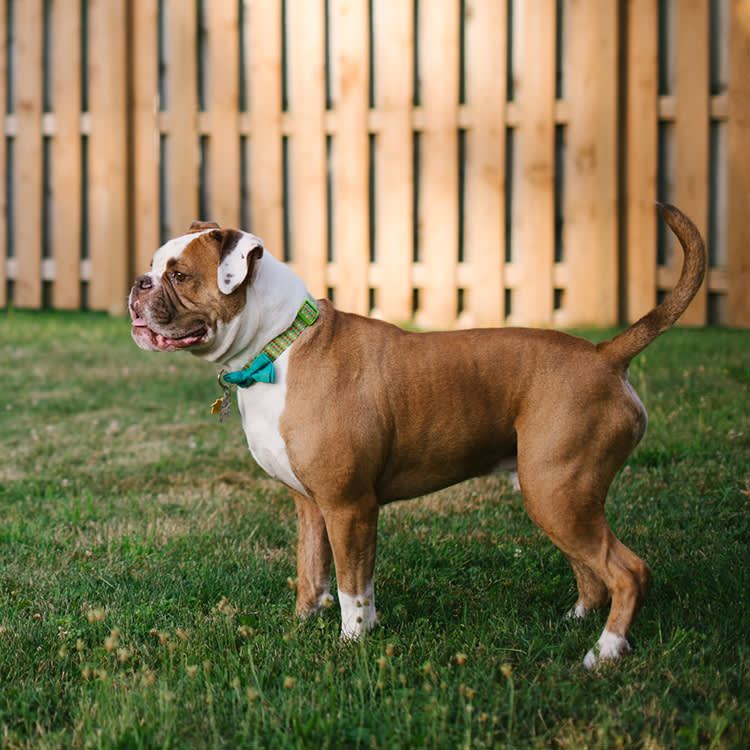
You know the scene. A person walks past the yard, a stroller rolls by, another dog appears on the sidewalk, and your dog explodes at the fence, barking and hurling themselves at the boards. It’s loud, it looks aggressive, and it’s easy to label your dog as territorial or badly behaved. But that framing sends people toward the wrong fixes. The more accurate way to see fence-line reactivity is this: it’s a rehearsed routine, not a character flaw, and every single time your dog runs the drill, they get a little better at it. Which means the first job isn’t training. It’s stopping the practice.
Why the fence makes it worse, not better
Here’s the mechanism, and it’s important. When your dog barks and lunges and the person on the other side keeps walking, your dog experiences a tidy little cause and effect: I barked, and the scary thing went away. Of course the person was leaving anyway, but your dog doesn’t know that. From their point of view, the barking worked. So the behavior gets reinforced dozens of times a day, on a schedule you didn’t design and can’t control, by every pedestrian who was always going to keep moving.
That’s the trap of the fence. It’s a reinforcement machine running around the clock. And underneath the “guarding” is usually not confidence but anxiety: your dog sees people approaching their space as potential intruders and feels compelled to drive them off. It’s a loving instinct, but it reads as menacing, and for dogs from stigmatized breeds the stakes are higher, because the same display that’s tolerated in a Labrador can get a bully-type dog labeled dangerous.
Step one: end the rehearsal
Because every episode strengthens the habit, the non-negotiable first move is to keep your dog out of the situation until you’ve done the retraining. If your dog is at the fence tomorrow doing the whole routine again, they’re simply getting more practiced at it.
That means finding other ways for your dog to relieve themselves and burn energy that don’t involve unsupervised time along that fence line. Maybe you fence off a separate section of the yard away from the trouble spot. Maybe potty happens on leash or on walks for now. The exact solution depends on your setup, but the principle is fixed: block access to the rehearsal, or the rehearsal keeps winning.
“The part owners resist most is also the most important, which is just preventing the behavior while you work,” says Dr. Nina Kohl. “You can’t retrain a dog who’s still getting to practice the old pattern every afternoon. Management isn’t giving up. It’s the foundation that makes the actual training possible.”
Step two: teach your dog how to relax
Once you’ve stopped the practice, you build a new skill, and the goal is bigger than obedience. You’re changing how your dog feels when people pass, because the emotion is what drives the behavior.
A well-established tool for this is the Karen Overall Relaxation Protocol, a structured program that teaches a dog to hold still and stay calm while increasingly distracting things happen around them. You can start indoors, with both dogs if you have more than one, though you may need to work them one at a time depending on where each is. Day one might simply be your dog holding a settle while you take a few steps back. The next session, they hold while you clap your hands. Then while you turn your back, then while you walk to another room, then while you open the front door or ring the doorbell. You’re gradually stacking up bigger and more exciting distractions, and rewarding calm the whole way.
Step three: take it to the yard, on your terms
When your dog can relax through household commotion, you bring the skill outside, on leash, probably one dog at a time. You practice having them sit and stay calm while people pass, and you reward that calm generously with treats, praise, or whatever your dog loves most. The point is to rewrite the association: people walking by should predict good things and a relaxed handler, not an alarm to sound. This is slow work, and there’s no universal timeline, because you’re reshaping an emotional response, not just teaching a cue.
Skip the shortcuts
There’s real temptation to reach for something that promises an instant fix, and this is exactly where people make the problem permanently worse. Tools that work through force or pain, like an invisible fence or a shock collar, can suppress the barking in the short term, but they poison the emotional association you’re trying to repair. Now, on top of feeling anxious about the person approaching, your dog also gets hurt or startled when that person appears, so people become an even stronger predictor of something bad. The reactivity often deepens, even if the noise briefly stops. High-value reinforcement for calm behavior in the presence of the trigger is the slower road, and it’s the one that actually changes how your dog feels.
What’s new: the pros are moving away from aversive tools
If you’re weighing a shock collar, the direction of expert opinion is worth knowing. Wales banned electronic shock collars back in 2010, and in England a government regulation to ban remote-controlled shock collars was drafted to take effect in early 2024 but stalled before it became law, leaving the tools legal there for now. Leading veterinary and canine welfare organizations, including the British Veterinary Association and the Kennel Club, have campaigned hard against these devices on welfare grounds. The regulatory patchwork is still catching up and varies by place, but the professional consensus has moved clearly toward reward-based methods and away from pain-based ones, for the same reason described above: punishment tends to worsen the fear that fuels reactivity rather than resolve it.
The honest timeline
None of this is a weekend fix, and anyone promising one is selling the very shortcuts that backfire. Retraining a fence-charging dog takes patience because you’re calming an emotional reaction, not correcting a bad habit. But it is absolutely doable. Stop the practice, teach relaxation, rebuild the association with people on the other side of the fence, and reward calm relentlessly. Do that, and you can genuinely change your dog’s relationship with the backyard, from a place they patrol to a place they can finally settle.
References
Jordan Ellis is a certified professional dog trainer with a decade of experience working with rescue organisations and private clients. They specialise in anxiety, reactivity, and positive reinforcement methods, and review all training and behaviour content at The Pet Times.
Meet our experts ↗Keep reading
 TrainingStop Letting Your Dog 'Say Hi' on the LeashDr. Priya Nair · 5 min
 TrainingShadow Chasing in Dogs: Where the Line Between Quirk and Compulsion Really IsDr. Nina Kohl · 7 min
 TrainingYour Dog's Licking Is a Map. Here's How to Read What That Tongue MeansDr. Mara Chen · 10 min
 TrainingThe Algorithm Rewards Bad Dog Training. Here Are 10 Tells.Dr. Mara Chen · 7 min
 TrainingYour Dog Isn't Aggressive at the Door. He's Scared, and the Door Makes It Worse.Dr. Mara Chen · 4 min
 TrainingYou Didn't Cause Your Dog's Leash Reactivity. Here's How to Manage ItDr. Amara Solis · 7 min