
Scroll through pet TikTok long enough and you will meet the “quitting” dogs: the Golden Retriever done playing therapist, the Goldendoodle handing in her two weeks’ notice, the Pomeranian who apparently needs her own emotional support animal after a week of listening to her human. It is a joke, and a good one, made by owners who clearly adore their dogs and know exactly where the line is.
But the joke lands because it is pointing at something real. We are living through an anxious stretch of history, and pets have quietly become one of the ways a lot of us cope. Most of the time that is lovely and harmless. Sometimes, though, we ask a dog to absorb more than a dog can carry, and unlike a therapist, they never agreed to the job. The good news is that the difference between a dog who comforts you and a dog you are leaning on too hard is not a mystery. It shows up in the dog’s body, and you can learn to read it.
The comfort is real. So is the cost.
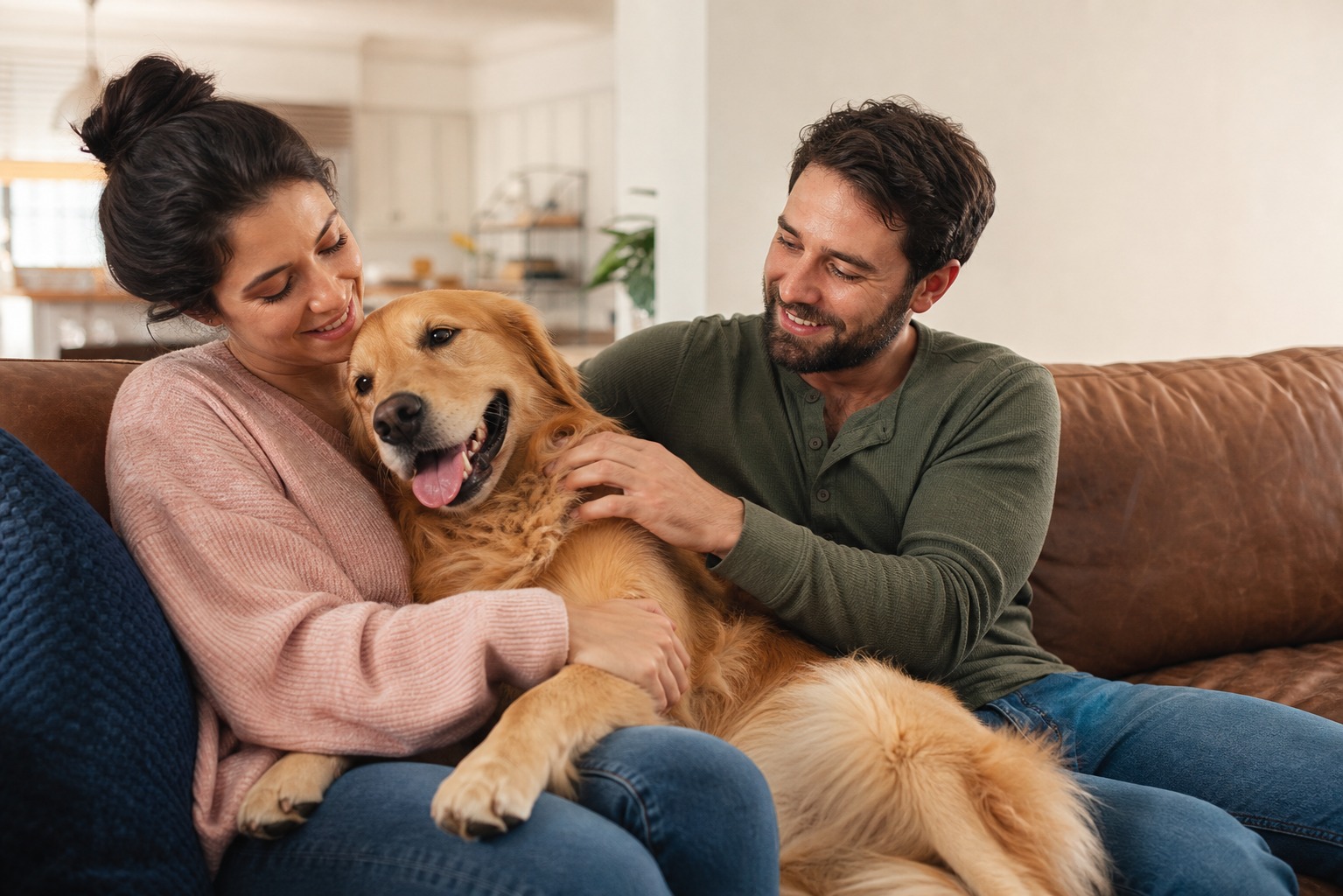
Start with the part that is not in doubt: dogs are genuinely good for us. Petting a dog measurably lowers the stress hormone cortisol and nudges up oxytocin, the feel-good bonding chemical. In one study, therapy dogs significantly reduced anxiety in patients in a hospital emergency room. That enthusiastic, whole-body greeting you get at the door is not nothing, either; for a lot of people it wipes out a hard day for a few seconds, which is its own kind of medicine.
None of that is the problem. The problem is what happens when a pet stops being one source of comfort and becomes the only pressure-release valve, day after day, whether the dog is built for it or not.
The warning signs are physical
A dog carrying more emotional load than they can handle does not file a complaint. They show it, and the signals are surprisingly consistent: trouble eating, restlessness, a shorter fuse, more reactivity, compulsive licking, even obsessive, repetitive behaviors. A dog whose nervous system is chronically taxed can lose the ability to settle, rest well, socialize normally, or play the way they used to.
There is a more serious version, too. Dogs who feel cornered often warn before they escalate, with a bark, a growl, or an air-snap. When those warnings get ignored, some dogs bite. A striking number of bite cases involve a dog who was being hugged, kissed goodnight, or handled while already lying down trying to rest, being asked, in other words, to tolerate contact on someone else’s schedule, not their own.
The tell I look for is whether the dog can opt out. A dog who leans in, then chooses to leave and come back, is a willing partner. A dog who hides behind your legs, keeps flicking their eyes to you for help, or freezes and endures is telling you the arrangement costs them something. It doesn’t mean they don’t love you. It means they’re out of gas and would like to go recharge alone.
The everyday version of over-asking is subtle. It looks like bringing a dog who dislikes crowds into a packed space because you feel steadier with them there, even though they spend the whole time tucked behind your knees. It looks like startling a sleeping dog awake for a hug because you need one. Those things make us feel better. They do not necessarily feel good to the dog, who is a whole individual with their own likes, dislikes, and a strong preference not to be jolted out of a nap.
”Emotional support animal” is not a magic vest
Some of the confusion is baked into the language. A psychiatric service dog (PSD) is a real, protected thing: under the Americans with Disabilities Act, these dogs are individually trained to perform specific tasks tied to a person’s disability. That training is the whole point, and for the right dog it can be deeply fulfilling work.
An emotional support animal is a different category. Per the ADA National Network, ESAs provide companionship and can ease loneliness, depression, anxiety, and certain phobias, but they are not trained to perform tasks, and they do not have the public-access rights service animals do. You can get an ESA letter from a mental-health professional that carries some weight with a landlord, which is legitimate and useful. What it is not is a switch that turns any dog into an emotional sponge. Strapping an inexpensive “emotional support dog” vest on a pet does not give them the temperament or training to absorb your hardest days, however angelic they are.
And temperament is the catch. A dog who is anxious, fearful, or easily overstimulated is a poor candidate for an emotional-support role, not because they lack affection, but because the pressure of the job can push them into bad decisions. Ask a dog who is scared of strangers to accompany you through crowds day after day and you are not soothing yourself with a calm companion, you are slowly cranking up a nervous dog’s stress.
How to lean on your dog the right way
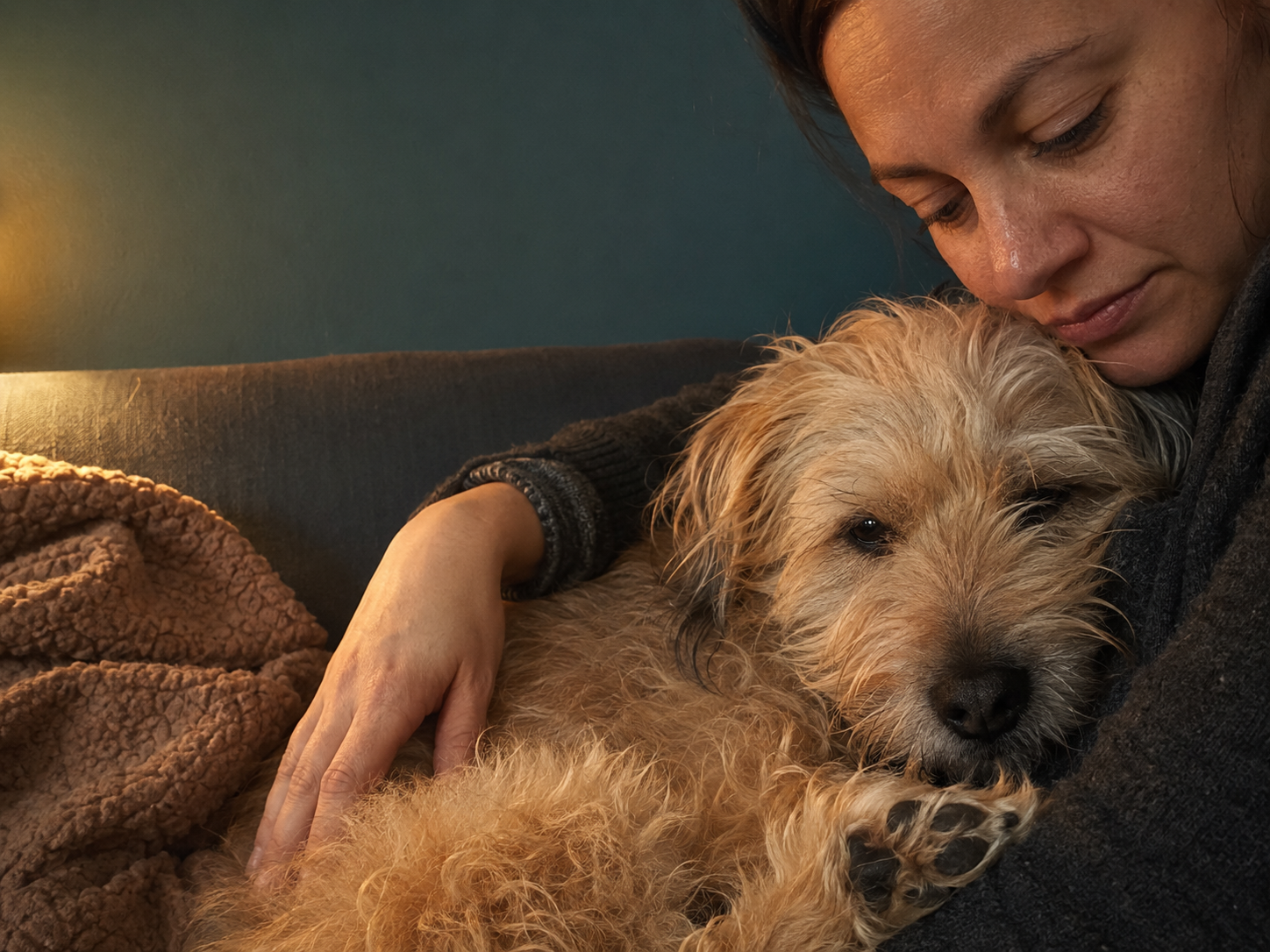
This is not an argument for holding your dog at arm’s length. Dogs recognize when we are sad and often move to comfort us, and accepting a paw on your hand during a rough moment is a beautiful part of living with one. The line is between accepting that kindness and expecting them to soak up every ounce of anxiety you bring home.
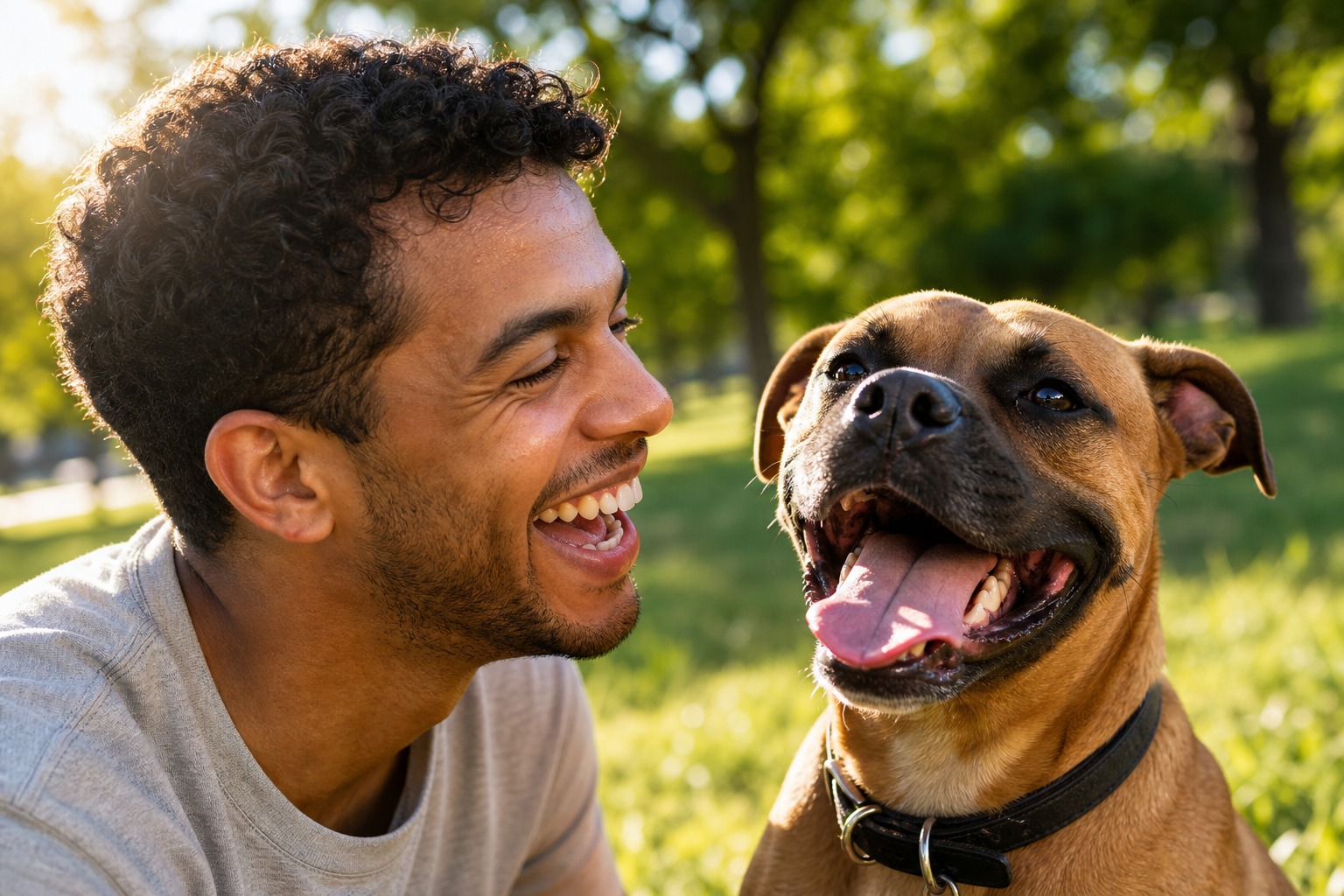
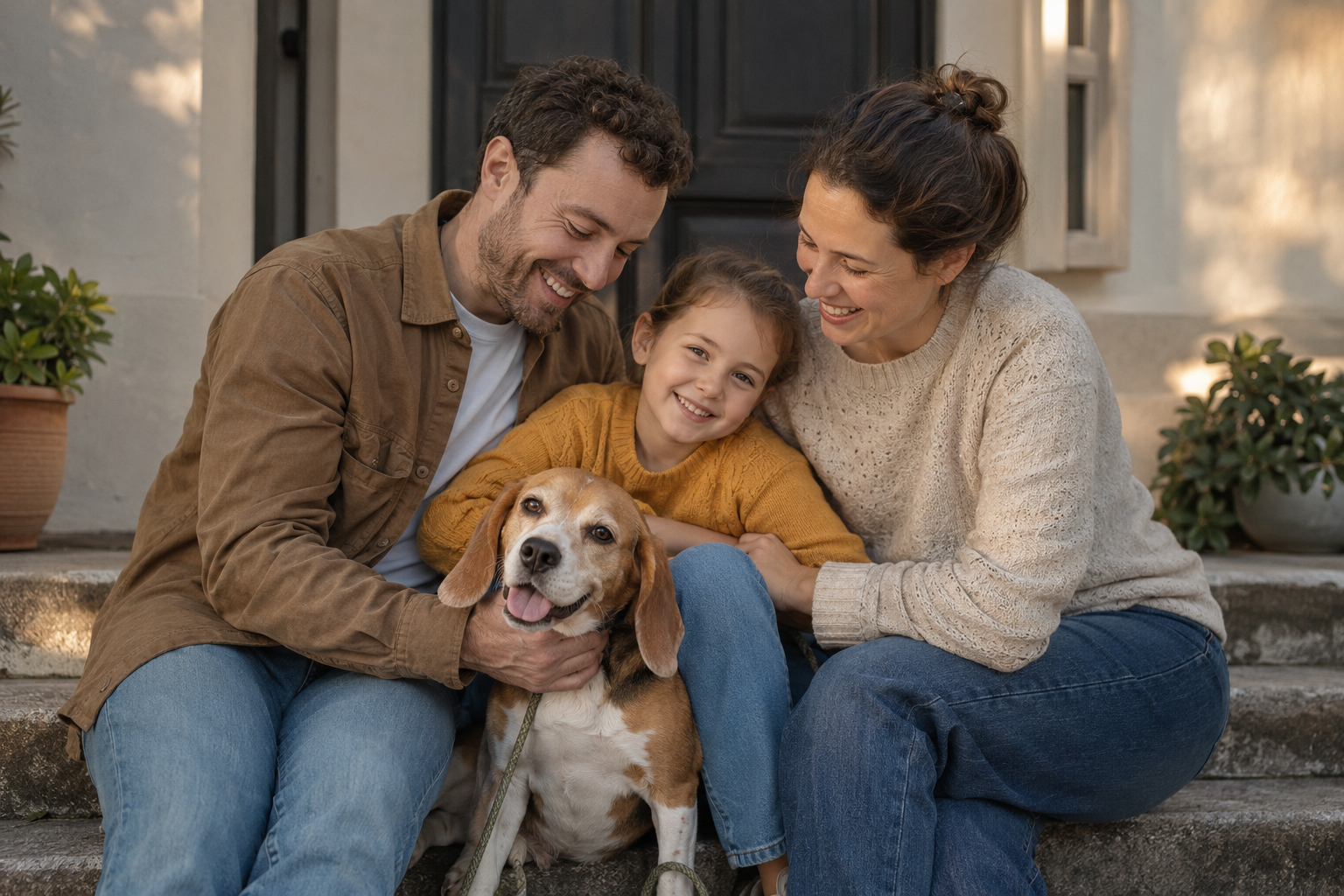
The workable rule is mutual enjoyment. Lean on your dog through activities you both like. For some dogs that is snuggling on the couch; for others it is a hard game of fetch or a long walk that resets your mood and theirs at the same time. A walk or a hike can be all the emotional support some people need, and it happens to be exactly what the dog wanted anyway. The test is simple: if the thing that soothes you also visibly lights the dog up, lean in. If it only soothes you, find another outlet for that particular need.
And if you notice you are relying on your dog to carry feelings that are really too big for any animal, that is worth taking seriously, gently, and getting some of those needs met elsewhere, through people, or a professional. Your dog is an enormous part of your life. They just cannot be the only thing holding it up.
What newer research adds
For years the pet-and-mental-health story was mostly a feel-good one, and much of it holds: national survey data finds that around one in five pet owners has an emotional support animal, and large reviews link pet ownership to lower depression and anxiety for many people. Dog walking alone has been associated with meaningfully lower generalized anxiety.
But newer work has added an important wrinkle that matches what trainers see in the room. Research now distinguishes between a secure bond with a pet and an anxious, dependent one, and the second kind does not look protective. A study of roughly 500 Australian owners found that those who scored high on pet-related anxiety were more likely to report depression, stress, and generally poorer mental health. And a 2025 study following about 600 older adults found that people who were most intensely attached to their pets experienced greater declines in well-being over time than those with a more relaxed bond. The likely reason is the one underneath this whole piece: leaning on a pet as a substitute for human connection tends to track with more loneliness, not less. The comfort of a dog is real. It just works best as one support among several, for both of you.
References
- “Americans’ Pets Offer Mental Health Support to Their Owners.” American Psychiatric Association.
- “The Surprising Link Between Pet Attachment and Mental Health.” Psychology Today, November 2025.
- Kramer et al. “Pet ownership and risk of depression: a systematic review and meta-analysis.” PMC.
- “Emotional Support Animals — Service Animal Resource Hub.” ADA National Network.
- Kline et al. “Randomized trial of therapy dogs versus deliberative coloring to reduce stress and anxiety in the emergency department.” PMC.