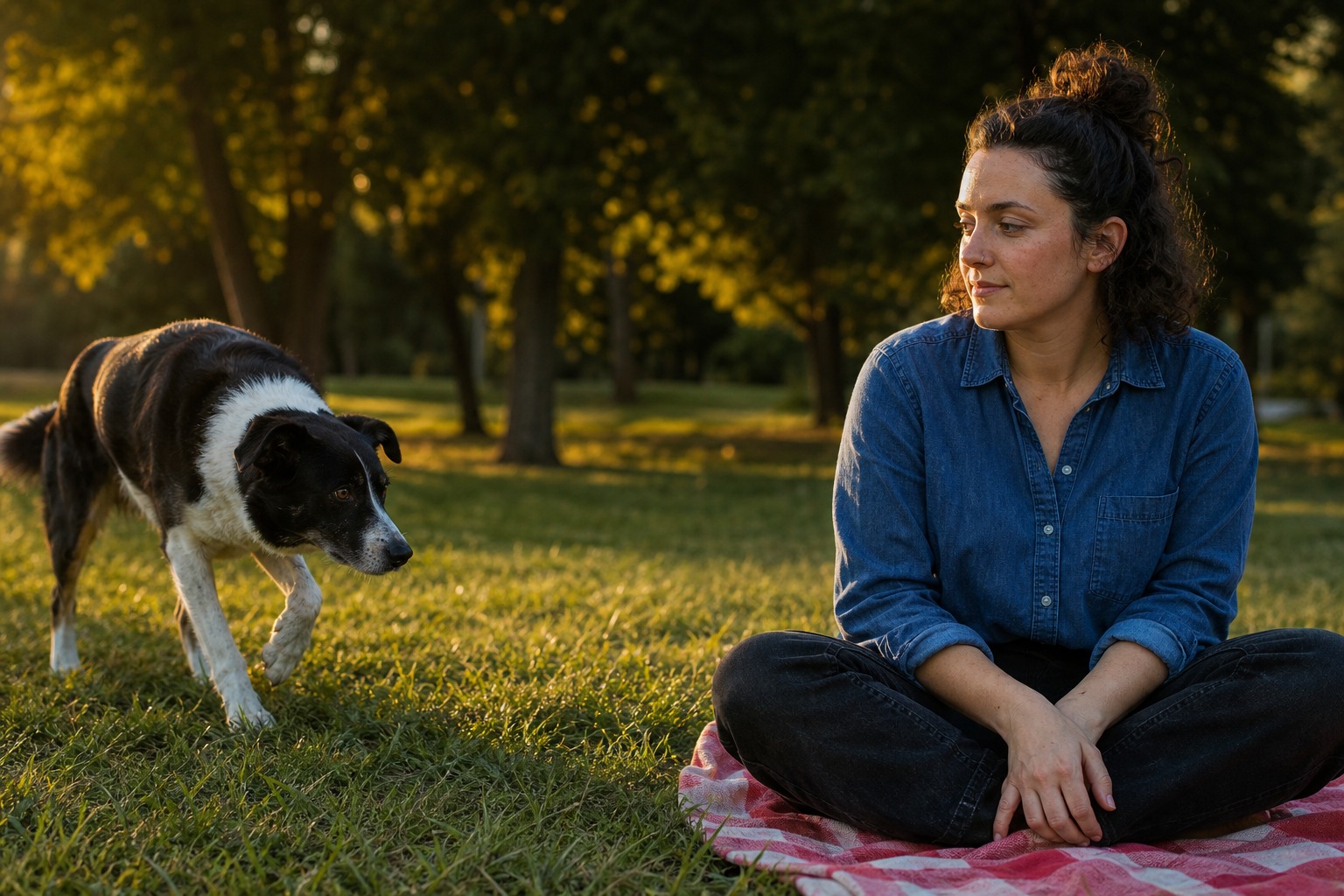
Meeting a new partner’s dog can feel like a strange kind of audition. You want to be liked. You want to prove you belong. So you do the natural human thing: you crouch, you coo, you reach out to say hello. And the dog, reading all of that eager energy pointed straight at it, backs away.
The counterintuitive truth at the heart of winning over a wary dog is this: you cannot make it happen, and the harder you push, the longer it takes. The fastest route to a dog’s trust is to stop auditioning and let the dog come to you. Everything below is a variation on that one idea.
Start on neutral ground
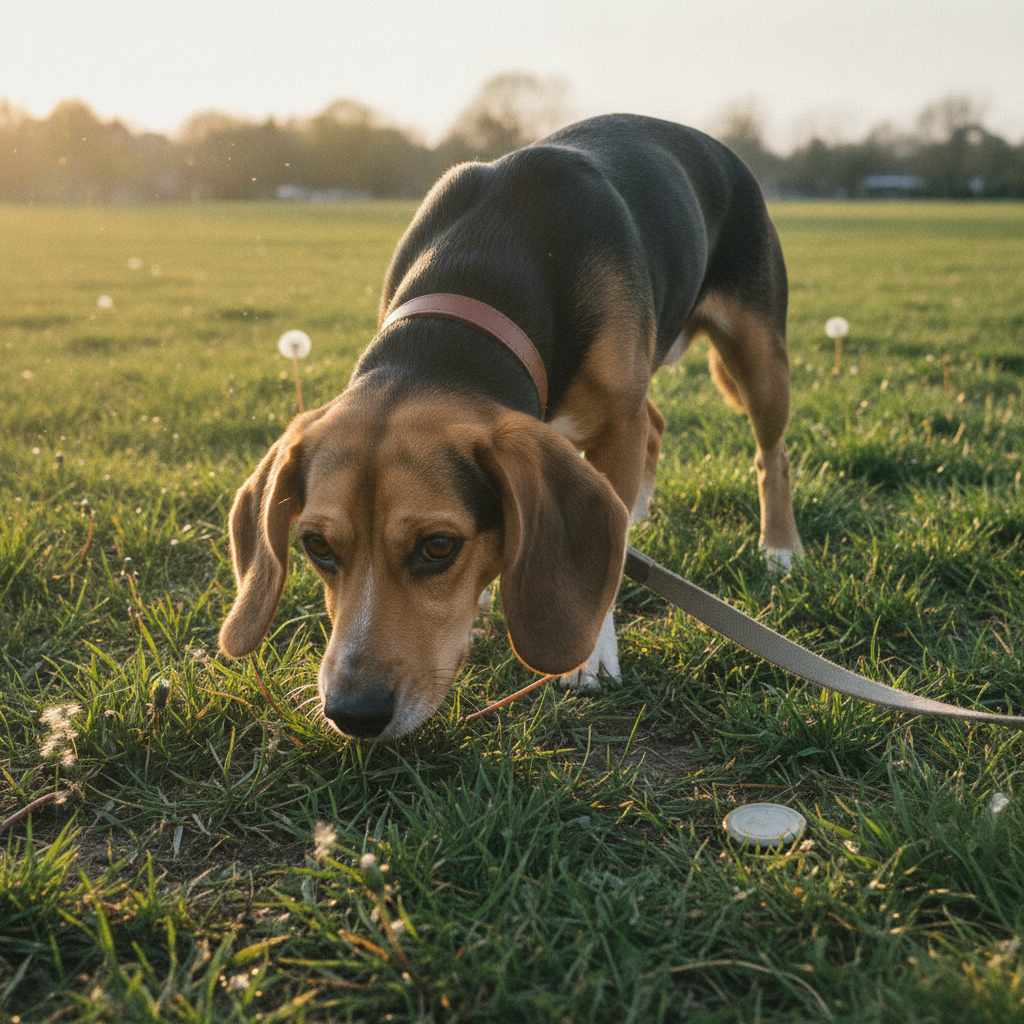
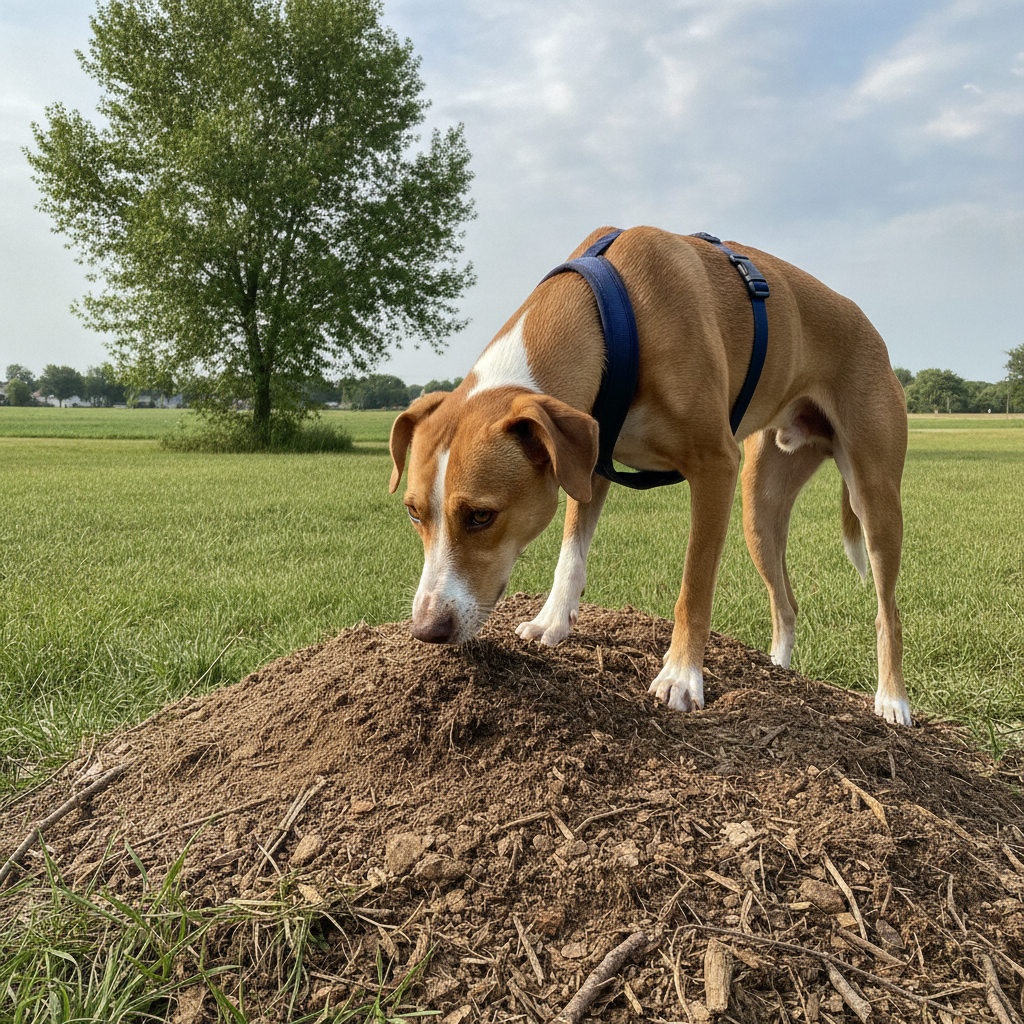
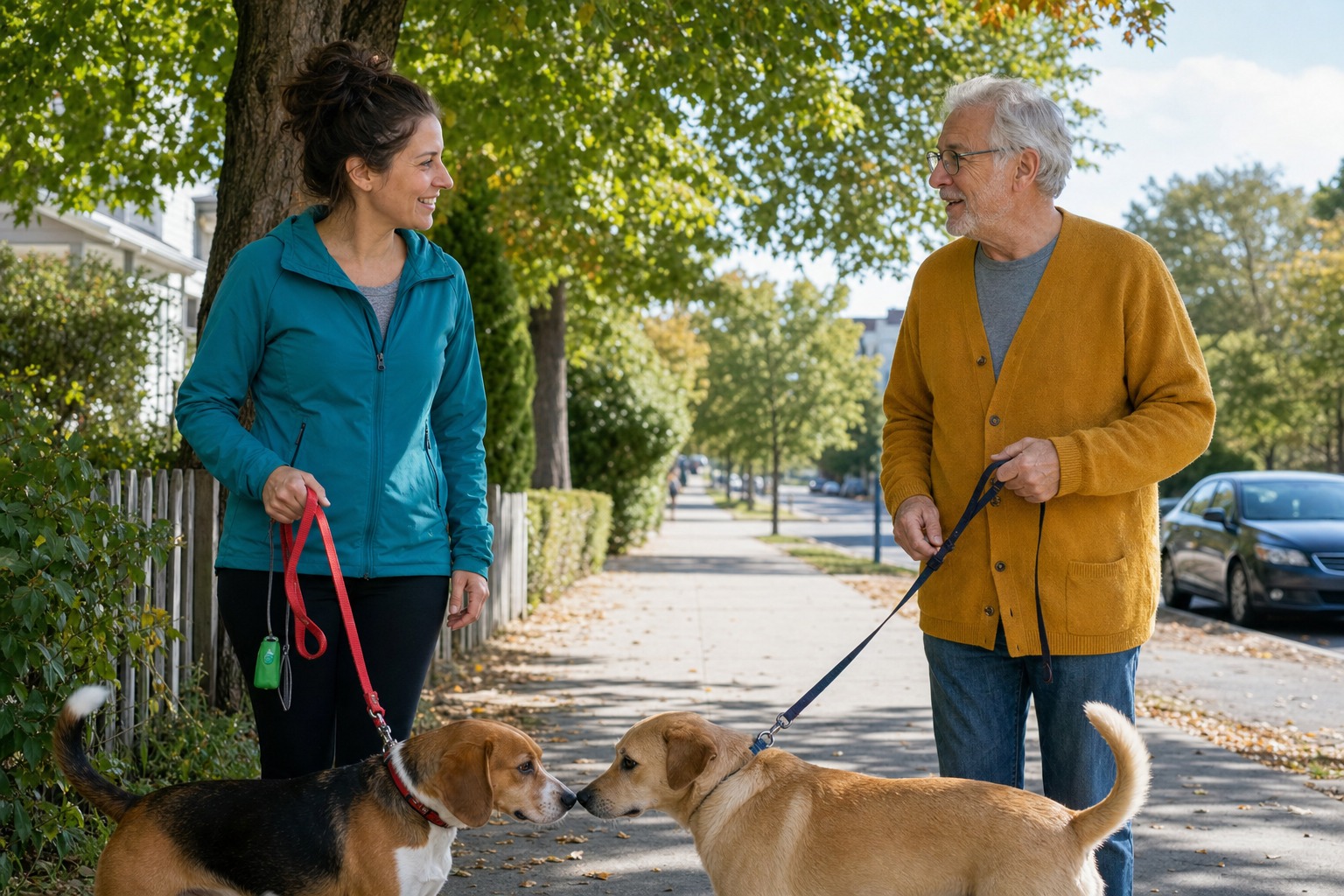
Where you meet matters more than people expect. A dog is most defensive on its own turf, where it feels responsible for guarding the space and the person you are there to see. Meeting on genuinely neutral territory, a quiet stretch of sidewalk, a calm park path, lowers the stakes for everyone.
The sweet spot is a blend of familiar and neutral: somewhere the dog is comfortable but does not feel it has to defend. A patch of grass near home can work; the middle of the dog’s living room, with you as the obvious intruder, usually does not.
“Owners get frustrated because they treat this like a problem they can solve by being nicer, harder,” says Dr. Ravi Mehta. “But affection you aim at a nervous dog reads as pressure. The goal in the first few meetings isn’t to be loved. It’s to become boring, a calm, non-threatening presence the dog decides, on its own schedule, is safe.”
Play hard to get
Here is the move that feels most wrong and works best: do not reach for the dog, do not lean in, do not make the high-pitched greeting noises. Let the dog set the pace. Keep your movements slow and your voice low. The ideal room is one where everyone stays loose and gives the dog no particular attention, treating it almost like another piece of furniture.
This is not coldness. To a hesitant dog, a person who ignores it is a person making no demands, and that is exactly what lets the animal lower its guard. You are giving it the one thing it actually wants from a stranger: space and time.
Then, and only then, bring out the good stuff
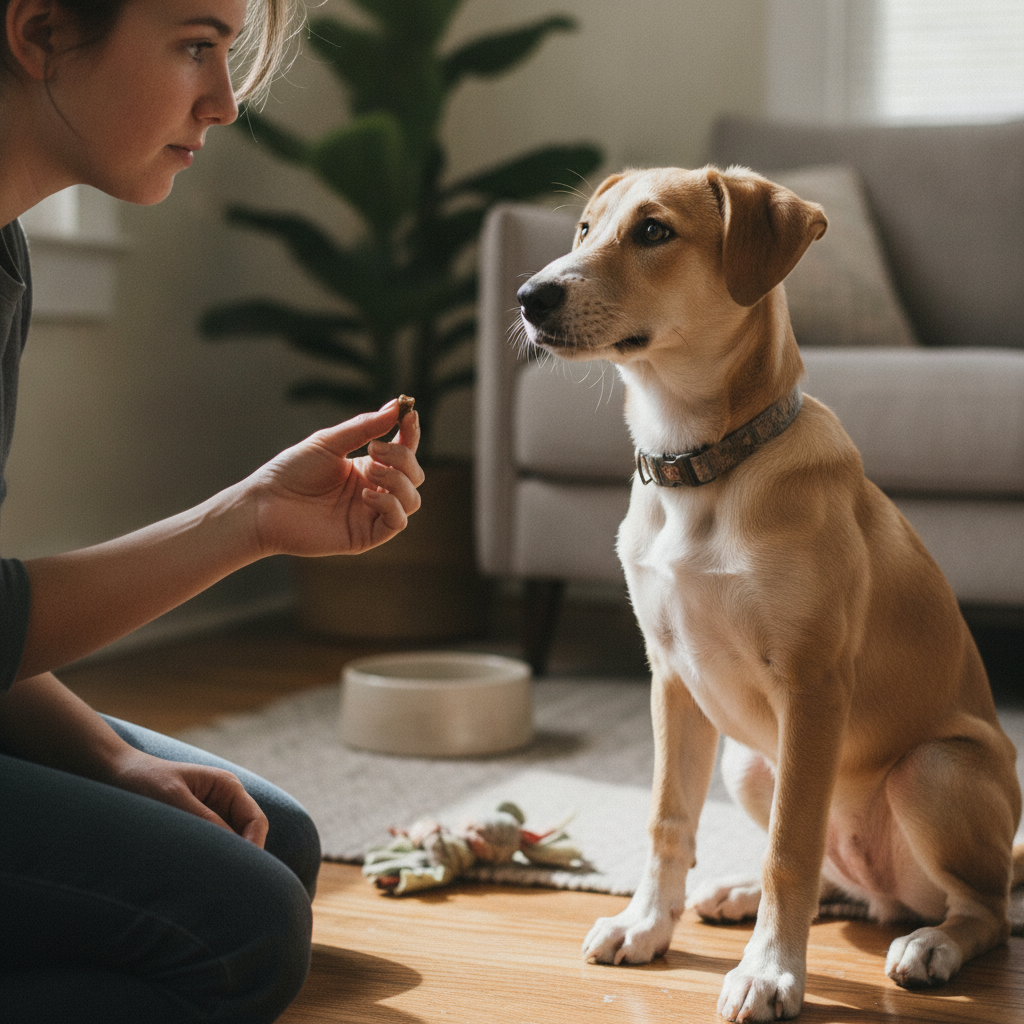
Once the dog has relaxed, food and toys become your allies, and there is nothing cheap about it. Bringing high-value treats to a first meeting is not bribery in any bad sense. It is a legitimate way to help the dog file you under “good things happen when this person is around.” That association can set the tone for a genuinely warm, lasting relationship, and most dogs are more than happy to be won over with a snack or a favorite toy.
The trick is to let the dog choose. If it is still timid, do not hold a treat out and wait for the dog to come get it under pressure. Set the treat or toy on the floor and let the dog close the gap on its own terms, whenever it feels ready. Hand-feeding is a great next step, but it is a later goal, not a first one. Rushing that hand-to-mouth moment before the dog is ready can actually stretch out the wary phase you are trying to end.
Let the dog be an individual
The single most useful expectation to bring is a loose one. These are good ground rules, not a formula, because dogs, like people, are all specific weirdos. One dog will be climbing into your lap by the end of the first visit; another will need weeks of you calmly existing before it decides you are family.
People sometimes get frustrated that there is no hard-and-fast answer, no guaranteed number of visits, no trick that works every time. But dogs are individuals, humans are individuals, and so is every dog-human relationship. The absence of a rulebook is not a failure. It is just what real trust looks like while it is being built.
The short version
If you take one thing from this: resist the urge to perform. Meet on neutral ground, keep your body calm and your attention off the dog, let good things quietly appear, and let the dog decide when to close the gap. You are not trying to win the dog over in an afternoon. You are trying to become someone it feels safe around, and that is a thing a dog grants, not something you can take.
References
- Horowitz, Alexandra. Inside of a Dog: What Dogs See, Smell, and Know. Scribner.
- American Veterinary Society of Animal Behavior (AVSAB). Position statements on socialization and low-stress handling.