


Watermelon Is a Great Dog Treat. Two Parts Are Not
Watermelon is a hydrating, low-calorie treat for most dogs, as long as you skip the seeds and rind. Here is how to serve it safely and who should sit it out.

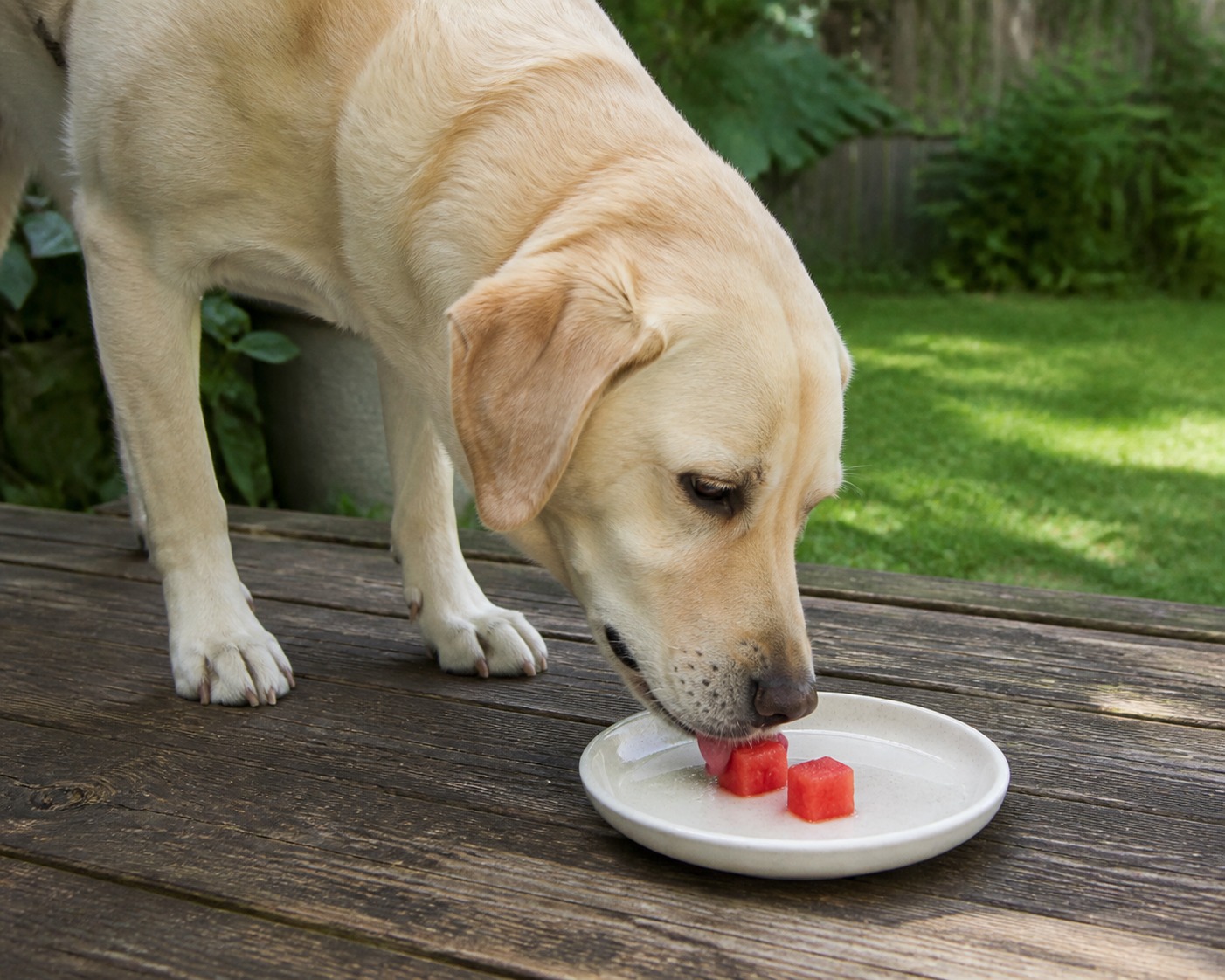
When the temperature climbs, a cold slice of watermelon is hard to beat. And if your dog is hovering nearby with hopeful eyes, the good news is you can share. Watermelon is safe for most dogs in moderation, with a little prep to make it dog-friendly. It is mostly water, low in calories, and a nice way to help a hot pup cool down and stay hydrated.
Here is how to serve it the right way, plus a few dogs who should skip it.
What is in watermelon
Watermelon is more than 90 percent water, which is exactly why it is such a refreshing, hydrating snack. It is low in calories and carries a good dose of vitamins and antioxidants. It is one of the best natural sources of lycopene, a powerful antioxidant, and it offers vitamins A, B, and C along with the minerals potassium and magnesium.
Is watermelon actually good for dogs?
Properly prepared watermelon is not toxic to dogs, but it has not been shown to be especially beneficial for them either. Its low calorie count and high water content make it a better choice than richer, sugarier fruits, but it is not a fit for every dog. Watermelon is full of natural sugar, so dogs who are overweight or diabetic should not have it. Dogs with sensitive stomachs may not tolerate it well either. Even for dogs who love it, portion control matters.
Watermelon is one of my favorite hot-weather treats to recommend because it is hydrating and light. But I always remind people that natural sugar is still sugar. For a diabetic or overweight dog, I would skip it and reach for something like cucumber instead.
Skip the seeds and the rind
Serving watermelon to your dog takes a little prep. Always remove the seeds first. They can be a choking hazard for small dogs and may cause some stomach upset, and watermelon seeds also contain trace cyanide. It is highly unlikely a dog would eat enough to be poisoned, but removing them is the safe move.
The rind needs to go, too. It is tough to chew and does not digest well, which puts dogs at risk for an intestinal obstruction if they swallow a chunk. Stick to small pieces of the red flesh, seeds and rind removed.
Other dog-safe fruits
If your dog enjoys watermelon, they may like these too:
- Blueberries: low in calories, high in antioxidants, and great frozen for a crunchy treat.
- Apples: fiber-rich and satisfying for crunch-lovers. Remove the seeds and core, and avoid large chunks for dogs who gulp.
- Bananas: a safe, sweet option. They are on the sugary side, so go easy, and skip the peel.
And a few fruits to keep away from your dog:
- Grapes and raisins: toxic to dogs and capable of causing kidney failure.
- Cherries: the pits, stems, and leaves contain cyanide, and the pits are a choking and blockage risk.
- Avocado: the pit, leaves, and stems contain persin, and the fatty flesh can upset the stomach or trigger pancreatitis.
What newer research adds
Watermelon has stayed firmly on the dog-safe list, and vets increasingly suggest hydrating fruits and veggies as a smart way to help dogs through the hotter, longer heat waves of recent summers. The cautions are the same ones that have always applied: seeds and rind out, portions small, and a hard pass for diabetic or weight-managing dogs. Frozen watermelon cubes have also become a popular, vet-friendly enrichment idea for warm days, since they double as a slow, cooling treat.
The bottom line
Watermelon is a safe, refreshing treat for most dogs when you remove the seeds and rind and keep portions modest. Treats should stay under about 10 percent of your dog’s daily calories, and dogs who are diabetic, overweight, or prone to stomach upset are better off without it. When in doubt about any new food, a quick check with your vet is always worth it.
References
- Watermelon Promotion Board. “Watermelon Nutrition.” https://www.watermelon.org/nutrition/
- ASPCA Animal Poison Control Center. “People Foods to Avoid Feeding Your Pets.” https://www.aspca.org/pet-care/animal-poison-control/people-foods-avoid-feeding-your-pets
- Merck Veterinary Manual. “Food Hazards for Dogs and Cats.” https://www.merckvetmanual.com/
Common questions
How much watermelon can a dog eat?
Watermelon is full of natural sugar, so keep it to a treat-sized portion. Treats of any kind, fruit included, should make up no more than about 10 percent of your dog's daily calories.
Can dogs eat watermelon rind or seeds?
No. The rind is tough to digest and can cause an intestinal blockage, and seeds are a choking risk in small dogs. Remove both and offer only the flesh.
Not a substitute for your vet. Our guidance is educational. For urgent symptoms, contact a vet or emergency clinic right away. Editorial standards
Dr. Nair is a veterinarian focused on diet and feeding. She covers everyday nutrition, treats, and the many "can they eat this?" questions owners ask, grounding each answer in what is actually safe and sensible for dogs and cats.
Meet our experts ↗Keep reading
 FoodBeef Jerky and Dogs: The Word Tells You Nothing, the Label Tells You EverythingDr. Mara Chen · 7 min
 FoodScrambled Eggs Are Great for Dogs. Your Skillet Is the Problem.Dr. Mara Chen · 6 min
 FoodCan Dogs Eat Almonds? Why This Snack (and Most Nuts) Belongs to YouDr. Lena Park · 4 min
 FoodYogurt Isn't a Health Food for Your Dog. It's a Brilliant Delivery DeviceDr. Priya Nair · 6 min
 FoodYour Puppy Can Eat More of Your Food Than You Think. Two Things Can Still Hurt Them.Dr. Mara Chen · 5 min
 FoodYour Dog Can Have Pineapple. The Sweet Part Isn't the Problem.Dr. Priya Nair · 6 min