


One Kitten Is Harder Than Two. Here's Why.
It sounds backward, but a single kitten is often more work, and more trouble, than a pair. 'Single kitten syndrome' leaves solo kittens without the bite and scratch inhibition littermates teach each other. Why so many shelters adopt kittens in pairs, and what a lone kitten misses out on.

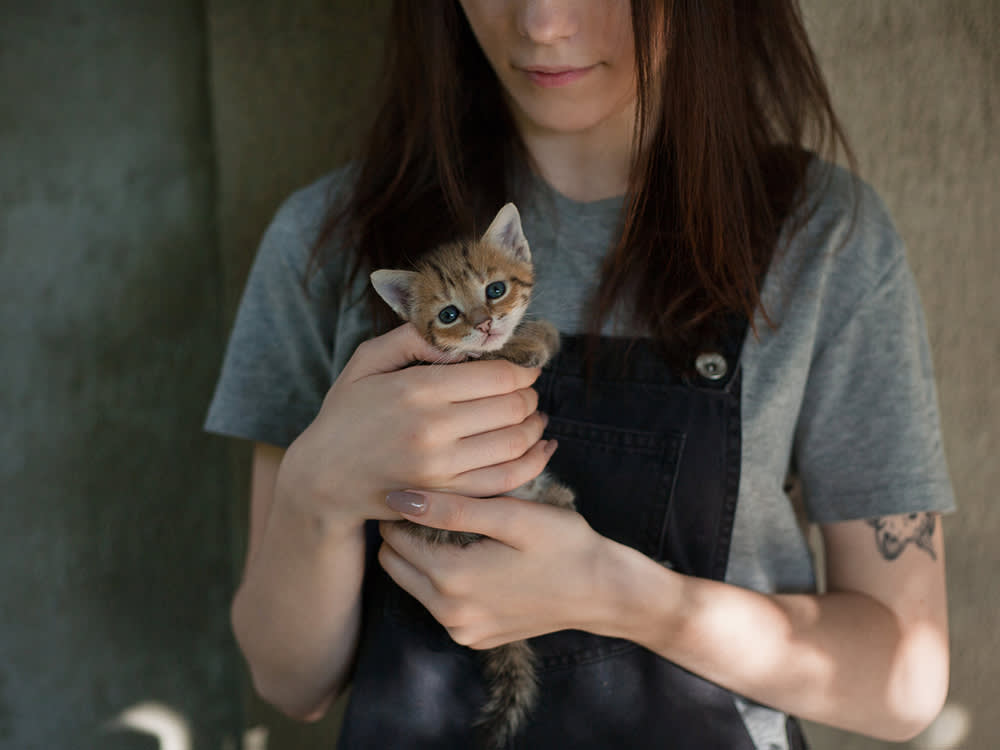
You know the old line about everything in moderation. Kittens are the exception. It’s genuinely hard to overdo it, and where you’d expect “get one and see how it goes” to be the sensible advice, the opposite is closer to the truth. A single kitten is often more work, and more likely to grow into a problem cat, than a pair. Two is easier. Even three is well within reason.
If that sounds like shelter propaganda designed to move more cats, it isn’t. The pair-adoption policies you’ll run into at many rescues exist because raising a kitten alone tends to go badly for the kitten, and placing more cats in homes is just a happy side effect. Here’s what’s actually going on, and why doubling up is the smarter default.
Owners are always shocked when I tell them two kittens are less work than one, but I’ve watched it play out for years. A solo kitten turns you into its entire world, its wrestling partner, its chew toy, its everything, and that’s exhausting for you and stunting for the kitten. Two kittens raise each other. They burn off energy on one another and learn the manners a person simply can’t teach as well.
What “single kitten syndrome” actually is
A kitten brought up as an only cat is less apt to mature into the well-adjusted, contented animal a peer-raised kitten usually becomes. That’s the core of what’s commonly called single kitten syndrome, and it surfaces as a cluster of behavior problems later in life: nipping at people (often as they turn to leave), shunning the litter box, and destructive habits such as shredding furniture. Solo kittens also tend toward excessive dependence on their humans, wanting company constantly, which is often behind the nonstop meowing and the habit of suckling on clothing so common in cats that grew up alone.
Raised with another kitten, the picture changes. The pair keep each other occupied, and occupied kittens stay out of mischief. The exercise, the socializing, the comfort of a companion, and the endless play all provide real enrichment for both, and that translates into fewer bad habits. A kitten with a built-in playmate isn’t as likely to relentlessly demand your attention or to turn destructive out of boredom. And kittens simply settle into a new home better when they arrive with a familiar friend; a smoother, lower-stress transition is good for everyone.
The lesson only another kitten can teach
The single most important thing a kitten learns from a littermate is hard for a human to replicate: how gentle to be with teeth and claws. When kittens wrestle, bite, and paw at each other, they’re constantly negotiating boundaries, discovering how hard is too hard through immediate feedback from a peer. That’s how they develop bite inhibition and, for lack of a better term, scratch inhibition.
Learn those lessons from another kitten, and everyone wins. Fail to learn them, and the kitten practices on the only other bodies available, your hands and ankles. It’s far more pleasant, for you and for the cat, to have those skills sharpened between two kittens than to be the one teaching a lone kitten that human skin has limits.
Two kittens make life with an existing cat easier, too
Here’s the counterintuitive part. If you already have an adult cat and are thinking of adding kittens, bringing home a pair often goes over better than adding a single kitten. The reason is simple: two kittens occupy each other, so they don’t relentlessly pester the resident cat the way a lone, under-stimulated kitten would.
And if you know you eventually want two cats anyway, adopting a pair of kittens now is generally a smoother path than getting one cat and adding another later. Two kittens grow up as playmates from the start, whereas introducing an adult cat down the line can be dicey; adult cats don’t always take kindly to a newcomer joining the family.
What newer thinking adds
The single-kitten-syndrome idea lines up with what we understand about feline development. Kittens go through a sensitive socialization window early in life, and much of what they learn about appropriate social behavior, including how to use their teeth and claws in play, comes from interacting with siblings during that period. A kitten pulled from that peer learning too early, and raised without a substitute, misses lessons that are genuinely hard to backfill later. That’s why the pair-adoption norm has only become more entrenched among shelters and behaviorists, and why, if a single cat is what you truly want, many organizations will gently point you toward adopting an adult instead.
Everyone knows two heads are better than one. When it comes to heading off the problems of single kitten syndrome, what you really want isn’t two heads or two tails, but, joyfully, two entire kittens.
Common questions
What is single kitten syndrome?
It's the pattern of behavior problems that can develop when a kitten is raised alone rather than with another kitten. Solo kittens are more likely to bite and scratch too hard, avoid the litter box, damage furniture, and become excessively clingy, because they never learned social boundaries from a peer.
Is two kittens really less work than one?
Often, yes. A pair keeps each other occupied and exercised, which keeps them out of trouble and off you as their sole source of entertainment. Two kittens learn manners from each other, settle into a new home more smoothly, and typically demand less round-the-clock attention than a single kitten does.
I only want one cat. What should I do?
Consider adopting an adult cat instead of a kitten. Many rescues will steer single-pet homes toward adults precisely because a lone kitten is prone to single kitten syndrome, while an adult is usually well-suited to being an only cat.
Dr. Chen is a small-animal veterinarian who leads health and safety coverage at The Pet Times. She writes and reviews the bulk of our illness, condition, and safety content, translating clinical guidance into clear, practical advice owners can act on at home.
Meet our experts ↗Keep reading
 TrainingYour Kitten Isn't Kissing You. It's Filing You Under 'Family.'Dr. Amara Solis · 7 min
 First DaysThere's No 'Best' Kitten Dewormer. Why the Schedule Beats the BrandDr. Mara Chen · 7 min
 Training'My Cat Doesn't Like to Play' Is Almost Always a You ProblemDr. Lena Park · 8 min
 First DaysYour Kitten Is Losing Teeth Right Now and You'll Probably Never See It HappenDr. Priya Nair · 6 min
 First DaysYour New Kitten Will Bond With You. It's the Other Pets You Have to Win OverDr. Lena Park · 9 min
 First DaysGive Your New Cat Less House. They'll Settle Faster.Jordan Ellis · 7 min