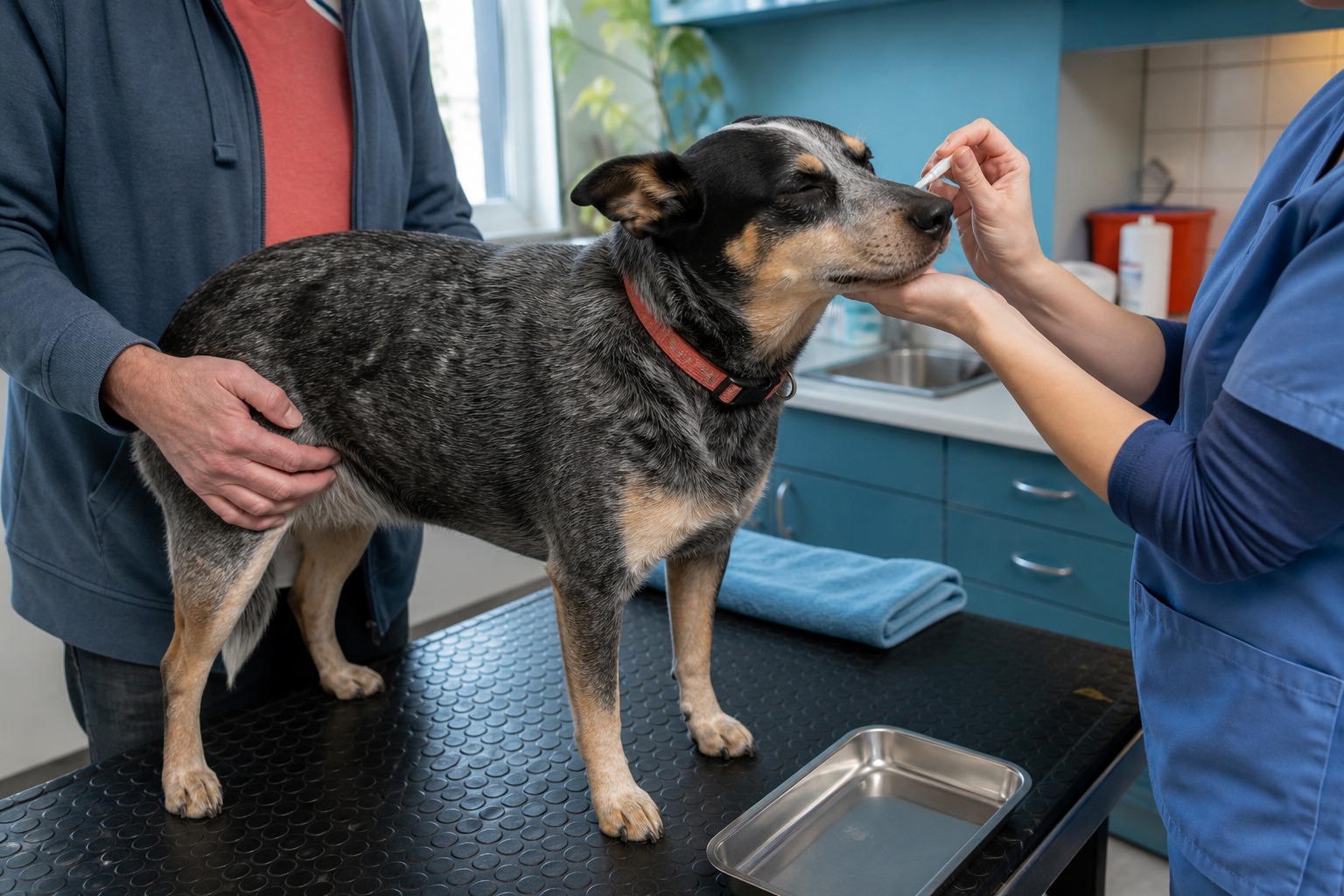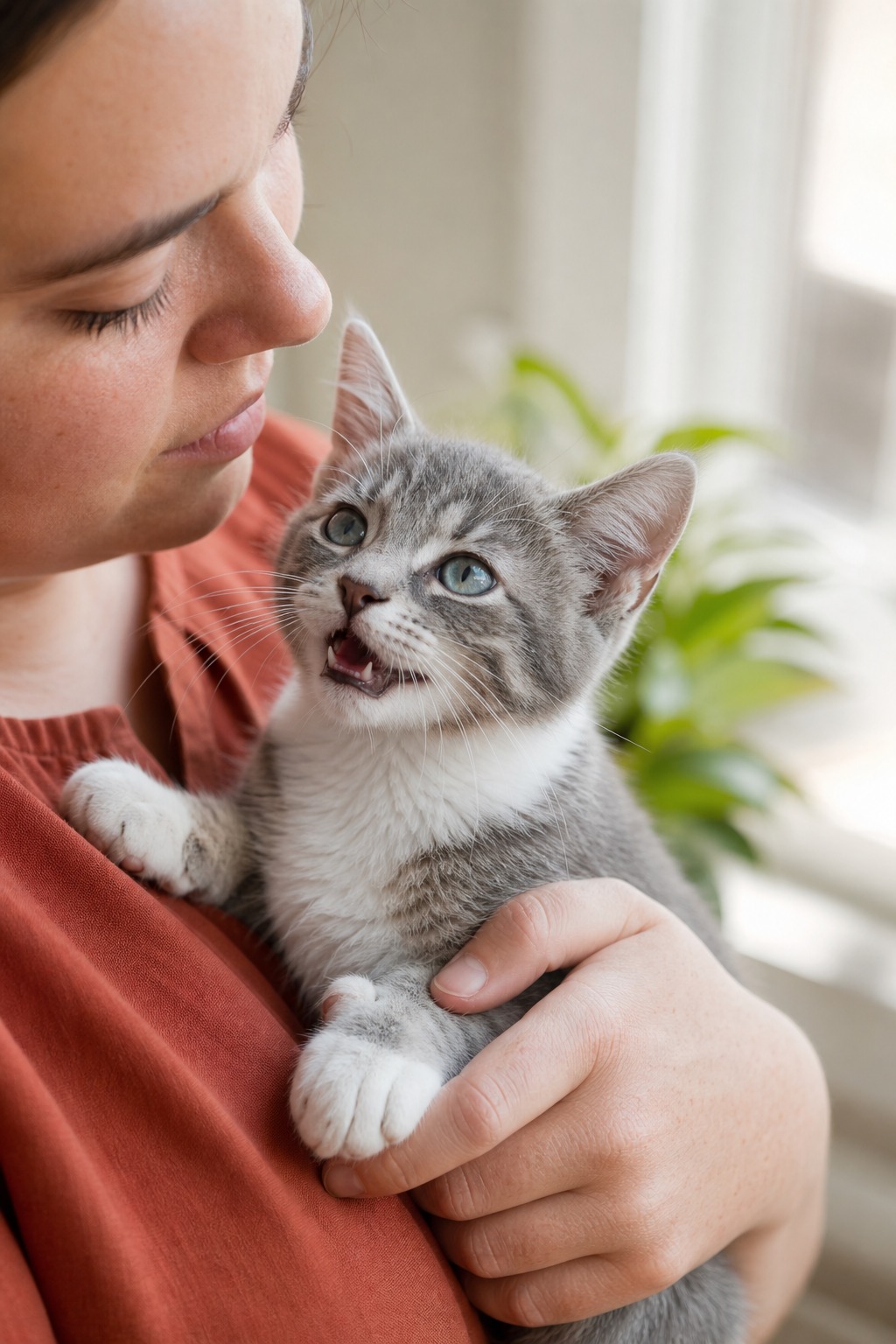
Somewhere in your kitten’s first six months, they will lose an entire set of teeth and grow a new one, and you will most likely never witness a single tooth come out. Kitten teething is one of the quietest developmental events in a cat’s life. The teeth are tiny, kittens usually swallow the ones that fall out, and the whole changeover happens so gradually that most owners only realize it occurred in hindsight. That makes teething easy to ignore, which is fine, right up until it isn’t. Your actual job during this stretch isn’t to manage the process. It’s to know the handful of things that can go wrong beneath the surface.
What’s happening in there
Teething just means teeth erupting through the gumline, and kittens do it twice: once for the baby (deciduous) set, and again when the adult teeth replace them. Kittens are born toothless, sensibly, since they only need to nurse at first. Then the small teeth arrive, and later the permanent ones push them out.
The numbers are worth knowing because they tell you what “normal” looks like at a glance. A kitten grows 26 baby teeth and, eventually, 30 adult ones. Here’s the rough timeline:
- Birth: no teeth.
- Three to four weeks: the baby canines and incisors start erupting.
- Five to six weeks: the baby premolars come in.
- Eight weeks: a full set of 26 baby teeth, made up of 4 canines, 12 incisors, and 10 premolars.
- Eleven to twelve weeks: the adult incisors and canines begin coming in.
- Sixteen to twenty weeks: the adult premolars and molars begin erupting.
- Six to seven months: a full set of 30 permanent teeth, 4 canines, 12 incisors, 10 premolars, and 4 molars. Kittens never grow baby molars, so those four arrive only with the adult set.
The signs, most of them subtle
Look inside the mouth during teething and you might spot gaps along the gumline where teeth have dropped, or gums that look a little inflamed. Occasionally you’ll find a stray shed tooth, though that’s uncommon, since most get swallowed harmlessly during eating or play. You may also notice tiny spots of blood on a toy or on bedding.
The behavioral signs tend to be louder than the physical ones. A teething kitten may show:
- Drooling
- Reluctance to eat
- Dropping food
- Chewing on toys and objects more than usual
- Rubbing or pawing at the face
- Avoiding being touched on the face or head
- A dip in playfulness
None of this is cause for alarm on its own. It’s the normal discomfort of a mouth remodeling itself.
The part that actually needs you: what can go wrong
This is where paying attention earns its keep. Most of the teething problems that matter happen quietly, and a few are worth catching early:
- Retained baby teeth. Sometimes a deciduous tooth refuses to fall out as the adult tooth comes in beneath it, and the two crowd the same spot. That crowding traps food and plaque and can set up dental problems down the line, so it’s the classic thing a vet looks for and, if needed, removes.
- Delayed eruption. A baby tooth can fail to break through the gumline at all, sometimes because the gum tissue is thick and fibrous.
- Broken baby teeth. Baby teeth are meant to leave eventually, but a fractured one shouldn’t be shrugged off, because it can cause pain and infection while it’s still in place.
Because toothbrushing goes on pause during teething, don’t take that as permission to stop looking in the mouth. A quick peek every few days is how you catch a retained tooth or a swollen spot before it becomes a real problem.
When it’s a vet visit, not a phase
Your vet will check the teeth at wellness visits, but between appointments, a few signs mean call sooner rather than later:
- Extremely bad breath
- Facial swelling
- Discolored drool
- Refusing to eat
- Obvious mouth pain
Those go beyond ordinary teething soreness and deserve a professional look.
“The mistake I see is owners treating teething as something to power through and then never checking the mouth,” says Dr. Priya Nair. “The teething itself takes care of itself. What I want owners doing is a ten-second look every few days, because a retained baby tooth or a cracked one is easy to fix early and a headache if it’s found late.”
Why any of this matters for the long game
Here’s the number that reframes the whole stage: more than half of cats show some form of dental disease by age four. Teething is your kitten’s on-ramp to a lifetime of dental health or dental trouble, and the habits you build now set the trajectory. Brushing should wait until all the adult teeth are in, around six or seven months, but the sooner you make it routine after that, the more your cat tolerates it for the rest of their life.
So treat teething less as a problem to solve and more as a first, low-stakes dental checkup you run at home, gentle handling, a soft thing to chew, softened food if they’re struggling, and a habit of glancing in the mouth. Do that, and the quiet months pass exactly as they should: almost invisibly.
What newer research adds
Feline dentistry has put growing emphasis on how early dental care shapes lifelong outcomes, and on a specific adult-cat problem, tooth resorption, in which the body breaks down its own tooth structure. It’s now recognized as one of the most common dental conditions in cats, affecting a large share of adults, and it isn’t something teething causes, but the habit of regularly examining your cat’s mouth, started in kittenhood, is exactly what helps catch it early when it does appear later in life. The current guidance also continues to favor introducing home dental care young: cats who grow up with mouth-handling and, eventually, brushing tend to accept lifelong dental care far more readily than cats first introduced to it as adults. This is general information, not a substitute for your vet’s exam; any swelling, persistent bad breath, or trouble eating warrants a professional look.