


The Sidewalk Salt Burning Your Dog's Paws Can Also Poison Them
Winter ice melt is two threats in one: a chemical burn on the pads and a poison if your dog licks it off. Here's how to spot a salt injury, treat it, and build a simple defense that takes thirty seconds after every walk.

Affiliate disclosure. This article contains affiliate links. We may earn a small commission if you buy through a link, at no extra cost to you. How we handle recommendations.
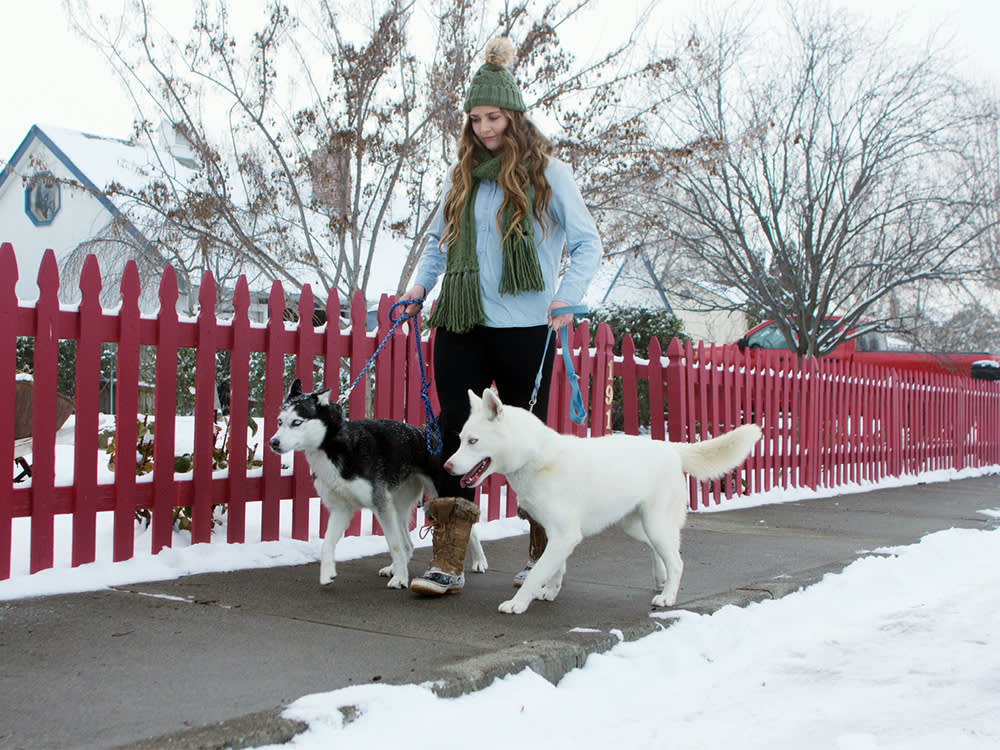
A fresh snowfall turns a walk into one of two things: a magical romp for a dog who loves it, or a careful shuffle across slick, salted pavement. Either way, there’s a hazard underfoot that most owners underestimate, because it does two different kinds of harm at once. The white crust melting the ice on your sidewalk can chemically burn your dog’s paw pads, and because dogs lick their feet, that same salt can poison them from the inside. Understanding both threats is what turns “my dog hates winter walks” into “my dog is actually being hurt, and here’s the fix.”
What’s actually in that ice melt
Snow salts have kept sidewalks and roads passable for a long time, and they do genuinely make winter safer for people. The problem is the chemistry. Most ice melts are built on sodium chloride, calcium chloride, or potassium chloride, and walking on those compounds can cause irritation, injury, and even chemical burns to a dog’s paws. The damage tends to show up right where the salt makes contact.
The burns show up most often on the paw pads themselves, and they can look like ulcerated sores, swelling, bleeding, or a raw reddening of the pads and the skin between them. Salt is also drying, so even short of a true burn it can leave pads cracked and rough over the course of a winter.
How to spot a salt injury
On your next walk over treated pavement, watch for the visible signs: redness, cracks, sores or ulcers on the pads, swelling, or bleeding, especially in the tender skin between the toes. But dogs also tell you with their behavior before you ever inspect a paw. Sudden limping, or persistent licking and chewing at the feet, is a signal that something is wrong down there and you should investigate what’s bothering them.
Catching it early matters, because an untreated salt injury can worsen or get infected.
Treating it: home care versus the ER
You can often handle a minor irritation yourself. The first priority is to stop your dog from licking the affected area, since that both delays healing and drives infection. Wiping the spot clean with a soft, damp cloth is fine. But this is also a “know your limits” situation: seek emergency veterinary care if your dog is clearly uncomfortable, if there’s an open wound, or if the area looks infected. A raw, painful paw is not something to wait out.
The second danger: your dog eats the salt
The burn is only half of it. Because dogs groom their feet, the ice melt they walk through frequently ends up in their mouth, and swallowed in enough quantity, those same chlorides are toxic. Signs of salt poisoning include excessive thirst, vomiting, diarrhea, and in serious cases, the neurological effects of true salt toxicosis. This is why wiping the paws isn’t just about tidiness, it’s about cutting off the path from sidewalk to stomach. Any hint that your dog swallowed ice melt, or any of those poisoning signs, warrants a call to the vet without delay.
Build a simple defense stack
You still have to walk your dog no matter what the weather is doing, so the goal is to make each walk low-risk with a small, repeatable routine.
Start with a barrier so the salt never touches skin. A protective paw wax, rubbed onto the pads before you head out, creates a great barrier that minimizes irritation, and it’s an easy, low-fuss option. Musher’s Secret paw wax is a popular choice that dries quickly and doesn’t track through the house. For dogs who tolerate them, a set of well-fitted winter dog boots removes the risk almost entirely by keeping paws off the treated ground.
Then close the loop with a post-walk wipe. Running a wet cloth or a baby wipe over each pad the moment you’re back inside clears the leftover salt, and it’s a healthy habit in any season, since it takes off dirt and moisture too and, as a bonus, keeps your floors cleaner. Thirty seconds at the door prevents both the burn and the poisoning.
Fix your own doorstep, too
If you spread ice melt around your own home, you control at least one surface your dog walks on daily, so choose a pet-safe product. Skip anything corrosive, and skip the salt and chloride that do the damage. Safe Paw is a widely used pet-safe alternative that is chloride-, salt-, and acetate-free, using special glycols and a non-ionic surfactant instead. It’s non-corrosive and built from naturally occurring ingredients, which is why a stray lick won’t poison your dog, making it a sensible swap for the walkway your dog uses most.
What newer guidance adds
Two things are worth knowing beyond the basics. First, “pet-safe” and “pet-friendly” are marketing terms, not tightly regulated ones, so read the actual ingredient list rather than trusting the label. The genuinely safer deicers are the ones that skip chloride salts in favor of alternatives; if a product is coy about what’s in it, treat it as ordinary salt. Second, the safest choice for a surface your dog can’t avoid is often not salt at all: plain sand or non-clumping grit provides traction without any chemistry, and it’s the go-to for the few feet of walkway right outside your door.
Whichever route you take, the principle is the same. You can’t control the city’s sidewalks, but you can put a barrier on your dog’s paws, wipe them clean the second you’re home, and salt your own doorstep with something that won’t hurt them.
The mistake I see is owners treating salted paws as an annoyance rather than an injury. By the time a dog is limping, the pads are usually already cracked or burned, and every lick is also a dose of salt going down. Two habits prevent almost all of it: a barrier before the walk and a thorough paw wipe the moment you’re back inside. If a pad is open, bleeding, or your dog seems genuinely uncomfortable, don’t wait, that’s a vet visit.
Prioritize those paws, and your dog can keep enjoying snowy walks with you for years, no chemical burns or emergency calls required.
References
- ASPCA Animal Poison Control Center. Cold weather safety tips.
- Merck Veterinary Manual. Salt toxicosis (sodium ion toxicosis) in animals.
- American Veterinary Medical Association. Cold weather pet safety.
Common questions
Is snow salt toxic to dogs?
It can be. Common ice melts contain sodium chloride, calcium chloride, and potassium chloride, which in large quantities can cause excessive thirst, vomiting, diarrhea, and salt poisoning. Because dogs lick their paws, the salt they walk through can end up in their stomach. If you suspect your dog ate ice melt or shows signs of salt poisoning, seek veterinary care immediately.
How do I treat a salt burn on my dog's paw?
For a minor irritation, stop your dog from licking the area and gently clean it with a damp cloth. Seek emergency veterinary care if your dog is uncomfortable, there's an open wound, or the area looks infected.
What's the safest ice melt for homes with dogs?
Look for a product that is free of chloride, salt, and corrosive material. Safe Paw is a widely used pet-safe alternative that is chloride-, salt-, and acetate-free and is made from materials that aren't harmful if ingested.
Not a substitute for your vet. Our guidance is educational. For urgent symptoms, contact a vet or emergency clinic right away. Editorial standards
Dr. Solis is a board-certified veterinary dermatologist with over twelve years of clinical experience. She advises on skin conditions, allergies, and grooming practices that affect coat and skin health. All dermatology and allergy content at The Pet Times is reviewed by her team before publication.
Meet our experts ↗Keep reading
 Health & WellnessNobody Licenses Your Dog's Groomer. Ask About the Dryer.Dr. Mara Chen · 7 min
 Health & WellnessYour Dog's Cracked Paws Are Trying to Tell You SomethingDr. Lena Park · 8 min
 Health & WellnessBaby Shampoo on a Dog: Fine for the Rescue Bath, Wrong for the RoutineDr. Lena Park · 6 min
 LivingConan's Cohost Let Her Husband Cut the Dog's Hair. Once.Leila Torres · 8 min
 Health & WellnessMud Won't Hurt Your Dog. What's Living In It Might.Dr. Priya Nair · 6 min
 Health & WellnessSummer Grooming Isn't About the Haircut. It's a Health Check.Tom Hadley · 5 min