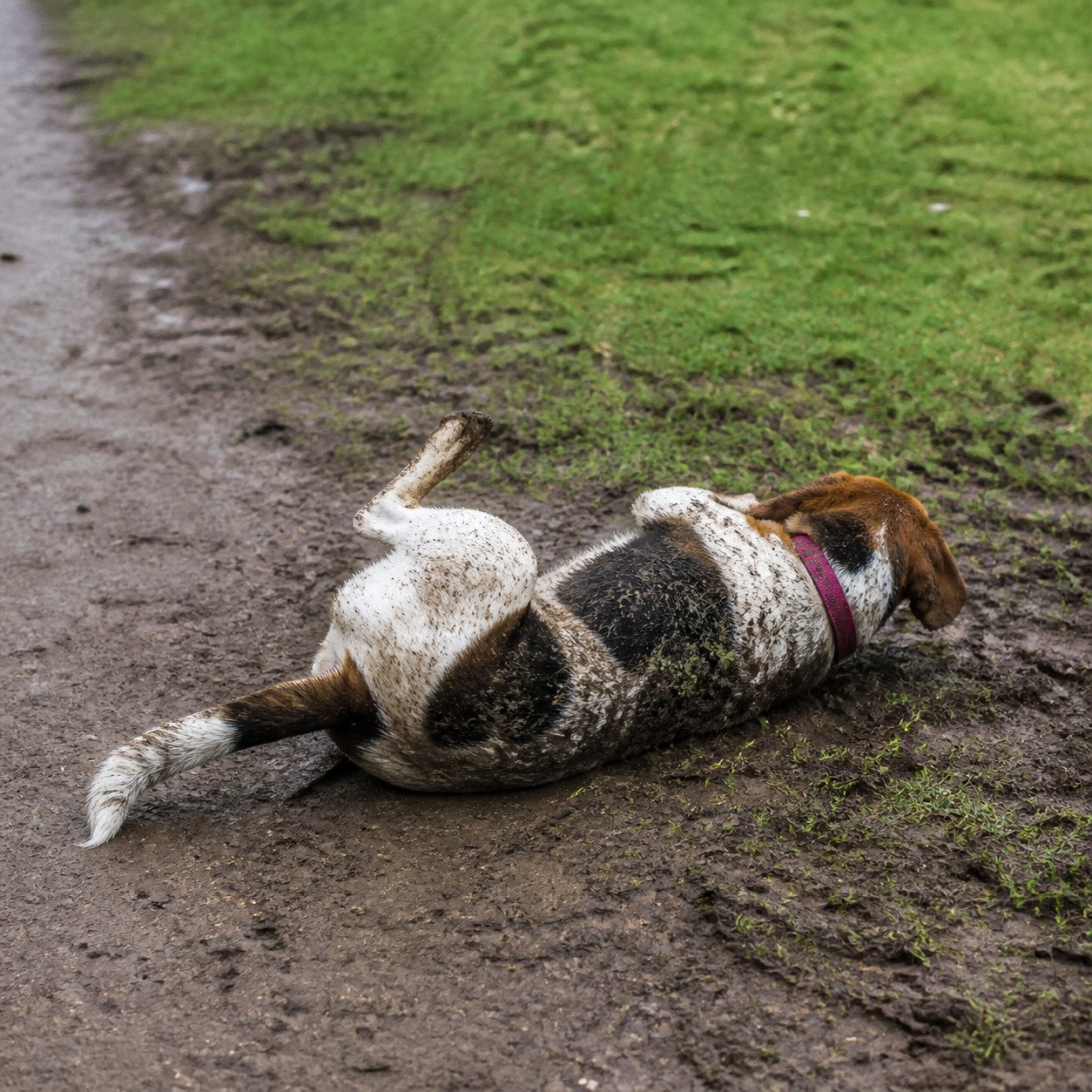
Some dogs live for it. There is a specific, delighted expression a dog makes mid-writhe, doing their summer version of a snow angel in a patch of dirt, that suggests pure contentment. Rolling in mud is deeply normal canine behavior. Dogs seem to enjoy the full-body back scratch of it, and some do it to burn off boredom or extra energy. The instinct is not a problem, and it is not something to shame out of them.
So here is the reassuring headline up top: the mud itself is not going to hurt your dog. What can hurt your dog is a short, specific list of things that sometimes live in mud, plus one thing that happens after the roll that owners routinely overlook. Know that list and you can let your dog be a dog.
What’s actually in the dirt, beyond dirt
The single biggest concern is a bacterium called Leptospira. It gets spread through the urine of wildlife, rodents, skunks, raccoons, and foxes, and it causes leptospirosis, an illness that can damage the kidneys and liver and, in serious cases, lead to organ failure. It can be fatal, and unvaccinated dogs are the most vulnerable. Leptospira especially loves standing water, so puddles, stagnant water, and old ponds are the higher-risk spots to watch. It is also zoonotic, meaning it can pass to humans through urine, which raises the stakes for the whole household. This is not a rare exotic threat, either; a busy emergency practice may treat several cases a year.
In parts of the Midwest, a soil fungus called Blastomyces is another worry. It sometimes causes a skin infection but more often leads to fungal pneumonia, which tends to start quietly with loss of appetite and weight loss before progressing to breathing trouble that can require hospitalization and antifungal drugs. These are the cases veterinarians dread, because they do not always end well.
Then there are the smaller, more common hazards. Damp, warm mud is a comfortable home for parasites, fleas, ticks, and mites, and it can hide intestinal worm eggs. Soil, grass, or mud treated with pesticides, herbicides, fungicides, or fertilizer can irritate the skin, and if a dog swallows those chemicals, it can cause anything from GI upset to outright poisoning. And ordinary bacteria, E. coli, Salmonella, and Campylobacter, become a real concern anywhere animal feces might be present, especially since a dog who rolls and then licks themselves clean can swallow enough to get a GI illness.
The aftermath most people forget: a wet coat
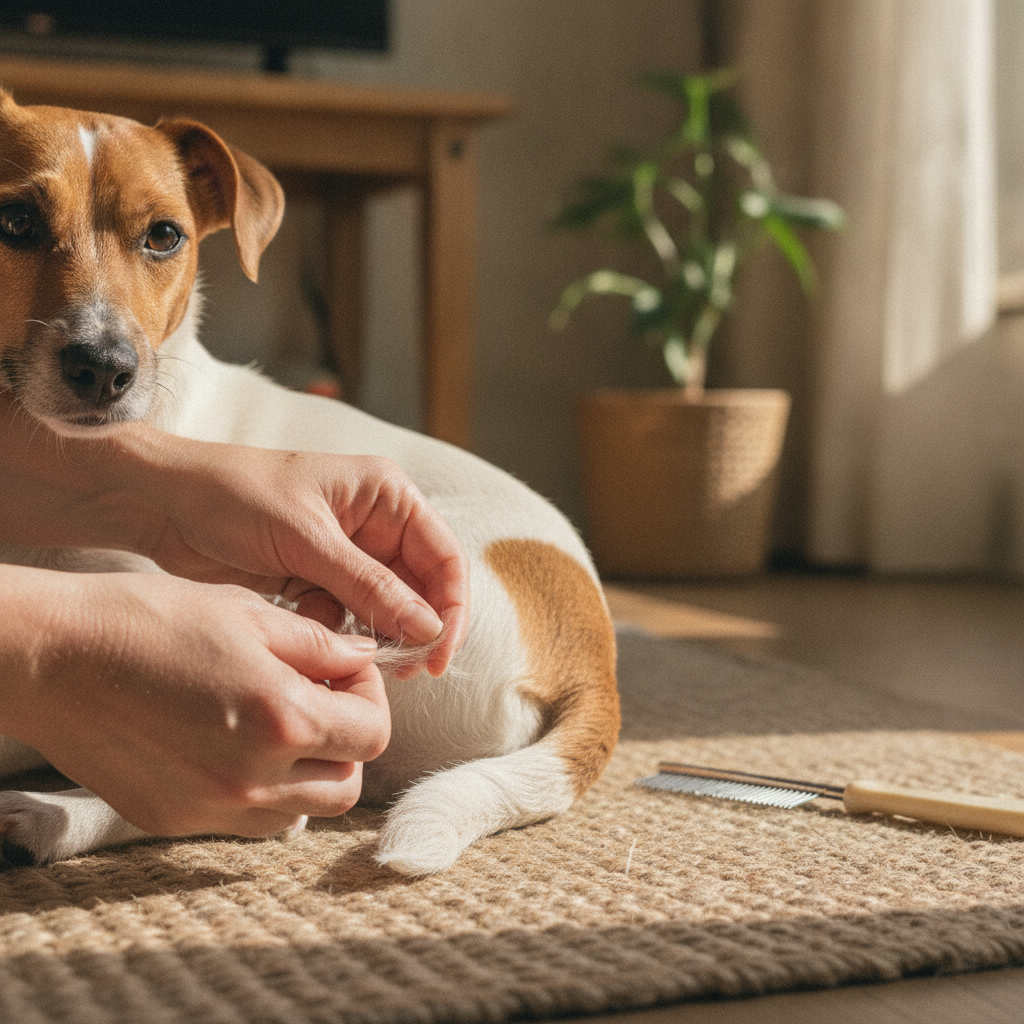
Here is the part that catches even careful owners off guard. The health risk is not always in the mud, it is sometimes in what you do, or don’t do, when your dog comes back inside wet. Moisture gets trapped easily in a dog’s undercoat, particularly on the belly and around the neck, and that warm, damp environment is exactly what opportunistic bacteria want. The result is an irritated, infected patch of skin, a hot spot, and they are miserable for the dog: painful, smelly, and more work to treat than people expect. Treatment can mean sedating the dog, shaving the area, cleaning and drying it, and a course of antibiotics. An emergency practice can see hundreds of these a year. The lesson is simple: if your dog comes in wet, dry them all the way down, not just the top coat.
How to keep the risk low without banning fun
You do not have to cancel mud season. A few habits carry most of the weight.
Supervise outdoor time, and use a leash when you need more control, so you actually know when your dog is rolling and in what. Keep parasite preventatives current, because that neutralizes a chunk of the risk list on its own. Remember that a muddy dog carries whatever they rolled in straight into the house if they are not washed promptly.
If your dog gets unsupervised yard time, do the yard’s part of the job: clean it regularly, choose dog-friendly fertilizers and lawn treatments, and make sure wildlife is not being tempted over the fence by food or uncovered trash. As for public spots, a well-maintained, fenced dog park with good sanitation, or a clean, sun-warmed beach, tends to be lower risk, because those places are less likely to hold wildlife waste, stagnant water, and the parasites and bacteria that come with them.
If you’d rather they didn’t roll at all
For a committed roller, punishment is the wrong tool. Scolding does not work because the dog does not understand that a natural behavior is “wrong,” so leaning on positive reinforcement is the way. Teach and use a “leave it” cue to redirect their attention before the rolling starts, and build up recall so you can call them off in time. If your dog starts to drop into a roll, calmly interrupt and immediately offer a treat or a favorite toy along with praise, so the better choice becomes the rewarding one. Redirecting into another outlet, a toy, a game, some agility work, gives that energy somewhere else to go. And for the truly dedicated, a dedicated sand pit filled with fresh play sand, or a ball pit built for dogs, can scratch the itch, just watch your dog while they use it to be sure they are doing it safely.
“Owners come in braced for me to tell them mud is dangerous, and it mostly isn’t,” says Dr. Priya Nair. “What I’d rather they take home is narrower: keep them vaccinated, keep them off standing water, and dry them completely afterward. Do those three things and rolling in the dirt is a joy, not a hazard.”
When you’ve already got a muddy dog
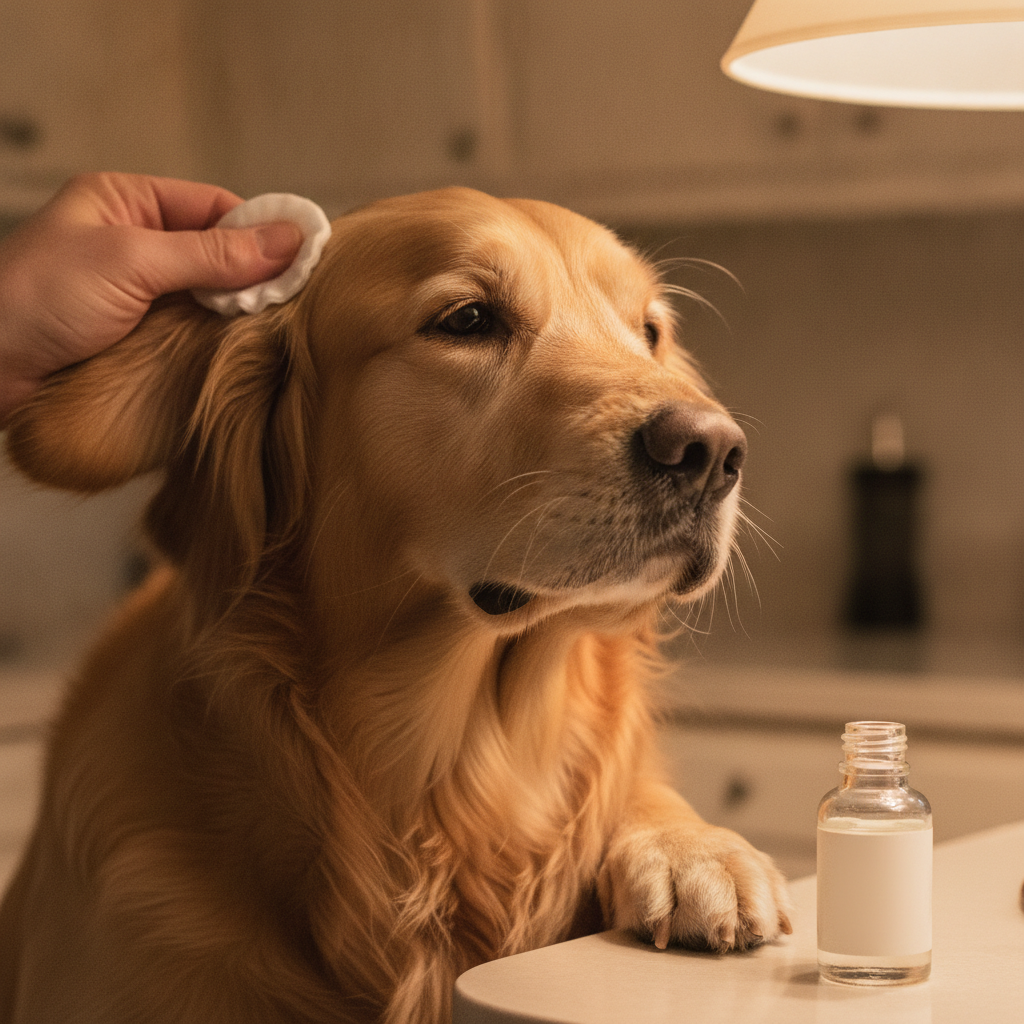
If the deed is done, match the cleanup to the mess. A light dusting might only need dog wipes. A genuinely filthy, smelly dog needs a bath, rinse the mud off, wash with a gentle dog-safe shampoo, and then dry them thoroughly. One caution the other direction: do not over-bathe. Washing a dog too often strips the skin’s oils and can leave them dry, itchy, and prone to infection, the very problems you are trying to avoid. A weekly or twice-weekly bath, when needed, generally causes no trouble.
The honest bottom line is that a dog rolling in dirt is a long way from a genuine health threat. It is normal behavior. Stay informed, put in the effort on a proper bath and a thorough dry, and let the rest go. Nobody is claiming mud kills dogs.
What’s new since this was written
The most important update concerns the number-one risk on this list. As of 2023, the American College of Veterinary Internal Medicine recommended that all dogs be vaccinated against leptospirosis annually, regardless of breed, lifestyle, or where they live, and by 2024 the American Animal Hospital Association reclassified the lepto vaccine as core, meaning it is now advised for essentially every dog. That is a real shift. Leptospirosis used to be framed as a concern mainly for rural or high-exposure dogs, which quietly let a lot of suburban and city owners assume their dog was not at risk. The current guidance says otherwise, which matters a great deal for the puddle-splashing, mud-loving dog this article is about.
If your dog is not currently vaccinated against leptospirosis, that is the single most useful conversation to have with your vet before the next muddy season.
This is general health information and not a substitute for veterinary advice; leptospirosis, blastomycosis, and chemical exposures can be serious, so consult your veterinarian about your dog and your area.
References
- American College of Veterinary Internal Medicine, 2023 consensus statement on leptospirosis in dogs.
- AAHA, “Update: AAHA guidelines designate Leptospirosis vaccine as core.” https://www.aaha.org/newstat/publications/leptospirosis-vaccination-recommended-to-be-core-for-most-dogs/
- AAHA, “2022 AAHA Canine Vaccination Guidelines: Recommendations for core and noncore canine vaccines.” https://www.aaha.org/resources/2022-aaha-canine-vaccination-guidelines/recommendations-for-core-and-noncore-canine-vaccines/