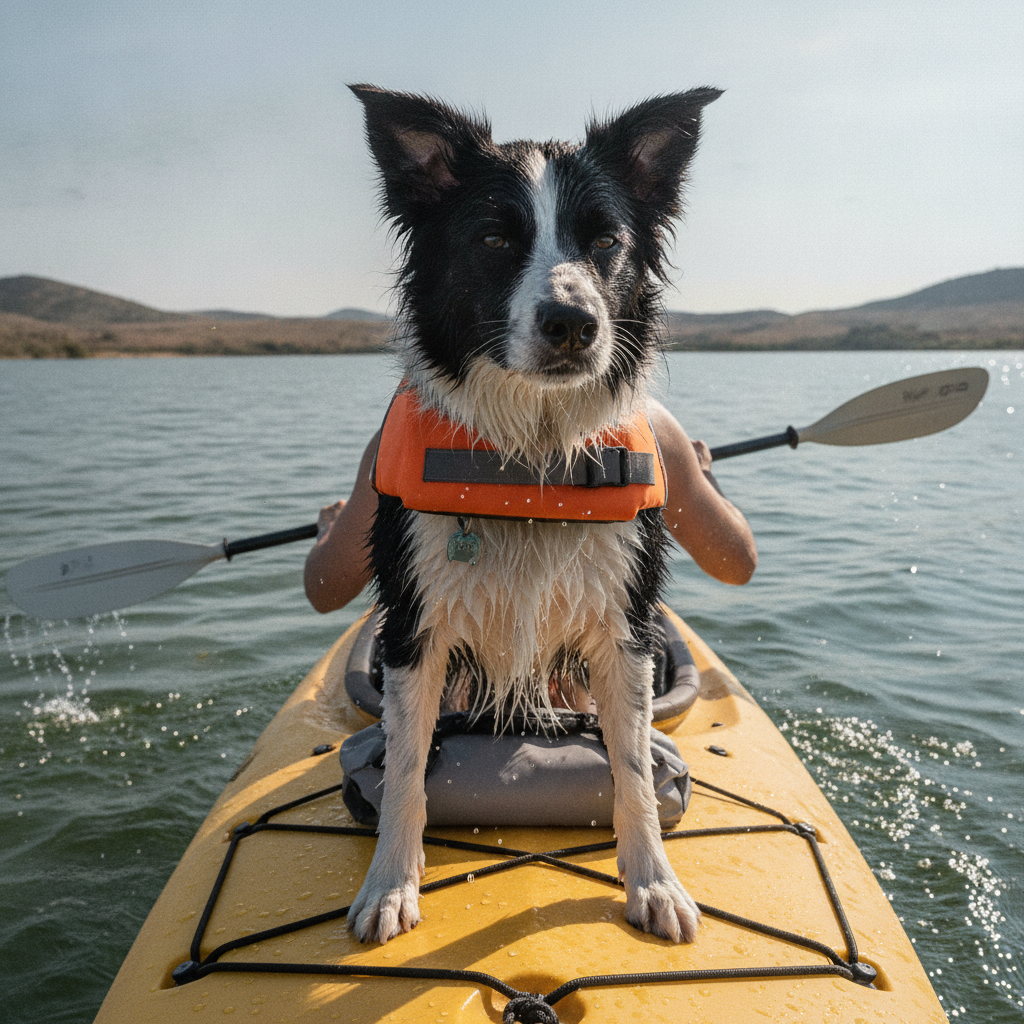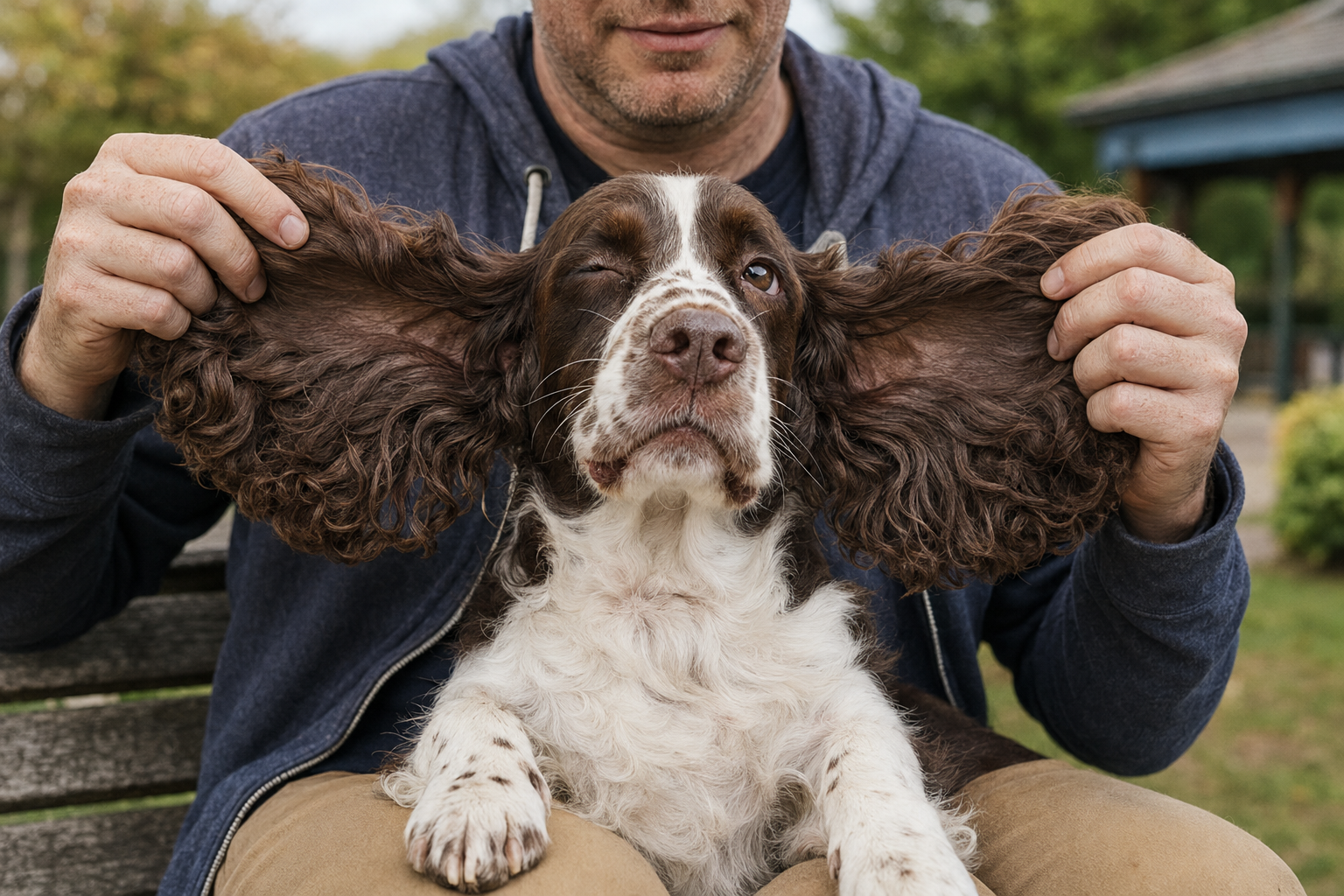
The marketing version of the location-independent life is a laptop on a balcony, a coffee at golden hour, and a dog dozing contentedly at your feet in a new city every few weeks. It is a lovely picture. It is also the easy 10 percent. The other 90 percent is logistics: vaccine timelines, import forms, hunting down the one apartment in town that takes pets, and learning to read your dog well enough to know when they have simply had enough of the road.
This is not a niche fantasy anymore. By 2024, about 18.1 million U.S. workers described themselves as digital nomads, roughly 1 in 10 American workers, and that number has grown more than 147 percent since 2019. Plenty of those people have a dog in the passenger seat. The good news is that traveling long-term with a dog absolutely works. The better news is that almost everything hard about it is a problem you can solve in advance, if you know what you are solving for.
The single biggest thing that changed: crossing borders
If your version of the dream involves leaving the country, start here, because the rules are newer than most advice online. As of August 1, 2024, the CDC overhauled its requirements for bringing any dog into the United States, and the changes apply even to U.S. dogs coming home from a trip abroad.
Every dog entering or re-entering the country must now be at least 6 months old, be microchipped with a chip a standard scanner can read, and appear healthy on arrival. At minimum, you need a CDC Dog Import Form, filled out online, with the receipt shown on your phone or printed at the border. That receipt is good for six months unless your dog visits a different country in the meantime. If your dog has been in a country the CDC considers high-risk for dog rabies, the requirements climb steeply from there, adding rabies vaccination records and, in some cases, a stay at an approved facility.
The practical takeaway: a dog under six months old cannot fly home into the U.S. right now, and “I’ll sort the paperwork at the airport” is a good way to get your dog denied boarding. Different countries layer their own rules on top. The U.K., for example, has long required a tapeworm treatment inside a specific window before entry, and much of the EU runs on a pet passport system. Check the destination and the route home before you book anything.
Your dog sets the pace, not your itinerary
The travelers who make this life work with a dog tend to say a version of the same thing: watch your dog, and do not push past what they can handle. One writer who has spent years crossing Europe with multiple dogs plans in deliberate rest days, keeps a routine as steady as the constant movement allows, and treats patience as a strategy rather than a nice-to-have. Another who has driven the U.S. for years with her Shar-Pei credits the calm, well-adjusted dog she travels with to keeping him a genuine part of every step, including the boring ones, like packing up the car.
That means learning canine body language well enough to catch stress early, the flattened ears, the lip licks, the sudden disengagement, before it becomes a shut-down dog in a strange Airbnb. If you want a genuinely useful primer on the small signals, Turid Rugaas’s On Talking Terms with Dogs: Calming Signals is the classic text, and it reads fast. Build recovery time into the plan the way you would build in charging your laptop.
What the job actually can be
If your employer already lets you work remotely, you are set. If not, the flexible route is freelance or contract work that lives entirely online: copywriting, graphic design, web development, coding, e-commerce, social media. None of it cares where you are, which is exactly the point, and all of it can be paused for an afternoon when your dog needs a real walk instead of a screen break.
Where to point the car
When in doubt, go bigger. Major cities tend to be far more dog-friendly than small towns, with more pet-welcoming rentals, more patios, and more parks per square mile. Asheville, North Carolina, gets singled out by nomads for how easy it is to bring a dog along there. Abroad, southern Italy has a reputation for waving dogs into nearly everywhere except grocery stores, while some regions are stricter about letting them into shops and restaurants at all. Do the homework per city, not per country, because the culture around dogs can shift dramatically within the same border.
The gear that earns its space
With no home base, you carry your dog’s whole support system, so pack for contingencies rather than convenience. The seasoned travelers lean on a compact kit: a canine first-aid kit, paw balm, a cooling vest, a jacket for cold snaps, foldable food and water bowls, and booties. Protecting the feet comes up again and again, and the rule of thumb is blunt: if the ground is too hot or too cold for your bare hand held against it, it is too much for your dog’s pads.
For long drives, the setup matters as much as the packing list. A dedicated dog bed, a crash-tested harness or seatbelt, window shades, and a way to keep air moving in the back seat turn a grueling haul into a tolerable one. Exactly what your dog needs will depend on the dog, the climate, and how you move, but the principle holds: you are now the entire infrastructure your dog used to have at home, so build it deliberately.
None of this is a reason to leave the dog behind. It is a reason to plan like the paperwork and the pace are the real trip, because they are. Get those right and the balcony at golden hour takes care of itself.
References
- MBO Partners. “2024 Digital Nomads Trends Report.” mbopartners.com/state-of-independence/digital-nomads-2024/.
- Centers for Disease Control and Prevention. “Bringing a Dog into the United States.” cdc.gov/importation/dogs/.
- American Veterinary Medical Association. “CDC Dog Importation Requirements: FAQs for Veterinarians.” avma.org/resources-tools/animal-health-and-welfare/animal-travel-and-transport/cdc-dog-importation-requirements-faqs-veterinarians.
- Rugaas, Turid. On Talking Terms With Dogs: Calming Signals. Dogwise Publishing, 2005.