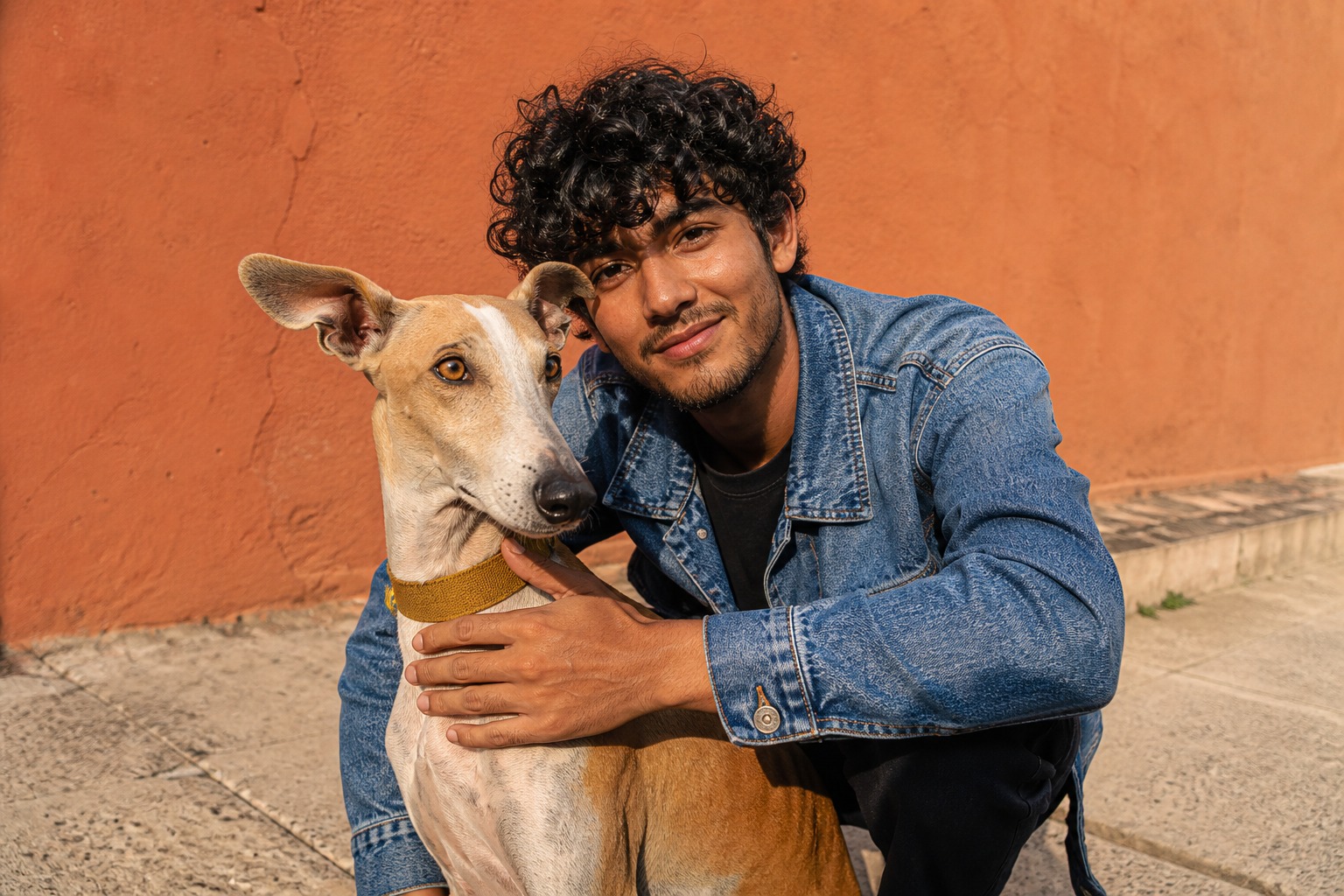
Every so often a dog stops a whole sidewalk. It moves a little differently, or wears a coat no one can name, and the question is always the same: what is that? Rare breeds have that effect. They’re a walking tour of how many shapes the dog has taken across the world, from cliff-hunting puffin dogs to dreadlocked livestock guardians.
But “rare” is not a bragging right, and this is the frame worth carrying through the list below. The very thing that makes these dogs fascinating, a small, distinctive breeding population, is also what makes them fragile. A narrow gene pool concentrates inherited disease, and most of these breeds were shaped for a demanding job, not for a couch or an Instagram grid. Admire them, absolutely. But understand what you’d be signing up for before you fall for one. First, some adopting reality: as living costs climb and shelters fill, wonderful dogs of every kind, mixes, purebreds, even doodles pulled from bad breeding operations, are waiting in rescues right now. Rarity is a curiosity, not a reason to skip the shelter.
What “rare” actually means, and why it’s risky
A rare breed is generally marked by a small worldwide breeding population, spotty distribution across part or all of the globe, and a distinctive set of physical or mental traits. Simple enough. The complication is what that scarcity does over time.
“The romance of a rare breed and its biggest liability are the same fact: there just aren’t many of them,” says Dr. Amara Solis. “A shrinking population forces breeders toward closer and closer matings, and every time that happens you raise the odds of doubling up on a harmful gene. The breed’s survival depends entirely on people staying interested enough to keep breeding it thoughtfully.”
That’s the tension. Interest keeps a rare breed alive; a thin gene pool threatens its health. The best breeders manage both, and the responsible ones will talk openly about the genetic diseases their breed carries. With that in mind, here are 13 rare breeds and what each is actually like.
Rather than march through them alphabetically, it helps to group these dogs by why they’re rare, because the reason shapes what living with one is like. We’ll start with the breeds hanging on by a thread, move through the hyper-specialists bred for one strange job, then the runners and finally the guardians.
The nearly-gone: breeds hanging on by a thread
Azawakh. The Azawakh is the rarest of the rare, with an estimated population of only about 1,000 worldwide. A West African sighthound with long limbs and a lean torso, it was bred as a guardian, so it’s naturally watchful and protective. With careful early socialization and training, it can be a devoted family dog, but its aloof, alert nature is baked in.
Otterhound. The Otterhound was built to hunt otters in the rivers of England, a pursuit now outlawed there. Everything about it is adapted to water: webbed feet, an oily coat that repels moisture, and a large black nose that can follow a scent trail underwater over long distances. It’s a big, shaggy, medieval-lineage dog that’s intelligent, friendly, and generally good with families, and it’s also one of the most endangered breeds on the planet.
Skye Terrier. Low to the ground under a long, silky coat, the Skye Terrier was developed on Scotland’s Isle of Skye to go after badgers and foxes. Today it’s one of the most endangered breeds in the United Kingdom. It retains a strong prey drive and an independent, sometimes stranger-wary streak, so early socialization matters, but it remains a devoted companion with a surprising amount of terrier grit.
The specialists: bred for one strange job
Norwegian Lundehund. Bred to scale sea cliffs and hunt puffins, the Lundehund is a marvel of specialized anatomy: six toes on each foot, ears that fold shut, and a neck with extraordinary mobility, all of which helped it work treacherous rock faces. It’s loyal, bright, and trainable, but it also carries a serious breed-specific risk, a gastrointestinal disorder known as Lundehund syndrome that causes vomiting, diarrhea, and progressive weight loss. This is a breed where the health conversation is non-negotiable.
Telomian. The Telomian is a Malaysian breed developed for protection and vermin control, and it comes with a genuinely unusual skill: it can climb the ladders of the stilted jungle houses it was bred alongside. Alert, intelligent, and loyal, it’s a hunter of rats and snakes with an agility most dogs never develop.
Komondor. Instantly recognizable, the Komondor wears long, mop-like white dreadlocks over a physically powerful frame. Bred to guard livestock, it’s intelligent and readily trainable when given a real job to do. This is an agile, active, deeply devoted dog, and also one that wants purpose; a Komondor without work to occupy its considerable mind can become a handful.
Bergamasco Sheepdog. This large Italian herding dog is best known for its coat, which naturally mats into thick, felted “flocks” as it grows. Intelligent and devoted to its people and its charges, the Bergamasco can live indoors comfortably as long as its needs for exercise and mental work are met. Meet them, and you get a calm, loving family dog under all that hair.
The runners: sighthounds built for speed
Sloughi. A lean North African sighthound, the Sloughi (say sloo-ghee), also called the Arabian Greyhound, was built to run down prey with speed and stamina over distance. Like most sighthounds it’s a tall, short-coated dog with a quiet, gentle streak, and it needs a real burst of daily exercise between its long naps. A yard to run in and time for long walks aren’t optional.
Ibizan Hound. A tall, elegant Spanish sighthound once used for hunting, the Ibizan is energetic, intelligent, and affectionate. Like other sighthounds, it hunts by sight and speed rather than scent, and it comes with the usual sighthound features: a high prey drive, an ability to clear tall fences from a standstill, and a sensitivity that makes gentle, positive training essential. It needs serious daily exercise to stay content.
Peruvian Inca Orchid. As unusual as its name, the Peruvian Inca Orchid is a noble, reserved sighthound that’s a little wary of strangers but deeply affectionate and loyal to its own people. Sensitive and intelligent, it learns quickly with gentle methods and is generally calm at home, needing only moderate daily exercise. It also comes in a hairless variety, which brings its own skin-care demands.
The guardians: powerful, wary, not for beginners
Thai Ridgeback. Believed to trace back roughly three millennia to Thailand, where it worked as a guardian, the Thai Ridgeback is a medium-sized athlete with a distinctive strip of hair growing in reverse down the spine. Loyal, strong, intelligent, and fiercely independent, it needs early socialization and steady training. Skip that, and its energy and protective streak can curdle into behavior problems at home. It’s a dog for experienced owners with room to exercise.
Fila Brasileiro. The Fila Brasileiro, or Brazilian Mastiff, is a giant whose ancestors hunted, herded, and stood guard, and it is emphatically not a casual owner’s dog. Powerful and driven by strong protective instincts, it must be handled by someone experienced; in the wrong hands, that same instinct makes it genuinely dangerous. This is a breed to respect and, for most people, to admire from a distance.
Tibetan Mastiff. Heavy-coated and strong-willed, the Tibetan Mastiff is a guardian whose thick double coat was made for brutal Himalayan winters. Its job was protecting flocks and monasteries, so it’s loyal to its own people and deeply suspicious of outsiders, which makes early, thorough socialization essential. Intelligent and independent, it decides for itself how much it agrees with you, so it rewards patient, confident owners and overwhelms everyone else.
The thread that connects all thirteen
Group them any way you like and one fact keeps surfacing: these are, overwhelmingly, dogs bred to do hard, specific work, guarding, hunting, herding, in harsh places. Their instincts are strong precisely because their ancestors had to be good at one demanding thing. Give a rare working breed a job, structure, and exercise, and you often get a spectacular companion. Deny it those things and treat it as a novelty, and the same instincts turn into problems.
The bottom line
Rare breeds offer a fascinating window into how humans shaped dogs to meet needs for food, protection, and survival across wildly different landscapes. But owning one comes with extra responsibility, and it isn’t for everyone. Too many rare dogs are bought as status symbols, expensive proof of taste rather than companions someone is equipped for. Some are wolf-hybrids restricted by insurers. When their real needs for exercise, stimulation, and management go unmet, the results are bad for the dog and sometimes for the people around it. If a rare breed genuinely fits your life and experience, wonderful. If it’s a flex, reconsider.
What’s new since this was written
The tools for protecting these fragile breeds have improved a lot. Genetic-diversity testing, offered through programs like UC Davis’s Veterinary Genetics Laboratory and consumer services such as Embark, now lets breeders measure a breed’s remaining genetic variation and choose pairings that widen rather than narrow the gene pool. For a breed hanging on with a few hundred or a few thousand individuals, that kind of data-guided breeding is one of the more promising developments in years.
There’s also more formal support for at-risk breeds. Registries maintain foundation-stock and preservation programs specifically to help rare breeds build healthier, better-documented populations, and several breed clubs now publish open health databases so buyers can see what’s actually being tested for. If you’re drawn to a rare breed, ask a breeder directly about genetic-diversity and disease testing, the good ones will already have answers ready.
References
- American Kennel Club. “Foundation Stock Service.” Accessed September 2026. https://www.akc.org/register/foundation-stock-service/
- UC Davis Veterinary Genetics Laboratory. “Genetic Diversity Testing.” Accessed September 2026. https://vgl.ucdavis.edu/
- The Kennel Club (UK). “Vulnerable Native Breeds.” Accessed September 2026. https://www.thekennelclub.org.uk/breed-standards/vulnerable-native-breeds/