


The Alzheimer's Drugs Did Nothing. Playtime Grew Their Brains.
A three-year study set out to test two Alzheimer's drugs on aging dogs. The drugs flopped. What actually grew the dogs' memory center was the part nobody was measuring: daily play, exercise, and company.

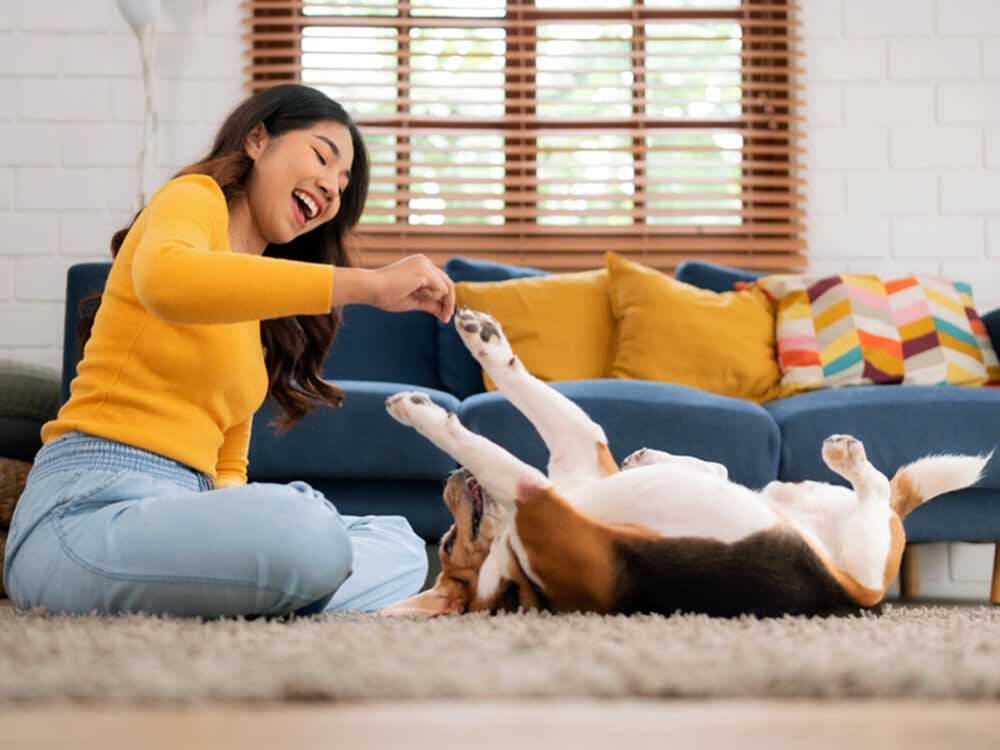
Here is the twist buried in a study that was supposed to be about medicine: the medicine did nothing, and the thing the researchers weren’t testing did almost everything.
The trial followed a group of dogs for three years to see whether two drugs, both hoped to slow Alzheimer’s-type decline, could protect an aging brain. The drugs made no measurable difference. But every dog in the study, on the drug or on the placebo, got the same daily routine of exercise, toys, group play, and company. And across the board, a memory-critical part of their brains did something brains are not supposed to do as they age. It got bigger.
What the researchers were really watching
The study tracked forty-five healthy Beagles who were six years old, middle-aged for the breed, when it began. They were split into three groups: one on a placebo, two on the experimental Alzheimer’s compounds. Over three years the dogs got regular MRI scans that measured the size and shape of their brains, plus cognitive tests on memory and on telling sizes and colors apart.
The headline the team expected to write was about the drugs. That headline never happened. The placebo dogs and the medicated dogs came out the same. If you only looked at the medication, the study was a null result.
The part nobody was medicating
The interesting signal was in the hippocampus, the region tied to memory and learning and one of the first places to lose tissue in the early stages of Alzheimer’s, in people and in dogs alike. In earlier work, Beagles this age showed the hippocampus shrinking over time. In this study it grew, at an average of about 1.74 percent a year, and it grew in every group.
The only thing every group shared was the enrichment: the social time, the exploration, the physical exercise, the sensory stimulation. The lead author, Jessica A. Noche, pointed to exactly that combination as the likely reason the brains gained tissue instead of losing it, noting that all of those activities are known to drive real neurobiological change.
We spend a lot of energy looking for a pill that protects an aging brain, and here the pill was the least interesting thing in the room. A walk, a sniff around a new place, a game with someone your dog loves, that is not a nice-to-have for a senior dog. In this study it was the active ingredient.
Why middle age is the moment that matters
The other line worth holding onto is about timing. Noche described middle age as a promising window for this kind of behavioral intervention, which is a careful way of saying it is not too late. These dogs were already six when the enrichment started paying off. It means the dog you adopt at seven, or the couch-loving nine-year-old you already have, can still benefit from more movement and more engagement starting now.
And the payoff runs both directions. Older people who live with dogs tend to have lower rates of dementia themselves, most likely because a dog pushes you to move and to be social. Time with a dog also raises oxytocin, which is linked to lower stress and a steadier sense of wellbeing. The game of fetch is doing quiet work on two brains at once.
What this doesn’t mean
It does not mean play cures or prevents canine dementia, and it does not mean you can skip the vet if your senior dog starts pacing, getting stuck behind furniture, forgetting house training, or seeming lost in familiar rooms. Those are signs of canine cognitive dysfunction and they deserve a real workup, because some of what looks like “just getting old” is treatable. Enrichment is protective, not a substitute for care.
What it does mean is that the most powerful brain-health tool for your dog is not sold in a bottle. It is the twenty unhurried minutes you were already thinking about skipping.
What newer research adds
The direction of travel since this trial has only reinforced it. Large long-term projects following thousands of companion dogs as they age have continued to link an active, socially rich life with slower cognitive decline, and researchers increasingly treat physical activity and mental stimulation as modifiable risk factors for canine dementia rather than vague lifestyle advice. Vets are now more likely to “prescribe” enrichment directly: food puzzles, scent games, new walking routes, and regular social contact, especially for dogs entering their senior years.
The practical version is simple. Rotate a couple of toys so they feel new. Let walks include real sniffing time instead of a forced march. Teach an old dog a small new trick now and then. Keep other dogs or trusted people in the picture. None of it is expensive, and the evidence keeps saying it is some of the best medicine a middle-aged or senior dog can get.
References
Not a substitute for your vet. Our guidance is educational. For urgent symptoms, contact a vet or emergency clinic right away. Editorial standards
Dr. Mehta is a board-certified veterinary nutritionist who evaluates pet food formulations, ingredient quality, and the science behind dietary trends. He writes and reviews all nutrition content at The Pet Times, including our food rankings and feeding guides.
Meet our experts ↗Keep reading
 Health & WellnessNobody Prepares You for Your Dog Getting Old. Start Here.Dr. Lena Park · 8 min
 Health & WellnessYour Old Dog Doesn't Want to Rest. Their Brain Wants a Puzzle.Dr. Nina Kohl · 6 min
 LivingThe Only People Who Should Own a Husky Walk 11 Miles a DayMarcus Webb · 7 min
 LivingThe Doodle Was Sold to You on Three Promises. The Data Backs None of ThemDr. Mara Chen · 9 min
 LivingYour Senior Dog Isn't Slowing Down. He's Bored.Dr. Nina Kohl · 8 min
 TrainingSix Weeks of Crate Rest Will Break You Both. Give the Dog a Job Instead.Dr. Nina Kohl · 8 min