Here is the sentence that should reset how you think about leptospirosis: the leading veterinary experts now say every dog is at risk, no matter where they live, what they do, or the time of year. That is a blunt reversal of the advice most owners absorbed a decade ago, which sorted dogs into “high-risk” hunters, farm dogs, and lake swimmers on one side and everybody’s apartment companion on the other. The apartment companion was supposed to be safe. They are not, and the last few years of case data are the reason the guidance changed.
Lepto is a bacterial infection that damages the kidneys and liver, spreads from animals to people, and can kill a healthy dog in a matter of days if it is missed. It is also very treatable when it is caught early. The gap between those two outcomes is almost entirely about whether you saw it coming. So this piece is built around one idea: the risk map for this disease has been redrawn, and the dog most likely to be under-protected today is a small dog in a city.
Why the city is the new hot zone
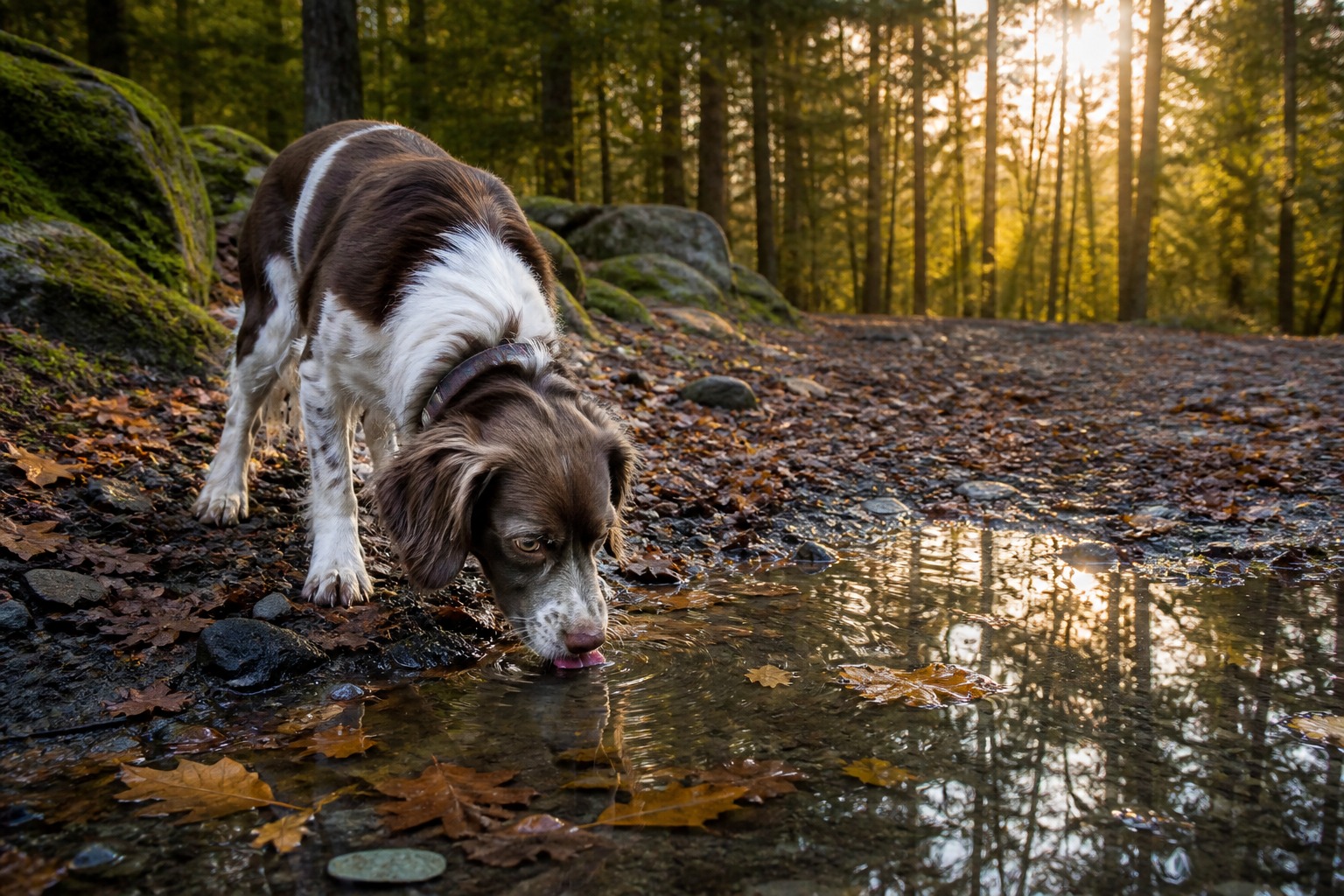
The bacteria that cause lepto live in the urine of infected animals, and the animal doing most of the spreading is not a raccoon in the woods. It is a rat. Rats shed the bacteria into soil and standing water, where it can survive for months given warmth and moisture. Dry pavement kills it quickly, but a warm puddle, a clogged gutter, a shared water bowl outside a coffee shop, or a kiddie pool at a crowded daycare is a near-perfect reservoir.
Put those facts next to where rats actually thrive, and the picture flips. Dense neighborhoods, alleys, parks, and construction sites concentrate rodents and standing water in exactly the places a leashed dog sniffs, wades, and drinks. Recent outbreaks in major cities have sickened both dogs and their people, and the incidence has been climbing in urban and suburban areas rather than shrinking. Puppies as young as 11 weeks, senior dogs, and small breeds from city apartments have all turned up in case reports. The five-pound dog who never leaves the block is not exempt. They are simply closer to the rats.
“The single biggest mistake I still see is an owner assuming their dog is too small, too pampered, or too urban to be at risk,” says Dr. Ravi Mehta. “That belief is exactly what leaves a dog unprotected. If your dog walks past a puddle in a city, they meet the same bacteria a hunting dog does.”
What it does inside the body
Once the bacteria get in, through the gums, nose, eyes, a break in the skin, or a swallow of dirty water, they travel to the kidneys and liver and start doing damage. In the worst cases the disease moves fast and turns fatal quickly. When severe signs appear suddenly, survival is roughly a coin flip, and untreated cases can progress to failing kidneys, a failing liver, and death. Some dogs lose the ability to clot properly because the liver is so compromised that they need a blood or plasma transfusion.
The frustrating twist is that most infections are milder than that. Many dogs show few or no signs and never get truly sick. That sounds like good news, and for the individual dog it often is, but it is also why the disease is so easy to underestimate. The quiet cases keep shedding bacteria into the environment, and the dangerous cases can look, at first, exactly like a dog who ate something bad.
The symptoms that should send you to the vet today
Early lepto is a master of disguise. The first signs overlap with a dozen ordinary illnesses:
- Fever
- Lethargy and weakness
- Loss of appetite
- Muscle stiffness or soreness
- Vomiting
- Diarrhea
The sign that should raise the alarm loudest is jaundice, a yellow tint to the gums or the whites of the eyes, which points to the liver. Increased thirst and urination, or the opposite, a dog who suddenly stops peeing, can signal the kidneys are in trouble. None of these symptoms alone proves lepto. But when several stack up over a day or two, especially after a rainy stretch, treat it as urgent and call your vet the same day rather than waiting it out.
Why diagnosis takes patience
Because lepto mimics so many other conditions, a vet usually cannot confirm it the moment your dog walks in. What raises suspicion is bloodwork and a urinalysis showing liver and kidney numbers that read high, and occasionally an abnormal white-blood-cell count. If those look concerning, your vet sends specialized blood and urine samples to a lab, and results can take several days to return. Because the disease can move faster than the paperwork, vets often start antibiotics right away, before the lab confirms anything, on the theory that waiting is the bigger risk.
The takeaway for you as an owner is simple: do not expect an instant yes-or-no answer, and do not lose faith if treatment begins before the diagnosis is official. That is standard, careful medicine, not guesswork.
What actually lowers the risk
Prevention runs on two tracks, and you want both.
The first is limiting exposure. Keep your dog away from standing water and areas heavily used by wildlife and rodents. On hikes, steer clear of stagnant ponds and stretches obviously trafficked by animals. At home, clear your yard of pooled water and promptly clean any spot where a pet has peed. In the city, where rats are simply a fact of life, skip the puddles and do not let your dog drink from communal bowls left out at dog parks or storefronts, since you have no idea when that water was last changed or the bowl last cleaned.
“Think of a shared outdoor water bowl the way you’d think of a public drinking fountain with no working handle, sitting in the sun all day,” says Dr. Ravi Mehta. “Bring your own water on walks and let your dog drink from that. It’s a small habit that removes one of the most common exposure points I see.”
The second track is the vaccine, and this is where the guidance has changed the most.
The vaccine advice you grew up with is out of date
For years the lepto shot was treated as optional, reserved for “high-risk” dogs, and owners were told to weigh whether their dog really needed it. That framing no longer matches expert recommendations. In 2024, leptospirosis was elevated to a core vaccine recommended for most dogs, joining the short list of shots nearly every dog should get, after veterinary consensus panels concluded that all dogs face meaningful risk regardless of size, location, lifestyle, or season.
Two honest caveats still apply, and understanding them prevents a false sense of security. The vaccine protects against four of the most common bacterial groups, not every strain that exists, so a vaccinated dog can still, rarely, catch a type the shot does not cover. And immunity fades within about a year. Together those facts explain why the current advice is an annual booster for essentially all dogs, rather than a single shot you can forget about. Talk with your vet about your dog’s specific exposure and the strains common in your area, and build a yearly protocol around it.
What’s new since the old guidance
If your dog’s lepto protection was shaped by advice from a few years ago, it is worth a fresh conversation with your vet. The headline change is that lepto moved from a “maybe, if your dog is high-risk” vaccine to a core recommendation for most dogs, driven by evidence that the disease is spreading in cities and suburbs and reaching dogs, including small urban ones, who were previously assumed to be safe.
The practical upshot is small and doable. Ask whether your dog is current on the lepto vaccine, plan on a yearly booster rather than a one-time shot, and carry your own water on walks so your dog never has to drink from a mystery puddle or a communal bowl. Those three habits close most of the gap that this redrawn risk map opened up.
References
- Updated ACVIM consensus statement on leptospirosis in dogs (Journal of Veterinary Internal Medicine, 2023)
- AAHA guidelines designate leptospirosis vaccine as core for most dogs
- Updated guidance on canine leptospirosis reflects better understanding of disease (American Veterinary Medical Association)
- An Update on the Diagnosis and Management of Leptospirosis (Today’s Veterinary Practice)
This article covers a serious, fast-moving illness. It is general information, not a substitute for veterinary care. If you think your dog may have leptospirosis, contact your veterinarian right away.