


One Common Bouquet Flower Can Put a Cat in Kidney Failure. Here's the Full List.
A single lily can be fatal to a cat, but plenty of gorgeous flowers are perfectly safe. The toxic ones to banish, the cat-friendly ones to fill your vases with, and exactly what to do if your cat takes a bite.

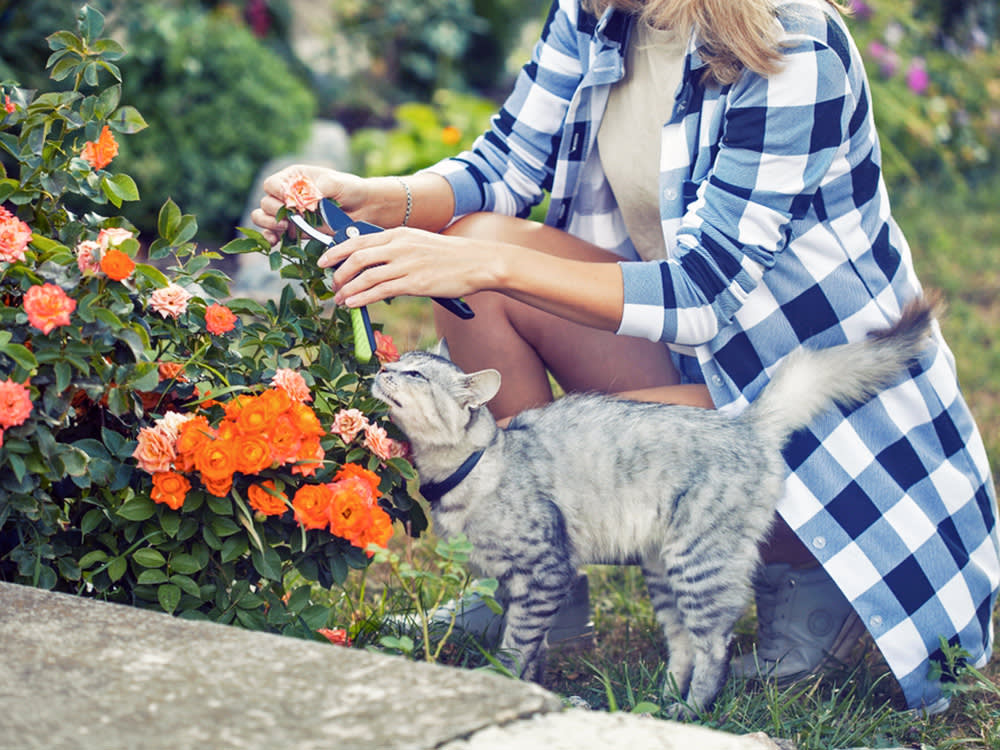
Almost everyone loves flowers. We give them, grow them, press them, cook with them, and fill our homes with them. And almost everyone with a cat has, at some point, watched their cat sidle up to a fresh bouquet with the unmistakable intent of taking a bite. That collision, our love of flowers and our cats’ love of chewing on them, is worth taking seriously, because a few common blooms are genuinely dangerous to cats, and one of them is dangerous to a degree that surprises even careful owners.
You will never memorize the entire list of toxic plants, because it is enormous. The more useful skill is knowing which flowers pose the real threats, which ones are safe to bring home, and exactly what to do in the moments after a curious cat gets into something. Let’s start with the single most important thing to understand.
The one flower to never bring home: lilies
If you remember nothing else, remember lilies. True lilies are in a category of their own when it comes to feline danger. Every part of the plant is extremely toxic to cats, and the result can be acute kidney failure. This is not a mild-tummy-ache situation. A cat can be poisoned by nibbling a leaf, chewing a petal, licking pollen off its fur, or even drinking the water from a lily vase, and the exposure needed to cause harm is small.
For a cat household, the only safe amount of lily is zero. If a bouquet arrives with lilies in it, the responsible move is to get the lilies out of the house entirely rather than trying to place them somewhere “high enough.” Cats are climbers, pollen travels, and the stakes are simply too high.
The rest of the toxic list, ranked by severity
Beyond lilies, the ASPCA maintains a database of more than 700 flowers and plants that can poison cats. A few produce nothing worse than a queasy stomach; others can kill. Here is a working sample of the common offenders, sorted by how much they should worry you.
Highly toxic:
- Lilies (all parts): extreme kidney-failure risk, as covered above.
- Oleander: serious gastrointestinal distress and effects on the heart.
- Azaleas and rhododendrons: GI distress plus potentially life-threatening heart disease.
- Foxglove: dangerous heart arrhythmias, and death in serious cases.
- Daffodils: particularly toxic, causing severe vomiting and tremors.
Moderately toxic:
- Tulips: GI upset, with the bulb being the most dangerous part.
- Hyacinths: GI upset, including drooling.
- Chrysanthemums: GI upset plus skin irritation.
- Amaryllis: vomiting, lethargy, and tremors.
- Baby’s breath: mild GI upset.
- Carnations: mild vomiting and drooling.
That is a sample, not the whole roster. Hundreds more exist, which is why the practical habit is to check before you bring an unfamiliar flower into a cat’s space rather than trying to hold the entire list in your head.
The good news: plenty of flowers are safe
Here is the part that makes cat ownership and a love of flowers compatible. You can still give and receive bouquets, decorate, and craft, as long as you build around cat-safe blooms. A reliable sample of flowers considered safe for cats includes:
- Roses (Rosa spp.)
- Sunflowers (Helianthus spp.)
- Gerbera daisies (Gerbera jamesonii)
- Snapdragons (Antirrhinum majus)
- Zinnias (Zinnia spp.)
- Marigolds: calendula (pot marigold) is safe, though French and African marigolds can cause mild irritation and are best avoided
- Petunias (Petunia spp.)
- Orchids: most, including moth orchids (Phalaenopsis), are safe
- Asters (Aster spp.)
- Celosia (Celosia spp.)
- Bachelor’s buttons (Centaurea cyanus)
- Alstroemeria (Peruvian lilies): despite the name, these are not true lilies and are generally safe, though they may cause mild GI upset in large amounts
- African violets
- Pansies
- Bottlebrush
- Impatiens
Flowers cats actually enjoy
Some plants are not just safe but genuinely appealing to cats, which lets you redirect that chewing instinct toward something harmless:
- Catnip (Nepeta cataria): the classic, and its flowers are safe to nibble.
- Valerian (Valeriana officinalis): calming to humans, stimulating to many cats, catnip-style.
- Cat thyme (Teucrium marum): another feline stimulant, often a hit with cats who ignore catnip.
- Lavender: tolerable in small quantities, though the strong smell keeps most cats away on its own.
- German chamomile: gentle and calming; just steer clear of Roman chamomile, which can provoke a mild reaction.
- Licorice root: a flavor cats tend to enjoy, with anti-inflammatory benefits as a bonus.
- Cat grass: wheat, oat, or barley grasses that cats enjoy nibbling; not a stimulant, just a satisfying chew.
- Lemongrass: a mild stimulant many cats find appealing.
If your cat takes a bite of something questionable
Time is the critical factor, so move quickly and work through these steps:
- Identify the flower. If you’re unsure, photograph it to show your vet or a poison hotline.
- Separate your cat from the plant, and remove the flowers if you can.
- Watch for warning signs, such as vomiting, diarrhea, drooling, lethargy, labored breathing, and tremors or seizures. Don’t wait for them to appear, though: certain toxins take hours or days to register, so a real exposure is an emergency whether or not your cat looks sick yet.
- Get a professional on the phone, either your vet or a poison hotline. The ASPCA Animal Poison Control Center is at (888) 426-4435 (they charge for the consult) and the Pet Poison Helpline is at (855) 764-7661. Have the flower’s name, the amount eaten, and your cat’s weight and any symptoms ready.
- Skip the home remedies, and never make your cat throw up unless a professional directs you to, because for some substances that does more damage than the poison itself.
- Do what the vet says, which may mean IV fluids to protect the organs, medication to control symptoms or head off complications, activated charcoal to soak up the toxin, or induced vomiting if they call for it.
- Take the flower with you so it can be identified.
Keeping curious cats away from your plants
If you want flowers and greenery in your home, a few tactics help keep your cat out of them:
- Choose cat-safe plants in the first place, the simplest safeguard of all.
- Keep toxic plants out of reach with hanging planters, a closed-door plant room, or high shelves.
- Create barriers using terrariums or plant enclosures.
- Use deterrents. Cats dislike the smell of citrus, vinegar, and certain essential oils like rosemary and lemongrass; just be sure any scent you use is cat-safe. Many cats also avoid aluminum foil, so covering the soil with foil can stop digging and urinating in pots.
- Offer cat-safe alternatives like cat grass or catnip to draw attention away from the off-limits plants.
- Dust a little black pepper or dry mustard powder at a plant’s base, two smells and tastes cats reliably reject.
- Keep them busy. A lot of plant-nibbling is just boredom, so toys, scratching posts, and regular play take the shine off your greenery.
- Redirect and reward. A calm “no” and redirection to a toy, followed by a reward when your cat complies, teaches better habits over time.
- Guard incoming bouquets. If a delivery contains toxic flowers, keep it out of reach or remove the offenders immediately.
Nobody knows for certain what draws cats to our flowers in the first place. Maybe it scratches a fiber itch, maybe it’s boredom, maybe a scent is just too good to ignore. Whatever the reason, the fix is the same: skip the truly dangerous plants, especially lilies, lean on the long list of safe and cat-friendly options, and keep the poison hotline number somewhere you can find it fast.
This is a health-and-safety topic. When in doubt about a specific plant or a possible exposure, call your vet or a poison control center rather than guessing.
References
- Fitzgerald, Kevin T. “Lily Toxicity in the Cat.” Topics in Companion Animal Medicine, vol. 25, no. 4, 2010, pp. 213–217.
- Milewski, Lynn M., and Safdar A. Khan. “An Overview of Potentially Life-Threatening Poisonous Plants in Dogs and Cats.” Journal of Veterinary Emergency and Critical Care, vol. 16, no. 1, 2006, pp. 25–33.
- ASPCA. Toxic and Non-Toxic Plants database.
- Pet Poison Helpline. Plant toxicity resources.
Common questions
Are roses safe for cats?
True roses are not toxic to cats. The cautions are physical, not chemical: thorns can injure a curious cat, chemically treated roses may be harmful, and some plants called 'roses,' like the Christmas rose or desert rose, are actually toxic. Verify the specific plant.
What should I do if my cat eats a flower?
Act fast. Identify the plant, remove your cat from it, and call your vet or a poison control hotline even if your cat seems fine, since some toxins take hours to days to show effects. Don't induce vomiting unless a professional tells you to, and bring the plant with you to the vet.
Not a substitute for your vet. Our guidance is educational. For urgent symptoms, contact a vet or emergency clinic right away. Editorial standards
Dr. Solis is a board-certified veterinary dermatologist with over twelve years of clinical experience. She advises on skin conditions, allergies, and grooming practices that affect coat and skin health. All dermatology and allergy content at The Pet Times is reviewed by her team before publication.
Meet our experts ↗Keep reading
 Health & WellnessMost 'Toxic' Plants Just Make Your Cat Drool. Two Genera Actually Kill.Dr. Nina Kohl · 9 min
 Health & WellnessYour Indoor Cat Will Never Get Out. Until the Night She Does.Dr. Amara Solis · 6 min
 LivingThe Best Thing in Your Cat's Life Is Also the Most DangerousDr. Priya Nair · 8 min
 Health & WellnessFoxtails Aren't Just a Dog Problem. For Cats They Can Be Deadly.Dr. Amara Solis · 5 min
 Health & WellnessYour Cat Begs to Go Outside. The Honest Case for Keeping Them In.Dr. Priya Nair · 8 min
 LivingShe Keeps 200 Houseplants and One Curious Cat. The Plants Are Winning.Leila Torres · 5 min