


Most 'Toxic' Plants Just Make Your Cat Drool. Two Genera Actually Kill.
The standard toxic-plant list treats a pothos and a lily as the same emergency. They are not remotely the same emergency. Here's the hierarchy that matters, sorted by what each plant can actually do to a cat.

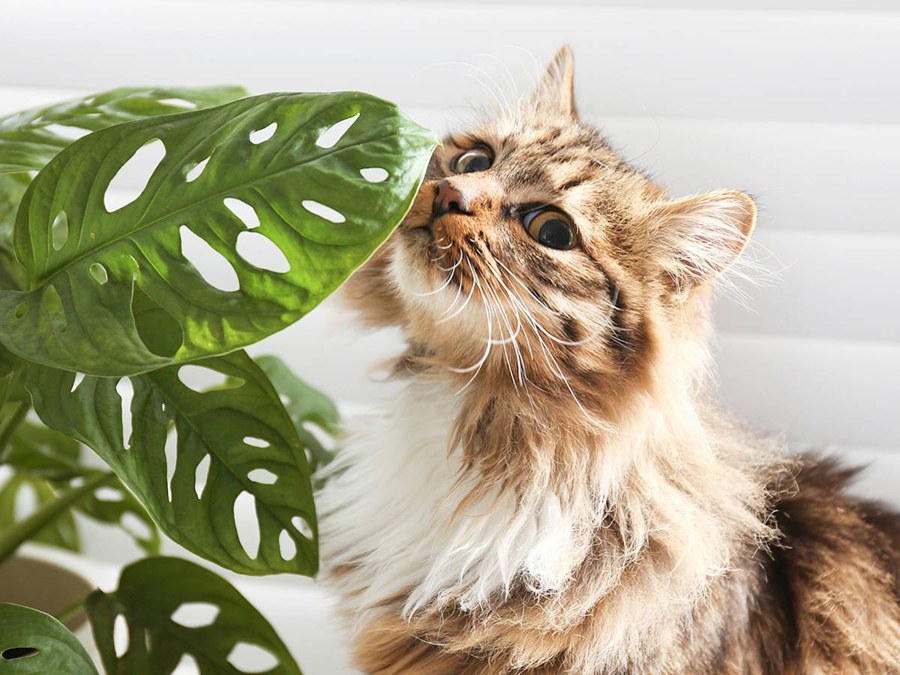
Here is the problem with the standard list of plants toxic to cats. It is alphabetical. It puts aloe next to amaryllis and lets you conclude that they present a comparable problem, and then it hands you thirty entries and a vague instruction to keep them out of reach.
That list is technically accurate and practically useless, because it flattens a hierarchy that runs from mildly unpleasant to your cat’s kidneys will fail by tomorrow night. A cat that nibbles a pothos will have a miserable mouth and probably a fine week. A cat that licks pollen off its own leg after brushing past a bouquet can be dead within days. Those are not the same fact, and filing them under the same heading is how people end up guarding the aloe while a vase of stargazer lilies sits on the counter.
So let’s re-sort the list by what these plants actually do.
Tier 1: The ones that can kill your cat
This is a genuinely short list. Learn it properly and you have done most of the work.
True lilies and daylilies
This is the big one. Members of the genus Lilium (Easter lilies, tiger, stargazer, Asiatic, Japanese show) and Hemerocallis (daylilies) cause acute kidney injury in cats. Not stomach upset. Kidney failure.
The dose required is appalling small. Every part of the plant is toxic: petals, leaves, stem, pollen, and the water in the vase. A cat that walks past an arrangement, gets pollen on its coat, and then grooms itself has eaten enough. Owners routinely miss this because they never saw the cat eat anything.
The timeline runs like this. Vomiting, lethargy, and loss of appetite in the first hours. Then, over roughly 12 to 30 hours, escalating thirst and urination as the kidneys are damaged. Then, within 24 to 48 hours, the kidneys can stop altogether.
Dogs, for what it’s worth, get away with a stomachache. This is a feline-specific catastrophe, and nobody is entirely sure why.
The rule: no true lilies in a house with a cat. Not on a high shelf, not in a closed room, not “just for the weekend.” Tell people who send you flowers. Florists will substitute on request.
Sago palm
A handsome, architectural little plant, sold cheerfully at garden centers, containing cycasin, a toxin that attacks the liver. The seeds are the worst part, but the whole plant is dangerous, and even small ingestions can cause vomiting, bloody diarrhea, liver failure, and death.
The heart-stoppers
A cluster of plants share a mechanism: cardiac glycosides, which interfere with the heart’s electrical rhythm.
- Oleander. Every part is toxic. Arrhythmia, tremors, collapse.
- Yew. Contains taxine. All parts toxic, including in tiny amounts. Vomiting, breathing difficulty, sudden fatal cardiac events.
- Lily of the valley. Not a true lily, and not a kidney problem, but a serious heart one.
- Kalanchoe. Contains bufadienolides. Vomiting and diarrhea in most cases, dangerous heart rhythms in bad ones.
Autumn crocus
Extremely toxic to cats, dogs, and people. Also called meadow saffron or naked ladies. Mostly an outdoor-cat risk, since it is rarely kept as a houseplant, but the danger is genuine: multi-organ damage.
Tier 2: The ones that hurt a lot and rarely kill
Here is where the majority of the classic toxic list actually lives, and understanding the mechanism will lower your blood pressure considerably.
A large family of common houseplants contains insoluble calcium oxalate crystals. Chewing releases them, and they physically embed in the mouth and throat. The result is instant, dramatic misery: pawing at the face, drooling, oral pain, swelling, difficulty swallowing, and often vomiting.
It looks like an emergency. It sounds like one. It is usually self-limiting, precisely because it hurts so much that the cat spits the plant out immediately.
Plants in this group:
- Peace lily (not a lily, does not touch the kidneys, name is a menace)
- Dieffenbachia, aka dumb cane, one of the harsher members of the group
- Pothos
- Philodendron, including the cutleaf variety
- Ceriman (monstera)
- Calla lily (also not a true lily)
Then a second group causing mostly gastrointestinal upset through saponins and related compounds:
- Snake plant (saponins; nausea, vomiting, diarrhea)
- Dracaena (saponins; vomiting, appetite loss, lethargy)
- English ivy and sweetheart ivy (triterpenoid saponins; vomiting, abdominal pain, drooling)
- Aloe (saponins and anthraquinones; vomiting, diarrhea, lethargy)
- Jade plant (vomiting, lethargy, incoordination; the toxic compound is still not identified)
- Asparagus fern (vomiting and abdominal pain; berries are the worst part)
- Chrysanthemum (pyrethrins; vomiting, diarrhea, drooling, skin irritation)
- Bird of paradise (hydrocyanic acid; oral irritation and GI upset)
- Ficus / fiddle-leaf fig (drooling, vomiting, appetite loss, lethargy)
- Cyclamen, sold as Persian violet (small bites cause vomiting; the tubers and roots are the genuinely dangerous part and can cause seizures)
A caution before you relax too far: this tier is less lethal, not safe. Cyclamen roots, a large dieffenbachia ingestion, or a cat that cannot swallow because its throat has swollen shut are all real veterinary problems. And a cat that stops eating and drinking for two days because its mouth hurts has a secondary problem regardless of the toxin.
Tier 3: The overrated ones
Poinsettia has a reputation it does not deserve. The milky sap irritates the mouth and stomach. Expect drooling and possibly vomiting. Expect, in almost every case, a full recovery. It is the most famous “deadly” holiday plant and one of the mildest things on this page.
Tier 4: The bulbs, which depend entirely on which part
Daffodils and tulips (genus Narcissus and Tulipa), hyacinth, and amaryllis share a pattern: the flowers and leaves cause relatively mild wobbliness, drowsiness, or stomach upset, and the bulb is where the real toxin concentrates. A cat chewing a fallen petal is a different situation from a cat digging up and eating a bulb, which can bring on respiratory distress, heart irregularities, and tremors.
Practical consequence: the danger window for these is planting season and any bag of bulbs left on the floor of the garage.
Marijuana, briefly
THC is not a plant toxin in the botanical sense, but it is in every list for a reason. Cats do not need to inhale to be affected. Ingestion can raise heart rate and, in serious cases, cause seizures or coma. Keep edibles, which combine THC with chocolate or xylitol often enough to double the problem, well out of reach. CBD products derived from hemp are a different question and a different conversation to have with your vet.
The realistic strategy: stop trying to out-place a cat
The standard advice, put the plant somewhere the cat can’t reach, was written by someone who owns a dog.
Cats operate in three dimensions. A high shelf is a destination. The top of the bookcase is a nap spot. If your plan depends on a cat’s inability to get somewhere, your plan has already failed and you simply haven’t been informed yet.
What actually works, in order of reliability:
- Remove Tier 1 entirely. Not relocate. Remove. This is the only category where absolutism is warranted, and it costs you almost nothing, because the list is short.
- Give the cat a legal target. A tray of cat grass or wheatgrass gives a plant-chewing cat something to chew that is not your monstera. This works far better than deterrence, because the urge is real and needs somewhere to go.
- Use physical barriers for Tier 2, not altitude. A closed terrarium, a plant cabinet, a room the cat genuinely cannot enter.
- Tell the humans. Partners, roommates, houseguests bearing bouquets, and the family member who thinks a florist’s arrangement is a nice gesture. Most lily disasters arrive as a present.
- Photograph your plants. Genuinely. If your cat is ever poisoned by something in your home, the single most valuable thing you can hand a vet is an identification. A folder of photos on your phone beats trying to describe a leaf shape from an exam room.
The question I need answered in the first five minutes is not what the symptoms look like, it’s what the plant was. With a lily, the difference between a cat that comes home and a cat that doesn’t is often just how fast someone identified the plant. Bring me a leaf. Bring me a photo. That’s the thing that changes the outcome.
Signs your cat has eaten something it shouldn’t have
Cats hide illness, so watch for changes rather than waiting for drama:
- Vomiting or persistent loose stools
- Excessive drooling or foaming
- Pawing at the mouth, or a red, swollen, painful mouth or tongue
- Refusing food, or sudden loss of interest in eating
- Lethargy or unusual weakness
- Difficulty breathing
- Tremors or seizures
- Increased thirst and urination (the kidney warning, and a serious one)
- Abdominal pain or discomfort
- Dilated pupils
When to go in immediately, no waiting
Some of the above buys you a phone call. Some of it buys you a car ride, right now. Go straight to a vet or emergency clinic for:
- Any known or suspected contact with a true lily or daylily, including pollen on the fur, with no symptoms at all
- Vomiting blood
- Seizures
- Difficulty breathing
- Loss of consciousness
- Increased thirst and urination following any plant exposure
Do not induce vomiting at home unless a veterinarian tells you to. Bring the plant, or a piece of it, or a photo.
What newer research adds
The clearest advance here is not a new drug. It is that vets have gotten much more insistent about the distinction this article is built on, because the confusion is killing cats.
The plants sold as “lilies” that are not true lilies, peace lily, calla lily, lily of the valley, cover three entirely different mechanisms: mouth irritation, mouth irritation, and cardiac disruption. Meanwhile the actual killers, Lilium and Hemerocallis, are the ones people are most likely to receive as a gift and least likely to recognize by genus. Veterinary poison resources now lead with photo-based identification guides for exactly this reason.
The other thing worth knowing is that lily treatment is time-dependent in a way most poisonings are not. Aggressive intravenous fluids started early, before kidney values climb, give cats a good chance. Started after the kidneys have shut down, the outlook drops sharply, and some cats need dialysis-level care to survive at all. There is a case report in the veterinary literature of a cat recovering from oligo-anuric kidney injury after lily exposure with intensive intervention, which is encouraging and also a description of how bad it gets before it gets better.
The lesson is unglamorous and worth repeating: with lilies, you do not wait to see if your cat seems sick. You go.
References
- ASPCApro: How to Spot Which Lilies Are Dangerous to Cats & Plan Treatment
- UC Davis School of Veterinary Medicine: Lily Toxicity in Cats
- MSPCA-Angell: Lily Toxicity, The Potentially Fatal Danger to Cats
- Case report: Resolution of oligo-anuric acute kidney injury with furosemide administration in a cat following lily toxicity (PMC)
- ASPCA Animal Poison Control: Toxic and Non-Toxic Plant List
Common questions
Is a peace lily as dangerous as a real lily?
No, and the shared name causes real confusion. A peace lily is not a true lily. It contains insoluble calcium oxalate crystals that cause immediate mouth pain, drooling, and sometimes vomiting. It does not cause kidney failure. A true lily can kill a cat from pollen alone.
My cat brushed against lily pollen. Is that an emergency?
Yes. Every part of a true lily is toxic, including the pollen and the water in the vase. A cat that grooms pollen off its fur has ingested it. Go to a vet immediately, and take the plant with you. Treatment started early, ideally within a few hours, is dramatically more effective than treatment started once symptoms appear.
How fast does lily poisoning progress?
Early signs, vomiting, lethargy, and refusing food, often show up within a few hours. Kidney damage builds over roughly 12 to 30 hours, and the kidneys can shut down entirely within 24 to 48 hours. The window in which treatment works best closes quickly.
What should I do if my cat chewed a plant and I don't know which one?
Call your vet or a poison control line right away, and bring a photo or a piece of the plant. Do not wait for symptoms and do not try to induce vomiting at home. Identifying the plant is the single most useful thing you can do, because it determines whether this is a bad afternoon or a hospital stay.
Not a substitute for your vet. Our guidance is educational. For urgent symptoms, contact a vet or emergency clinic right away. Editorial standards
Dr. Kohl is a board-certified veterinary dentist with a particular interest in preventive oral care. She reviews all dental health content at The Pet Times and contributes practical guides on home dental routines, professional cleaning, and oral disease prevention.
Meet our experts ↗Keep reading
 Health & WellnessA Bee Sting Rarely Hurts a Cat. The Reaction to One Can Be DeadlyDr. Mara Chen · 6 min
 Health & WellnessYour Cat Hides Pain by Design. These Signs Mean Go NowDr. Ravi Mehta · 7 min
 FoodThe Foods That Poison Cats Are Hiding in Plain SightDr. Lena Park · 8 min
 Health & WellnessNeosporin's Third Ingredient Is the One That Can Kill Your CatDr. Amara Solis · 8 min
 Health & WellnessGarlic and Cats: The Toxin That Hides in Plain Sight on Your PlateDr. Amara Solis · 6 min
 Health & WellnessCats Are America's Most Rabid Pet. The Indoor Ones Aren't Exempt.Dr. Ravi Mehta · 8 min