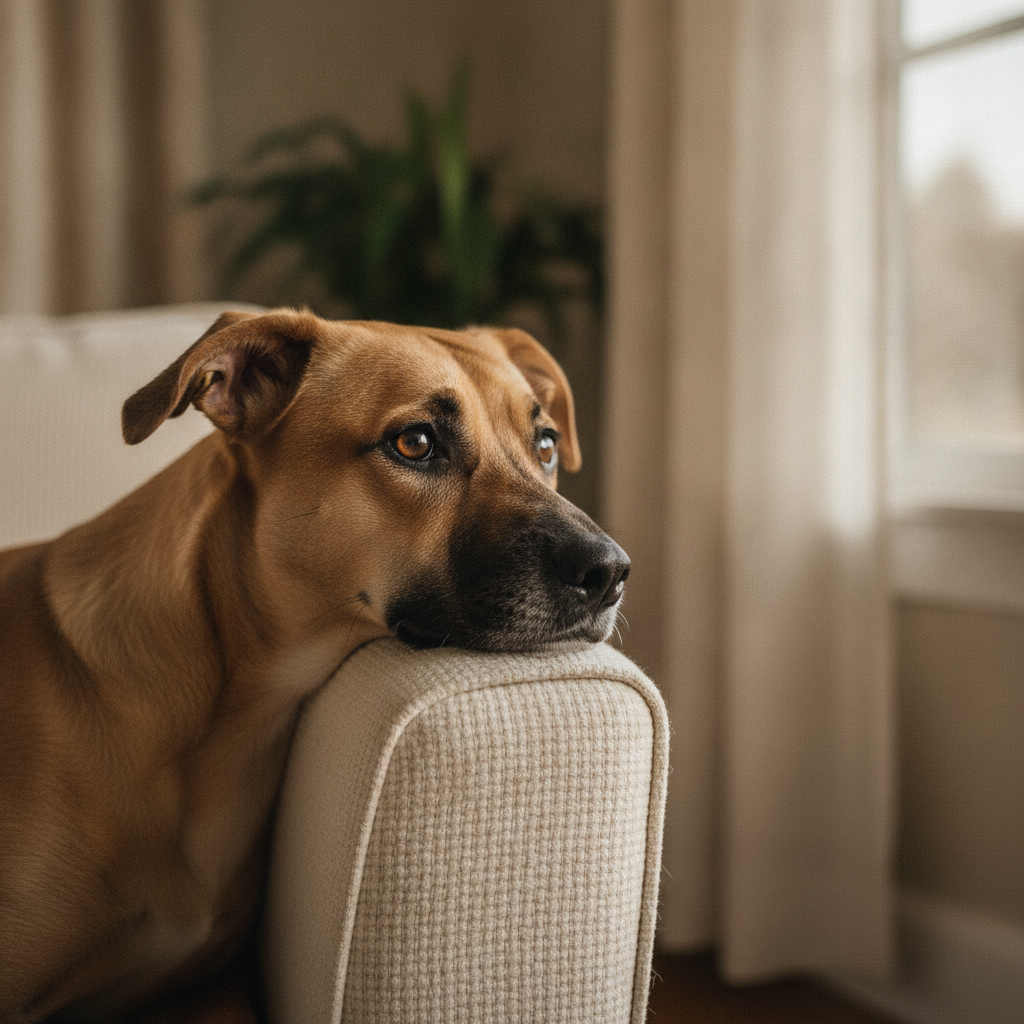
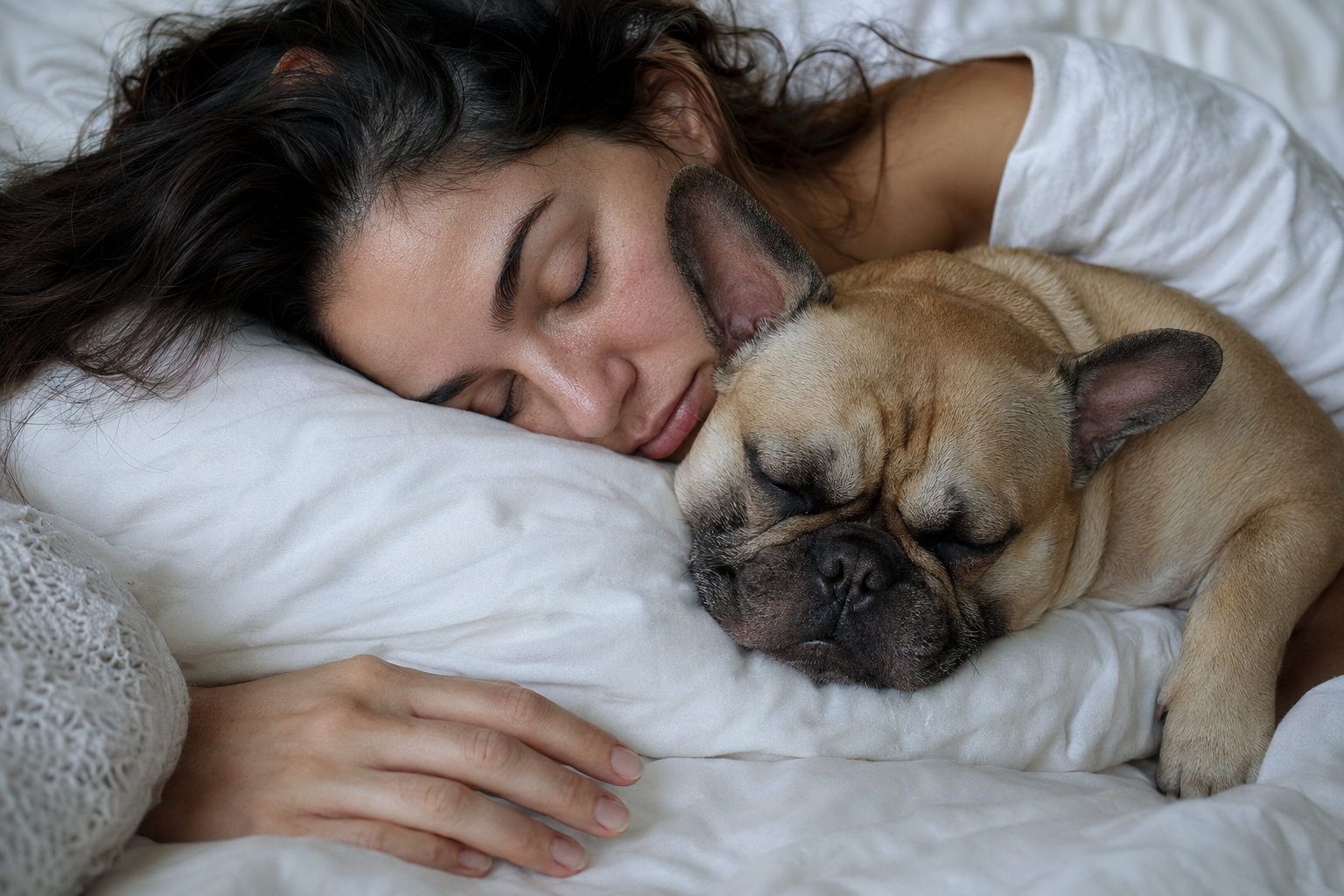
Few dogs stop a crowd like a flat-faced one. The wrinkles, the smushed muzzle, the theatrical snorting, it all reads as impossibly cute, and it has made these breeds wildly popular. In 2022 the French Bulldog knocked the Labrador off the top of the list to become America’s most popular breed. But the same features that draw the “awws” carry a hidden cost, and a study using brain-wave recordings suggests part of that cost is being paid every single night, while these dogs are supposedly resting.
Why the snoring isn’t cute news
Flat-faced breeds, known medically as brachycephalic, are built with a skull that’s been compressed front to back. That shape crowds the airway, and the audible result, the snorting and snoring owners often find endearing, is really the sound of a dog struggling to move air. Vets have flagged the broader health toll for years. What the newer research adds is that the trouble doesn’t pause when the dog falls asleep. If anything, that’s when it does some of its quietest damage.
What the brain-wave study found
Researchers published work in the journal Brain Structure and Function that measured brachycephalic dogs’ sleep directly, using EEG, the same non-invasive electrodes-on-the-scalp method used to study sleep in people. To keep it natural, they set each dog up in a dimmed room outfitted with a floor mattress and a rug, let owners stay nearby, and let the dog choose where and how to sleep.
The recordings showed a sleep signature that should give any flat-faced-dog owner pause. Compared with other dogs, the brachycephalic dogs produced more delta waves, fewer beta waves, and more frequent sleep spindles, a combination that in humans is linked to lower cognitive performance and to loss of white matter, the tissue that lets different brain regions talk to each other. They also spent proportionally more time in REM sleep relative to non-REM, which is unusual, because in most maturing mammals, including dogs, humans, and rats, the share of REM sleep shrinks as the individual grows up. The researchers read this as tentative support for a striking idea: that these dogs may have, in effect, more juvenile brains. On top of that, the flat-faced dogs simply slept more overall, which the team tied to the sleep apnea common in these breeds leaving them drowsier during the day.
What it might mean for your dog
The scientists are careful, and so should we be. It will take more work to pin down exactly how disrupted sleep translates into health outcomes over a brachycephalic dog’s life. The plausible worry is cognitive: chronically poor sleep is hard on a brain, and a dog whose sleep never reaches the deep, restorative quality other dogs get may pay for it in ways we’re only starting to measure. But “possible” is the honest word here, not “proven.”
What is not in doubt is that sleep is only one item on a long list of challenges these breeds face, and the airway is at the center of most of them.
“The squished-in face isn’t just cosmetic, it’s a plumbing problem for air,” says Dr. Amara Solis. “Pinched nostrils and an overlong soft palate mean these dogs fight for every breath, and that same obstruction is what wrecks their sleep and drives up the risk of overheating and heart strain. Owners fall in love with the snore. I hear a warning sign.”
If you have or want a flat-faced dog
None of this is a reason to love your bulldog or pug any less, but it is a strong reason to go in clear-eyed. Many people adopt a flat-faced breed with no idea how many health issues come attached, and they’re caught off guard by the expense and the ongoing care these dogs need. If you’re considering any breed, brachycephalic or not, research its typical problems before you commit, budget for them, and understand what daily life with that breed actually demands. For a flat-faced dog specifically, take noisy breathing, exercise intolerance, and heavy daytime sleepiness seriously as medical signs rather than breed quirks, keep the dog lean and cool, and talk to your vet about whether airway surgery could improve both breathing and rest.
What newer research adds
Since this sleep study, the pressure on extreme flat-faced conformation has only grown. Veterinary and welfare researchers, including teams at the UK’s Royal Veterinary College, have documented just how common and severe the breathing, eye, and skin problems are in these breeds, and several European countries have moved to restrict breeding of the most extreme types. The United States hasn’t enacted comparable rules, so in the U.S. the responsibility still sits with buyers and breeders to choose dogs with more functional muzzles that can breathe, move, and sleep in comfort. The current guidance for anyone drawn to these dogs is to seek out lines bred for a longer, more open airway and to treat any labored breathing as the medical problem it is, not a personality trait. The cute snore, it turns out, is the thing to fix.
References
- Reicher, V., et al. “Sleep macrostructure and EEG in brachycephalic dogs.” Brain Structure and Function, 2023. https://link.springer.com/article/10.1007/s00429-023-02706-y
- O’Neill, D. G., et al. “Brachycephalic Obstructive Airway Syndrome in dogs.” Royal Veterinary College VetCompass. https://www.rvc.ac.uk/vetcompass
- American Kennel Club. “Most Popular Dog Breeds of 2022.” https://www.akc.org/expert-advice/dog-breeds/most-popular-dog-breeds-2022/