


The Best Cat Vet on Paper Might Be Wrong for Your Cat
School rankings and shiny websites tell you almost nothing. Here's what actually separates a great cat vet from a merely credentialed one, and how to find yours.
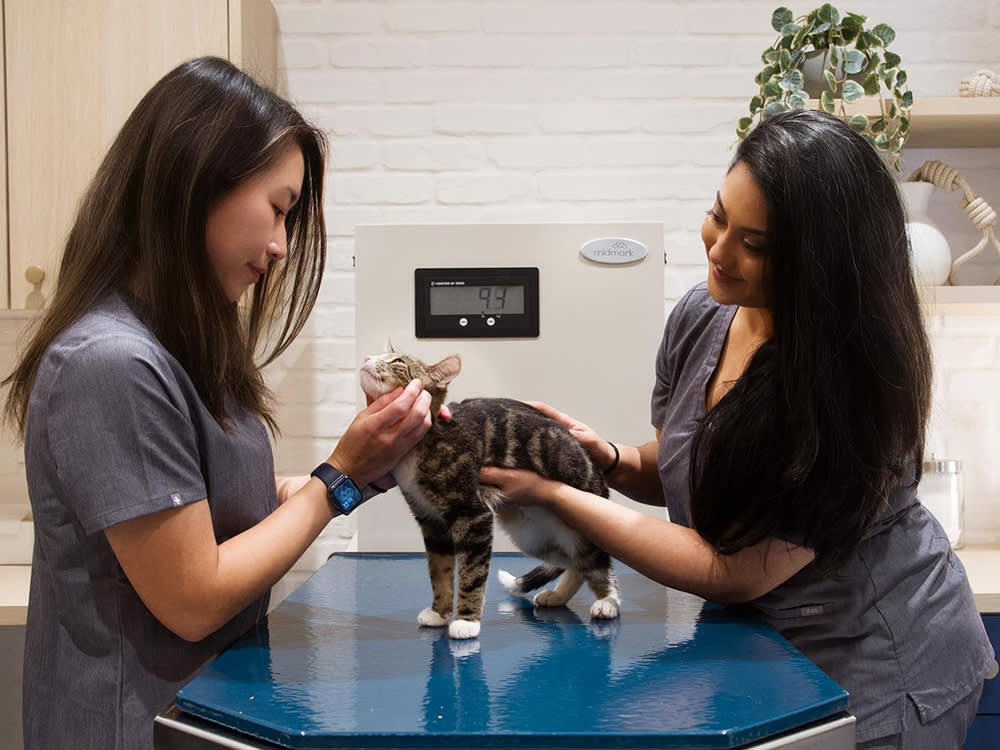
Finding a vet you love can take real time, money, and a few false starts, and it is tempting to shortcut the search by chasing whatever clinic looks most impressive online. Resist that. The “best” vet on paper, the one with the fancy website or the prestigious diploma, might be exactly wrong for your cat.
Here is the reframe that makes the search easier: you are not hiring the highest-ranked clinician. You are choosing a long-term partner for a specific cat with specific quirks, health history, and needs, and for a life with your specific schedule and budget. Once you judge by fit instead of prestige, the confusing search gets a lot clearer.
What actually makes a good vet
The obvious answer is sharp observation skills and solid medical knowledge, and those matter. But the quality that carries the whole relationship is harder to see on a website: communication. A vet who explains clearly and listens well, to you, to the staff around them, and across the wider profession, can build the trust that high-quality care depends on. You, as a layperson, cannot easily grade someone’s diagnostic chops. You can absolutely tell whether they explain things clearly, listen, and treat you like part of the plan.
Skip the obsession with rankings
Veterinary colleges do get ranked, but the ranking should barely register in your decision. Every vet has to pass a national licensing exam before their state exams, which means accredited programs all teach broadly the same core curriculum. Where schools genuinely differ is in their particular strengths, some are known for areas like exotics, poultry, or swine medicine, which is why a student with a niche interest might choose one over another. None of that tells you whether a given vet is right for your indoor tabby. Let the diploma go.
How to actually find candidates
Word of mouth is the most powerful tool you have, so ask friends and family about their experiences, and lean especially on people who know your situation, like a friend who fosters and understands both your cat’s needs and your budget. If you are moving, ask your current vet whether they can recommend colleagues or hospitals in the new area.
When you turn to the internet, skip the ad-heavy free-for-all and use trusted directories instead. Two are worth bookmarking: the American Animal Hospital Association (AAHA), where clinics must pass a demanding evaluation to earn accreditation, and the American Association of Feline Practitioners (AAFP), which runs a certification program designating hospitals as cat-friendly practices. Both filter for a baseline of quality that a search engine will not.
The questions worth asking
Once you have a shortlist, interview them like the long-term partner they are. Good things to ask about:
- Emergency services and appointment availability. Can you get a last-minute slot when your cat needs one, and what happens after hours? This is make-or-break for an older cat with chronic issues.
- Costs, plainly. What do routine visits and common treatments run? Money is uncomfortable to discuss and completely necessary; a good vet will talk it through without judgment.
- In-house versus send-out testing. Diagnostic capabilities vary between hospitals. On-site testing usually means faster answers and fewer repeat appointments.
- Office hours that fit your life. The best clinic in town is useless if you can never get there.
- Preventive-care philosophy. Since prevention is, ideally, the main reason you will be visiting, make sure you are aligned on vaccine recommendations and schedules, parasite prevention such as heartworm and flea-and-tick coverage for cats with outdoor access, and nutrition. If your approaches clash, you will feel it at every visit.
The red flags
The single biggest one: a conversation that only runs one way. You are your cat’s best advocate, and you should feel included in every decision and comfortable asking questions and pushing on next steps. Finances belong in that conversation too; a vet who treats cost as taboo is making your life harder. Watch for cookie-cutter medicine, as well: your cat is an individual with their own lifestyle and quirks, and their care plan should reflect that, not a one-size-fits-all template.
And do not underestimate simple chemistry. Sometimes a good doctor and a good pet parent just do not mesh, and that is okay. Your vet anchors your cat’s care, and that job goes better when it is someone you genuinely click with. Like any relationship, trust your gut when something feels off.
Families ask me how to spot a great cat vet, and my honest answer is to watch how the visit feels, not how the lobby looks. Do they get low and gentle with a nervous cat? Do they explain the why, not just the what? Do you leave understanding the plan? That is the whole test.
What’s new: how the clinic handles your cat
One modern signal is worth adding to the classic checklist: how a practice is set up to reduce feline stress. Beyond AAFP’s cat-friendly certification, a growing number of clinics and individual clinicians now hold Fear Free certification, an approach focused on low-stress handling, which for cats can mean separate feline waiting areas, pheromone diffusers, gentler restraint, and staff trained to read cat body language. It is not a guarantee of great medicine on its own, but a clinic that has invested in calmer visits is telling you something about how it thinks. For a species that famously hates the carrier, that can be the difference between a cat who gets regular care and one who never makes it through the door.
References
- American Animal Hospital Association. “AAHA Accreditation: What It Means.” aaha.org
- American Association of Feline Practitioners. “Cat Friendly Practice Program.” catvets.com
- Fear Free Pets. “What Is Fear Free?” fearfreepets.com
Not a substitute for your vet. Our guidance is educational. For urgent symptoms, contact a vet or emergency clinic right away. Editorial standards
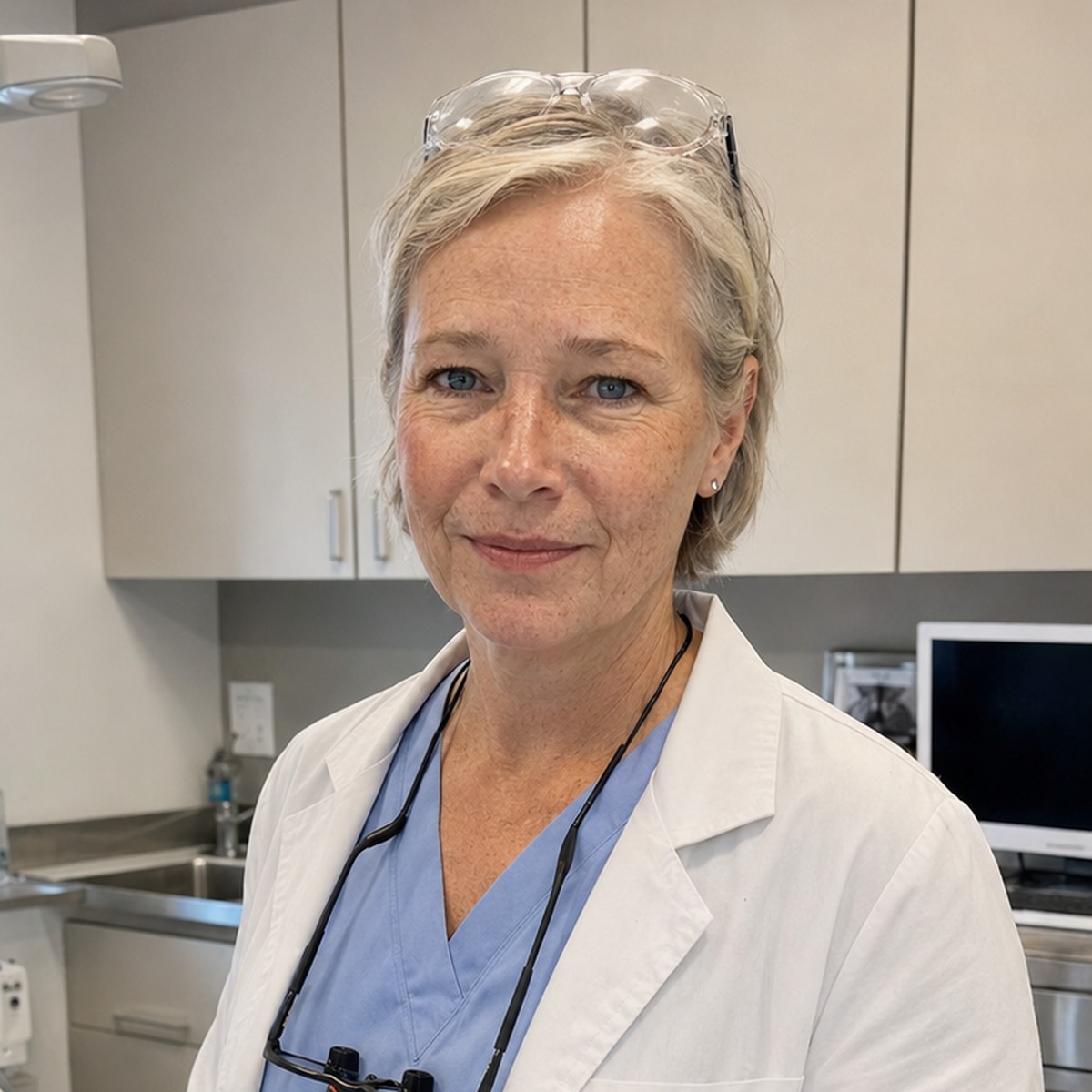
Dr. Kohl is a board-certified veterinary dentist with a particular interest in preventive oral care. She reviews all dental health content at The Pet Times and contributes practical guides on home dental routines, professional cleaning, and oral disease prevention.
Meet our experts ↗Keep reading
 TrainingYour Cat Clears Eight Feet From a Standstill. Here's How.Dr. Amara Solis · 6 min
 Health & WellnessWhy Does My Cat Snore? When It's Adorable and When to Call the VetTom Hadley · 7 min
 Health & WellnessYour Cat Hasn't Pooped in Days. Here's the Line Between 'Wait' and 'Vet Now'Dr. Mara Chen · 9 min
 Health & WellnessCats Are America's Most Rabid Pet. The Indoor Ones Aren't Exempt.Dr. Ravi Mehta · 8 min
 First DaysA Kitten's Body Keeps a Calendar. Here's How to Read It.Dr. Priya Nair · 5 min
 Health & WellnessYour Cat Needs the Vet More Than Once a YearDr. Lena Park · 7 min