


Fading Kitten Syndrome Is a Race Against the Clock. Here's How to Win It.
A newborn kitten who was fine at birth can start to slip away within hours. Fading kitten syndrome isn't one disease, it's a countdown, and warmth, sugar, and a fast vet call are what save lives.

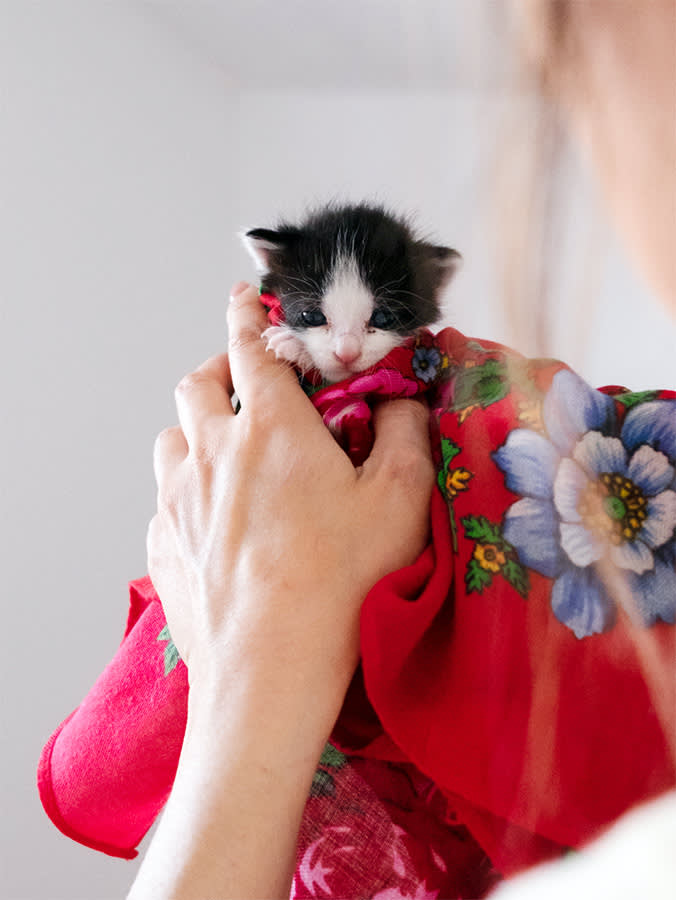
A fading kitten is heartbreaking precisely because of how it starts. The kitten looks fine at birth, strong, even, and then, sometime in the first days of life, they begin to slip. They nurse less, move less, and grow cold, and without fast intervention many do not survive the week. That downhill slide is what gives the condition its name: the kitten seems to “fade.”
Here is the most important thing to understand before anything else. Fading kitten syndrome is not a single illness with a single fix. It is a final common pathway that many different problems can lead to, and it moves fast. The kittens who pull through are almost always the ones whose humans recognized the trouble early and got warmth, sugar, and a veterinarian involved within hours. Everything below is in service of that one goal: catch the fade early, and act immediately.
Catch the fade: the signs that matter
Some kittens show trouble at birth, with a low birth weight or a visible defect. Others look healthy and only reveal problems as the hours pass. Watch a newborn litter closely and treat any of the following as a reason to act now, not to “wait and see”:
- Can’t or won’t nurse or suckle
- Not gaining weight day to day
- Can’t right themselves when placed on their back
- Poor appetite
- Lethargy or limpness
- Signs of dehydration
- A body temperature that is too low or too high
- Diarrhea
- Constant crying or vocalizing
- Discharge from the eyes or nose
- Pale gums
- Sudden death
The first week of life is the most dangerous stretch, and most kittens who succumb do so during this period, typically anytime from birth until weaning at around four to five weeks. A single fading kitten can be a warning for the whole litter, so if one is struggling, watch the others carefully.
The mistake I see most often is waiting until morning. With an adult cat you sometimes have that luxury. With a neonatal kitten you do not. A kitten who is cold and not nursing can be gone in hours, so the moment you see the slide, you warm them and you call, even at 2 a.m.
Why it happens
Because so many roads lead here, it helps to know the main ones. A fading kitten usually has at least one of these working against them.
Infection. Sepsis, a body-wide infection, is the leading cause of death in fading kittens, and infected umbilical stumps are a common entry point. Bacteria such as E. coli, Streptococcus, Pasteurella, Clostridium, and Bordetella are frequent culprits, along with the viruses feline herpesvirus-1 and feline calicivirus.
Not enough nutrition. Newborns should be nursing around the clock, every two to four hours, and putting on weight steadily. A kitten who is too weak to nurse, is pushed off the milk bar, or has a mother not producing enough milk falls behind quickly. Low body temperature makes it worse by slowing digestion and blocking nutrient absorption.
A hard birth. A difficult or drawn-out delivery can deprive a kitten of oxygen, and a prolonged shortage can damage developing organs. Premature birth, whether natural or by C-section, also lowers a kitten’s odds.
Birth defects. Some kittens are born with abnormalities that prove fatal early. A cleft palate is a common one and also lets milk enter the airway, raising pneumonia risk. Others include hernias, hydrocephalus (fluid on the brain), heart defects, and atresia ani (a missing rectal opening).
The environment. Neonatal kittens cannot regulate their own temperature and chill dangerously fast; a cold kitten becomes too weak to eat and spirals into dehydration and poor digestion. A dirty environment adds infection and parasite risk on top.
Parasites. External pests like fleas and ticks, and internal ones like roundworms, Giardia, and Toxoplasma, can all keep a kitten from thriving.
Missing out on colostrum. The first milk a mother produces, colostrum, is packed with antibodies that protect newborns while their own immune systems come online. A kitten who misses it starts life badly under-defended against infection.
Neonatal isoerythrolysis. This rare but well-documented cause happens when a kitten with blood type A or AB nurses from a mother with type B blood. Antibodies in the milk attack the kitten’s own red blood cells. It shows up more in places where type B blood is common, such as the United Kingdom, and in breeds like British Shorthairs and Devon Rexes. In the United States, most cats are type A.
What the vet does
Because no lab test can confirm “fading kitten syndrome,” the diagnosis comes from pattern recognition: a vet reads the whole picture rather than pointing to one result. Your vet will gather the mother’s and litter’s history: her vaccination status, how attentive she is to her kittens, any difficulty during birth, and the conditions the family is living in.
A physical exam checks overall body condition and reflexes and looks for obvious defects. A healthy newborn should instinctively suckle when given the chance and should be able to flip itself upright when placed on its back; a kitten who cannot is in trouble. From there, testing may include bloodwork, especially blood sugar and red blood cell counts, plus fecal exams and urinalysis to round out the picture.
Treatment is supportive rather than curative, because the aim is to carry the kitten through the crisis, not to fix one root cause. Almost every case needs the same core three: fluids for dehydration, heat for hypothermia, and supplemental dextrose for low blood sugar. Depending on severity, a vet may add assisted feeding, antibiotics, deworming, and even blood transfusions. There is no magic cure. The goal is to keep the kitten alive and stable until they can eat, hold their temperature, gain weight, and thrive on their own.
Supporting a fading kitten at home
At-home care is rarely enough by itself, but the right steps buy time and improve the odds while you get veterinary help.
Keep them warm, but not too warm. Aim for an ambient temperature around 80 to 90 degrees Fahrenheit. If you use a heat source, arrange it so the kitten can scoot away if they get too hot.
Make sure they are fed. A newborn needs feeding on a two-to-four-hour cycle. If a kitten cannot latch, the mother rejects them, or they always seem hungry, ask your vet whether supplementation is needed and how to do it safely.
Weigh them daily. Failure to grow is a hallmark of a fading kitten. A small kitchen or postal scale, used once or twice a day, tells you fast whether a kitten is trending the wrong way.
Keep everything clean. A tidy, parasite-free space lowers the infection risk that a fragile kitten cannot afford.
Get professional help early. If a kitten is not improving, do not keep experimenting at home. Have them seen.
What’s new since this was written
The strongest recent guidance flips the usual instinct to diagnose first. Veterinary neonatal specialists now emphasize that with a fading kitten, supportive care comes before the workup: you address the “big three,” low temperature, low blood sugar, and dehydration, immediately, and only then chase down the underlying cause. Rewarming a chilled kitten and getting a little sugar and fluid into them, done correctly, can be the difference-maker while diagnostics catch up.
The other shift is a sharper appreciation for how compressed the timeline is. A 2022 review in the Journal of Feline Medicine and Surgery underscored that fading kittens can go from subtle signs to a life-threatening state within hours, and that delayed care sharply raises mortality in those crucial first days. The practical takeaway for anyone raising a litter has not changed, only hardened: keep them warm, keep them fed, weigh them daily, and treat any fade as the emergency it is.
References
Common questions
Is fading kitten syndrome contagious to other kittens?
The syndrome itself is not contagious. But if the underlying trigger is an infection or a parasite, that can spread to littermates, which is why keeping the environment clean matters.
Should I hand-feed a fading kitten?
Sometimes, but not blindly. Fading kittens often are not getting enough nutrition, yet a weak or chilled kitten can inhale formula and get worse. Warm the kitten first and call your vet for guidance before bottle-feeding.
How do kittens get fading kitten syndrome?
There is no single cause. It results from a mix of genetic, physical, environmental, and infectious factors. Sepsis, a body-wide infection, is the most common cause of death.
Not a substitute for your vet. Our guidance is educational. For urgent symptoms, contact a vet or emergency clinic right away. Editorial standards
Dr. Chen is a small-animal veterinarian who leads health and safety coverage at The Pet Times. She writes and reviews the bulk of our illness, condition, and safety content, translating clinical guidance into clear, practical advice owners can act on at home.
Meet our experts ↗Keep reading
 First DaysThere's No 'Best' Kitten Dewormer. Why the Schedule Beats the BrandDr. Mara Chen · 7 min
 First DaysYour Kitten Is Losing Teeth Right Now and You'll Probably Never See It HappenDr. Priya Nair · 6 min
 First DaysA Kitten's Body Keeps a Calendar. Here's How to Read It.Dr. Priya Nair · 5 min
 First DaysEight Weeks Is a Shelter Deadline, Not a Kitten's Biology. The Data Says 14.Dr. Priya Nair · 9 min
 First DaysBlanket Sucking Is Adorable. The Day They Swallow It Isn't.Dr. Lena Park · 8 min
 First DaysOrphaned Kittens Can't Poop on Their Own. Miss This and They Crash Fast.Dr. Priya Nair · 8 min