There’s a flattering story that circulates every few years: your dog isn’t ignoring you because it’s stubborn, it’s ignoring you because it’s smart enough to reject your bad advice. It traces back to a real experiment, and it makes for a great headline. The trouble is that the study didn’t show what the headline claimed, and the research that came after points in almost the opposite direction.
Where the “dogs ignore bad advice” idea came from
The original work looked at something called overimitation. In humans, children overimitate: shown a multi-step way to do something, they’ll faithfully copy every step, even the pointless ones. It’s a quirk that probably helps kids absorb culture without having to test each action themselves.
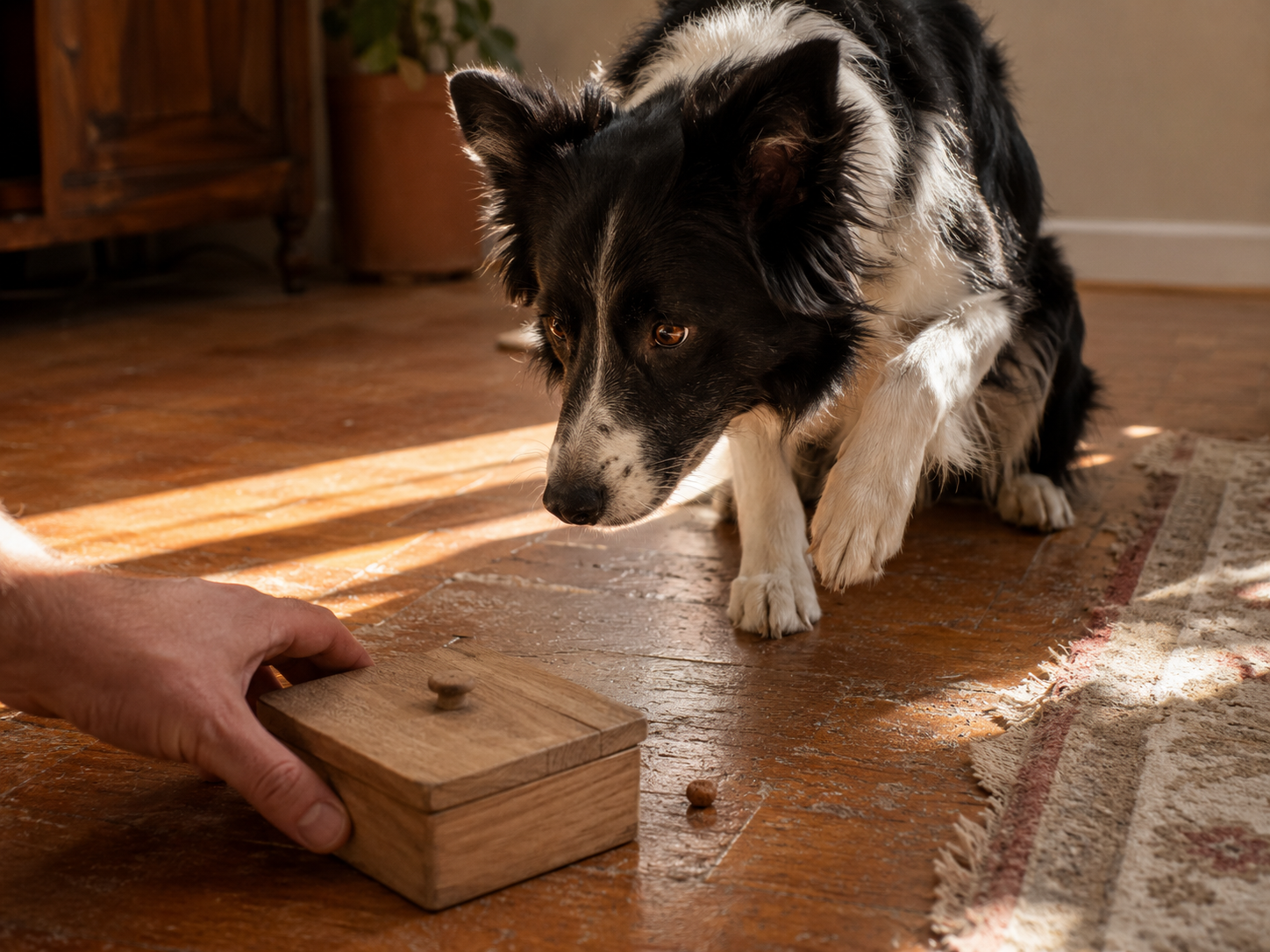
Researchers wanted to know whether dogs, and dingoes, would do the same. They gave the animals a puzzle box that needed only one move to open, lifting a lid to reach the food. Then a human demonstrated a needlessly elaborate version: pull a lever that does nothing, then lift the lid. Both dogs and dingoes quickly skipped the useless lever and went straight for the lid. On its face, that looks like animals watching a human do something silly and wisely declining to copy it.
The hole in the story
Here’s what the coverage left out. The study never actually showed the dogs were imitating the humans in the first place, which means it couldn’t show they were rejecting bad imitation either.
In a separate set of trials, a different group of dogs and dingoes got the same puzzle box with no human demonstration at all, and they still ignored the lever. If the dogs skip the useless step whether or not a person shows it to them, then watching the human didn’t change their behavior. They weren’t overriding bad advice; they were just solving a simple box the efficient way, the same as they’d have done with no advice at all. To claim a dog “ignores bad advice,” you’d first have to prove the dog copies human behavior, then prove it declines to copy the irrelevant parts. This study did neither, and there has long been real skepticism about whether dogs overimitate at all.
What newer research adds
This is where the picture has genuinely changed, and it’s worth updating your mental model. A growing body of work over the last several years finds that dogs do overimitate, copying causally useless actions their humans demonstrate, and that the driver appears to be the social bond, not confusion.
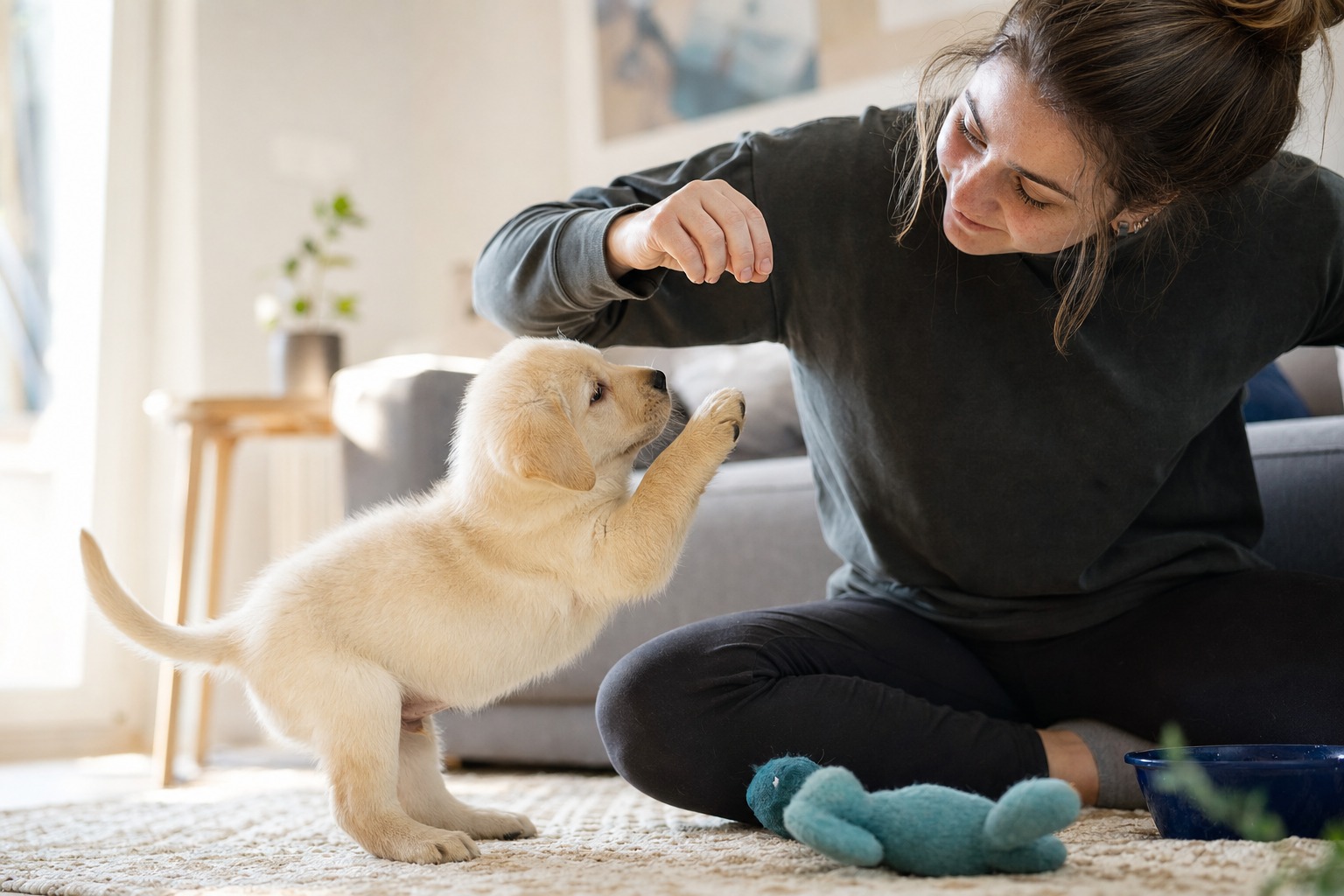
Studies have found dogs copy irrelevant actions more when the demonstrator is their own person than when it’s a stranger, which is the fingerprint of a social motivation rather than a purely mechanical one. A 2023 study reported that dogs were markedly more likely to reproduce the pointless step after they’d already achieved the goal, hinting the copying is affiliative, a “we do it this way together” gesture, rather than a problem-solving strategy. And 2024 research found that even dogs with prior hands-on experience of a task still overimitated their caregiver’s unnecessary actions. Taken together, the newer evidence suggests your dog may well follow your redundant routine, and do it because it’s attached to you, not in spite of it.
In other words, the comforting “my dog is too clever to copy my nonsense” story has it backward. The more your dog loves you, the more likely it is to mirror your quirks, useful or not.
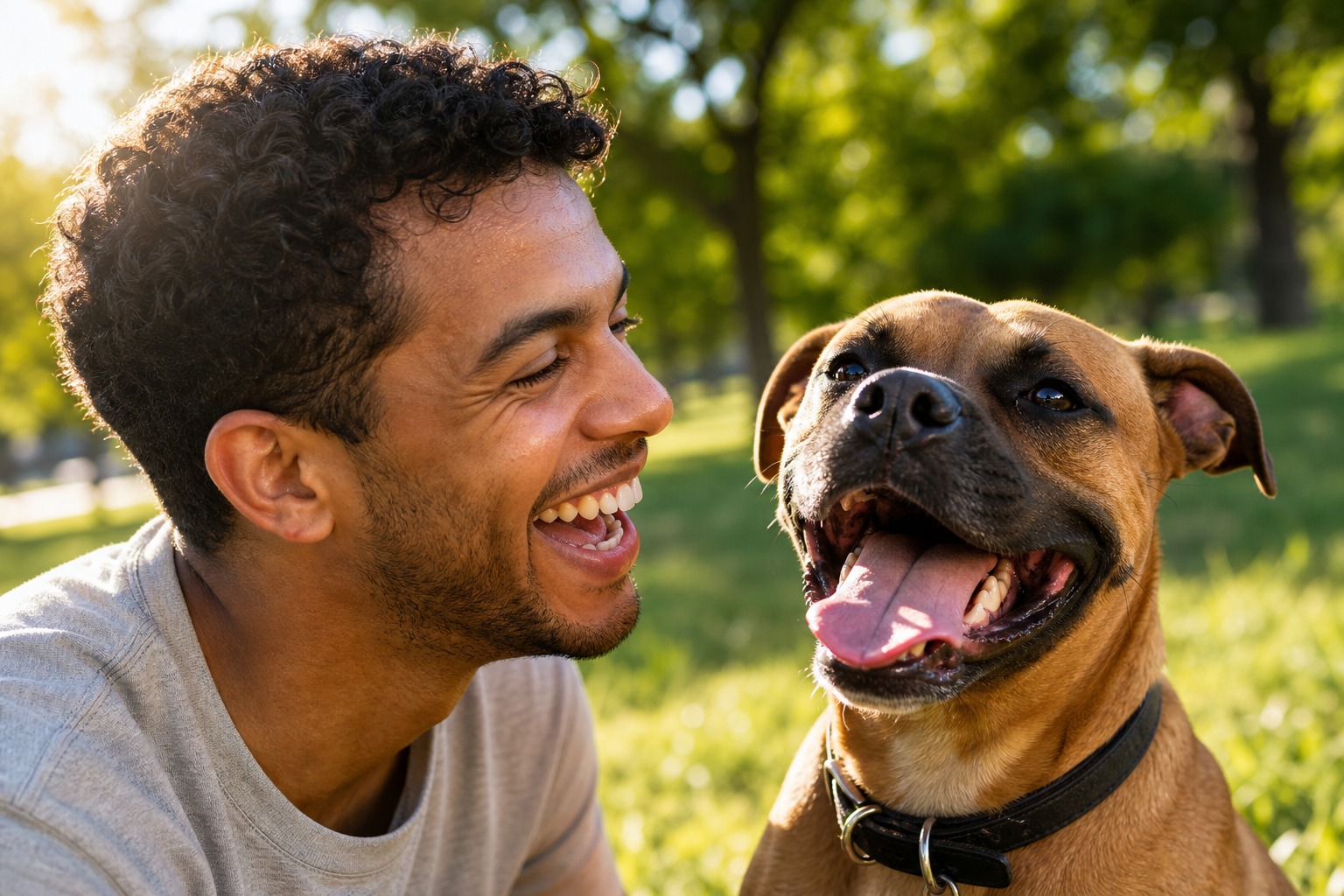
We keep flattering dogs by calling them independent, but the evidence runs the other way. A dog copying your pointless extra step isn’t being dim. It’s treating your routine as something worth sharing. That’s attachment doing its job, not a failure of reasoning.
The one solid takeaway from the original study
The first experiment did produce a genuinely interesting result, and it had nothing to do with imitation. Across the trials, dingoes tended to solve the puzzles faster and more successfully than dogs. In a third version where pulling the lever was necessary to open the box, both dogs and dingoes learned to use it, but dingoes were more discriminating, pulling the lever mainly when it mattered, while dogs pulled it more indiscriminately.
That fits a broader pattern in animal-cognition research: domestication may have traded some raw problem-solving independence for sociability. Dingoes, closer to the wild end, are sharper at cracking a puzzle alone. Dogs are more tuned in to us, which can look like being “worse” at a box and is really being better at reading a human.
So does your dog ignore your bad advice?
Probably not, and that’s the charming part. Your dog isn’t a tiny skeptic quietly editing out your mistakes. It’s far more likely to watch what you do and echo it, extra steps and all, because paying attention to you is one of the things dogs are best at. If anything, that’s a reason to be thoughtful about the routines you model, since your dog may be picking them up wholesale. The independent free-thinker was a nice idea. The devoted mimic is the truer, and frankly sweeter, one.
References
- Huber, L., et al. “Would dogs copy irrelevant actions from their human caregiver?” Learning & Behavior (2018). pmc.ncbi.nlm.nih.gov
- Huber, L., et al. “Socially priming dogs in an overimitation task.” Frontiers in Psychology (2023). frontiersin.org
- “Dogs with prior experience of a task still overimitate their caregiver.” Scientific Reports (2024). nature.com