Scooping a litter box is such a reflex that longtime cat owners practically do it in their sleep. What if the box could do something back, like flag a health problem before your cat shows a single symptom? That’s the pitch behind PrettyLitter, and it’s a genuinely clever one. But it’s easy to oversell, so let’s be precise about what this product is: a smoke alarm for your cat’s urinary tract. Useful, sometimes lifesaving, and absolutely not the same thing as a firefighter.
Why cats need an early-warning system at all
Cats are maddeningly good at hiding illness. A limp is obvious, but the common and painful problems, urinary tract infections, crystals, kidney trouble, tend to stay invisible until they’re advanced. By the time a cat is straining in the box or peeing on your rug, the issue has often had a head start. That’s the gap a monitoring litter is built to close: catch a warning early enough that a manageable vet visit doesn’t become an emergency.
PrettyLitter founder Daniel Rotman built the company around exactly that idea, wanting to turn the daily chore of the litter box into something that could occasionally save a life. Whatever you think of the marketing, the underlying goal, surfacing a silent problem sooner, is sound.
The chemistry, minus the hand-waving
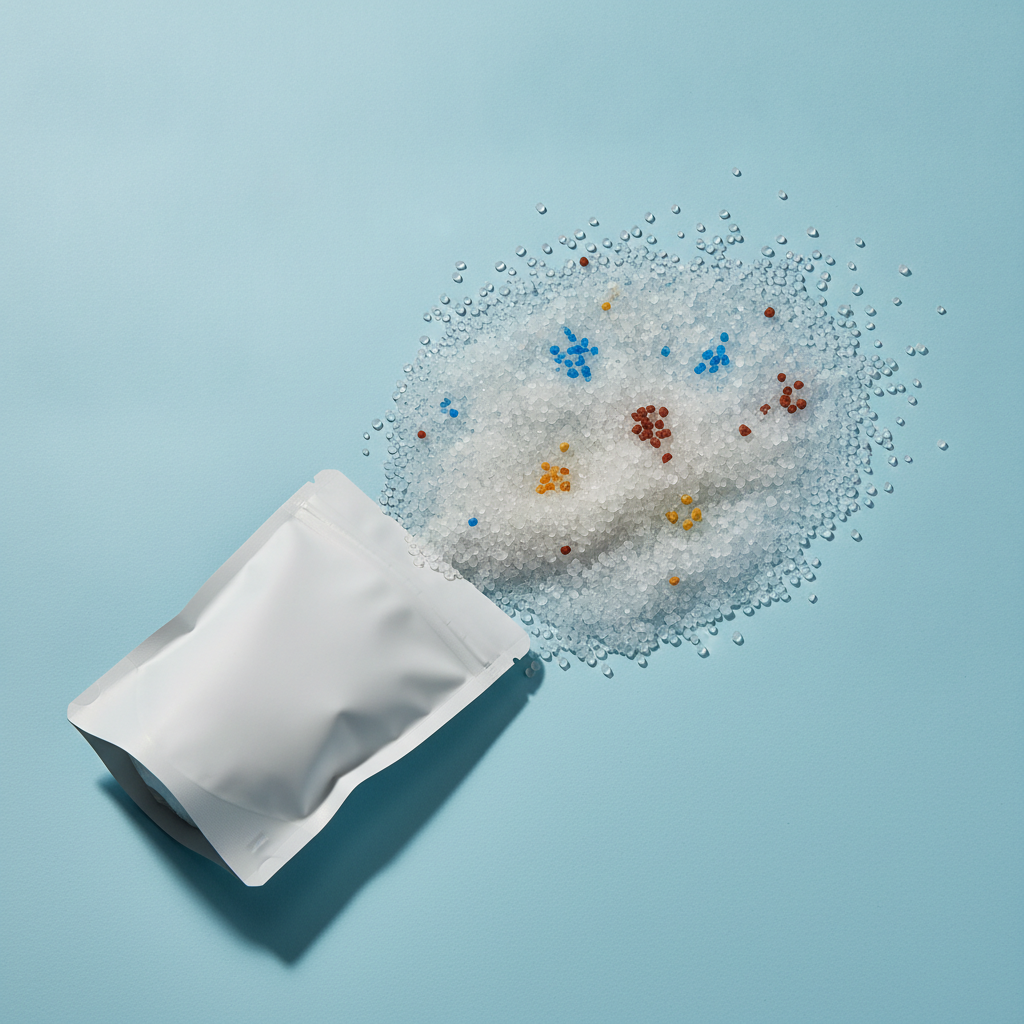
Here’s what’s actually happening, because it’s more real than “magic crystals.” PrettyLitter is made of highly absorbent silica gel crystals, the same lightweight material in those little “do not eat” desiccant packets, treated with color-changing pH indicators. According to the company’s patent, one of those indicators is bromothymol blue, a compound chemists use precisely because it flips color across a pH range that’s visible to the naked eye: yellowish in acidic conditions, blue in alkaline ones. Other agents in the litter react to markers like blood, bilirubin, and more.
So when your cat urinates, the crystals read the urine’s chemistry and translate it into a color you can see without any equipment. Roughly, blue points to alkaline urine, which can go along with a UTI or the formation of crystals and stones; orange or yellow points to acidic urine, associated with metabolic problems; and red flags blood, which may mean bladder inflammation, stones, or infection. It’s a colorimetric test sitting in your cat’s bathroom.
The word that matters: “monitoring”
This is the line the excitement tends to blow past, and it’s the whole point. A color change is a prompt, not a diagnosis. It tells you that something may be off, never what. Plenty of things nudge urine pH, including diet, so a color shift can be a false alarm, and a serious problem can occasionally slip through without an obvious change. The litter narrows down when to worry; it can’t tell you whether your cat has a UTI, crystals, early kidney disease, or nothing.
“I like these litters as a tripwire, and I’m blunt with clients about where the wire ends,” says Dr. Ravi Mehta. “A red or blue box means come in and let me run an actual urinalysis. It does not mean you now know the diagnosis, and a normal color does not mean your cat is fine. Use it to catch the thing early, then let the lab do the identifying.”
Treat it the way you’d treat a smoke alarm. When it goes off, you don’t stand in the kitchen deciding it’s probably nothing, and you also don’t assume the alarm knows which room is burning. You investigate. With a color change, investigating means a vet and a urine sample.
The everyday-use case for it
Diagnostics aside, PrettyLitter earns its keep on ordinary chores, which is a fair chunk of why people stick with it. The silica formula is up to 80 percent lighter than clay litter, produces effectively zero dust, traps moisture to control odor without baking soda or pine pellets, and needs less scooping because it absorbs rather than clumps. It ships directly to your door on a subscription, and the company offers a 30-day guarantee if you and your cat aren’t sold. A single bag runs about $24.
It’s worth knowing this is now a small category, not a lone product. “Health-monitoring” litters that read urine chemistry have multiplied, and some vets and cat owners prefer a plain, additive-free litter plus regular checkups. The monitoring feature is a nice bonus, not a reason to skip wellness visits, and a fussy cat’s preferences still matter more than any feature list, since a litter your cat refuses to use monitors nothing.
Who it’s genuinely good for
A color-changing litter makes the most sense for cats at higher urinary risk, older cats, males (who are prone to dangerous blockages), cats with a history of crystals or UTIs, and single-cat homes where you can actually tell whose box changed color. In a multi-cat household it gets muddier, because you may not know which cat produced the alarm. For the right cat, it’s a low-effort way to get a heads-up. Just remember what the heads-up is: a reason to call your vet, delivered by your cat’s bathroom.
PrettyLitter Cat Litter — $24 at PrettyLitter
References
- What is health-monitoring cat litter, and how does it help detect when your cat is sick? (Chemical & Engineering News)
- Feline Lower Urinary Tract Disease (Cornell Feline Health Center)
This article is educational and not a substitute for veterinary care. If your cat is straining to urinate, producing little or no urine, or crying in the litter box, treat it as an emergency, urinary blockages can be fatal within a day, and get to a vet immediately.