


Most Cats Don't Need a Diaper. If Yours Does, Match It to the Problem
A cat diaper isn't one product, it's four different tools for four different problems. Here's how to pick the right one for incontinence, heat, senior accidents, or post-surgery recovery.

Affiliate disclosure. This article contains affiliate links. We may earn a small commission if you buy through a link, at no extra cost to you. How we handle recommendations.
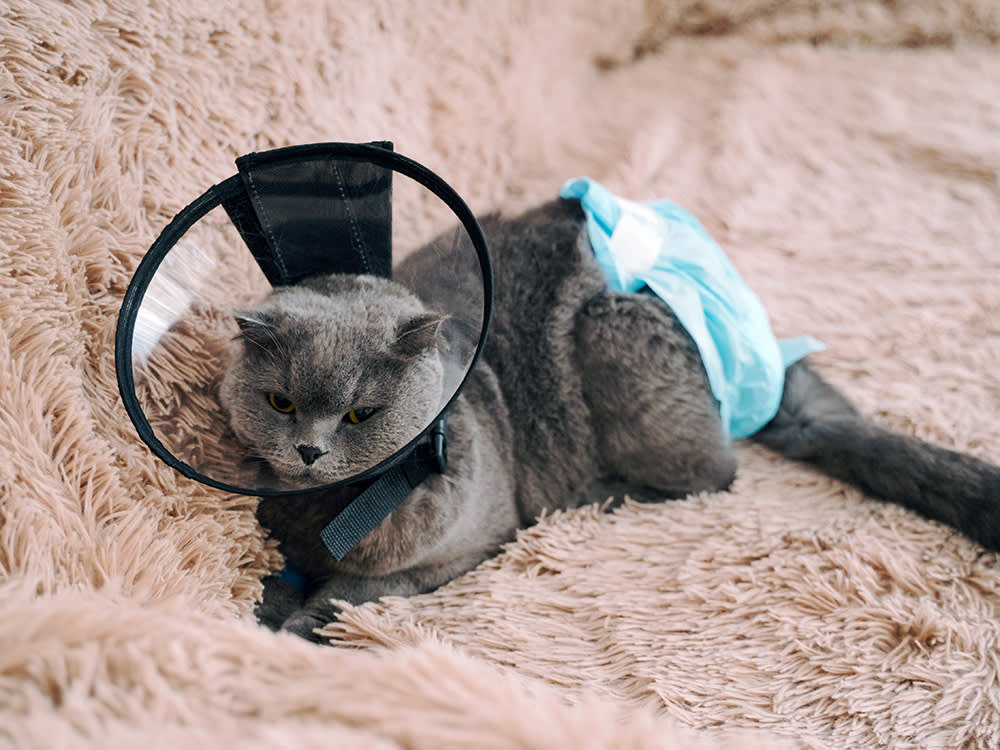
Let’s start with the honest part: most cats never need a diaper, and a diaper is not a substitute for figuring out why a cat is having accidents. A previously reliable cat that suddenly stops using the box is telling you something, often a urinary tract infection, kidney trouble, or diabetes, and that is a vet visit, not a shopping trip.
But there is a real, specific set of situations where a cat diaper earns its place: managing incontinence in a senior or chronically ill cat, containing the mess of a cat in heat, protecting a surgical site during recovery, or bridging a rough patch while a diagnosed condition is treated. The mistake people make is treating “cat diaper” as one product. It is really four tools for four jobs, and buying the wrong type is why so many end up in a drawer. Below, how to match the diaper to the problem, with a genuinely useful pick for each.
“A diaper manages a symptom, it does not treat the cause, and I never want an owner to feel like they’ve solved incontinence by buying one,” says Dr. Ravi Mehta. “Get the underlying condition diagnosed first. Then a good diaper is a completely reasonable way to keep a cat comfortable and your home clean while you manage it.”
A note before you buy: cats and diapers are a slow-motion negotiation. The adjustment period between purchase and acceptance is long, sometimes so long you are shopping for the next size or style before the first is broken in. Go in patient, introduce it gradually, and pair it with treats.
leaks and incontinence, and you want reliable, breathable coverage
For the everyday leaks of an incontinent or recovering cat, you want maximum absorbency without cooking your cat inside a plastic wrap. The Hartz Disposable Cat Diapers ($18) are the workhorse pick here. Multiple layers plus an outer shell give leak-proof protection for up to 12 hours, which means fewer of the wrestling matches nobody enjoys. They suit cats of either sex, and the long wear window makes them practical for a working household. This is the default first diaper for most incontinence situations.
a wriggly escape artist who bucks anything you put on them
If your cat treats a diaper as a personal challenge and shimmies out of anything with a stiff waistband, the fit is the whole battle. The Pet Soft Disposable Cat Diapers ($19) are built around an elastic waist that stretches with the cat’s body instead of gapping at the back like many velcro-fastened designs. That snugger, more forgiving fit is what keeps them on a determined cat, and it is the difference between a diaper that works and one you find on the floor. Reach for these when containment, not just absorbency, is your problem.
odor is taking over the room
When the issue is less about volume and more about smell, especially with an older cat or a chronic condition, you want odor control baked in. The Arm & Hammer Disposable Female Pet Diapers ($9) use baking soda to trap odor at the source while they absorb, so you are neutralizing the stink rather than just covering it. They are also the most budget-friendly option here, which matters when a diaper is part of daily life rather than a one-off. Best for the senior or incontinent cat where keeping the house livable is the daily goal, and gentlest on the wallet for high-frequency use.
you’d rather not throw money away every day
Disposables add up fast for a cat that needs one around the clock, indefinitely. The Grecle Washable Reusable Pet Diapers ($17) are the sustainable, long-run answer: launder and reuse instead of restocking every week. Most diapers on the market are cut for dogs, but this reusable design works well for cats, and it is especially handy for a cat in heat, one dealing with incontinence, or one recovering from spay surgery. The tradeoff is the laundry, so this is the pick for owners managing a long-term condition who want to stop feeding the trash can. Keep a rotation of a few so there is always a clean one ready.
How to actually get a diaper onto a cat
The product is half the battle; acceptance is the other half. A few things that help:
Go slow. Let your cat sniff and wear the diaper for short stretches before expecting a full day in one. Pair every diaper session with a treat or a meal so the thing predicts good news. Watch the tail hole and waistband on the first few wears, since a poor fit is the number one reason a cat rejects the whole idea. And if a diaper is doubling as post-surgery protection, follow your vet’s guidance on when the site can be covered and for how long.
When a diaper is the wrong answer
Circling back, because it matters: a diaper is for a known reason. If your cat’s accidents are new and unexplained, do not diaper the problem and move on. Sudden litter box avoidance can signal a UTI, kidney disease, diabetes, or arthritis pain that makes the box hard to climb into. Get the cause diagnosed, treat it, and use a diaper as a comfort-and-cleanliness measure alongside treatment, not instead of it.
What’s new since this was written
The category has grown up a little. Beyond the standard full diapers here, more owners of incontinent and senior cats are now using diaper-style belly bands and washable diaper covers with disposable liner pads, which cut cost and waste by letting you swap just the soaked pad instead of the whole diaper. Sizing has also improved: the current advice from feline-focused vets is to measure your cat’s waist and weight rather than guessing from a size chart, because a diaper that fits at the waist and the tail base is what stops both leaks and escapes. If your first diaper failed, odds are good it was a fit problem, not a lost cause, and a measured re-buy in a different cut often solves it.
References
- Cornell Feline Health Center. “Feline Lower Urinary Tract Disease.” Cornell University College of Veterinary Medicine.
- American Association of Feline Practitioners. “House Soiling in Cats.” catvets.com.
- ASPCA. “Caring for a Senior Cat.” aspca.org.
Sara Lim leads our Product Picks coverage, testing and comparing the things pets and their owners actually use. From everyday essentials to home-and-style finds, she focuses on honest, useful recommendations rather than hype.
Meet our experts ↗Keep reading
 Product PicksColor-Changing Cat Litter Is a Smoke Alarm, Not a DiagnosisDr. Ravi Mehta · 5 min
 Health & WellnessA Blind, Paralyzed Cat Isn't a Tragedy. It's a Setup Problem.Dr. Nina Kohl · 7 min
 Product PicksMost Kittens Should Never Wear a Diaper. If Yours Truly Needs One, Read This.Dr. Mara Chen · 6 min
 Product PicksI'm Lazy About Scooping. The Litter Genie Turned Me Into a Neat Freak.Marcus Webb · 6 min
 Product PicksThe Calming Cat Products That Actually Hold Up When the Holidays Get LoudDr. Mara Chen · 6 min
 Product PicksYour Cat Shreds the Couch Because Every Scratching Post Is an EyesoreSasha Ford · 4 min