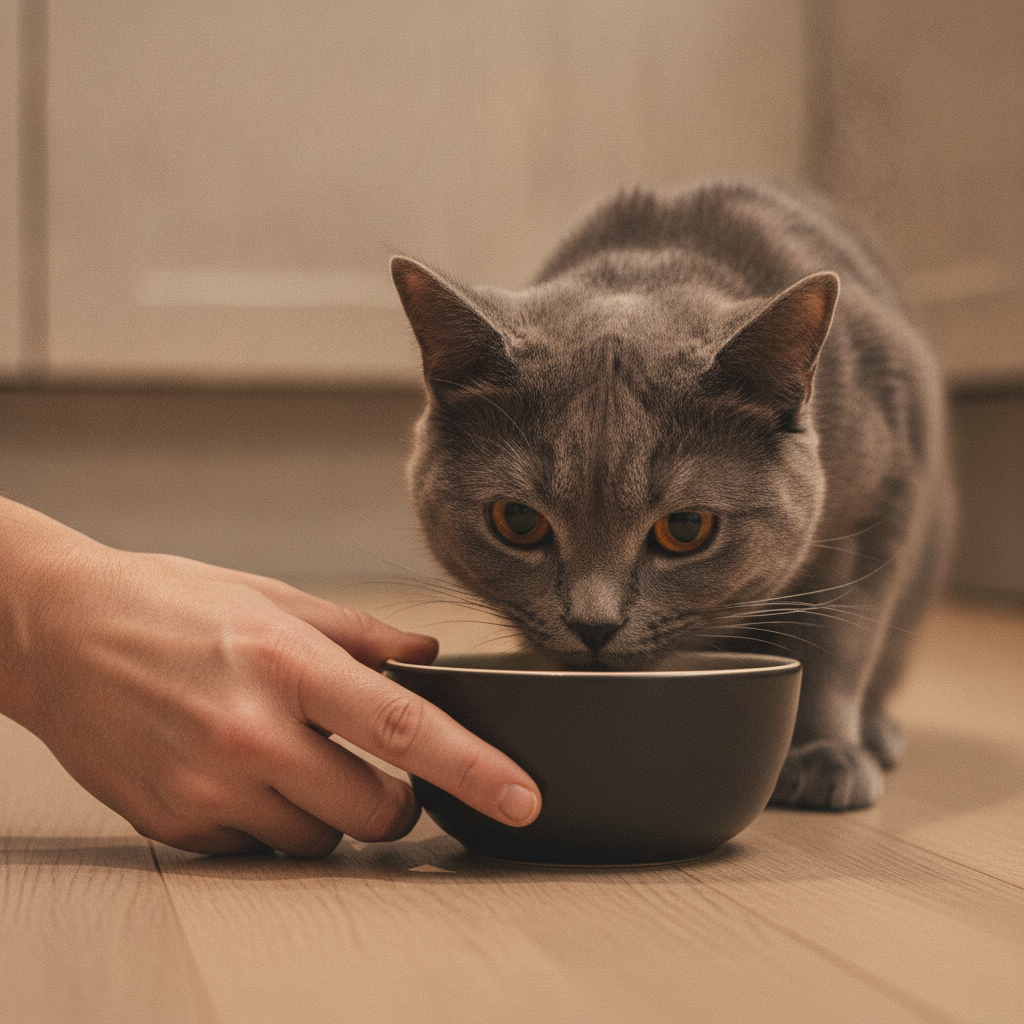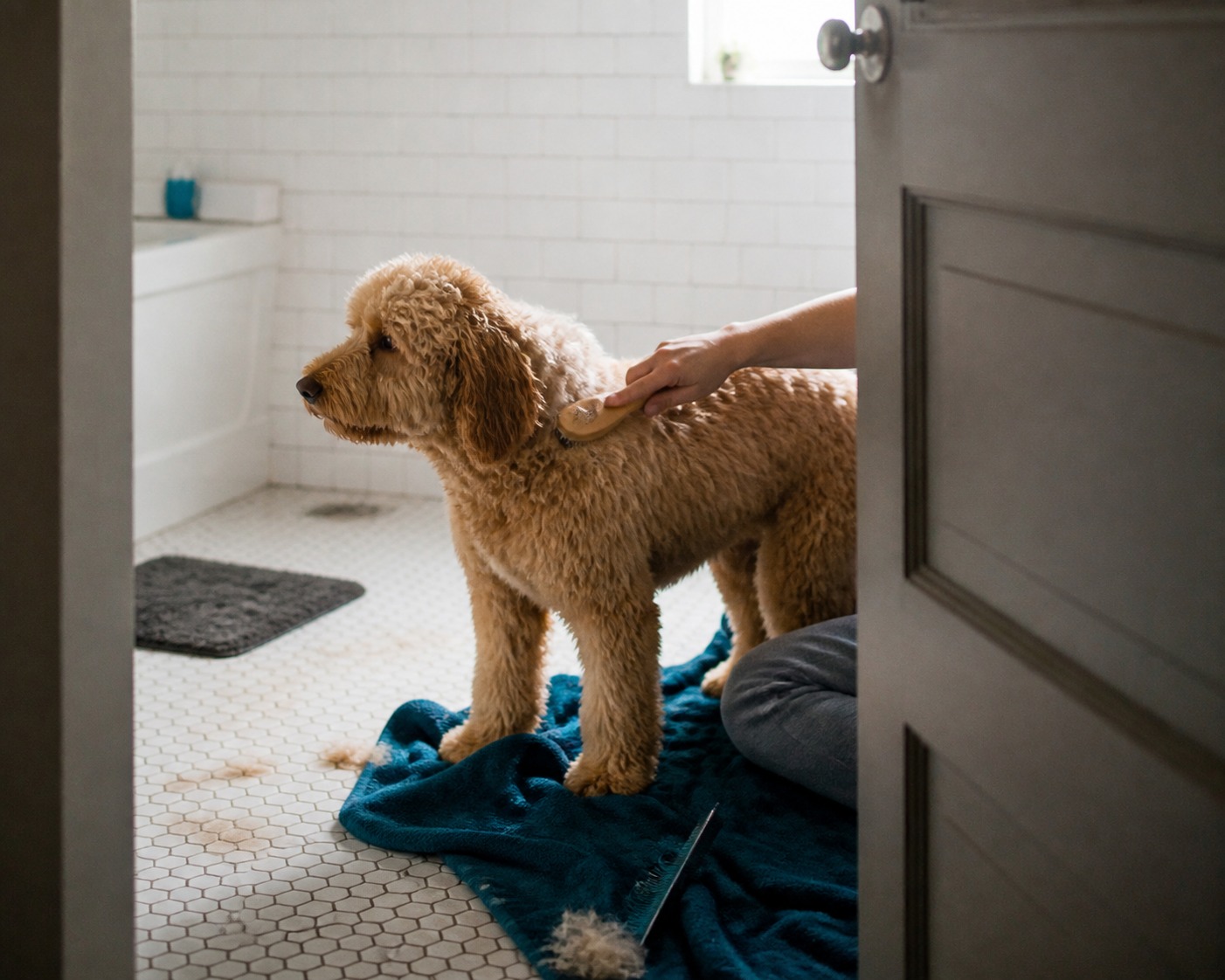
A haircut can make a person feel brand new, and a well-groomed dog gets some of that same lift, more comfortable, less itchy, better smelling. But if that is all you think grooming is for, you are underselling it. Every time you run a brush through your dog’s coat, trim a nail, or peer into an ear, you are also doing something a vet cannot do on a twice-a-year schedule: a close, hands-on inspection of the whole animal. The tidy coat is the side effect. The early-warning system is the point.
That reframe is worth holding onto, because it changes how you approach the whole routine. You are not just cleaning a dog. You are checking one.
What “grooming” actually covers
Say “dog grooming” and most people picture a show-ring haircut. In reality, plenty of dogs, short-haired breeds especially, never need a trim, while others need regular cuts to stop the coat from matting. But every dog, whatever its coat, benefits from the same core maintenance: brushing, nail trims, ear and eye care, dental cleaning, and regular baths. Individually these feel like small chores. Together they add up to a dog who stays healthier and lands at the vet less often.
The reason is that same close look. Running your hands over your dog on a regular schedule is how you catch the things that hide under fur, a new lump, a hot spot, a cracked nail, the early funk of an ear infection, while they are still small and cheap to treat.
The kit that makes it doable
The right supplies turn a wrestling match into a routine. Always choose products made specifically for dogs, and match the tools to your dog’s coat, ask your vet or a groomer if you are unsure. A workable starter set:
- A de-shedding tool, a steel comb, and a brush suited to the coat
- Clippers made for dog nails, or a rotary grinder
- Styptic powder or a pencil, in case you nick a quick
- A canine toothbrush paired with dog-formulated toothpaste
- Reusable cloth squares or a bag of cotton balls
- Round-tipped shears and a small clipper fitted with guide combs
- Dog shampoo, plus conditioner only if a groomer advises it
To dry, reach for a microfiber towel, or a blow dryer set to its coolest, gentlest mode.
Trimming, slowly and never on a dirty coat
If you take on trimming at home, two rules prevent most disasters. First, the coat must be clean and fully dry, brush out mats, bathe, and let the dog dry completely before any blade comes near, because water makes mats worse and a dirty coat cuts unevenly. Second, cut sparingly. Use round-tipped shears or small clippers for the delicate zones (around the eyes, the genital area, and between the paw pads), keep the blades well away from skin, and make small trims you can always extend rather than big cuts you cannot undo. A single twitch near the skin can cause a real injury, so go slow. When in doubt, watch a qualified groomer’s video first, or leave the cut to a pro.
When your dog won’t hold still
Most dogs who were not groomed from puppyhood are uneasy with the process, and that is normal. Build tolerance gradually: let your dog get used to the sight and sound of the clippers or shears, and pair every step with praise and treats. It can take weeks of this before a dog relaxes enough for a proper trim. Patience beats force every time.
Brushing as a body scan
Brush a few times a week, daily if you can, working right down to skin level instead of skimming the surface. The gentle massage loosens debris and dandruff and stimulates circulation, and it doubles as a bonding session. It is also your best chance to check for problem spots:
- Mats, which tend to form behind the ears and under the legs
- Burrs, leaves, and other outdoor debris
- Cuts, scrapes, or irritation on the skin
Nails: short, careful, every few weeks
Most dogs need their nails done every three or four weeks, or whenever the tips start clicking on the floor. Overgrown nails are genuinely painful and can crack or break. Make small, careful cuts, taking only the downward-curving tip and avoiding the quick, the blood vessel inside the nail that bleeds if nicked. In a white nail the quick shows as a pink core; in a dark nail it is nearly invisible, so trim conservatively and keep styptic powder within reach. If frequent clipping stresses you both, a scratchboard your dog files their own nails on is a low-drama alternative.
Ears and teeth: the parts owners skip
Clean the ears about once a month, more often for dogs prone to infections, and remember that floppy-eared dogs are at higher risk because less air reaches the canal. Using a cotton ball or cloth dampened with a vet-approved cleaner, wipe only the outer ear; ask your vet whether your dog also needs the hair inside plucked for airflow.
Teeth are where the health stakes climb fastest, and where this whole “grooming is a health exam” idea earns its keep.
“The mouth is the part of grooming people most want to skip, and it is the one I most wish they wouldn’t,” says Dr. Priya Nair. “Dental disease is not just bad breath. The bacteria under an inflamed gumline can seed problems in the heart, liver, and kidneys. Two minutes with a dog toothbrush a few times a week does more for a dog’s long-term health than almost anything else you’ll do at the grooming station.”
Brush with a soft toothbrush and toothpaste made for dogs, never human toothpaste, which can be toxic. Dental treats and chews help reduce plaque between brushings, but they supplement brushing rather than replace it.
A few habits that make it all easier
Use the right brush for your dog’s coat (ask a pro if you are unsure), wipe your dog down with a damp towel after outdoor time to cut grooming frequency, check the paw pads regularly for cracks or dryness, stick to vet-approved products, and lean on treats and praise so the whole experience stays positive. The time and patience this takes pays back in fewer vet bills and, more importantly, in a dog whose problems you catch early.
What newer research adds
The dental piece has only gotten more evidence behind it. Veterinary organizations now emphasize daily-to-frequent home brushing as the single most effective at-home step against periodontal disease, and the Veterinary Oral Health Council maintains a public list of accepted dental chews and products that have actually been tested to slow plaque and tartar, so you are not guessing at the pet-store shelf. On the grooming side, the consensus continues to favor regular, gentle maintenance over infrequent, aggressive sessions, and to steer owners of double-coated dogs away from shaving. The throughline in all of it is the same: small, consistent, hands-on care beats occasional heroics, and it keeps you close enough to your dog to notice when something is wrong.
References
- American Veterinary Medical Association. “Pet Dental Care.” www.avma.org
- Veterinary Oral Health Council. “VOHC Accepted Products for Dogs.” vohc.org
- American Animal Hospital Association. “Dental Care Guidelines for Dogs and Cats.” www.aaha.org