The call goes out, you say yes, and a few hours later there’s an unfamiliar dog in your back seat and a single question in your head: now what? It is a wonderful, slightly panicked feeling, and the answer is quieter than you’d expect.
Here is the whole idea this guide is built on: the first few days set the trajectory for everything that follows, and your job in those days is not to train, fix, or even bond with your foster dog. It is to be safe, predictable, and, frankly, a little boring. A dog coming out of a shelter has just left a loud, stressful world behind, and what they need first is nothing happening to them. Get the decompression right and the rest, the manners, the affection, the readiness for adoption, tends to follow. Rush it, and you spend weeks undoing the damage.
The 3-3-3 rule, and why it changes how you foster
Rescue folks talk about the “3-3-3” arc of a new dog, and it is the single most useful frame for a foster home. Roughly: the first 3 days are pure decompression, when a dog is overwhelmed and shut down and simply figuring out that they are no longer in danger. The first 3 weeks are when they start to settle, learn your routine, and let their real personality peek out. And around 3 months is when many dogs finally feel at home and fully themselves.
The practical takeaway flips the usual instinct. Most new foster parents want to shower the dog with attention, toys, walks, and introductions on day one. The 3-3-3 rule says do the opposite at first: keep the world small and steady, and let the dog come to you on their timeline. Everything below serves that.
What fostering actually is (and asks of you)
Fostering means giving a dog a temporary home while they wait for a permanent one, for anything from a couple of days up to several months. It matters most for the dogs a shelter can’t easily place from a kennel: seniors, very young puppies, pregnant or nursing mothers, dogs recovering from medical issues, and timid dogs who fall apart in a noisy shelter. With shelters across the country strained and overcrowded, foster homes are a genuine relief valve.
The payoff is real on every side. A foster dog’s odds of adoption climb the longer they get to live like a normal dog, learning house manners, basic socialization, and what a calm home feels like. Shelters free up space and stretch their resources, which in hard-hit systems can be the difference between life and death for the next animal in line. And foster parents get the companionship and the quiet satisfaction of pet care without signing up for a lifetime commitment.
In exchange, you take on the day-to-day: food, water, exercise, mental stimulation, playtime, grooming, transportation to vet and adoption events, and giving any medications the dog needs. Just as valuable is the observing. You become the shelter’s eyes, learning the dog’s quirks, likes, dislikes, and any health or behavior concerns, and passing that back so they can match the dog to the right family. Gently building up housebreaking, leash work, and everyday manners along the way makes the dog that much more adoptable.
How you become a foster
Shelters and rescues vet their fosters, because they take the responsibility seriously. Expect an application and an interview, usually followed by a home visit to confirm your address and check that the space suits fostering. They may ask for references or a background check, and some require an orientation or training session. Once you’re approved, the group supports you, and importantly, reputable rescues cover the dog’s veterinary costs during the foster period, so you are not on the hook for medical bills.
If you already have a friendly, stable resident dog, that can be an asset, an easygoing housemate helps a nervous foster learn that dogs, and this home, are safe. But it is not a requirement, and a busy or reactive resident pet can make fostering harder, so be honest with the shelter about your household.
Set the house up before the dog arrives
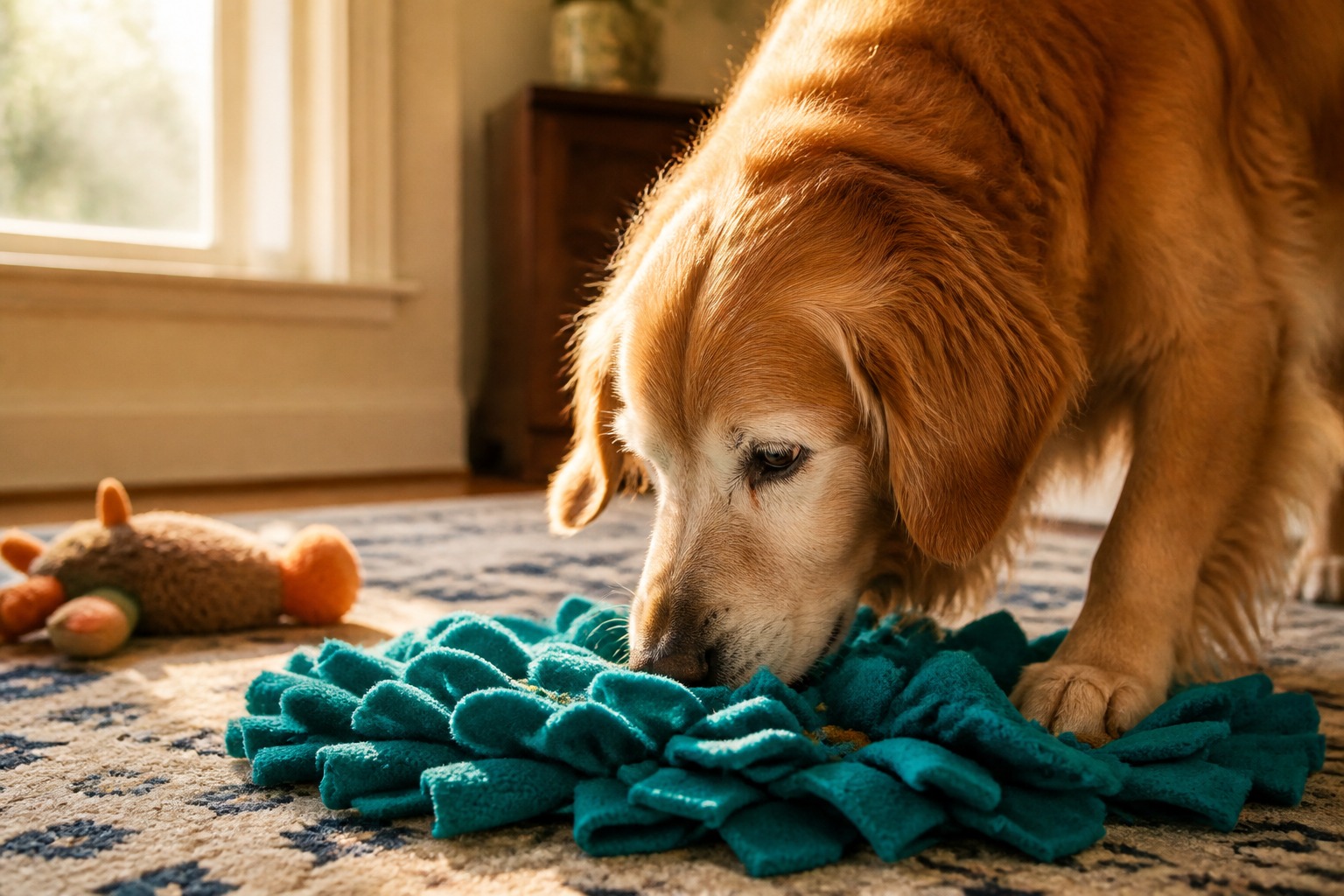
Preparation is mostly about creating calm. Gather the basics first: food and water bowls, a supply of the dog’s current shelter food (matching it avoids the stomach upset a sudden switch can cause), a flat collar with a leash in the four-to-six-foot range, a Kong or similar stuffable toy, a handful of toys in different styles with at least one chew among them, poop bags, a bed or a stack of blankets, and a crate or pen. Add plenty of cleaning supplies, because accidents are a certainty in the early days, not a maybe.
Then plan the space. Choose a quiet, private spot for the dog’s bed, food, and water so they can eat and rest without being ambushed, and decide early where the “bathroom” and the “bedroom” are so the dog can learn the map of their new world quickly. Counterintuitively, less is more here: strip the setup down to essentials, one bed, one feeding spot, minimal clutter. A foster dog doesn’t need variety; they need to believe their surroundings are stable and won’t lurch back into chaos. Tidy away cords, and store anything hazardous or valuable out of reach.
Caring for a dog in decompression
Your role for the first stretch is to build a sanctuary with a predictable rhythm. Get to know the dog through friendly, low-pressure moments, reward-based encouragement, and gentle handling offered rather than imposed. Keep a running log of personality, habits, likes, and dislikes for the shelter, and flag any health or behavior worries to their vet, especially if the dog is struggling to settle.
Dogs read tone far better than words, so keep your voice even and your household steady. Every meal and every walk that arrives the same way, at the same time, sends the same message: nothing bad is coming. A dog reaches the deepest calm when the world around them finally becomes predictable, when boring is the new normal.
“The mistake I see most in new fosters is trying to love the dog into feeling safe too fast, hugs, guests, big walks, the dog park, all in week one,” says Dr. Amara Solis. “A frightened dog reads all of that as more chaos. Give them a small, quiet space, a routine they can set their clock by, and the freedom to ignore you. Safety in a new home is built through predictability, not intensity. Once a dog trusts that the day is going to go the same way it went yesterday, everything else gets easier.”
Make every introduction slow and positive
Picture the worst case: your foster leaps out of the car straight into your resident dog, a scuffle breaks out, and the new dog is traumatized on arrival. Prevent it by keeping other people and animals away until the foster has settled. When you do introduce, do it one at a time, calmly, with breaks in between, and with treats or toys if the dog is receptive. Every household member, kids especially, meets the dog individually and without pressure, and so does every other dog, cat, or critter in the home.
Let the dog become themselves
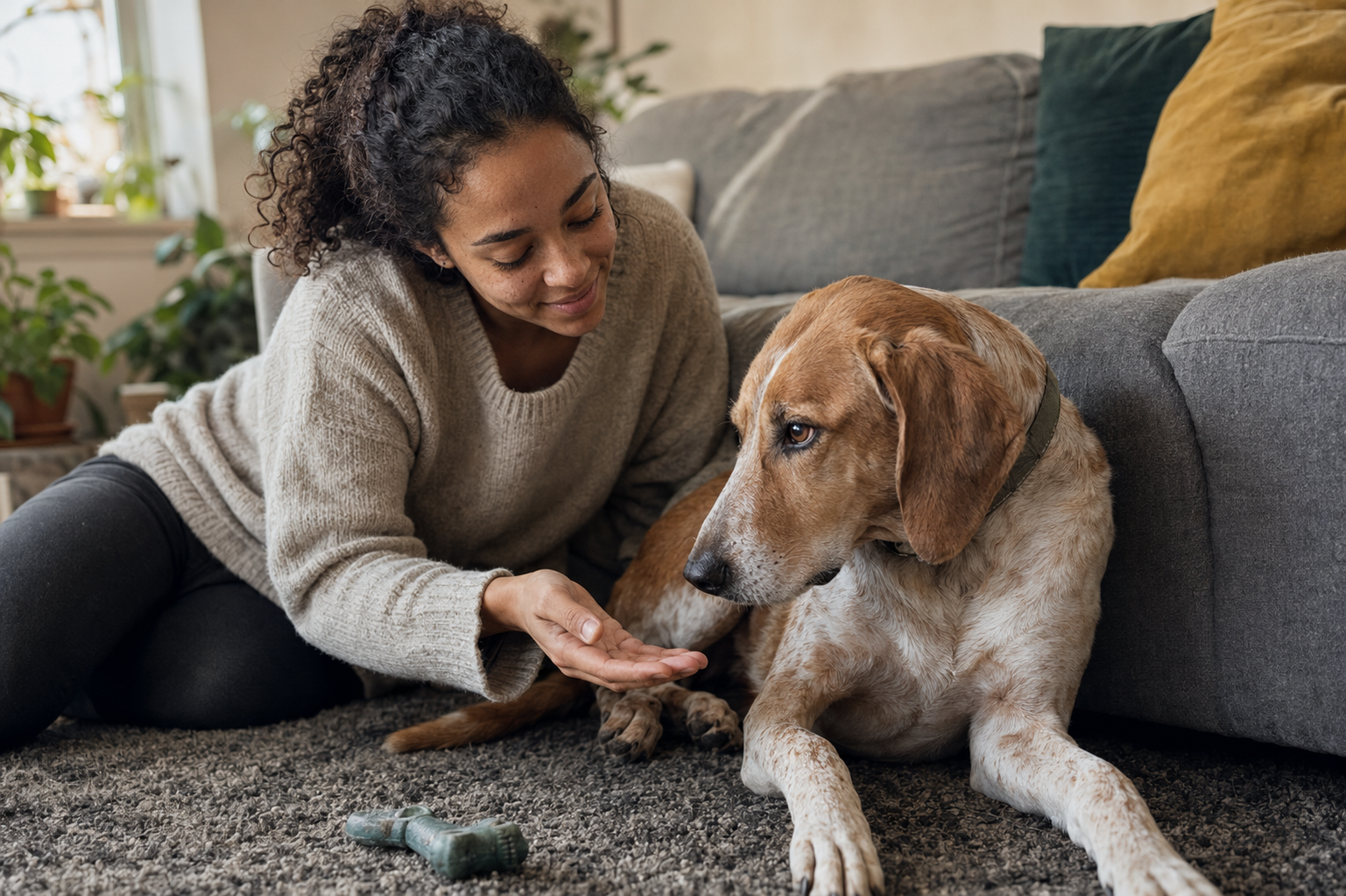
Getting to know a foster can’t be rushed. Spend time simply being near them, learning which toys they like, if any, and how they prefer to play, whether that’s fetch, chase, tug, or nothing at all yet. Do a little training with zero expectations: your foster might know plenty, or might not know their own name or how to sit. If they’re too overwhelmed to learn, that’s fine. Keep sessions relaxed and short, and treat them as a way to associate you with good things, treats, toys, attention, rather than a curriculum they have to pass.
And resist the urge to run errands with your new dog in tow. In the first weeks, avoid non-urgent trips to the vet or groomer if you can; the dog has already absorbed enormous change, and piling on more novelty works against decompression. Obviously, an urgent medical need, or a coat so matted it’s hurting the dog, changes the math, but otherwise, staying home is the therapy.
Above all, be patient, with the dog and with yourself. Many foster dogs won’t understand that you rescued them and won’t trust you at first, because to them you are just one more new thing, and new things have hurt them before. It can take weeks before a tail lifts, or before a dog dares to fall asleep without one eye on the door. That slow thaw is the work, and it is worth it.
Should you foster at all?
Fostering suits people who can handle goodbyes, which is harder than it sounds, because the kind of person drawn to fostering is usually the kind who bonds deeply. Naming that in advance softens the grief. You are meant to be a chapter in the dog’s story, not the whole book: you show a dog what a good life feels like, then hand that life off to the family who keeps it going. Anyone expecting a grateful, adoring rescue from day one will be disappointed, and probably shouldn’t foster.
It also asks for an honest look at your lifestyle, your time, your space, your resident pets, and your tolerance for the messy parts, because some foster dogs arrive with real behavioral challenges like severe anxiety, no house-training, or reactivity that demand patience. But if you love dogs and can’t commit to one forever, or you simply want to make a concrete dent in your local shelter’s crisis, few things fit the bill better.
The bottom line
Opening your home to a foster dog is one of the biggest favors you can do a shelter, and the first days are quieter and more important than most people expect. Give the dog a temporary, loving space to decompress, a predictable routine, basic supplies, and steady reassurance, and keep introductions slow. You’re not there to fix everything. You’re there to give one dog a safe place to recover, grow, and finally show the world who they are. The goodbye will sting. It also means you did the job right.
References
- ASPCA. “Foster a Pet: A Guide for Foster Caregivers.” aspca.org.
- Best Friends Animal Society. “The 3-3-3 Rule for New Rescue Dogs.” bestfriends.org.
- American Society for the Prevention of Cruelty to Animals. “Decompression and the newly adopted or fostered dog.” aspca.org.
- Association of Shelter Veterinarians. “Guidelines for Standards of Care in Animal Shelters.” sheltervet.org.