We tend to picture a retired military dog as a happy ending: the vest comes off, the dog trots into a sunny backyard, roll credits. The reality is harder and far less tidy. Like the human soldiers they served beside, canine veterans often come home carrying invisible wounds, and the work of turning a trained working animal back into a house pet is long, expensive, and almost entirely out of public view. That work is the whole mission of Mission K9 Rescue.
Dogs have gone to war since WWI. Coming back is the new part.
Dogs have fought alongside American troops since World War I, but for most of that history, their homecoming was an afterthought at best. Before the year 2000, military dogs were classified as “equipment,” and equipment gets decommissioned, not retired. Many were routinely euthanized at the end of their service.
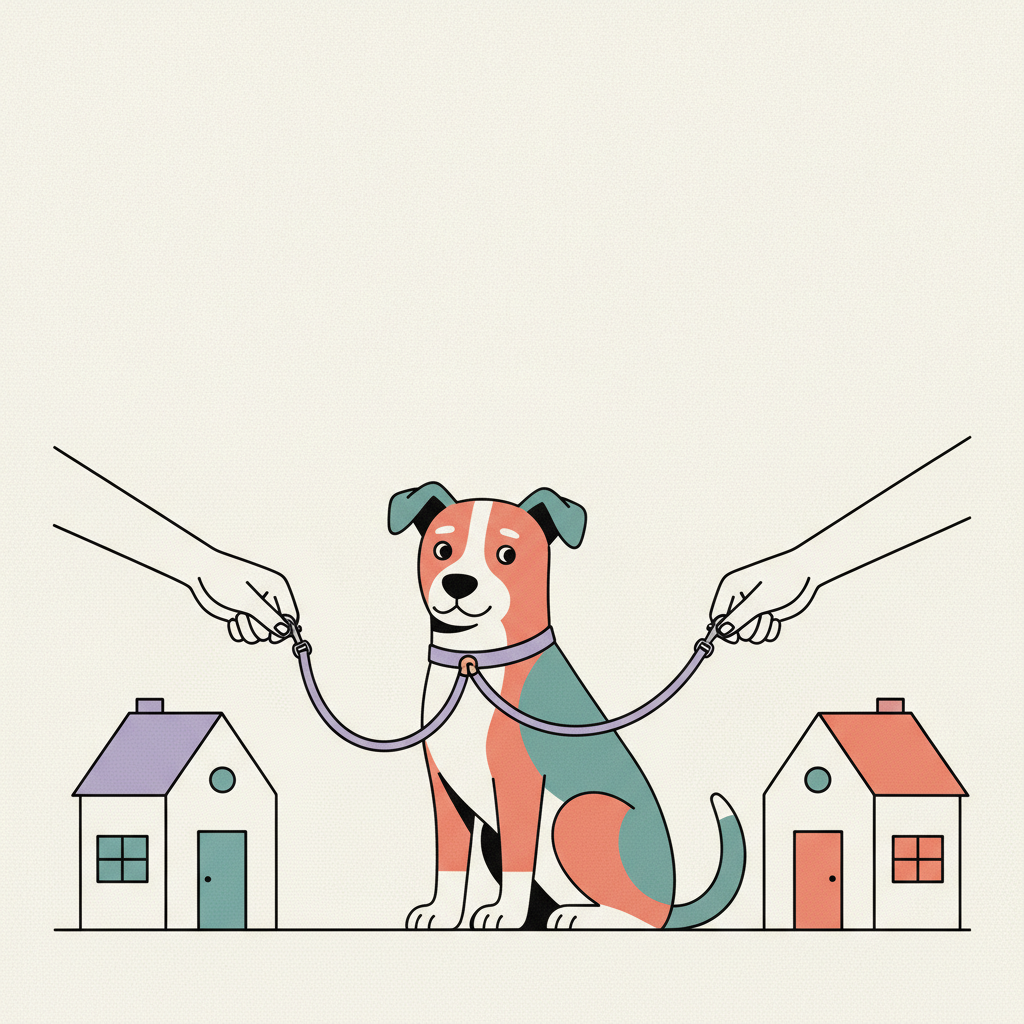
That changed with Robby’s Law, enacted under the Clinton administration in 2000, which required that military dogs be made adoptable after their service and gave their former handlers first claim to bring them home. It was a moral correction, but a partial one. Mission K9 Rescue was founded in 2013 to close the gaps the law left open, reuniting military working dogs with the handlers who knew them best.
Even then, geography got in the way. It was not until 2016, when a provision signed into the National Defense Authorization Act took effect, that dogs who served overseas were routinely brought back onto American ground, and Mission K9’s co-founder Bob Bryant notes that even that had loopholes; the military, he explains, sometimes sidestepped it by designating foreign operating bases as U.S. soil. Real, reliable help getting dogs home from abroad did not arrive until around 2022.
A century of very good dogs
To understand why these reunions matter, it helps to know who these dogs are. The Department of Defense counts roughly 1,600 military working dogs on active duty, and the Army’s K-9 Corps was not even formally established until 1942, yet dogs were making history long before that.
Take Stubby, a stray a soldier from the 102nd Infantry Regiment smuggled to Europe in World War I. Adored at first simply because he could salute with his right paw, Stubby went on to serve in 17 battles, sounding the alarm on gas attacks and, on one occasion, unmasking a German spy who had disguised himself as an American officer. He became the first dog ever granted the rank of sergeant.
Decades later came Lucca, a mix of German Shepherd and Belgian Malinois, and the first dog awarded the Dickin Medal for valor. Working in Iraq and Afghanistan as a Marine Corps dog trained to sniff out explosives, she led roughly 400 patrols and located about 40 devices, work that cost her a leg when an IED detonated near her. After retirement, she was adopted by the very handler whose life she had helped protect.
The reunion that says it all
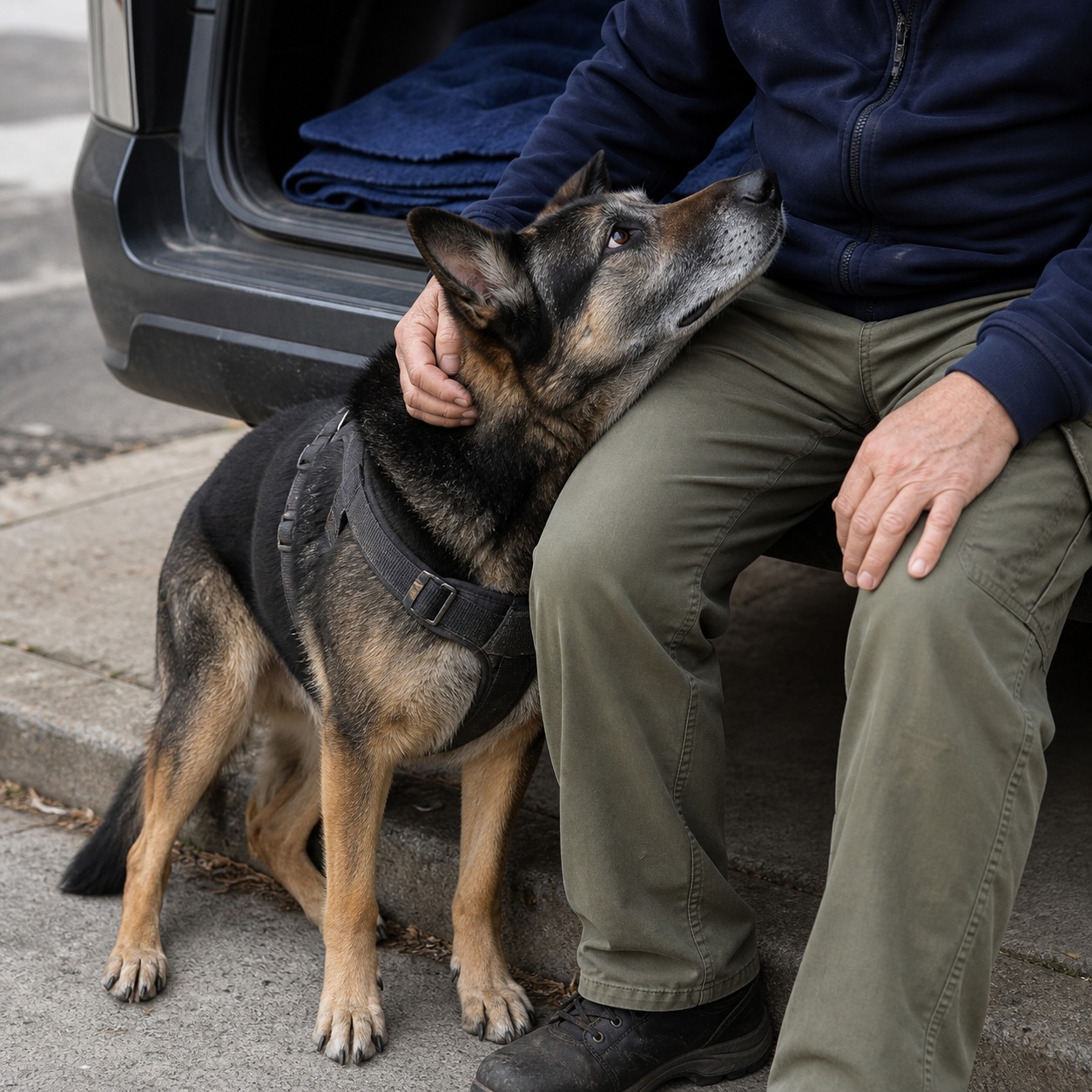
Mission K9’s president and co-founder Kristen Maurer says these bonds do not fade with time apart. She describes one homecoming at Chicago’s Midway Airport, where she stood holding the leash of a giant German Shepherd named Atilla, separated from his Marine handler Jacob for more than a year. When Jacob called out in the old familiar way, the dog recognized it instantly and surged toward him so hard that Maurer lost her grip on the leash entirely. Atilla ran straight into Jacob’s arms, and, she is happy to report, is still enjoying a peaceful retirement with him today. Bryant says that reaction is the rule, not the exception: in every reunion he has witnessed, the dog remembers.
“A working dog and their handler share the kind of bond we see in the deepest human attachments, and it doesn’t erode with separation,” says Dr. Nina Kohl. “What people underestimate is the other side of it. These dogs also carry the stress of what they lived through, and that has to be gently unwound before they can just be a dog again.”
The part nobody funds: un-training a war dog
Not every dog Mission K9 helps came from the U.S. Armed Forces. A large private sector employs contract working dogs around the world, and their treatment varies wildly. Bryant describes some grim arrivals: dogs who have been killed, forgotten, or turn up roughly 30 pounds underweight.
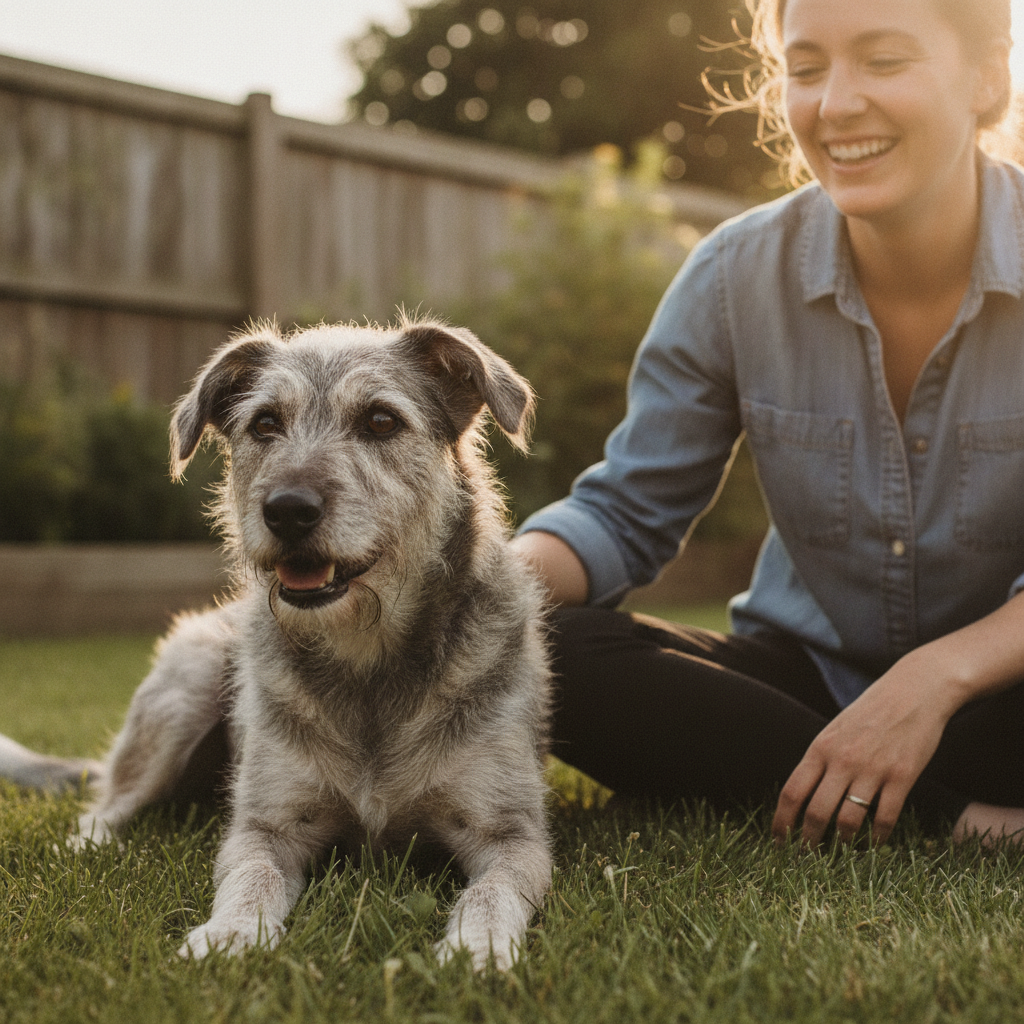
The result looks a lot like what human veterans face. It is common for these dogs to come home with PTSD and related behavioral issues, and Mission K9 has built its entire model around undoing that. Dogs are never kenneled. Instead they spend their days in open yards, running in the sun, before being carefully socialized in controlled settings. Maurer calls the staff “un-handlers,” because their job is to reverse everything the work environment drilled into these animals, to let them relax and relearn how to simply be a dog. That patient approach shows in the numbers: the organization reports a 98 percent success rate of adopted dogs staying with their new families, and it covers whatever veterinary care a dog needs along the way.
As of 2024, Mission K9 had rescued more than 1,300 dogs and reunited over 675 of them with their former handlers, rehoming the rest. The single biggest obstacle to doing more is money. Transporting a dog from another country and providing the extensive vet care many of them need can run into the thousands per animal, which is why the organization runs on donations. Veterans Day tends to be when Americans think about honoring those who served, and these dogs belong squarely on that list, but the bills come due all year.
References
- U.S. Department of Defense. Military Working Dogs: Guardians of the Night
- U.S. Congress. Robby’s Law (2000): Adoption of Retired Military Working Dogs
- PDSA. The Dickin Medal