The plan was simple, and temporary. Henry Friedman, restless at the end of his twenties, would set out on the road alongside his brother Elias, the photographer behind The Dogist, plus a Puerto Rican puppy they were fostering for The Sato Project. The dog, Finn, had been rescued and needed a permanent home somewhere along the cross-country route. By the time the van reached California, that plan had quietly collapsed in the best possible way: Friedman and Finn were inseparable, and the account @KeepingFinn was born. What began as a foster road trip turned into one of the more effective grassroots engines in dog rescue.
From aimless to a mission
Friedman has been candid that he started out with no idea what he was doing. When he left New York City looking for an adventure, his only real job on that first trip, he has joked, was to keep Finn alive and hold the leash while his brother took the pictures. But as he chronicled life on the road, the following grew, and with it came a realization: the platform could do more than document sunsets. He launched a Patreon campaign that funnels 100 percent of donations to animal-welfare organizations, and used the audience to raise both awareness and real money for rescue dogs like Finn.
The results were not small. By 2021, Keeping Finn had raised over $200,000 for animal welfare since its start, with monthly donations climbing to as much as $21,000 during its biggest stretch.
The Baja rescue that shows how it works
Friedman is blunt that the travel is not the point on its own. He has spent significant time in Baja, Mexico, and describes trips there as rescue missions first and beach vacations second, precisely because the rescue work is what makes the nomadic lifestyle feel sustainable to him rather than self-indulgent.
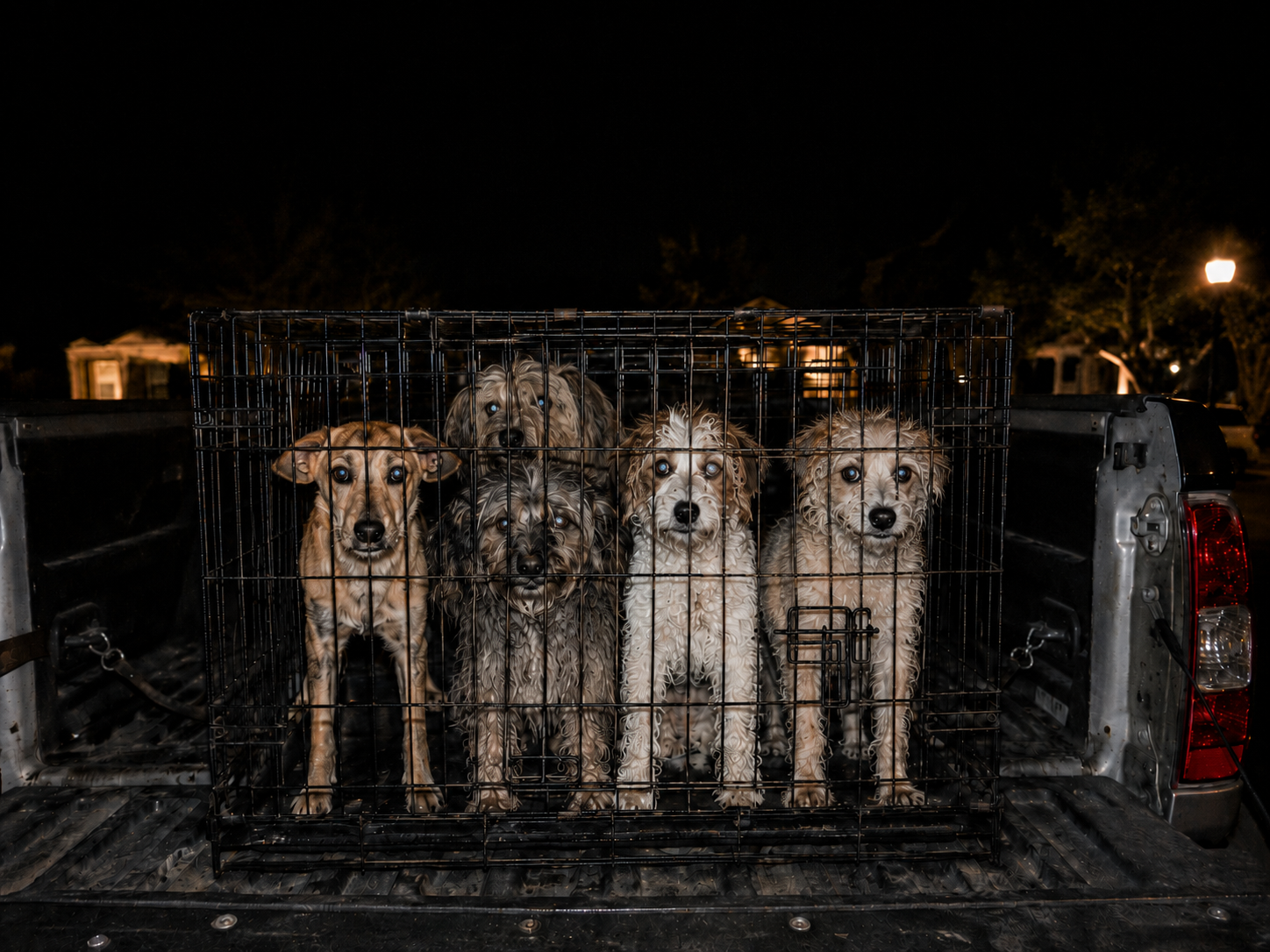
One trip captures the whole model. On a remote beach, a group of stray dogs spent an entire day hanging around Friedman’s van and simply would not leave an impression. Rather than doing what he once would have, leaving them food and driving off, he called a partner rescue, Animal Pad, which drove down to help. The dogs slept beside the van overnight, and the next morning the group loaded them up and drove them to San Diego. Several were covered in ticks and clearly uncared for; two turned out to be pregnant and later gave birth at the rescue to sixteen puppies. Friedman and his partner fostered two of the beach pups themselves, Taco and Belly, the latter of whom was later adopted. That single trip became the account’s biggest fundraising month yet and added Animal Pad to its roster of supported groups.
How he chooses who to support
Friedman has said he looks for purpose-built organizations with a specific mission. Among the partners he has highlighted are Shelter to Soldier, which trains rescued dogs into service animals for veterans, and frontline groups like The Sato Project taking on severe cases in Puerto Rico’s poorest communities. Part of what makes the model work, he argues, is storytelling: watching a dog’s transformation engages people emotionally in a way a donation ask alone never could, which is why a visual platform turned out to be such a powerful vehicle for animal welfare.
A family, and a bigger point about who gets to adopt
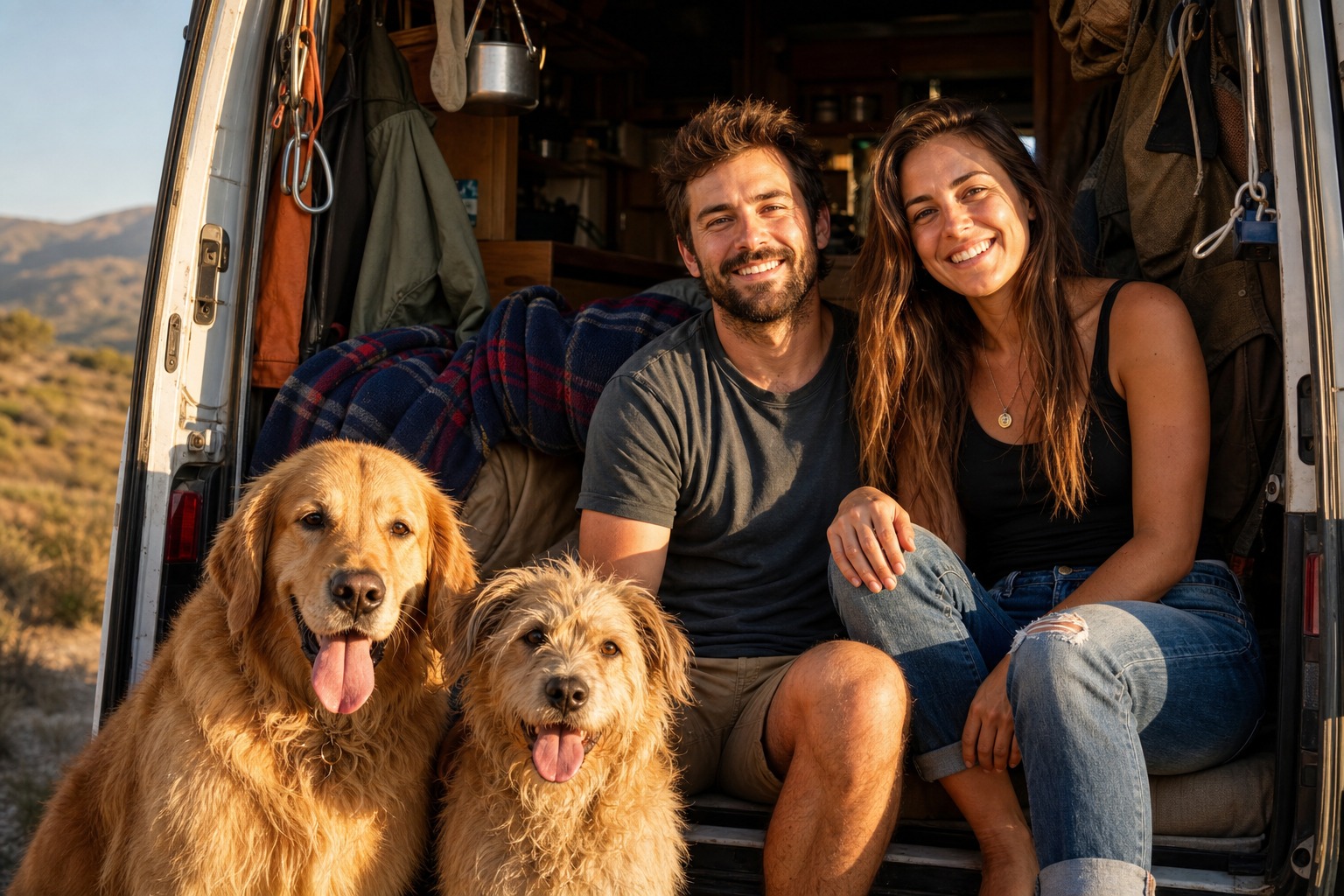
The story also became a love story. Friedman met fellow van-lifer Sydney, of @divineontheroad, and the two combined forces, each with their own van and, eventually, their own dogs. Finn found a best friend in Sydney’s golden retriever, Ella.
That pairing surfaced something Friedman cares about. Sydney has a golden retriever, he points out, in part because no rescue would adopt a dog to someone living in a van. It is a barrier he ran into himself, and it feeds one of his central missions: making animal welfare more inclusive. He has asked, pointedly, whether a dog is really better off waiting in a shelter than living a full life on the road, and has pushed back on the assumption that a fenced yard is a prerequisite for loving a dog. During the racial-justice reckoning of 2020, he set out to find Black-owned rescues to back and turned up only a handful, which is why he has worked with CARE, a group focused on building diversity in animal welfare and reaching underrepresented communities.
What’s new
The nomadic chapter has matured into something more settled. Friedman has continued the rescue work and remained partnered with Sydney, and in the years since the first Keeping Finn road trips he has grown the project while adding new roles to his own life off the road. Finn, meanwhile, has stayed the account’s ambassador for rescue dogs and Puerto Rican satos, still charming people who are surprised to learn he was ever a stray. The fundraising and foster work that started with one puppy and a van have kept going.
The bottom line
Keeping Finn is proof that a good story and a genuine commitment can outgrow their origins. Friedman set out to deliver one foster dog and instead built a traveling rescue platform that has moved hundreds of thousands of dollars toward animals in need. His own summary is hard to improve on: adding meaning to the adventure is what made the adventure worth having.