Almost everything the average person “knows” about tetanus is built around a rusty nail, and for dogs that image is close to useless. Tetanus doesn’t come from rust; it comes from the bacterium Clostridium tetani, which lives in soil. The nail matters only because it’s a way to drive dirt deep into flesh where there’s no oxygen. Reframe it that way and the real risks for dogs snap into focus: not old metal, but any deep, contaminated puncture, and in one specific region, a grass seed you’ve probably never worried about.
There’s a second thing worth knowing up front, and it’s mostly good news. Different species have wildly different sensitivity to the tetanus toxin. Horses, humans, and livestock are the sensitive ones; dogs are considerably more resistant, and cats are so resistant they almost never get it. That relative toughness is why canine tetanus is genuinely uncommon. It’s also why, when it does happen, owners and even clinicians can be slow to see it coming.
What tetanus actually does
The illness is driven by tetanospasmin, a neurotoxin that C. tetani churns out at the wound. From there the toxin creeps along nearby nerves and climbs toward the spinal cord and brain, where its trick is to shut down glycine, the chemical signal that normally tells a muscle to stand down. With the “off” switch jammed, muscles fire without release, and the outcome is the disease’s signature: relentless rigidity, painful spasms, and muscles that won’t quit. In the worst cases the muscles that drive breathing lock up, and a dog needs a mechanical ventilator to survive.
The bacteria behind it are anaerobic, meaning they thrive where there’s no oxygen, which is precisely the environment inside a deep bite wound or puncture packed with soil. That’s the classic setup: a farm dog steps on something and drives dirt into the foot, or a dog gets into a fight, takes a bite wound, and then rolls in the dirt. And in the western United States there’s a distinctly canine gateway, the foxtail, a barbed grass seed that burrows into tissue and drags contamination with it. In one UC Davis review of 35 canine tetanus cases, a foxtail tract was the identified wound in 27 percent of dogs, with another 50 percent of wounds suspicious for a foxtail origin. If you live in foxtail country, that’s not trivia; that’s the main thing to worry about.
The signs, starting with the eyes
Tetanus symptoms usually surface within about two weeks of the wound, and the earliest ones are easy to misread. The first changes are often in the face and eyes: an inability to blink, a constricted pupil, a sunken-looking eye, sensitivity to light, and a dog that seems to be defending its eyes with the third eyelid. Because those look like an eye problem, early tetanus frequently gets treated as one.
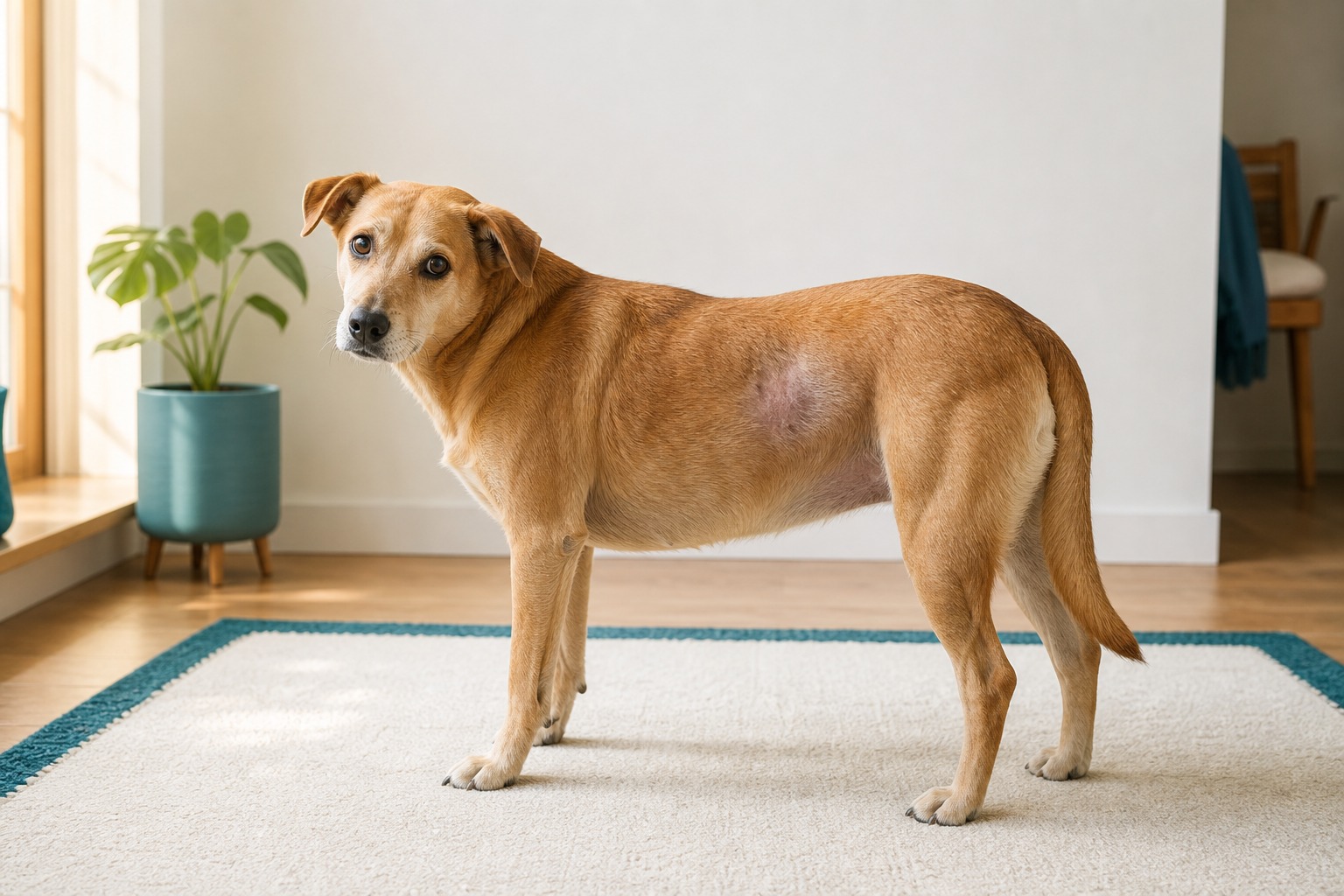
As it progresses, the classic picture fills in. Dogs whose ears normally hang may find them pulled erect. The facial muscles draw back into a fixed grimace, the risus sardonicus or “sardonic grin.” The jaw stiffens toward the “lockjaw” the disease is named for, making swallowing hard. The tail goes rigid. In localized tetanus, the stiffness clusters near the original wound; in generalized tetanus, muscles all over the body tense, leading to spasms and, in severe cases, seizures and the stiff-legged “sawhorse stance” where a dog can barely stand. Some of these signs overlap with other toxins, snail bait or certain molds, which is another way the diagnosis gets muddied.
“I tell owners in foxtail regions to think tetanus if a dog gets weirdly stiff or squinty a week or two after any puncture, even one they barely noticed,” says Dr. Mara Chen. “The wound can heal over and hide while the toxin is still doing its work, so the timeline matters as much as the wound itself.”
How it’s diagnosed and treated
There’s no quick, reliable lab test that confirms tetanus in a dog. Diagnosis rests on the clinical picture, the stiffness, the facial changes, the sawhorse stance, plus a history of a wound in the preceding week or two. That history isn’t always available, because the wound may have been small enough to go unnoticed. Measuring antibodies against the toxin is possible but not used much in practice, and trying to culture the bacterium from the wound usually fails.
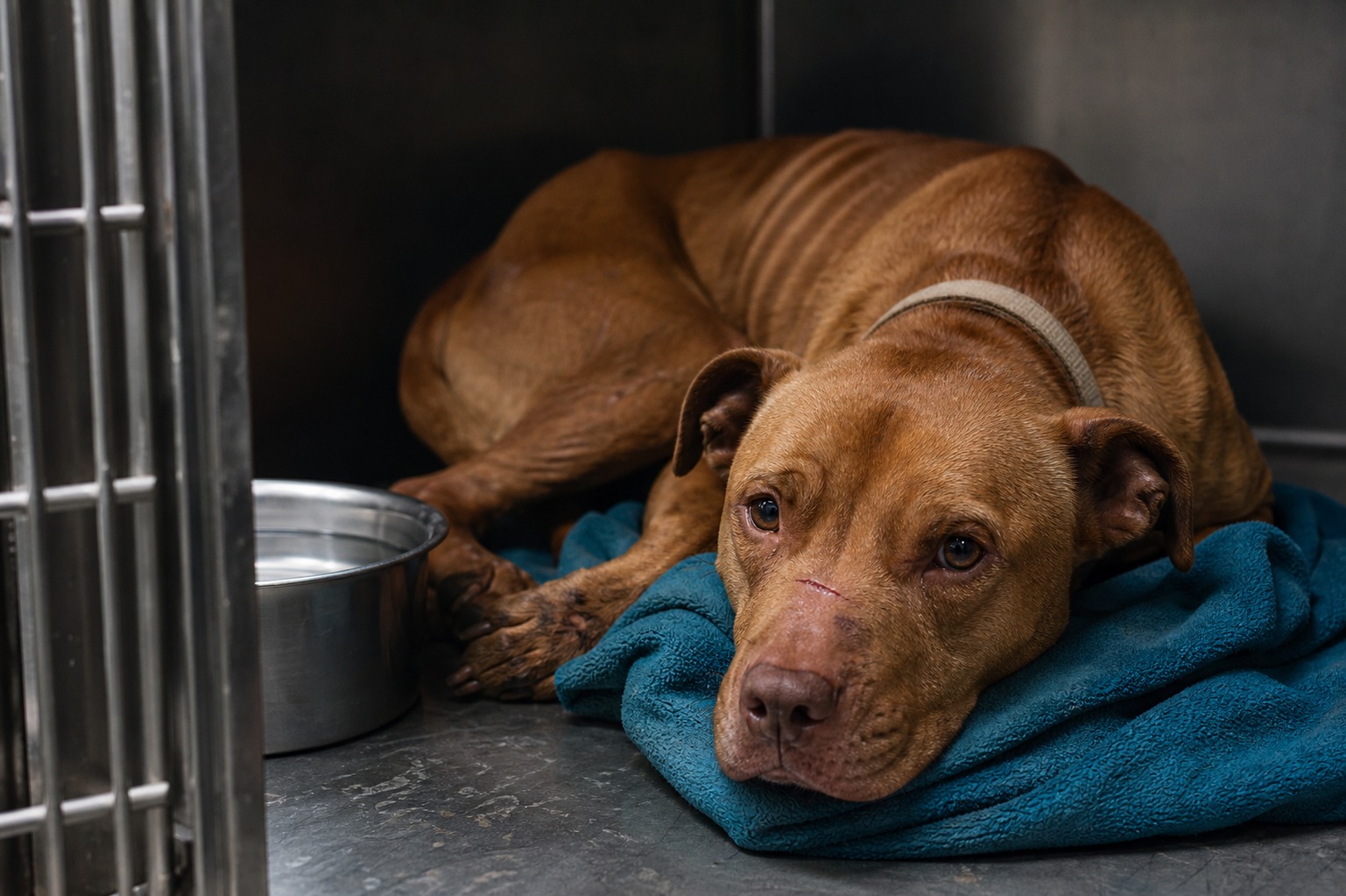
Treatment, when it’s caught, is more effective than the scary symptom list suggests. The first move is antibiotics to kill off the bacteria, and reassuringly, exotic drugs aren’t needed, plain old penicillin does the job. Sedatives and anti-seizure medications help control the spasms. A lot of the work is nursing: a quiet, darkened room with minimal stimulation to avoid triggering spasms, soft bedding to prevent bedsores, and often a liquid diet or slurry because the clenched jaw makes normal eating difficult. Improvement usually shows within the first week, though full recovery can take a month. There’s also tetanus antitoxin, a blood-product antibody solution that can bind circulating toxin if given early, but it only helps toxin that hasn’t yet locked onto nerve cells, and it can cause significant side effects, so vets weigh it case by case.
The prognosis is better than the disease’s reputation implies. In that UC Davis series of 35 dogs, 77 percent survived. The key variable was severity: dogs whose disease stayed mild did very well, essentially all of the less-severe cases survived, while the severe cases were roughly a coin flip. A separate multi-year study of canine tetanus reached similar conclusions, with most dogs surviving given intensive supportive care. Catching it before it reaches the breathing muscles is what tips the odds.
Why you don’t vaccinate your dog
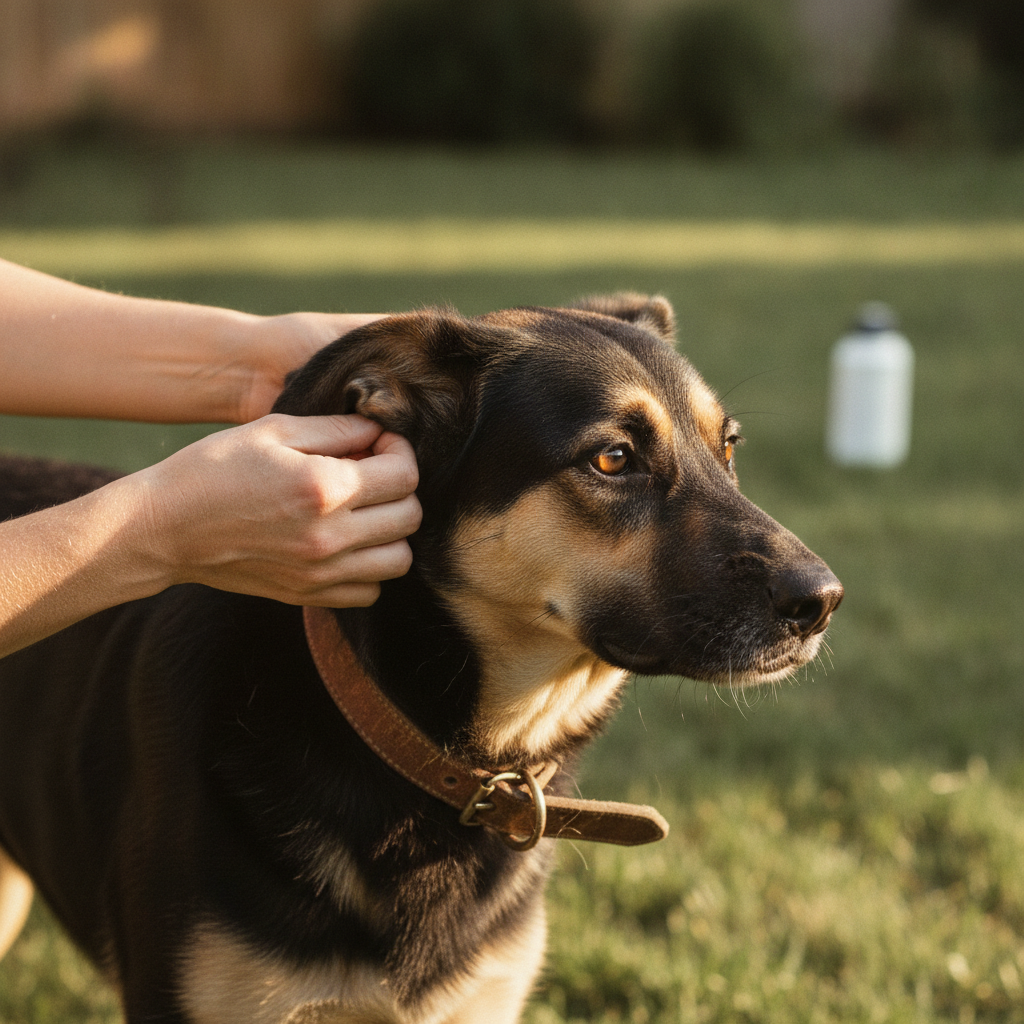
Here’s the payoff of that early good news about resistance. The tetanus shot humans get, and periodically top up, is a vaccine against the toxin, and it makes sense for us because we’re highly susceptible. Dogs aren’t, so routine tetanus vaccination isn’t recommended for them. Prevention for a dog isn’t a needle; it’s wound care, cleaning deep or dirty punctures promptly and thoroughly, and, if you’re in foxtail territory, checking your dog over after outdoor romps and pulling seeds before they burrow.
What newer research adds
Recent retrospective studies have mostly reinforced the reassuring picture: with prompt antibiotics and good supportive nursing, the majority of dogs recover, and early, milder cases do best. The clearest practical refinement is the growing recognition of foxtails as a leading wound source in endemic regions, which shifts prevention advice toward diligent post-walk seed checks rather than the generic “watch for rusty metal.” The core management, penicillin, muscle-spasm control, quiet nursing care, and selective use of antitoxin, has stayed stable, and canine tetanus remains uncommon precisely because dogs’ natural resistance is doing a lot of quiet work in the background.
This piece covers a serious medical condition. It’s general information, not a diagnosis. If your dog develops muscle stiffness, facial changes, or trouble opening its jaw, especially after a wound, see a vet promptly.
References
- Burkitt, J.M., et al. “Risk factors associated with outcome in dogs with tetanus: 38 cases.” Journal of the American Veterinary Medical Association / UC Davis. https://www.vetmed.ucdavis.edu/news/foxtails-pose-serious-health-risks-animals
- “Survival in canine tetanus – retrospective analysis of 42 cases (2006–2020).” https://www.ncbi.nlm.nih.gov/pmc/articles/PMC9797805/
- “Tetanus in Pets (Lock Jaw).” Veterinary Partner, VIN. https://veterinarypartner.vin.com/default.aspx?pid=19239&id=4952625