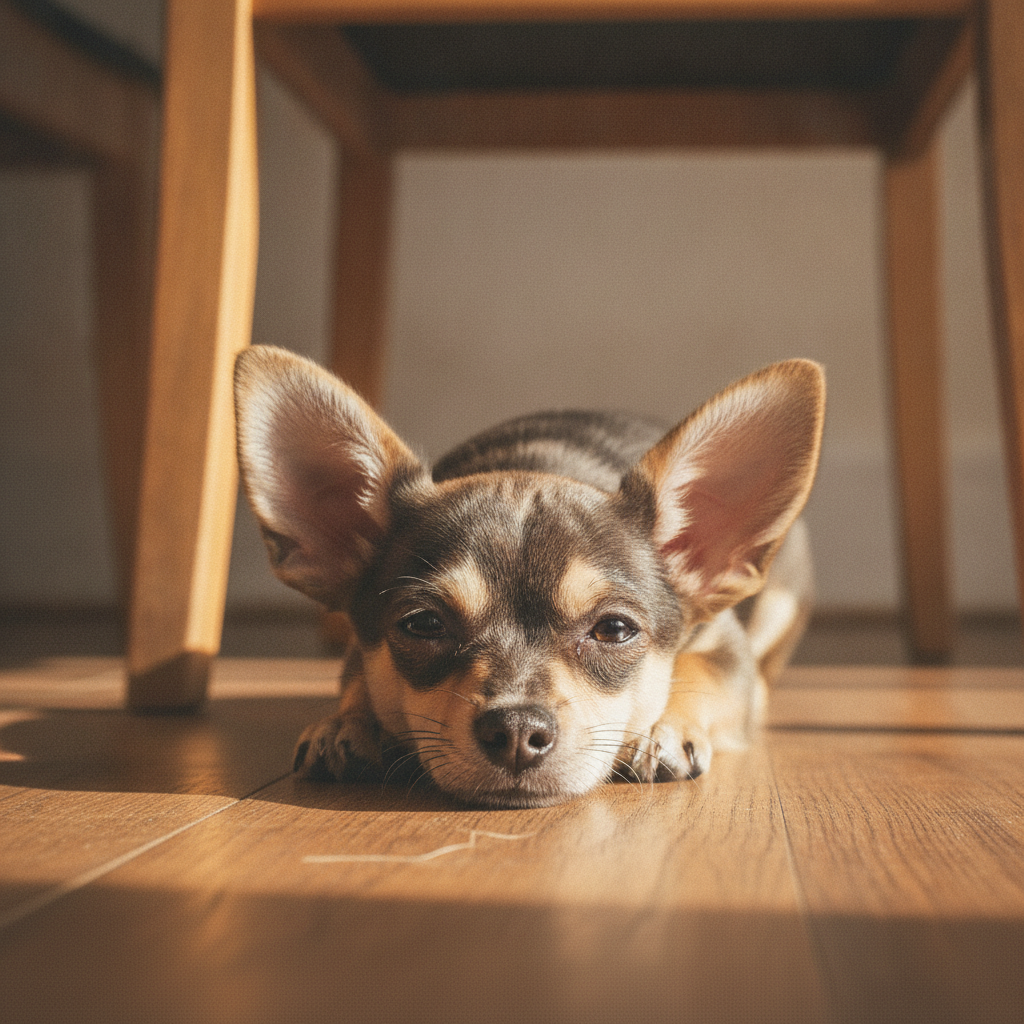
Your dog will happily bury their nose in things that would make you gag, street garbage, another animal’s waste, your shoes after a long day. For an animal whose sense of smell may run somewhere between 10,000 and 100,000 times stronger than ours, that’s not gross, it’s fascinating. Dogs are an olfactory species, drawn to layered, complex smells, and generally the stronger and richer the better. Studies have even found they gravitate toward certain edible plant scents like blueberry, blackberry, peppermint, rose, and lavender.
But that superpower cuts both ways. A nose that sensitive means the smells a dog genuinely dislikes hit hard, and here’s the pattern worth noticing: the odors dogs avoid most tend to overlap with things that can actually irritate or poison them. Their revulsion is often their internal safety system doing its job. Below are eight smells dogs typically can’t stand, sorted not by how the source article listed them but by what they tell you, starting with the merely unpleasant and moving toward the genuinely hazardous.
The sharp and acidic ones (mostly just offensive)
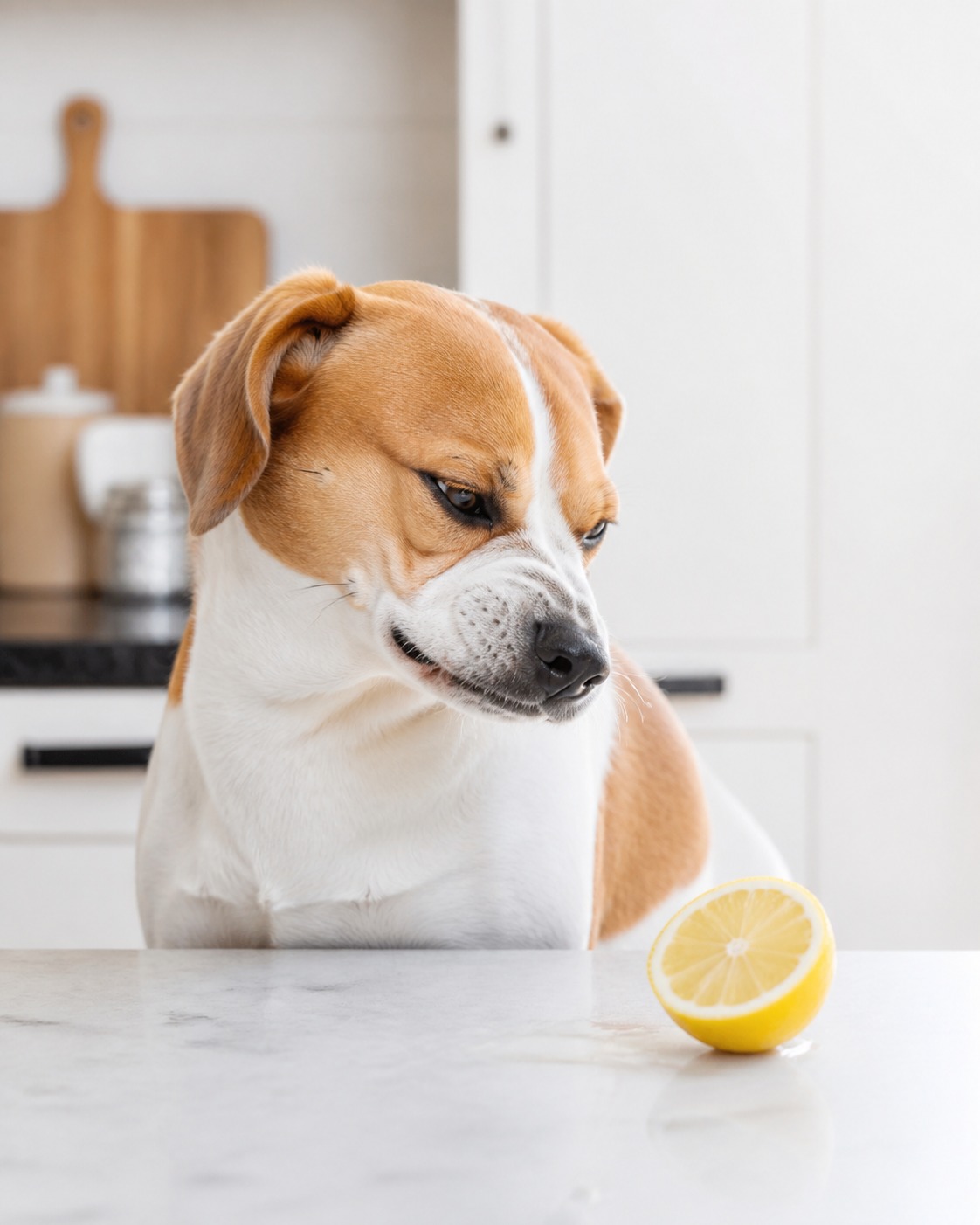
1. Citrus. Ask an expert which smells dogs hate and citrus is usually the first answer. Lemons, limes, oranges, and grapefruit give off an acidic aroma that most dogs actively avoid; peel an orange and offer your fingers for a sniff, and your dog will likely back away. It’s the same principle behind citronella candles repelling insects, the animal kingdom broadly agrees that citrus is a turn-off. On its own the scent is more annoying than dangerous, but concentrated citrus oils are a different story (see the danger list below).
2. Vinegar. Like citrus, vinegar is intensely acidic, and it produces a smell dogs loathe. It’s technically safe for a dog to eat in small amounts, but the sharp odor is genuinely unpleasant to them, which is reason enough not to spritz it around your home as a deterrent or, worse, use it anywhere near training. A dog forced to live in a cloud of a smell they hate isn’t learning anything useful; they’re just stressed.
The kitchen offenders
3. Herbs and spices. There’s a reason most dogs are perfectly content eating the same food every day: they aren’t looking to spice things up. Many common aromatics, rosemary, mint, basil, and garlic among them, are firmly on the canine list of nope. The scent of onions lands there too. That aversion is convenient, because it steers dogs away from ingredients that don’t belong in their diet.
4. Chili peppers. Spicy foods carry capsaicin, the compound responsible for the burn, and it’s an irritant dogs instinctively avoid by smell. That’s a good instinct. Beyond the offensive sharpness, capsaicin can irritate a dog’s eyes, nose, mouth, and stomach, so a dog wrinkling its nose and backing away from your salsa is protecting itself.
The chemical and genuinely risky ones
This is where “hates it” and “should avoid it” line up most tightly.
5. Cleaning products. Many household cleaners give off harsh, bleach-like odors from ingredients like chlorine and ammonia, and dogs dislike them for the same reason we do. The difference is that a dog’s nose amplifies the assault. Crucially, these chemicals aren’t just unpleasant, they can be harmful to inhale or ingest, and a dog’s avoidance is likely tied to that toxicity. The same goes for rubbing alcohol.
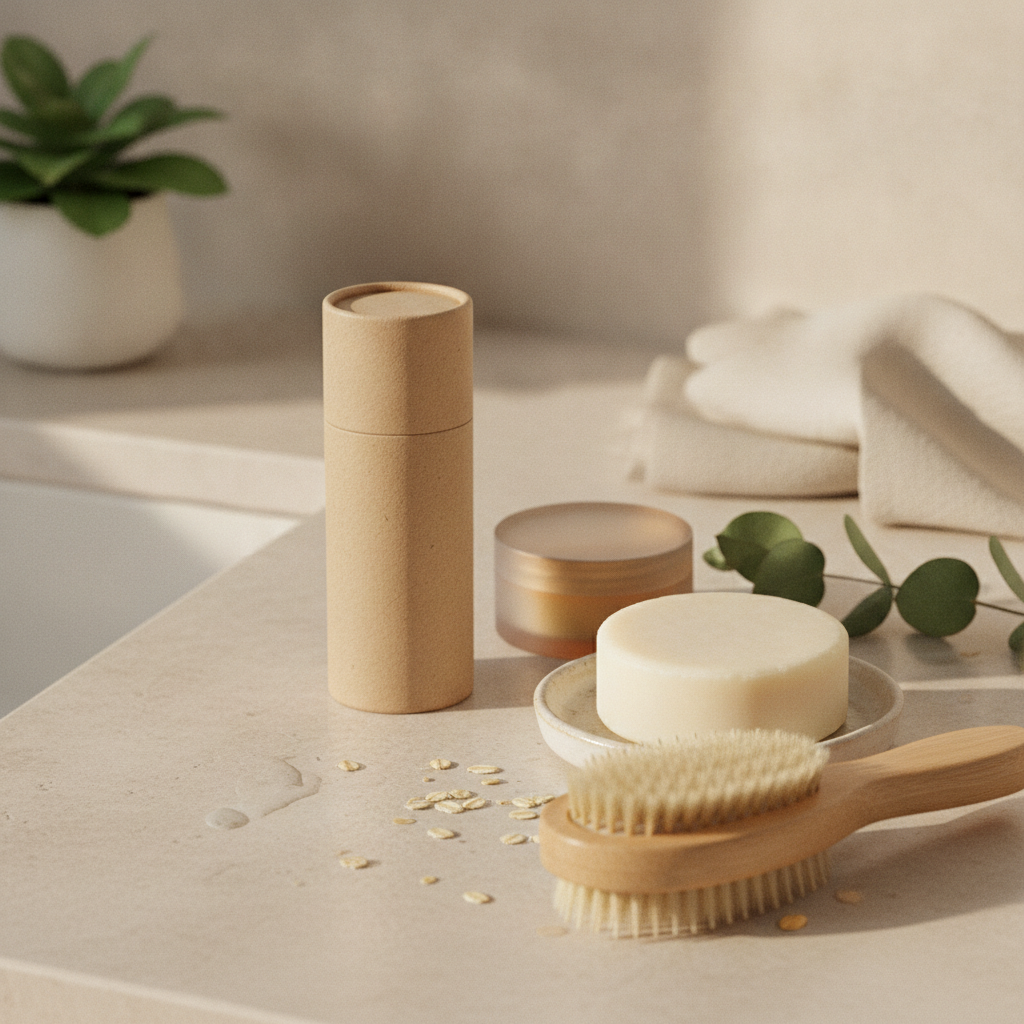
6. Beauty products. Dogs are, by and large, unimpressed by the beauty aisle. Heavy artificial perfumes, and products like nail polish and nail polish remover, can overwhelm a sensitive nose and, in several cases, carry the same toxic risk as cleaning supplies. If a scent smells aggressively synthetic to you, assume it’s far more intense, and potentially more hazardous, to your dog.
7. Mothballs. Mothballs are made of chemicals, and they are outright poisonous to dogs. Most dogs won’t need the warning, because they come equipped to detect trouble: in addition to picking up scent from the air, they have the vomeronasal organ (also called Jacobson’s organ) in the roof of the mouth, which detects chemical compounds directly. Trust that radar and keep mothballs well out of reach, since ingestion is a genuine emergency.
8. Fresh paint and strong solvents. Wet paint, thinners, and similar solvents throw off potent fumes loaded with volatile compounds, and dogs tend to give them a wide berth. Good. Those fumes can irritate the respiratory tract, so if you’re painting, ventilate the space and keep your dog in a fresh-air room until everything has cured and cleared.
Hate versus harmful: the distinction that matters
Here’s the practical upshot. A smell your dog dislikes is not automatically dangerous, most citrus, vinegar, and herbs are simply offensive to them, and avoiding them is a preference, not a health measure. But a real subset of the odors dogs recoil from, cleaning chemicals, mothballs, solvents, concentrated essential oils, and irritants like capsaicin, mark substances that can actually cause harm. Learning which is which turns your dog’s grimace into useful information.
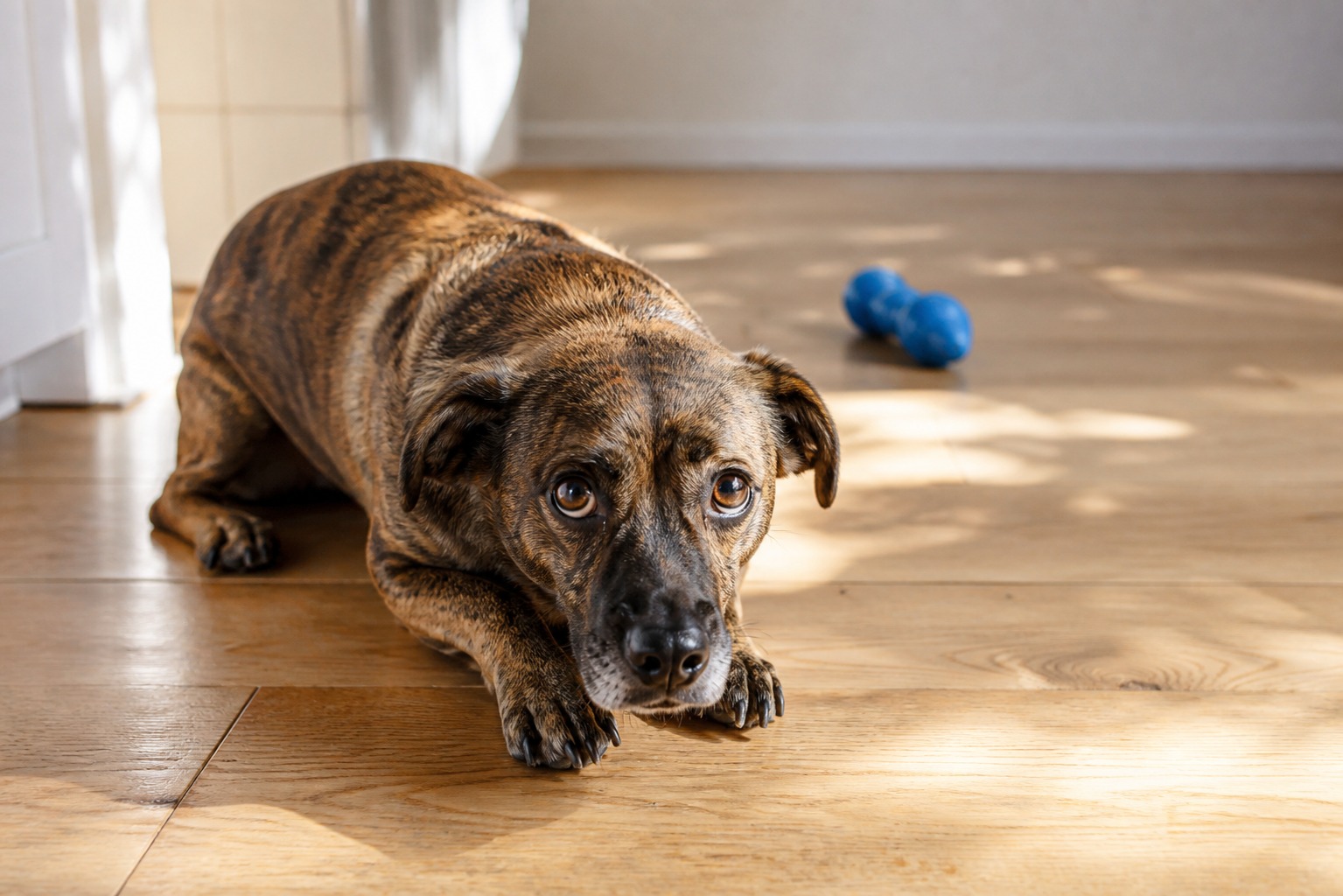
“I tell owners to treat a strong aversion as a data point, not just a quirk,” says Dr. Amara Solis. “A dog backing away from a freshly mopped floor or an open can of solvent is often reacting to something that genuinely isn’t good for them. The mistake is assuming that because a smell is ‘natural,’ like a citrus or essential oil, it’s automatically safe, concentrated oils are one of the more common exposures I see. When in doubt, air out the space and give your dog somewhere else to be.”
The bottom line: a dog navigates the world nose-first, and the smells they refuse are part of how they keep themselves safe. Respect the ones they hate, and pay closer attention to the ones on that second list, because those aren’t preferences. They’re warnings.
References
- VCA Animal Hospitals. “Are Essential Oils Safe to Use Around My Pet?” https://vcahospitals.com/know-your-pet/essential-oils-and-pets
- ASPCA Animal Poison Control Center. “People Foods to Avoid Feeding Your Pets.” https://www.aspca.org/pet-care/animal-poison-control/people-foods-avoid-feeding-your-pets
- Pet Poison Helpline. “Mothballs.” https://www.petpoisonhelpline.com/poison/mothballs/