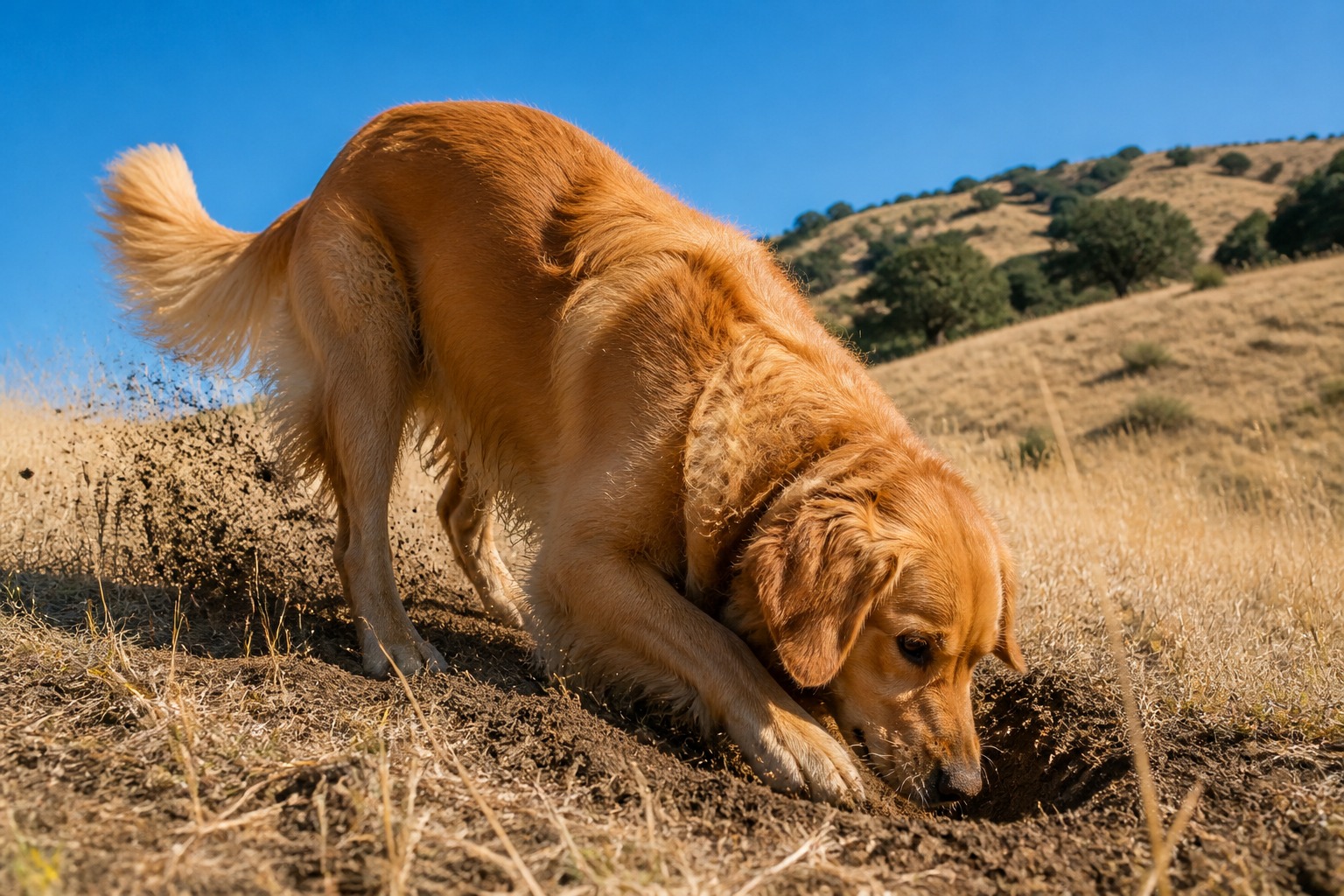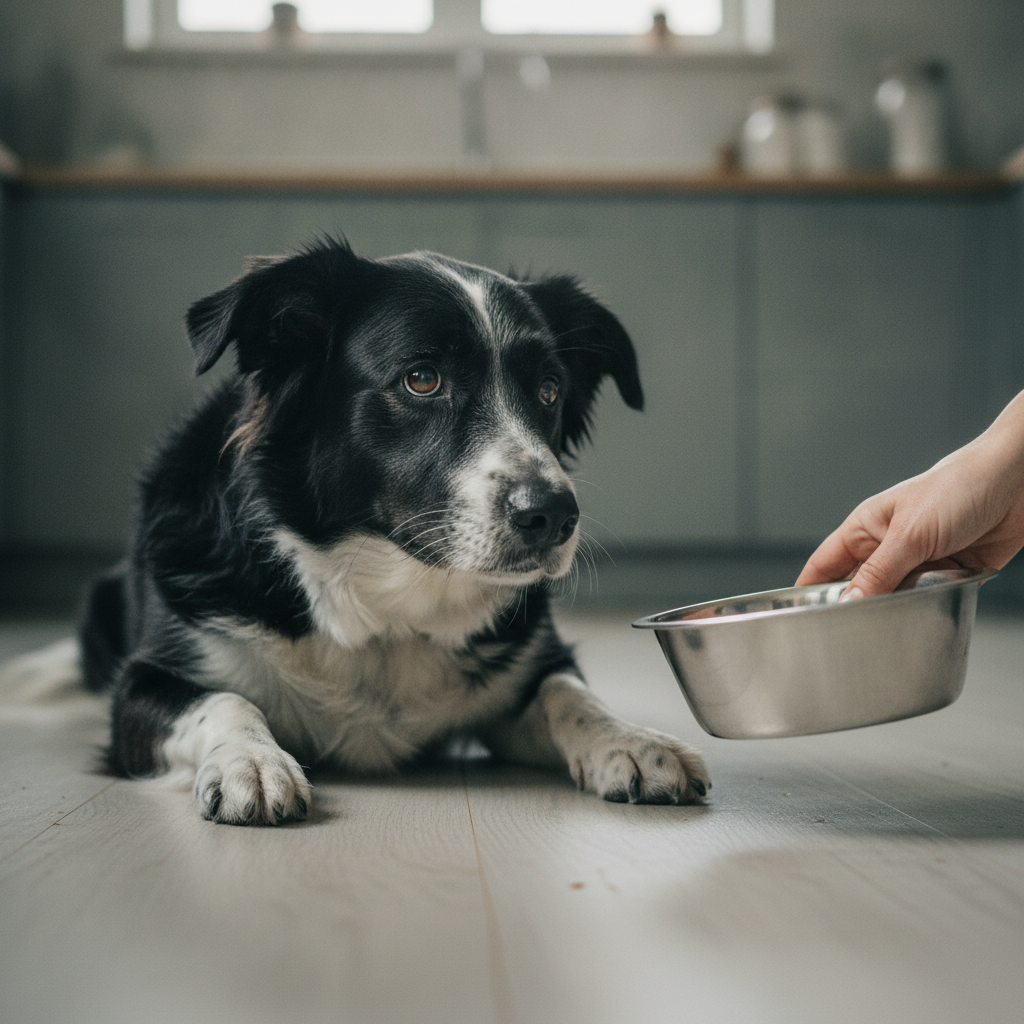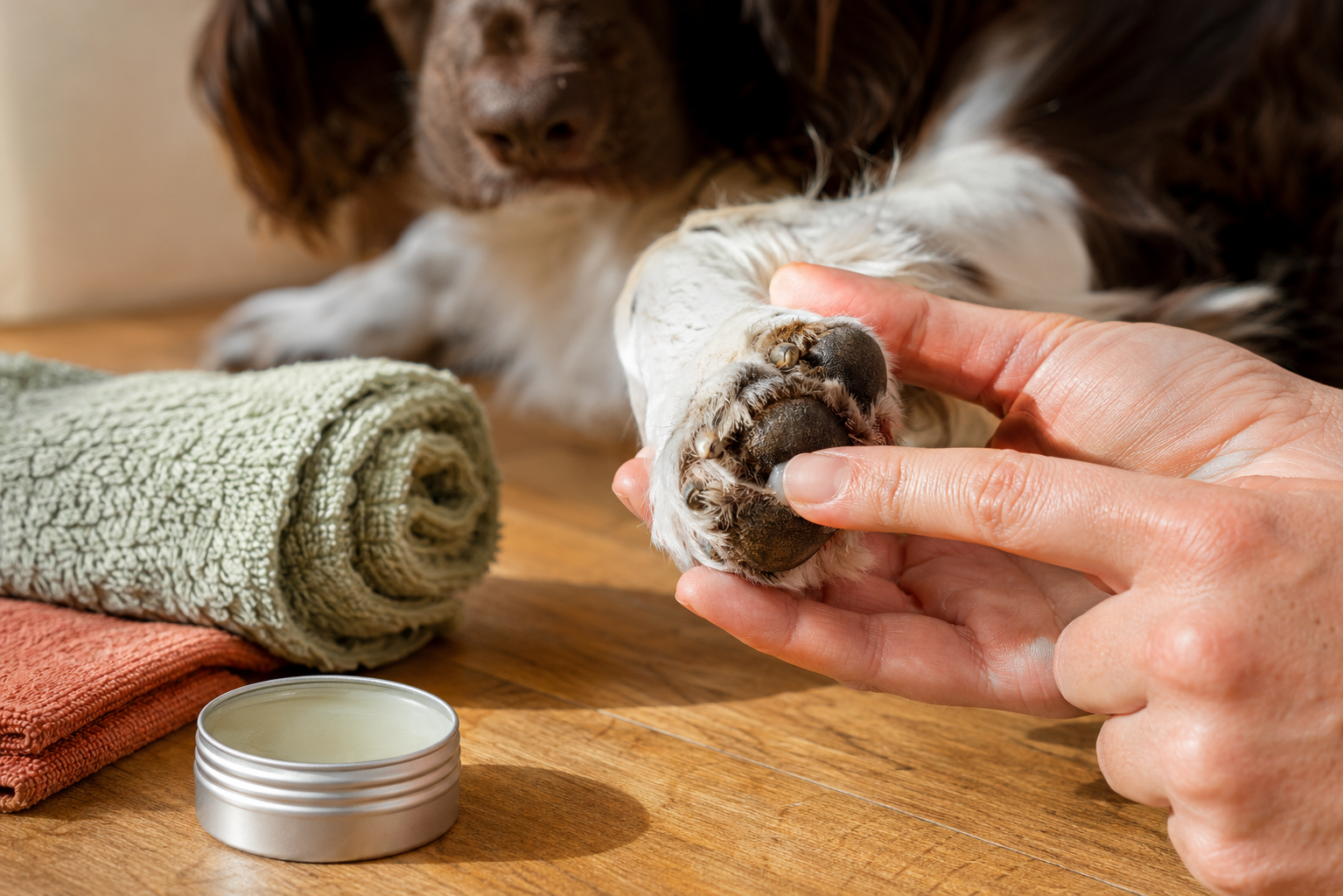
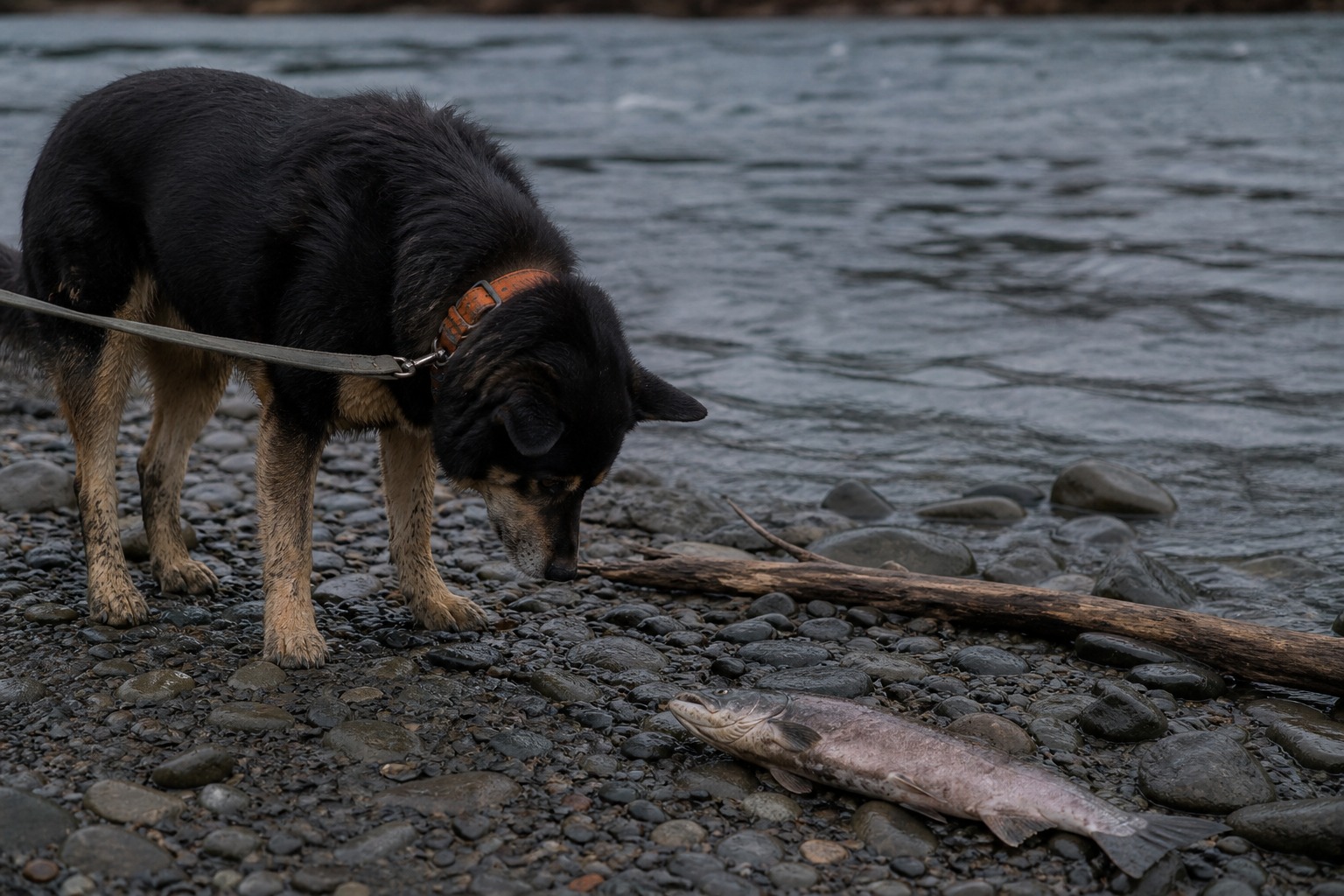
Your dog picks up a dead fish on a riverbank in Oregon. You think, gross, and you pull them away, and nothing happens. Five days later, nothing has still happened. On day six or seven, your dog goes off their food. Then the vomiting starts, then the fever, and by then the clock that started at the riverbank has been running for a week.
That is salmon poisoning disease, and its cruelty is entirely in the delay. Untreated, it kills roughly 90 percent of infected dogs, usually within two weeks of the meal. Treated, mortality drops to around 14 percent, and most dogs start looking better within a day of the first antibiotic dose.
Almost nothing separates those two outcomes except whether somebody tells the veterinarian about the fish.
What is actually happening inside your dog
The name is misleading twice over. It is not poisoning, and it is not really about salmon.
It is an infection with a bacterium called Neorickettsia helminthoeca, which hitches a ride inside a parasitic flatworm, a fluke, which itself lives inside raw salmonid fish. Your dog eats the fish. The fluke larvae attach to the intestinal wall and release the bacteria. The bacteria spread through the bloodstream, and the disease stops being a gut problem and becomes a whole-body one, hitting the lymph nodes and other organs.
Symptoms look enough like distemper that it can be misread. They typically appear about a week after the meal, which is exactly long enough for you to have forgotten the fish.
The symptom list
- Loss of appetite, often the first sign
- Vomiting
- Diarrhea, sometimes bloody
- Severe intestinal upset
- High fever
- Swollen lymph nodes
- Twitching
- Seizures in advanced cases
Any of these, in a dog who has been anywhere near raw fish in the last two weeks, is a same-day veterinary visit.
Who is actually at risk
The whole system, the fish, the fluke, the snail that the fluke needs earlier in its life cycle, and the bacterium, is geographically penned in. It lives in the Pacific Northwest: Oregon, Washington, northern California, and British Columbia. If your dog has never been near those waters and never eaten raw salmonid fish, this is not your problem.
If your dog has been, the exposure routes are broader than most people think:
- Raw fish, obviously
- Undercooked fish
- Smoked fish, because cold-smoking does not reliably kill the organism
- Fish carcasses washed up on riverbanks, beaches, and trails
- Salamanders, which can carry the infected fluke
Cooking to a proper internal temperature destroys it. Freezing is less reliable as a home method than people assume, so cook it.
“The fatal cases are almost never the ones where the owner said ‘my dog ate a fish,’” says Dr. Ravi Mehta. “They are the ones where a dog shows up on day seven with a fever and vomiting, and nobody mentions the river. Say the sentence. It changes the whole diagnostic path.”
Treatment is genuinely effective, and it is not exotic
This is the part that should be reassuring, because it is unusual for a disease with a 90 percent untreated mortality rate to be this treatable.
Standard treatment is an antibiotic and a dewormer, working on the two halves of the problem. Doxycycline handles the bacterium. Praziquantel clears the fluke, which both improves the gut signs and stops the dog shedding trematode eggs. Supportive care fills the gaps: intravenous fluids for the dehydration, anti-nausea medication so the dog can hold something down.
Clinical signs usually begin improving within about 24 hours of starting antimicrobial therapy. Prognosis with early treatment is excellent.
Diagnosis is not exotic either. Your vet can find fluke eggs on a fecal examination, or identify the organism in a needle aspirate of a swollen lymph node. Bringing a stool sample to the appointment can save a day, and a day matters here.
Do not assume your dog is immune
There is a piece of folklore that a dog who survived salmon poisoning and was treated with antibiotics is protected for life. It is not safe to rely on.
Part of the problem is a second organism, the SF agent, which closely resembles Neorickettsia helminthoeca and causes a similar but milder illness. A dog who had SF agent may have no protection at all against the real thing. Nobody should be making assumptions about a dog’s immunity to a disease this lethal.
What newer research adds
The clinical picture has firmed up in a useful direction: the numbers on treatment are better than the disease’s reputation suggests. Current veterinary references put overall mortality with treatment at roughly 14 percent, against a fatality rate near 90 percent in untreated dogs, with death typically occurring two to ten days after symptoms begin.
Two practical points follow. First, the incubation window means a dog can look completely normal for the better part of a week after the exposure that will kill them. Vigilance has to outlast the appearance of health.
Second, and this is the reason a small piece of knowledge is worth so much here, the treatment is cheap, standard, and available at any general practice. Doxycycline and praziquantel are not specialty drugs. The bottleneck is never the medicine. It is the diagnosis, and the diagnosis usually depends on you remembering a fish.
If you hike, fish, or walk beaches anywhere between northern California and British Columbia, keep your dog off carcasses, and if they get one, call your vet that day.
This article is for information. It is not a substitute for veterinary care. Call your veterinarian right away if you believe your dog picked up raw fish anywhere in the affected region.
References
- Merck Veterinary Manual. Salmon Poisoning Disease in Dogs.
- UC Davis School of Veterinary Medicine. Salmon Poisoning Disease in Dogs.
- Salmon poisoning disease in dogs: clinical presentation, diagnosis and treatment. Veterinary Medicine: Research and Reports. PMC9718139.
- California Department of Fish and Wildlife. CDFW Warns Dog Owners to Be Mindful of Salmon Poisoning Disease.