


Stuck Inside With a Wired Dog? 9 Ways to Wear Them Out Without a Walk
A rained-out walk doesn't have to mean a bored, restless dog. Most of these ideas tire a dog through their nose and brain, which drains more energy than another loop around the block ever could.
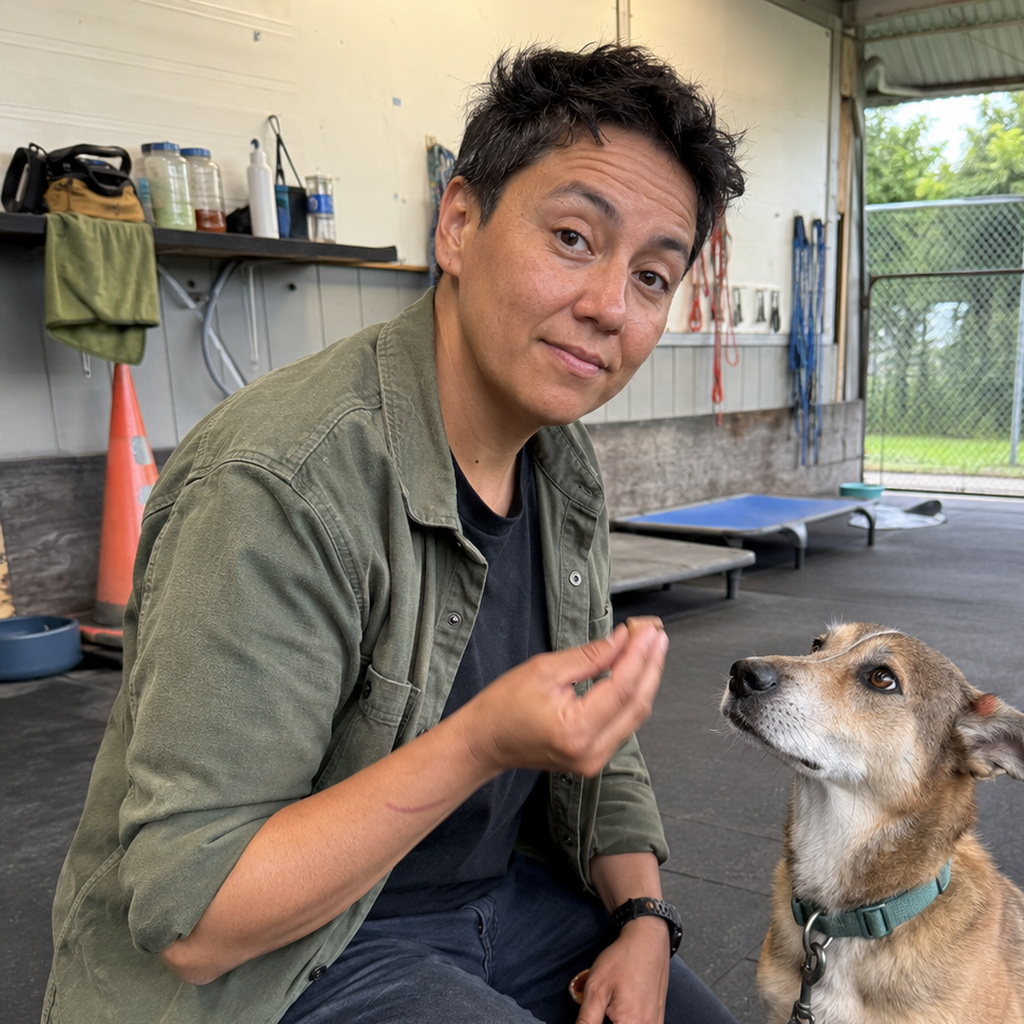
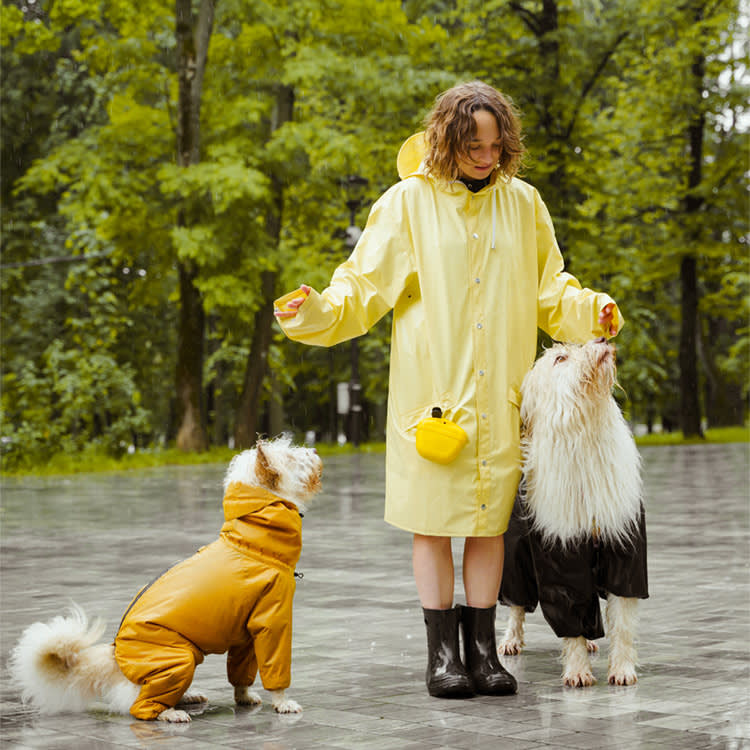
The forecast fell apart, the park is a swamp, and your dog is staring at you like the weather is a personal betrayal. Before you resign yourself to a long, restless afternoon, here’s the reframe that changes everything: a dog doesn’t actually need to cover distance to feel satisfied. They need to work. And most of the best rainy-day activities tire a dog out through their nose and their brain, which is often more draining than a soggy walk would have been anyway. Here are nine ways to spend the time well.
1. Turn dinner into a scavenger hunt
Skip the bowl. Scatter your dog’s kibble across a towel, a snuffle mat, or a rug, or tuck it into a few spots around one room and let them sniff it out. Foraging for food taps the oldest, most satisfying part of a dog’s brain, and a few minutes of concentrated sniffing leaves many dogs pleasantly tired in a way a fast walk doesn’t. It’s the single easiest indoor upgrade, and it costs nothing.
2. Hand over a frozen project
A rubber chew toy or a lick mat, smeared with something dog-safe like a little plain canned food or mashed banana and then frozen, turns a five-minute snack into a twenty- or thirty-minute job. The freezing is the trick: it stretches the challenge, and the steady licking is genuinely calming for a keyed-up dog. This is the one I reach for when I need my own dog occupied while I get something done.
3. Play “find it”
Put your dog in a stay, hide somewhere in the house, then call them to come find you. When they do, throw a party, treats, a game of tug, a favorite chew, a belly rub, whatever they love most. You can play the same game with a hidden treat or toy instead of yourself. It layers a little obedience (the stay, the recall) onto a nose game, so their body and brain both clock out.
4. Run a few micro training sessions
Rainy days are perfect for teaching something new, because there’s nothing competing for your dog’s attention. Teach a fresh trick, spin, bow, or “head down on your paws,” or sharpen the cues they already half-know. Keep sessions short and upbeat and pay generously with treats. Learning is mentally taxing in the best way, and five focused minutes a few times a day adds up fast.
5. Break out a puzzle feeder
A store-bought puzzle feeder or a homemade version, kibble hidden in a muffin tin under tennis balls, or rolled inside an old towel, makes your dog problem-solve for their food. Start easy so they win early and stay motivated, then ratchet up the difficulty. The payoff is a dog who’s thinking hard, not pacing.
6. Get a real burst of movement
Some dogs need to physically blow off steam, and you can deliver indoors. A short, controlled game of tug or a few minutes with a flirt pole (a toy on a rope you swing for them to chase) gets the heart rate up in a small space. Keep it structured, work in “drop it” and “sit” between rounds, so it stays a game with rules rather than pure chaos.
7. Build an indoor obstacle course
Use what you have. Drape a blanket over two chairs for a tunnel, lay a broom on some books to step over, and reward your dog for going under, over, and around. If you’ve got stairs, a few supervised up-and-down recalls are a great low-impact workout for a healthy adult dog. It’s problem-solving plus movement, which is the combination that really settles a dog afterward.
8. Make it a spa day
A dreary afternoon is a fine excuse for some grooming. Give your dog a bath, clean their ears, trim their nails, and work through their coat with a good brushing. Done calmly and paired with treats, it doubles as handling practice, so the next vet visit or nail trim goes more smoothly. There’s little sweeter than a freshly groomed, slightly smug dog.
9. Try canine massage and gentle stretches
Wind down with some hands-on time. Slow, gentle massage and easy stretches can relax a dog and deepen your bond, and it’s a lovely way to end a busy indoor day. If you want to learn proper technique, start with a reputable canine-bodywork video or guide rather than improvising on joints.
A bonus for the water lovers: plenty of dogs couldn’t care less about a little drizzle. If yours is one of them, a short splash through puddles or even ten minutes watching the rain from a covered porch might be their absolute first choice, so read your own dog before you write off the outdoors entirely.
What newer research adds
If you only remember one idea here, make it the nose. A growing body of canine-behavior work backs up why sniffing games punch above their weight: letting a dog use their nose appears to lower arousal and even shift them toward a more “optimistic” frame of mind, which is why a short foraging or scent session can leave a dog calmer and more content than a brisk march around the block. The practical upshot on a bad-weather day is freeing. You don’t need space or good weather to genuinely satisfy your dog. You need a handful of treats, a few hiding spots, and a little patience.
The mistake I see on rainy days is people trying to replace a two-mile walk with two miles of pacing indoors. You can’t, and you don’t have to. Fifteen minutes of hard sniffing and a puzzle toy will settle most dogs better than the walk would have. Work the nose, and the calm follows.
The bottom line
A washed-out day isn’t a loss for your dog, it’s a chance to exercise the parts of them a normal walk barely touches. Lean on nose games, food puzzles, short training bursts, and calm bonding, and you’ll trade a restless, under-stimulated dog for a happily worn-out one, no umbrella required.
References
- “Let Me Sniff!” Nosework Induces Positive Judgement Bias in Pet Dogs — Duranton & Horowitz, Applied Animal Behaviour Science
- Canine Enrichment — ASPCA
Jordan Ellis is a certified professional dog trainer with a decade of experience working with rescue organisations and private clients. They specialise in anxiety, reactivity, and positive reinforcement methods, and review all training and behaviour content at The Pet Times.
Meet our experts ↗Keep reading
 TrainingStop Steering. The Walk Is the One Thing Your Dog Should Get to Decide.Dr. Lena Park · 7 min
 TrainingThe Walk Isn't Cardio. 9 Myths That Ruin It.Dr. Nina Kohl · 8 min
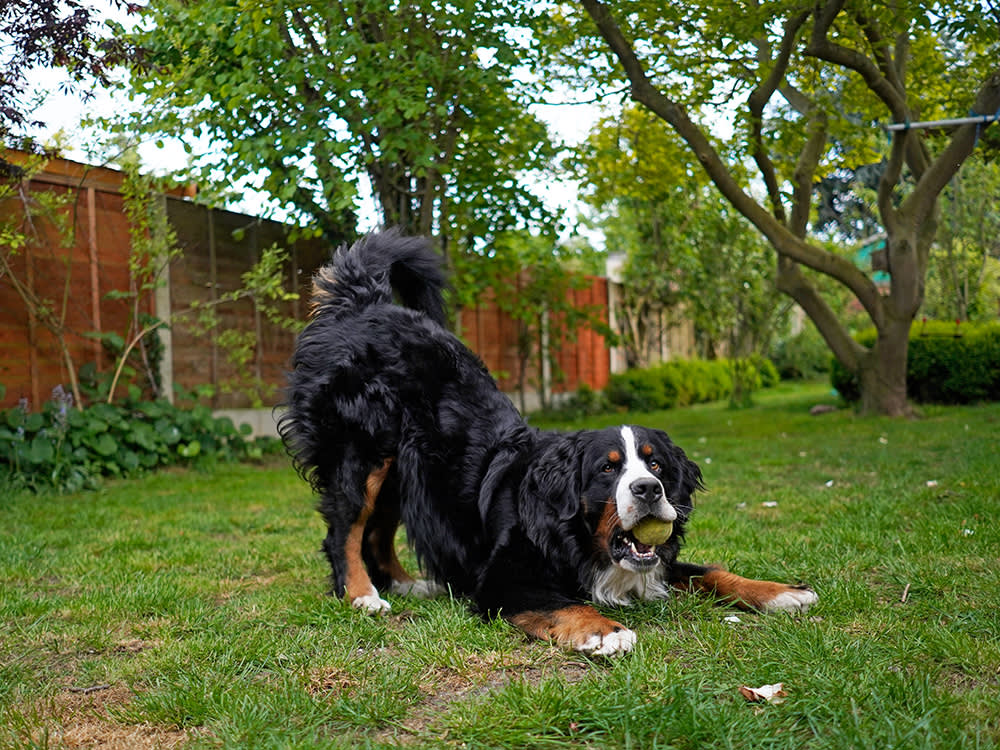 TrainingThe Play Bow Is the Clearest Word Your Dog Knows. Learn to Say It BackDr. Lena Park · 5 min
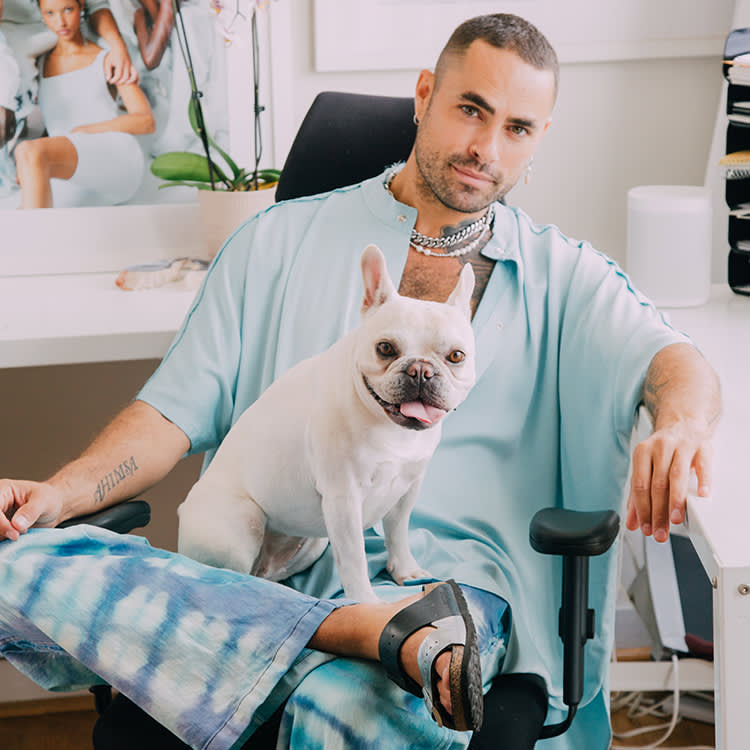 LivingHis Dog Walks Into the Office at 5 P.M. and Ends the WorkdayJames Okafor · 6 min
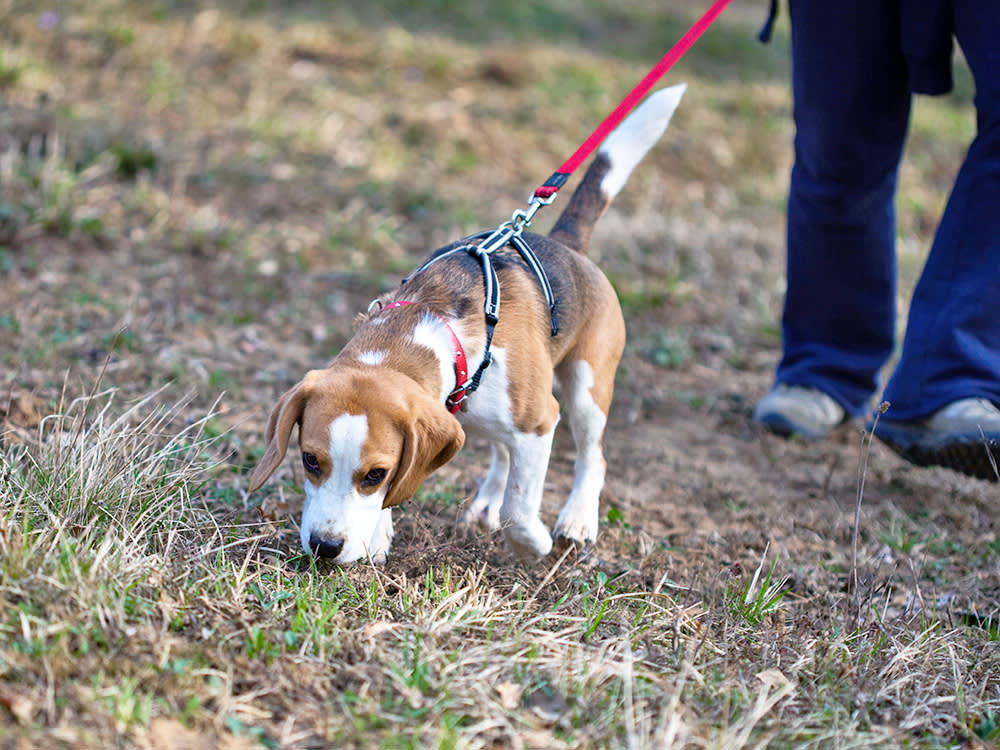 TrainingYour Dog Isn't Stalling Before They Poop. They May Be Checking a Compass.Sasha Ford · 8 min
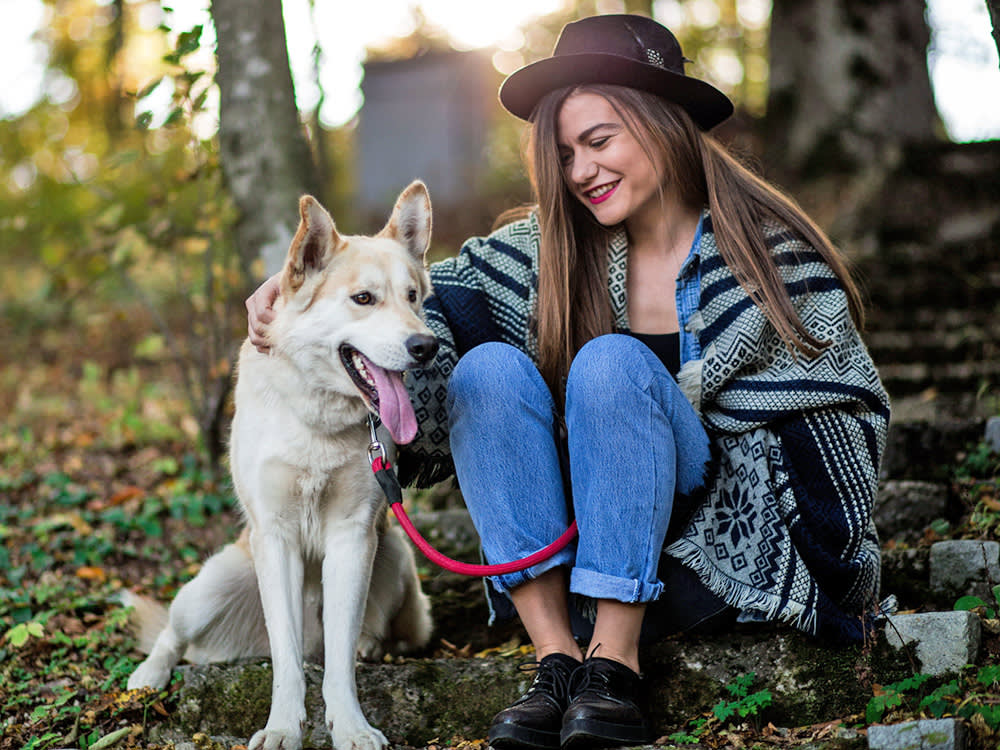 LivingA Wolfdog Is Not a Fluffier Husky. Nobody Can Tell You What You Actually Own.Dr. Ravi Mehta · 8 min