The single most useful thing to understand about pet insurance and dental care is that your insurer almost certainly sorts your pet’s mouth into two separate categories, and treats them completely differently. One is routine upkeep, which most plans won’t touch. The other is accidents and disease, which comprehensive plans often will. Almost every confused claim and unexpected denial traces back to a pet parent not knowing which bucket their situation fell into. So let’s make that line unmistakable before you ever file a claim.
Why dental gets carved out in the first place
Pet insurance was built to protect you from the unpredictable and expensive, the emergencies and illnesses you can’t budget for, not the maintenance you can. Routine dental cleaning is planned, recurring upkeep, so by design it usually falls outside a standard policy the same way an oil change falls outside auto insurance.
That’s the logic behind the whole split. Once you see dental care through that lens, the coverage rules stop feeling arbitrary and start feeling predictable.
The two buckets, spelled out
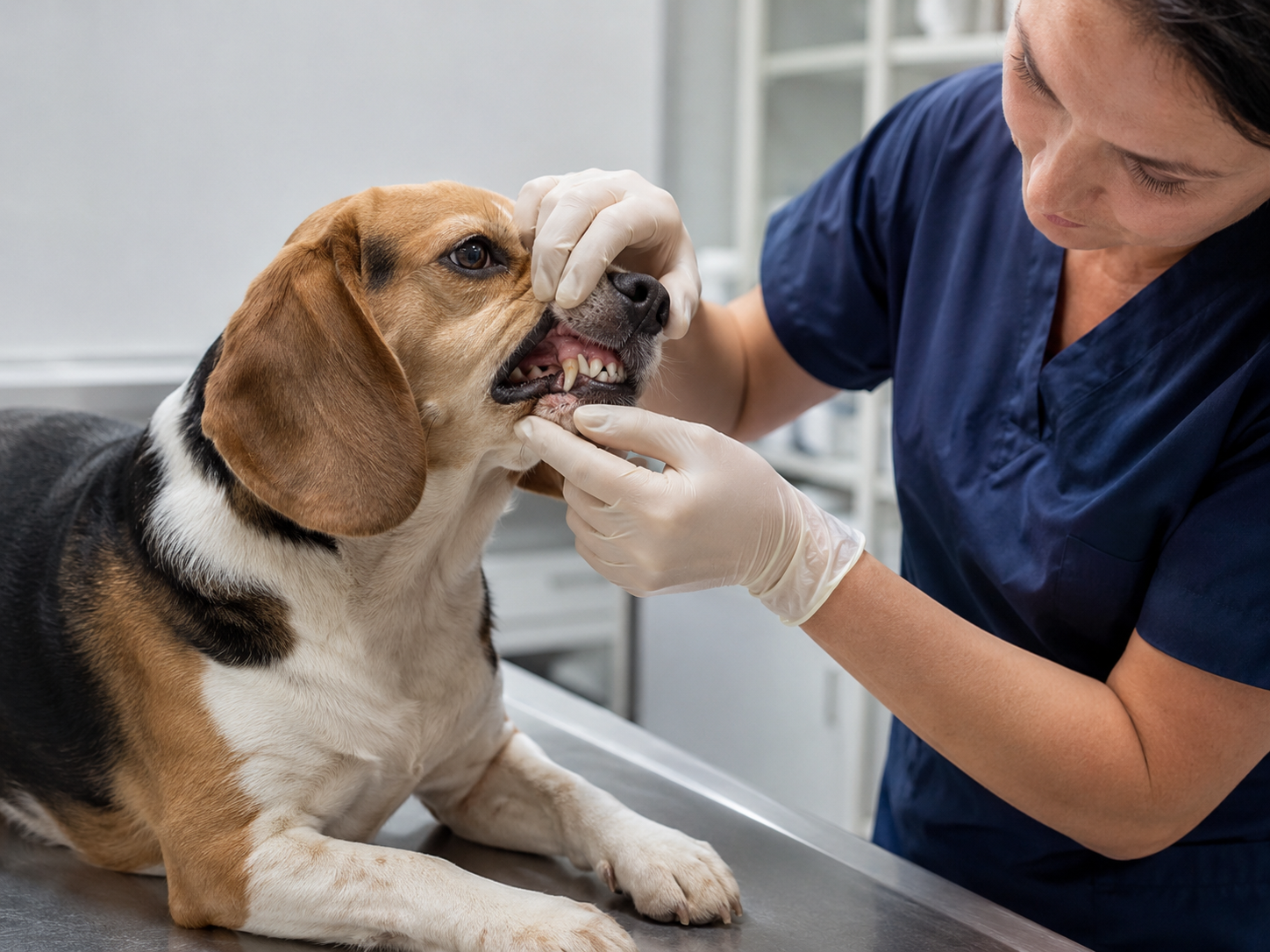
Preventive dental care is the routine stuff: regular cleanings and checkups that keep the mouth healthy. During a professional cleaning, your vet removes plaque and tartar, examines the teeth under anesthesia, and often takes X-rays to catch hidden trouble. It’s the gold standard for oral health, and it’s the part standard insurance generally excludes.
Dental treatment is the problem-solving stuff: extractions, root canals, treatment for abscesses and infections, oral surgery for fractures or tumors, and the associated pain meds and antibiotics. This is where comprehensive coverage tends to kick in, provided the issue is medically necessary and not preexisting.
Hold onto that division. Nearly every coverage question answers itself once you know whether you’re looking at maintenance or a medical problem.
What “medically necessary” buys you
Most comprehensive accident-and-illness plans will help with dental care that’s driven by an injury or illness. In practice, that might look like pulling a tooth broken in an accident, clearing up an infected mouth, operating on a fractured jaw, or prescribing something to ease oral pain and swelling.
Coverage specifics vary by company, but a few real examples show the range. Lemonade covers dental illnesses as long as the condition isn’t preexisting. Nationwide reimburses dental disease under its Whole Pet plan but not routine cleanings. ASPCA Pet Health Insurance includes dental accident coverage while limiting illness coverage to certain conditions. The pattern is consistent: accidents are almost always in, illnesses depend on the fine print, and cleanings are usually out unless you’ve added a wellness plan.
The factors that decide your claim
Whether your insurer pays comes down to a handful of levers. The type of plan matters most, only comprehensive accident-and-illness plans or wellness add-ons typically include any dental. How the condition is classified matters next: a broken tooth (accident) is almost always covered, while gingivitis (illness) depends on the insurer’s terms. Preexisting conditions are the hard stop, if the disease predates coverage, it won’t be reimbursed. Some insurers also impose preventive-care requirements, meaning they’ll only cover dental illness if you’ve kept up with recommended cleanings, and most apply annual caps that limit dental reimbursement to a set dollar amount or percentage.
“The mistake I see most often is a family assuming their plan will cover a cleaning, then getting blindsided,” says Dr. Priya Nair. “Read the dental section of your policy before you need it. It’s frequently tucked into the exclusions, not the benefits, and knowing what’s there turns an ugly surprise into a plan you can actually work with.”
What this costs when you’re paying out of pocket
The numbers are why this matters. A routine professional cleaning typically runs about $300 to $700 for a dog and $200 to $600 for a cat, and anesthesia and X-rays push that higher. Once you’re into actual treatment, extractions and advanced procedures can range from $500 to more than $2,000, especially with multiple teeth or complex oral surgery.
A wellness add-on won’t erase those numbers, but it can blunt them, often reimbursing a fixed amount each year, in the ballpark of $150 to $200, toward cleanings. That rarely covers a full cleaning, but it offsets the cost and, just as usefully, nudges you to actually keep up with preventive visits.
Is the coverage worth it?
That depends on your pet. Wellness and comprehensive add-ons carry a monthly premium, and you should weigh it against how likely major dental work is. A young, healthy pet with good home care may come out ahead paying for annual cleanings out of pocket. An older pet, or one with a history of dental disease or a breed predisposition (toy dogs and short-snouted cats are prone to trouble), can make dental coverage pay for itself in a single bad year.
If your plan won’t cover it, you still have moves
No dental coverage doesn’t mean no options. Standalone wellness plans through your vet can bundle annual cleanings and exams. Veterinary schools and nonprofits sometimes run low-cost dental clinics. Membership-style veterinary discount programs cut rates in exchange for an annual fee. And for a sudden procedure, many clinics offer payment plans or accept financing like CareCredit.
The most powerful lever, though, is free: consistent care at home. Brushing your pet’s teeth and offering vet-approved dental chews genuinely slows the disease that leads to expensive procedures. Periodontal disease affects most dogs and cats by age three, so home care isn’t a nicety, it’s the cheapest dental insurance there is.
What’s new since this was written
The pet-insurance market has kept expanding, and with it the appetite for wellness add-ons that touch dental care. Recent industry figures from the North American Pet Health Insurance Association put average accident-and-illness premiums at roughly $56 a month for dogs and about $32 for cats, with wellness riders typically adding somewhere in the range of $20-plus a month on top. Those wellness riders are the main vehicle through which routine dental gets any coverage at all, so if cleanings are your goal, that’s the line item to scrutinize.
The bigger shift is one of emphasis: insurers and vets alike are pushing preventive dental harder, partly because periodontal disease is so common and partly because caught-early problems are dramatically cheaper to treat. Some plans now tie illness coverage to proof of regular cleanings, which quietly rewards the owners doing preventive care and penalizes those who skip it. The practical lesson hasn’t changed, but it’s sharper than ever: buy coverage before problems start, read the dental clauses closely, and treat at-home care as the foundation the whole thing rests on.
References
- “State of the Industry Report.” North American Pet Health Insurance Association (NAPHIA), 2025. https://naphia.org/industry-data/
- “Periodontal Disease in Dogs.” VCA Animal Hospitals. https://vcahospitals.com/know-your-pet/dental-disease-in-dogs
- “Pet Dental Care.” American Veterinary Medical Association. https://www.avma.org/resources-tools/pet-owners/petcare/pet-dental-care