


8 Kind Things You Do That Your Cat Reads as Threats
Your cat is not being random. They are running everything you do through predator logic and prey logic at the same time, and most of our warmest signals come out the wrong end. Here's how to translate.

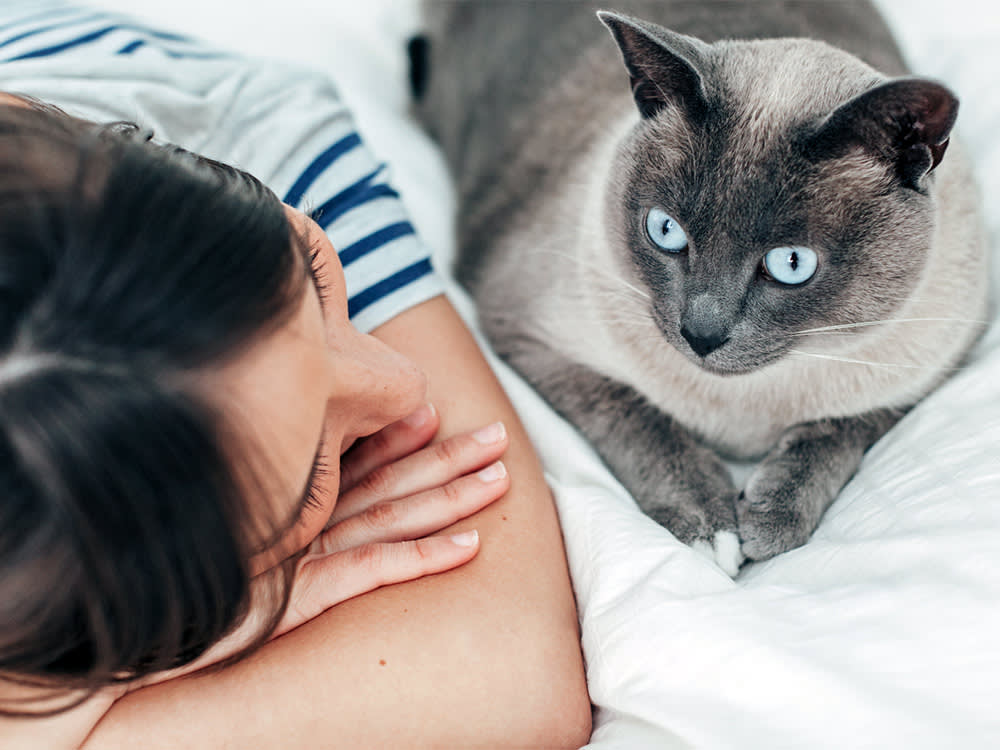
Your cat came running when you called, got within a foot of you, and bolted. You were stroking their belly and they turned into a set of teeth wrapped around your forearm. Neither of those was random, and neither was personal.
Here is the thing that explains almost all of it. A cat is a predator and a prey animal in the same body, and it is running both operating systems at once. Everything you do gets sorted into one of those two frameworks. A steady gaze is not affection in either of them; it is what a hunter does before it moves. A high-pitched yelp is not “ouch, stop”; it is the sound of something small, panicking, and catchable.
We are not confusing our cats with cruelty. We are confusing them with kindness, delivered in a language that means something else on arrival. Eight examples, and the translation for each.
The signals your body is sending
1. You lock eyes to slow-blink
Everybody has heard about the slow blink by now, and it is real. In a 2020 study out of Sussex and Portsmouth, cats were more likely to blink back at a person who narrowed their eyes at them, and more likely to approach a stranger’s outstretched hand after that person had slow-blinked.
So we do it. We find the cat, we hold eye contact, we blink slowly, and then we keep watching to see if it worked.
That last part is where it falls apart. Hunting starts with a stare. Staring, then stalking, then the chase, then the grab. A cat who is being watched intently by a large animal is not receiving a compliment; they are being tracked. The blink lands, and then the sustained gaze wipes it out.
Do this instead: soften your eyes, blink slowly, then look away. That break, the deliberate disengagement, is the actual message. Cats do it to each other constantly. It says: I have nothing planned for you.
2. You yelp and shove when the play gets sharp
Kittens and young cats practice hunting on whatever moves, and in a home, what moves is you: your ankles in the hallway, your forearm mid-pet. So they lock on, drop low, wiggle, and launch.
And you shriek and yank your arm back and flap your hand, and the cat gets more excited, which feels like an insult.
It is not. Ask what prey does when a cat catches it. It squeals and thrashes and tries to tear itself free. You have just performed a very convincing impression of a captured animal, and every instinct in your cat says finish the job.
Do this instead: go still and quiet. Remove the targeted limb slowly, with no sound and no eye contact, and turn away. If they are latched on, push gently toward them rather than pulling away, which loosens the grip instead of triggering the chase reflex. Let everything settle for a few minutes, then redirect the drive where it belongs: a real wand-toy session.
Your safety comes first. If a cat is drawing blood or the aggression is escalating, leave the room and get a certified feline behavior consultant involved. Serious play aggression has a treatment plan.
3. You punish
Cats do not do things arbitrarily. Even the behavior you hate has a reason underneath it, usually an instinct with a few thousand years behind it. You are not going to argue a cat out of it, and punishment does not delete instinct. What punishment does is teach your cat that you are one of the things in the house that becomes dangerous without warning.
That is the whole cost, and there is no upside on the other side of the ledger.
Do this instead: decide what you want them to do, and pay for that. Cat scratches the post instead of the sofa? Reward it, right then. Behavior that gets rewarded gets repeated, and that is the entire toolkit.
Punishing a cat does not remove the behavior, it just adds you to the list of things they have to stay alert around. You cannot make a cat feel safe and wary of you at the same time, and every training problem I see gets easier the moment they feel safe.
The rewards you did not mean to pay
4. You reward the dismount
Cats get on counters because there is food up there, or because the kitchen is where everything interesting happens.
So the cat jumps up, you tell them to get down, they get down, and you give them a treat for it. Reasonable. Positive reinforcement, applied.
Now run the tape from the cat’s side. Getting off the counter produced a treat. What is the prerequisite for getting off the counter? Being on the counter. You have just built a two-step behavior chain that starts with jumping up, and your cat will run it all day.
Do this instead: pay for the state you want, not the correction. A cat standing on the kitchen floor while you cook gets rewarded. Better still, give them a legal high spot in the same room, a cat tree or a shelf with a view, and reward the daylights out of it every time they choose it. If they do land on the counter, lift them off in total silence, no talking, no eye contact, no drama, and put them on the perch. The perch pays. The counter is boring.
5. You call your cat over to do something they hate
This one is not in most lists and it undoes more recall training than anything else.
You call your cat, cheerfully, by name. They come. You pill them, or clip their nails, or scoop them into the carrier.
You have just told your cat what their own name predicts. A cue is only worth what follows it, and if the answer is sometimes “a great thing” and sometimes “the carrier,” a smart animal stops gambling. This is why so many cats vanish the second the carrier comes out of the closet, and why they will not come when called on vet day.
Do this instead: keep the recall cue clean. If you need to do something unpleasant, go get the cat; do not summon them to it. And pay the recall generously for nothing at all: call, treat, done, a few times a week, with no ulterior motive. The cue stays worth answering.
The endings you call too early
6. You end the play session when they stop chasing
You are flinging the wand toy around. Your cat is electric for two minutes. Then they stop, sit down, and just… look at it. You conclude playtime is over and put the toy away.
They were not bored. They had moved to the next phase. The hunting sequence opens with staring, and the stare is not idle: it is a cat reading the movement, timing it, working out where the thing will be. Stalking, pouncing, and the killing bite all come after. Pack up at the staring stage and you have ended the hunt right before the good part, which is roughly as satisfying as it sounds.
Do this instead: if the eyes are tracking the toy, the session is live. Keep the prey moving realistically, let them plan, and let them win it in the end. A hunt that never ends in a catch is a frustrating hunt.
7. You make them face their fears
Human logic says you beat a fear by walking into it. Spiders scare you, so you handle spiders until they don’t.
Run that on a prey animal and it fails. A cat’s fear is a survival system, not a hang-up, and holding a frightened cat inside a scary situation does not relax them. It teaches them that the scary thing is now inescapable, which is a considerably worse lesson than the one they started with.
Do this instead: treat the fear like a volume knob you control. Find the level where the scary thing is present but your cat is genuinely unbothered, even if that means the carrier is across the room with the door off. Sit there. Pair it with something excellent, treats, praise, a favorite toy. Then turn it up one notch, and only one. The cat should never rehearse being afraid. They should rehearse being fine.
The language problem
8. Your cues drift mid-sentence
Yes, cats train beautifully. Clicker work is one of the best pieces of enrichment you can give an indoor cat, and it is a delight to do.
And then, halfway through, we get chatty. It starts as a clean “sit.” Then attention wanders and it becomes “sit, buddy,” then “come on, sit,” then “sit, sit, sit,” then a full sentence with the word buried in the middle. Every one of those is, to your cat, a different sound.
Do this instead: one cue, one sound, every single time, in training and in real life. Consistency is not a stylistic preference here. It is the entire mechanism by which the cue means anything.
The through-line
Every item on this list is the same mistake wearing a different hat: we send a signal that makes sense from inside a human nervous system, and it gets decoded by an animal that is simultaneously hunting and being hunted.
You do not have to become a cat behaviorist to fix that. You mostly have to add one question before you act. Not “was I being nice?” You were. The question is: what did that look like to something that can be eaten?
Answer that, and a startling amount of your cat’s supposedly random behavior stops being random.
References
- Humphrey, Tasmin, et al. “The role of cat eye narrowing movements in cat-human communication.” Scientific Reports, vol. 10, 2020. nature.com
- Vitale Shreve, Kristyn R., Lindsay R. Mehrkam, and Monique A. R. Udell. “Social interaction, food, scent or toys? A formal assessment of domestic pet and shelter cat (Felis silvestris catus) preferences.” Behavioural Processes, vol. 141, 2017, pp. 322-328. sciencedirect.com
- Ellis, Sarah L. H., et al. “AAFP and ISFM Feline Environmental Needs Guidelines.” Journal of Feline Medicine and Surgery, vol. 15, no. 3, 2013, pp. 219-230. journals.sagepub.com
Dr. Solis is a board-certified veterinary dermatologist with over twelve years of clinical experience. She advises on skin conditions, allergies, and grooming practices that affect coat and skin health. All dermatology and allergy content at The Pet Times is reviewed by her team before publication.
Meet our experts ↗Keep reading
 First DaysYour Older Cat Doesn't Hate the Kitten. It Hates the Energy.Dr. Priya Nair · 7 min
 TrainingYour Cat Keeps Running Off. The Fix Is to Chase LessLeila Torres · 8 min
 TrainingYour Cat Isn't Guarding You in the Bathroom. They Hate the Door.Dr. Nina Kohl · 6 min
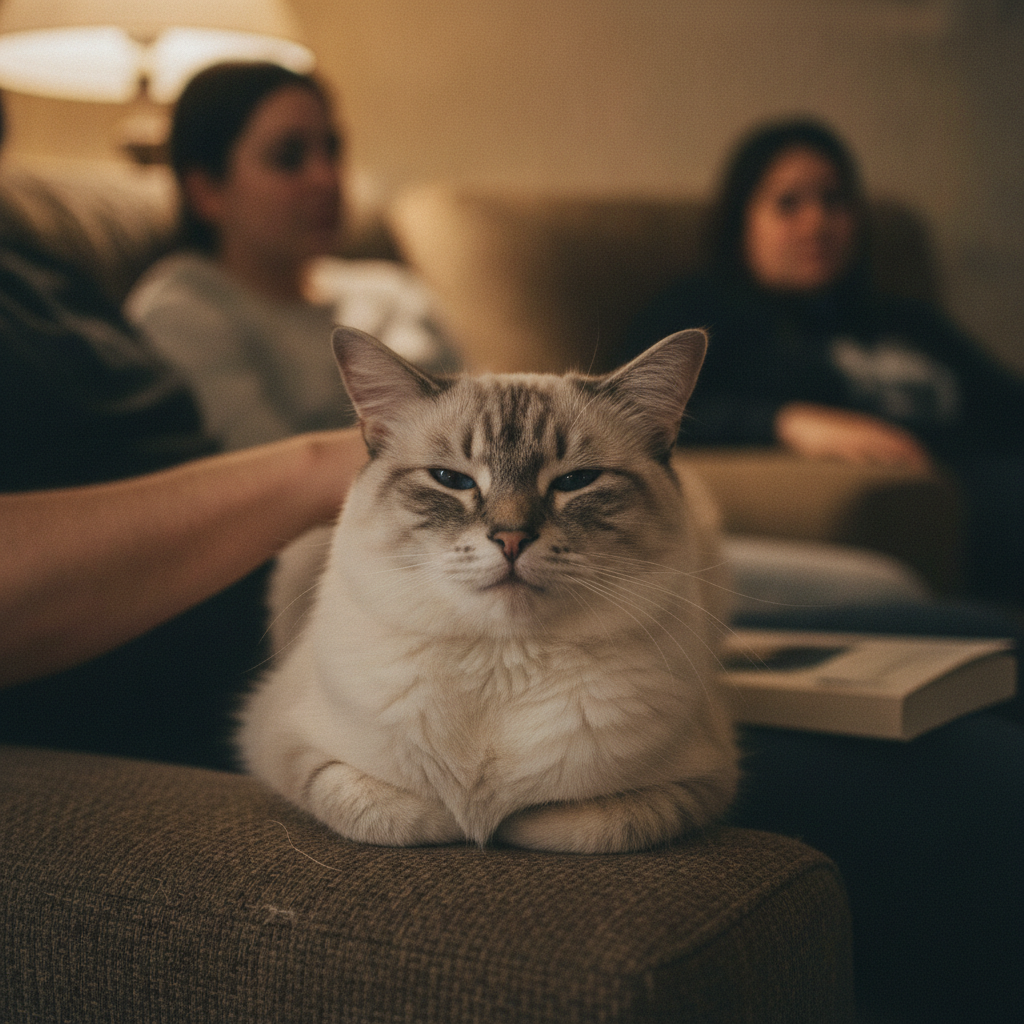 TrainingYour Cat Didn't Choose You. You're Just the Safe One.Dr. Nina Kohl · 6 min
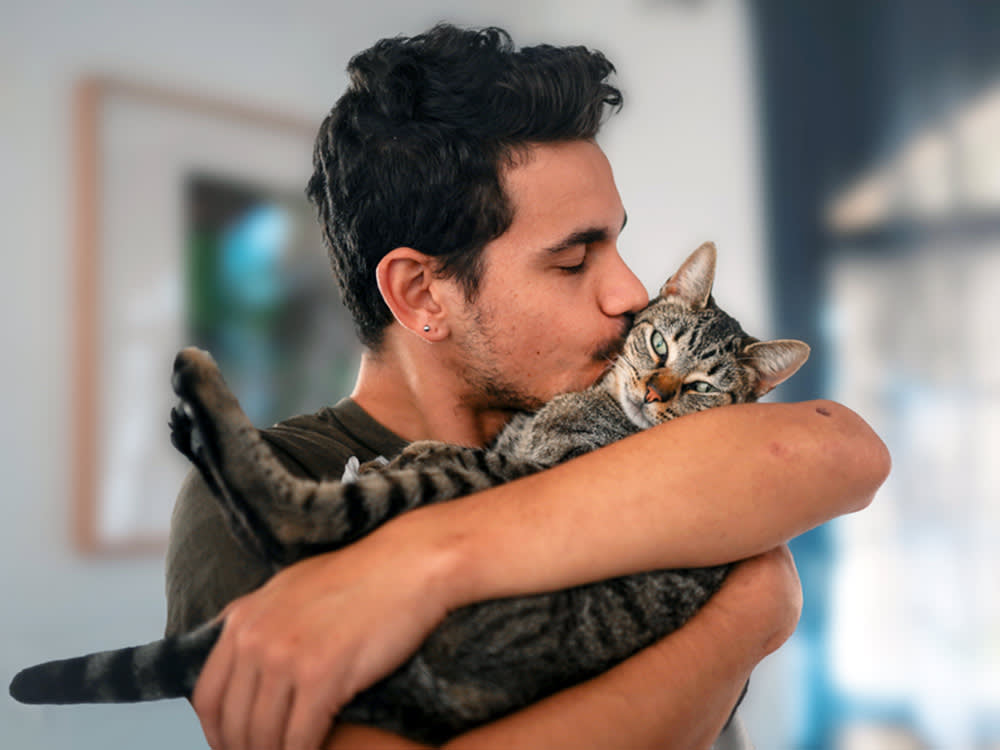 Health & WellnessYour Cat Isn't Being Spiteful. Almost Every 'Bad Cat' Behavior Is Anxiety.Dr. Priya Nair · 9 min
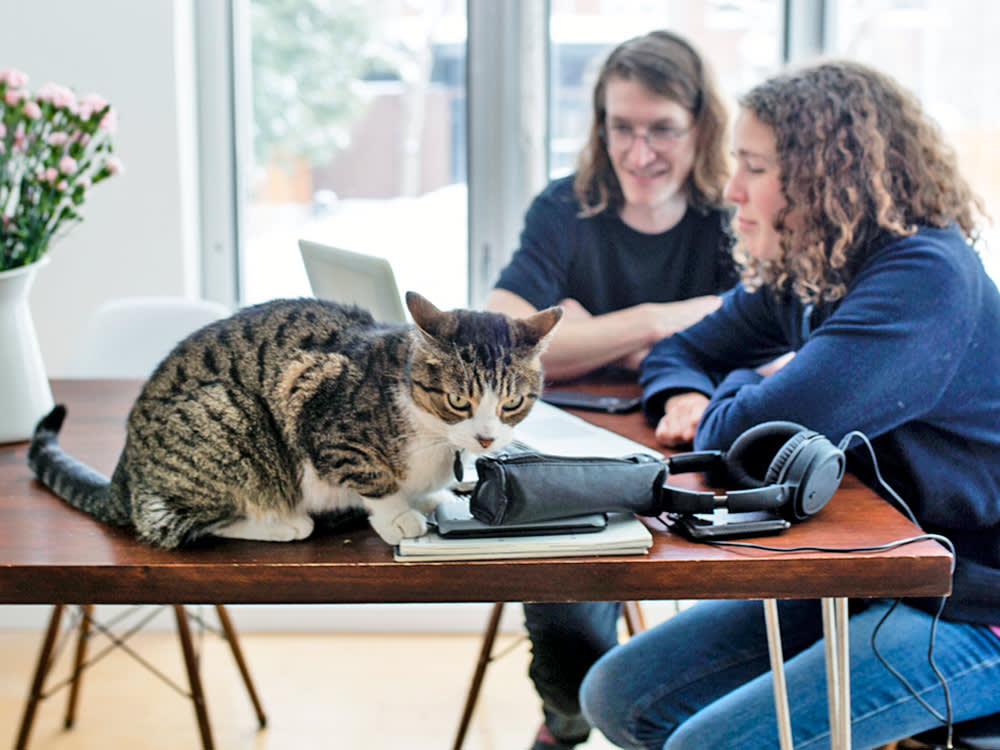 TrainingYour Cat Isn't Being Dramatic. 8 Things That Genuinely Wound ThemDr. Nina Kohl · 6 min