


Your Dog Walker Isn't a Babysitter. Hire Like It Matters.
Anyone can hold a leash. Finding a walker who can handle your dog on a bad day, not just a good one, is the whole job. Here's how to vet one before you hand over a key.
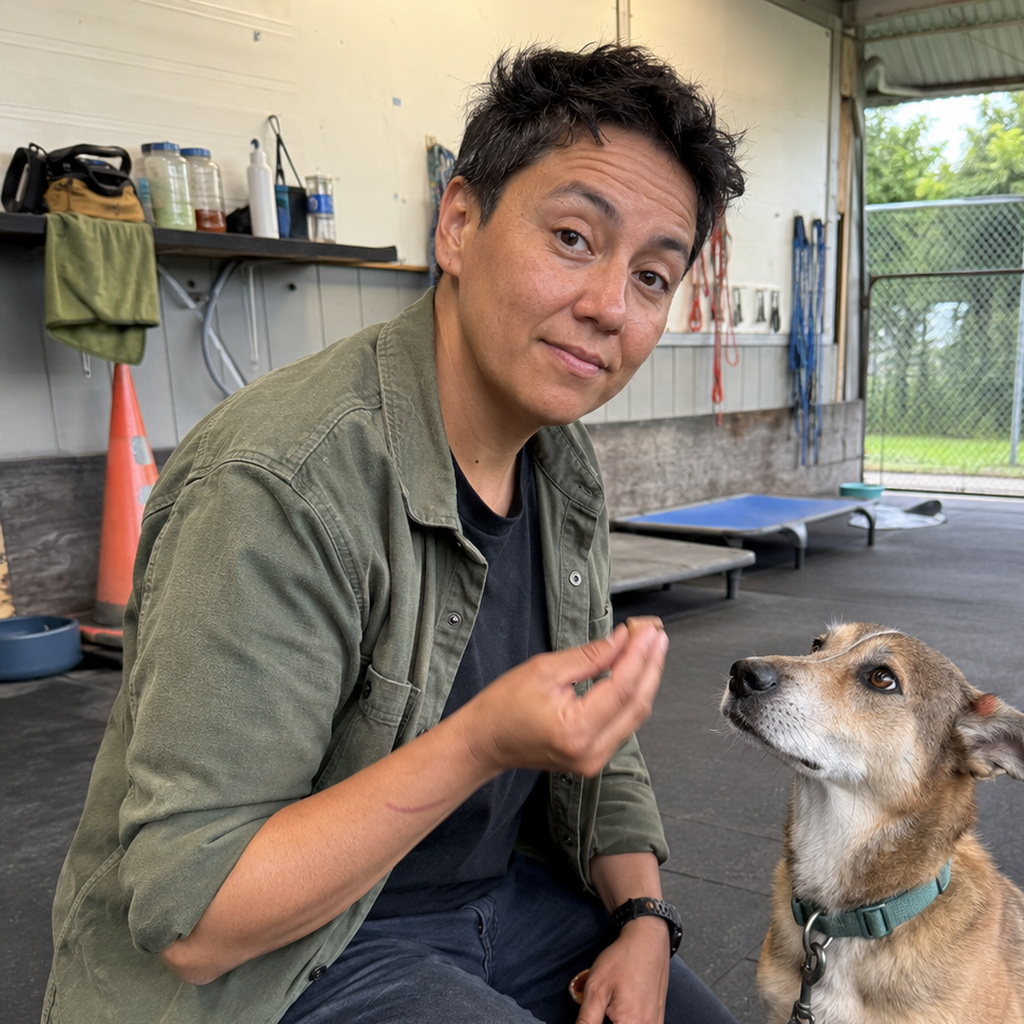
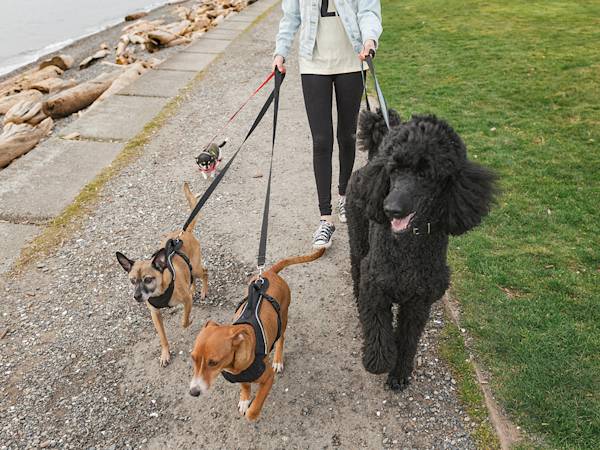
Dogs love walks, and if you’ve got one, you’ve got a built-in reason to get outside while your dog-less friends are still talking themselves into it. Until the day your schedule wins and the walk doesn’t happen. That’s where a dog walker comes in, and it’s worth being honest about what you’re actually hiring for. You are handing a stranger a key to your home and sole responsibility for your dog’s safety on a public street. “Likes dogs” is the floor, not the qualification.
The real job is handling your dog on a bad day
Almost anyone can walk an easy dog on an easy day. The skill you’re paying for shows up the moment something goes sideways: a squirrel, a loose dog, a garbage truck, a kid on a scooter. That’s when a dog’s safety rides entirely on whether the person holding the leash knows what they’re doing.
So don’t start with “is this person good with dogs.” Start with “has this person handled a dog like mine, when it’s hard.” If your dog gets wound up on leash, you want someone who has walked reactive dogs and can describe, concretely, how they manage one, not someone who’ll be surprised the first time your dog blows up at another dog across the street. Ask them to walk you through a specific rough moment they’ve handled. Vague reassurance is a red flag; a real story is a green one.
Consistency matters more than people expect, too. If you’re working on your dog’s leash manners, a walker who lets all that slide for an hour a day quietly undoes your training. Dogs don’t compartmentalize “walk with mom, rules apply” and “walk with the walker, anything goes.” They just get confused, and confused dogs backslide. Find someone willing to hold the same cues you’re using.
Match the walk to the dog, not the dog to the route
A good walker adapts to your dog instead of slotting your dog into whatever they already do. An athletic dog who needs to actually move might do best with a walker who’ll run or hike them. A dog who’s uneasy around other dogs needs a solo walk, full stop, not a spot in a six-dog pack because that’s the walker’s usual loop. When you interview someone, notice whether they ask about your dog’s temperament and energy, or whether they just quote you a rate and a time slot. The ones who ask are the ones paying attention.
The question I’d want a client to ask me is not ‘are you comfortable with dogs,’ it’s ‘what do you do the first time my dog panics.’ A walker’s whole value is in that thirty seconds. If they can tell you exactly how they’d shorten the leash, create distance, and reset the dog, hire them. If they just say they’d be careful, keep looking.
Do the boring due diligence
The unglamorous checks are the ones that protect you. A professional should be insured and, ideally, bonded, this covers you if your dog is hurt or causes damage on their watch. Ask what they’d do if your dog slipped a collar, got injured, or if they couldn’t reach you in an emergency. Someone who does this seriously will have thought it through. Someone treating it as a stopgab until something better comes along often hasn’t, and that’s exactly the person who’ll be improvising when your dog gets loose.
Gear is part of the picture. A front-clip harness with a snug fit gives a walker real control over a puller, and it’s fair to ask what equipment they’ll use and whether they’ll match yours so your dog isn’t relearning the rules every session.
Why the stakes are higher than they look
It’s easy to file dog-walking under “convenience,” but the risk is physical and it runs both ways. Research from Johns Hopkins found that dog-walking injuries sent hundreds of thousands of American adults to emergency rooms over two decades, most of them from a dog’s sudden pull or from a fall, with the numbers rising sharply in recent years. A walker who can’t read a dog and manage a leash isn’t just a weak service; they’re a person who can get your dog hurt, get themselves hurt, and get you sued. The care you put into hiring is proportional to what’s actually on the line.
What’s new since this became a gig economy
The biggest shift is how many walkers now come through apps rather than word of mouth, which makes vetting both easier and lazier. Easier because you can read reviews and see history; lazier because a five-star app profile can stand in for the questions you should still be asking yourself. A rating tells you a walker showed up and was pleasant. It doesn’t tell you how they’d handle your specific dog at their worst. Use the platform to find candidates, then interview like the app never existed: ask about the hard days, insurance, and how they’d keep up your training. The technology changed the discovery. It didn’t change the job.
Common questions
What's the single most important thing to look for in a dog walker?
Experience with a dog like yours, specifically on a bad day. Plenty of people are fine with an easy dog on an easy walk. You want someone who's managed a dog that lunges, spooks, or pulls, because that's the moment your dog's safety actually depends on the walker's skill.
Solo walks or group walks?
It depends on your dog. A social, athletic dog can thrive in a small group or on a run. A dog who's nervous around other dogs, or reactive on leash, should be walked one-on-one. A good walker will tell you which your dog needs rather than fitting your dog to their existing route.
How do I know a walker is legit and not just doing it as a side gig?
Ask about insurance and bonding, how they handle an escaped or injured dog, and whether they'll keep up the cues you're already training. Someone treating it as a profession will have real answers. Someone treating it as pocket money usually won't.
Jordan Ellis is a certified professional dog trainer with a decade of experience working with rescue organisations and private clients. They specialise in anxiety, reactivity, and positive reinforcement methods, and review all training and behaviour content at The Pet Times.
Meet our experts ↗Keep reading
 LivingDoes Raising a Dog Together Prep You for a Kid? Yes and No, ExactlySara Lim · 5 min
 LivingHis Dog Walks Into the Office at 5 P.M. and Ends the WorkdayJames Okafor · 6 min
 LivingIt Was Never Really About Pets vs. KidsSasha Ford · 10 min
 LivingThe Standard Poodle Who Rebuilt a Writer's DisciplineJordan Ellis · 6 min
 LivingNew York's Hottest Club Is a $795 Dog RunNina Vasquez · 8 min
 Living"My Last Dog Syndrome": Why Your New Dog Keeps Losing to a GhostDr. Nina Kohl · 7 min