


Their Pets Lived to 18. None of the Secrets Were Secret.
We asked owners whose cats and dogs reached their late teens what they did differently. The honest answer: nothing exotic. Here are the eight boring, repeatable habits behind the longest lives, and what a vet says about each.


Ask someone whose cat made it to 18, or whose dog is still ambling around at 16, what their secret was, and you brace for something clever. A rare diet. A supplement nobody’s heard of. The answer is almost always a letdown, in the best way. They did ordinary things, and they did them for years without stopping.
That is worth taking seriously, because the emotional stakes are high. According to the American Psychiatric Association, 87 percent of dog owners and 86 percent of cat owners say their pet lifts their mental wellbeing, and a solid majority, about 71 percent, worry about that animal aging and dying. We cannot cheat biology. But the gap between an average lifespan and an exceptional one is mostly built out of habits, and the habits are learnable. We collected them from owners of remarkably long-lived pets and ran each past a Pet Times veterinarian.
1. Treat food as the foundation, not an afterthought
The owner of a cat named Totoro, who reached 16 after nearly being euthanized as a sick kitten, credits the turnaround to cooking. For a decade he made meals from scratch, real chicken with green peas and carrots, rather than reaching for whatever was cheapest.
Nutrition is the floor everything else is built on. You cannot supplement your way out of a poor base diet. Whether it’s a thoughtfully chosen commercial food or a properly balanced home-cooked one, getting the everyday meal right is the single highest-leverage thing most owners can do for longevity.
For pet parents who cannot cook, Dr. Solis notes that canned food is a strong second choice, largely for a reason that gets its own tip below.
2. Chase hydration, especially in cats
Comrade the cat lived just shy of 18, and his owner is adamant that wet food was central, because it smuggles water into an animal that otherwise refuses to drink enough. Cats are notoriously bad at hydrating themselves, fancy fountain or not.
The biology backs this up. Cats descend from desert animals and are built to concentrate their urine, which means a lifetime of dry-only food quietly taxes the kidneys. Adding moisture through wet or gently cooked food is one of the simplest ways to protect them over the long haul, and better food tends to make them drink more on their own, too.
3. Manage weight with vegetables, not willpower alone
A Miniature Dachshund named Penny, nearing 18, has an owner fixated on one number: her weight. When canned-food prices spiked, she kept Penny lean by mixing kibble with raw green beans and peas, plus a spoonful of plain pureed pumpkin for fiber. Her one warning is a good one: reach for pure pumpkin, never the sugary, spiced pie filling.
Keeping a pet lean is arguably the most proven longevity lever there is. A landmark study in Labrador Retrievers found that dogs kept at a lean body weight lived significantly longer than their overfed littermates. Just cook harder vegetables lightly so they digest well, vary them, and skip the genuinely toxic ones: onions, grapes, and raisins are off the table entirely.
4. Do not skip the teeth
Callooh’s owner learned from her older cat and now uses a dental powder, on the logic that mouth bacteria do not stay in the mouth. She is right. The single most common disease vets diagnose in dogs is dental, with periodontal disease reaching an estimated 85 percent of dogs past their third birthday, and it quietly ties into heart, kidney, and cognitive decline. Daily brushing is the gold standard for both species. An antiseptic-free water additive can help around it, but it is a supplement to brushing, not a substitute.
5. Get the indoor-outdoor balance right
Daisy, a Catahoula-Heeler mix, lived to 14 with the run of a custom dog door, free to come and go on her own terms. For cats, the calculus flips. Indoor life dramatically lowers the risks of cars, predators, toxins licked off paws, and contagious diseases like FIV that spread through fights and shared bowls.
The goal for cats isn’t to lock them in a box, it’s to give them enriched safety. A secured catio, or leash-and-harness adventures for a cat who tolerates them, delivers the mental stimulation of the outdoors without the mortality risk. For dogs, safe outdoor access on their own schedule does something similar.
6. Keep them moving at their own pace
The through-line among the long-lived dogs was motion that never fully stopped. Daisy’s owner kept their walks going even as they got slower and shorter, letting the dog set the tempo. That instinct is exactly right. Cutting activity because an older, arthritic dog seems uncomfortable backfires: they lose muscle, get weaker, and the arthritis worsens. Gentle, consistent, low-impact movement protects mobility, gut health, and mood well into old age.
7. Use supplements as fine-tuning
Totoro’s owner discovered through bloodwork that even his careful home cooking needed topping up with amino acids and potassium, which is a reminder that homemade diets require monitoring. Others lean on immune support and probiotics.
Dr. Solis’s go-to list is short and evidence-guided: omega-3 fatty acids for skin, coat, joints, and inflammation, and prebiotics and probiotics for the gut, in both cats and dogs. The point of supplements is to close specific gaps, ideally ones your vet has actually identified, not to shotgun a shelf of pills at a healthy animal.
8. Invest in the bond, because calm is a health input
The softest tip is also the one every long-lived pet’s owner mentioned in some form. One senior owner keeps her dog’s stress low simply by never rushing her, and swears it has helped them both. Another describes sniff walks, ear massages, and a morning ritual of quiet attention as the highlights of her arthritic dog’s day.
This is not sentimentality dressed up as advice. A chronically stressed animal carries that load in its body, and a household built on calm and genuine attention measurably benefits the pet. Spending focused, unhurried time with your animal is free, it is enrichment, and it appears to matter for how long, not just how well, they live.
What’s new since we asked
For the first time, longevity is becoming something science may soon sell in a bottle, cautiously. A company called Loyal is developing LOY-002, a daily pill aimed at extending healthy lifespan in senior dogs. The FDA’s Center for Veterinary Medicine accepted the drug’s efficacy package in February 2025 and its safety submission in January 2026, clearing two of the three hurdles for conditional approval, and Loyal’s pivotal STAY trial enrolled roughly 1,300 dogs across dozens of clinics, one of the largest veterinary studies ever run.
In parallel, the Dog Aging Project, a University of Washington and Texas A&M collaboration, is running TRIAD, a trial testing whether the drug rapamycin can add healthy years to dogs’ lives, backed by millions in NIH funding. None of this is on a pharmacy shelf yet, and none of it replaces the eight habits above. If anything, it underlines them: the researchers chasing longevity drugs are trying to bottle the same outcomes that lean weight, good food, movement, and low stress already deliver for free.
References
- American Psychiatric Association. “Pets and Mental Health.” psychiatry.org
- Kealy, R.D. et al. “Effects of Diet Restriction on Life Span and Age-Related Changes in Dogs.” Journal of the American Veterinary Medical Association, 2002.
- dvm360. “A Clinical Trial Is Launched for a Novel Drug That Could Extend Healthy Lifespan in Senior Dogs.” dvm360.com
- Dog Aging Project. “Test of Rapamycin in Aging Dogs (TRIAD).” dogagingproject.org
Common questions
Does wet food help cats live longer?
It helps with hydration, which is the mechanism that matters. Cats evolved from desert animals and tend to run chronically under-hydrated on dry food alone, which strains the kidneys over time. Wet or gently cooked food adds moisture and, for many cats, supports a healthier weight.
Are supplements worth it for aging pets?
Some have decent support, especially omega-3 fatty acids for skin, joints, and inflammation, plus probiotics for gut health. But supplements work around the edges of good nutrition, not instead of it, and a few can interact with medications, so run any additions past your vet first.
Not a substitute for your vet. Our guidance is educational. For urgent symptoms, contact a vet or emergency clinic right away. Editorial standards
Dr. Solis is a board-certified veterinary dermatologist with over twelve years of clinical experience. She advises on skin conditions, allergies, and grooming practices that affect coat and skin health. All dermatology and allergy content at The Pet Times is reviewed by her team before publication.
Meet our experts ↗Keep reading
 Health & WellnessYour Dog Becomes an Adult Three Separate TimesDr. Ravi Mehta · 9 min
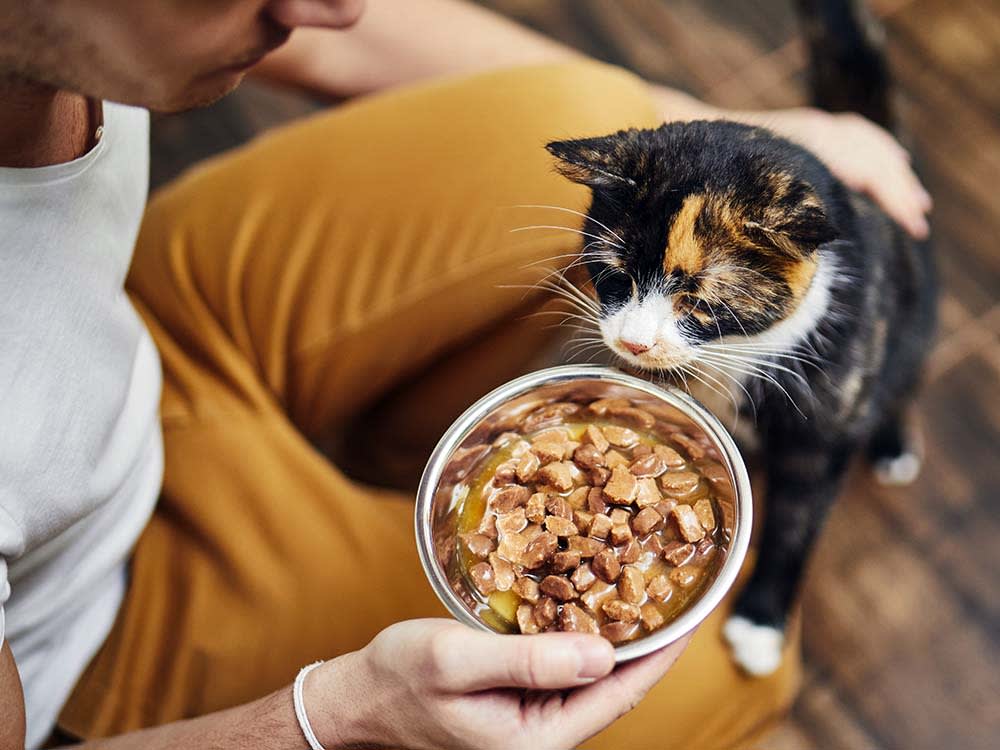 FoodYour Senior Cat Isn't Picky. The Food Is the Wrong Temperature.Dr. Mara Chen · 7 min
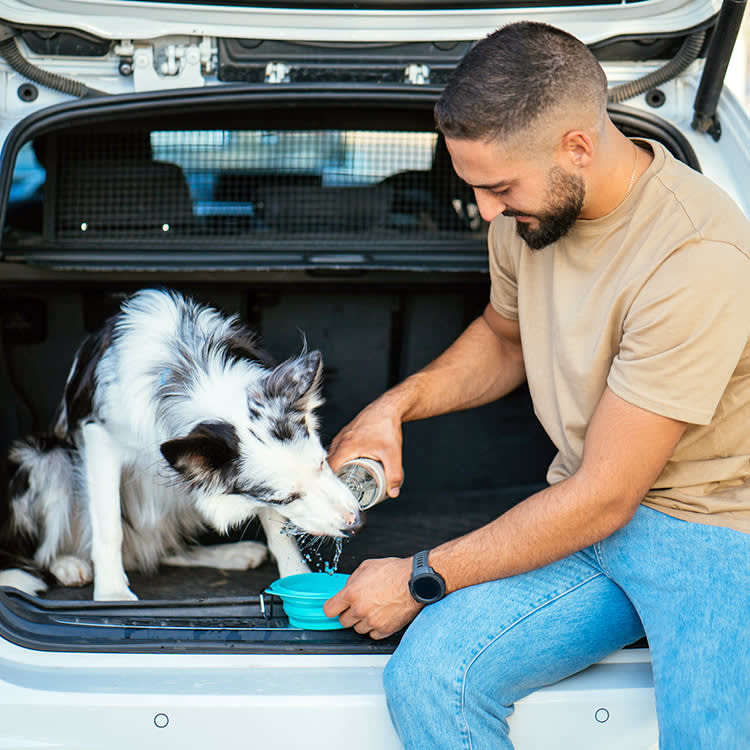 Health & WellnessYour Dog's Water Bowl Is Trying to Tell You SomethingDr. Nina Kohl · 5 min
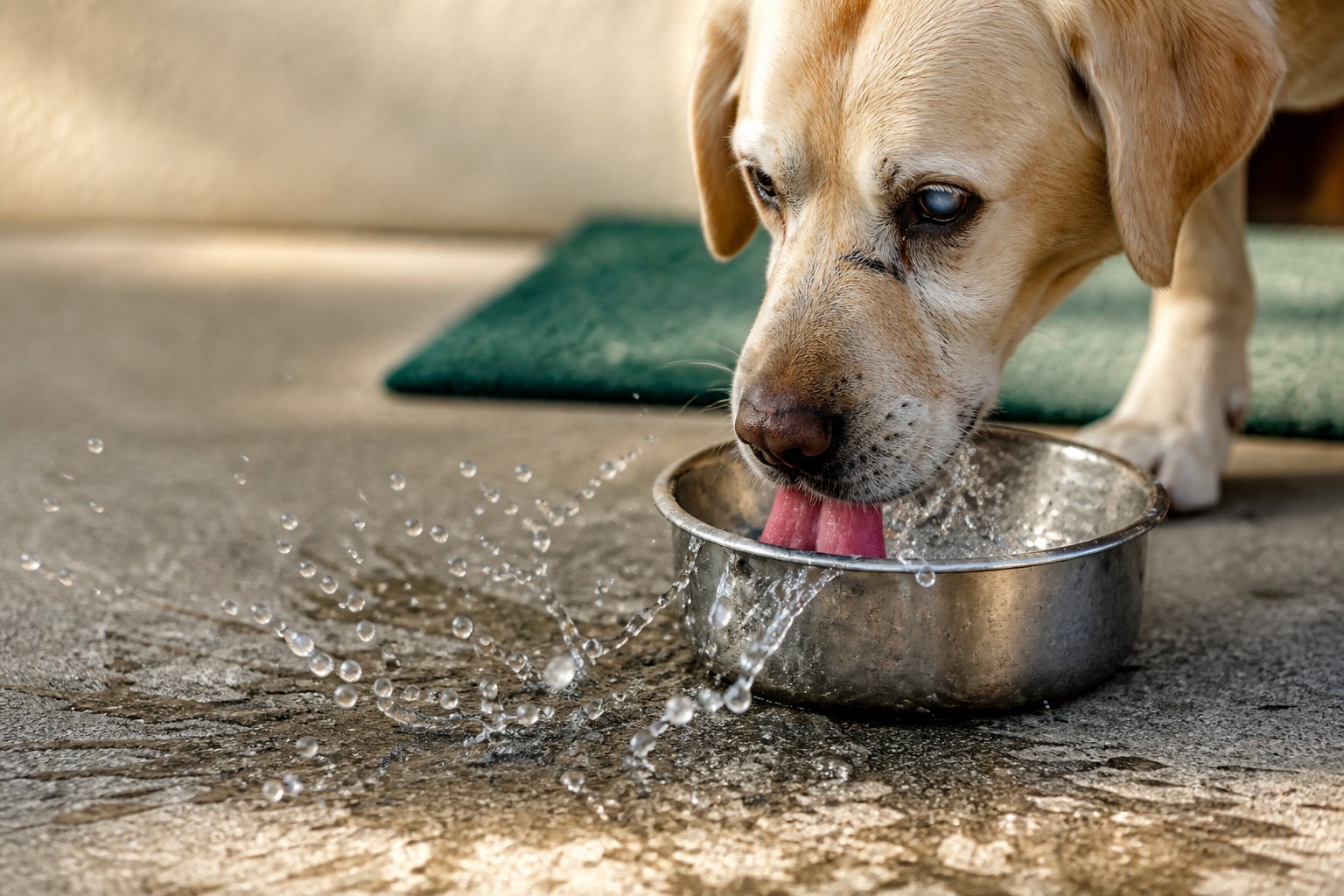 Health & WellnessThere's a Number for 'Drinking Too Much.' Most Dog Owners Don't Know It.Dr. Lena Park · 8 min
 Health & WellnessA Raw-Food Recall, Decoded: What Blue Ridge Beef's Salmonella Scare MeansDr. Ravi Mehta · 6 min
 FoodSalmonella and Listeria in Darwin's Raw Pet Food: The Exact Lots to TossDr. Amara Solis · 4 min