


Your Dog's Yeast Infection Won't Surrender to Coconut Oil
The internet is full of natural fixes for a dog's yeast infection. Most of them work better at preventing one than curing one, and none of them touch the real driver. Here's what actually helps, and when to skip straight to the vet.

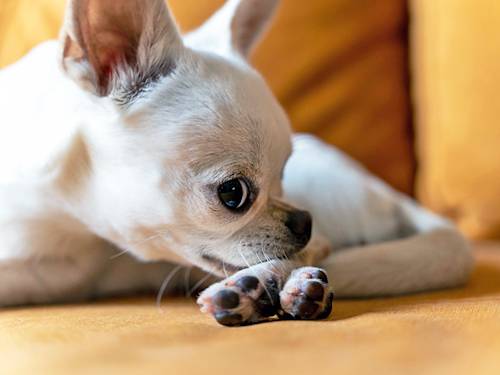
Your dog has a smell. Not their usual comforting one, something muskier, maybe cheesy, and it comes with constant scratching, head shaking, or skin that’s gone red and angry. There’s a decent chance you’re looking at a yeast infection, and there’s an even better chance your next move is to open a browser and search for a natural fix. Before you reach for the coconut oil, here’s the thing almost every “home remedy” article buries: these treatments are mostly good at preventing yeast, not curing it, and none of them touch the reason your dog got yeast in the first place.
What a yeast infection actually is
Your dog’s skin is, at all times, covered in things we think of as gross, bacteria and fungi among them. That’s normal and even healthy; a lot of those microbes are there to help. Yeast is one of them, kept in check by a working immune system. A yeast infection isn’t an invasion so much as a loss of control: something disrupts the balance, and the yeast already living on your dog outgrows its usual limits on the skin or in the ears.
That “something” is the part that matters. In a healthy dog, yeast numbers stay low because the immune system holds the line. So when yeast surges, it’s usually a sign that the immune system has been thrown off, most often by allergies or illness. Flares tend to track allergy seasons, spiking when pollen, dust, or mold is high, or running year-round if your dog reacts to things like cigarette smoke, cleaning products, or even an ingredient in their food.
Moisture is the other big lever. Yeast loves warm, damp places, which is why infections cluster in ear canals and skin folds. A dog who’s frequently bathed, swims, or romps in the rain and doesn’t get thoroughly dried is handing yeast the environment it wants.
How to recognize it
Because yeast favors dark, moist real estate, the signs usually show up in specific spots: the ears, skin folds, paws, groin, and armpits. Watch for:
Relentless itching, scratching, head shaking, pawing, and rubbing, often using you or the furniture to get at the itch. Red, hot skin early on, thickening to a grey or black leathery texture if it drags on. Greasy or scaly skin. A greasy discharge from the ear. And that distinct odor people describe as cheesy or musty.
No dog is immune, those fungi are everywhere, and one dip in immune function can be enough. But some breeds struggle more than others, either because they carry the skin folds and floppy ears that trap moisture or because they’re prone to the allergies that set yeast loose: Cocker Spaniels, Labrador Retrievers, Golden Retrievers, Basset Hounds, Shih Tzus, and German Shepherds among them.
See the vet before the pantry
Here’s the non-negotiable step. Plenty of conditions produce red, itchy skin, so you need a diagnosis before you treat anything. Your vet confirms yeast simply, scraping the skin or sampling ear discharge and looking for an overgrowth under the microscope, with a biopsy or bloodwork if the case is stubborn. From there they’ll typically prescribe medicated shampoos, cleaners, drops, or ointments, moving to oral medication for chronic or difficult cases. Fair warning: this is rarely a quick fix. Clearing a real yeast infection often takes several months of consistent treatment.
The mistake I see most is treating the yeast and ignoring why it showed up. If your dog’s ears bloom with yeast every spring, the yeast isn’t the disease, it’s the smoke from a fire called allergies. Rinse all you want, but until we find and manage that trigger, you’ll be back in my exam room next season with the same complaint.
Where home remedies actually fit
Even vets would rather avoid long courses of medication when possible, because drugs carry side effects. But that’s an argument for using natural options thoughtfully after a diagnosis, not for skipping the vet. Very few at-home yeast treatments have been meaningfully studied, and several can do more harm than good. The honest framing: most of these are preventive maintenance, not cures. With your vet’s okay:
Apple cider vinegar. A properly diluted vinegar rinse may nudge skin pH toward something less hospitable to yeast. Undiluted or overused, it irritates, so get guidance on strength before you slosh it on.
Coconut oil. Credited with antifungal and soothing properties, and sometimes helpful, but it can also irritate or simply do nothing. Clear it with your vet first.
Yogurt and probiotics. The logic is counterbalance: support gut and immune health so your dog’s own defenses can rein the yeast back in. Used as an add-on, not a solo treatment.
Herbal rinses. Chamomile, colloidal silver, or lemon-juice rinses circulate online, but they’re a mixed bag and can irritate. Skip unless your vet specifically recommends one.
Cut exposure to triggers. When an allergy is what’s fueling the overgrowth, limiting contact genuinely helps, though “just avoid the allergen” is easier said than done, ranging from a diet change to pulling certain plants from your yard.
Dietary changes. There’s no magic anti-yeast diet, but if a food allergy is driving it, the culprit is usually a protein, chicken, beef, and eggs are common offenders, and switching to a novel-protein diet can make a real difference.
Beta-glucans. This type of fiber feeds beneficial gut bacteria and may support immune function, which could help keep yeast in check.
Dry everything. Because yeast needs moisture to multiply, keeping your dog dry does a lot of quiet work. After every bath, swim, or rainy walk, towel them down completely, getting right into the damp-prone spots: skin folds, feet, ears, armpits, and groin.
The bottom line
Yeast lives on your dog whether you like it or not. When it overgrows, you get the itchy, red, greasy, funky-smelling skin or ears that sent you searching in the first place. See your vet for a real diagnosis, treat what they find, and treat the driver underneath it. The natural remedies have a role, mostly at the prevention end, but they’re the supporting cast. The lead role belongs to figuring out why the yeast got loose.
What newer dermatology adds
Veterinary dermatology has increasingly reframed recurrent yeast (usually the organism Malassezia) as a symptom rather than a standalone disease, a visible flag that an allergy is smoldering underneath. The practical upshot is that newer allergy therapies, targeted anti-itch drugs and immune-modulating treatments your vet can discuss, work upstream by calming the allergic response that lets yeast take over, which can quiet the infections that keep coming back. They don’t kill yeast directly, so topical and cleaning care still matter, but they attack the root the coconut oil never could. The direction of travel is clear: less chasing the flare, more managing the allergy that causes it.
References
- Williams, K., Hunter, T., and Ward, E. “Malassezia Dermatitis (Yeast Infection) of the Skin in Dogs.” VCA Animal Hospitals. vcahospitals.com
- Cornell Richard P. Riney Canine Health Center. “How to Clean Your Dog’s Ears.” vet.cornell.edu
- Bond, R., et al. “Biology, diagnosis and treatment of Malassezia dermatitis in dogs and cats.” BMC Veterinary Research, 2020. pubmed.ncbi.nlm.nih.gov/32245485
Common questions
Does coconut oil or apple cider vinegar cure dog yeast infections?
Neither is a reliable cure. A diluted vinegar rinse may shift skin pH to be less yeast-friendly, and coconut oil has mild antifungal properties, but both can irritate skin, and improperly diluted vinegar especially so. Ask your vet before using either.
Why does my dog keep getting yeast infections?
Recurring yeast almost always means something underneath is off, most often allergies disrupting the immune balance, or chronic moisture in ears and skin folds. Until you address that driver, you'll keep chasing flare-ups. That's a conversation for your vet, not a rinse.
Not a substitute for your vet. Our guidance is educational. For urgent symptoms, contact a vet or emergency clinic right away. Editorial standards
Dr. Nair is a veterinarian focused on diet and feeding. She covers everyday nutrition, treats, and the many "can they eat this?" questions owners ask, grounding each answer in what is actually safe and sensible for dogs and cats.
Meet our experts ↗Keep reading
 Health & WellnessMost Lumps on Your Dog's Back Are Fat. You Cannot Tell Which by Touching.Dr. Amara Solis · 7 min
 Health & WellnessYour Dog's Itch Is a Symptom, Not a Diagnosis. 13 Culprits, Sorted 4 WaysDr. Priya Nair · 7 min
 Health & WellnessYour Dog Isn't Licking His Leg Raw Out of Boredom. X-Ray What's Under It.Dr. Nina Kohl · 8 min
 Health & WellnessA Dog Who Keeps Shaking Their Head Is on a ClockDr. Priya Nair · 8 min
 Health & WellnessMost Hot-Spot 'Home Remedies' Are Useless. A Few Actually Work.Dr. Mara Chen · 6 min
 Health & WellnessPaw Chewing Is a Loop, Not a Habit. Breaking It Takes Two Moves.Dr. Amara Solis · 8 min