


The Dog-Walking Rules Your Neighbors Wish You Knew
Most walking etiquette comes down to one skill: reading whether the other person actually wants to meet your dog. They usually don't, and that's not personal. Here's how to be the neighbor people are glad to see coming.

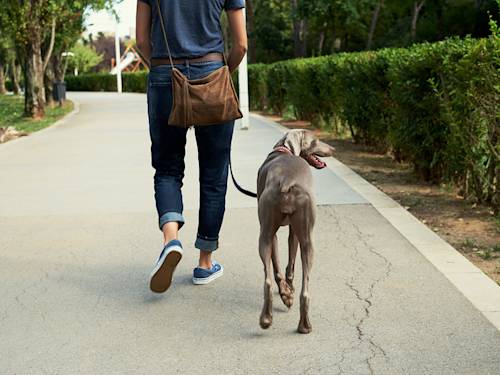
A dog gives you an instant membership card to a loose neighborhood club: the other people out at the same hour with the same kind of companion. But membership comes with unwritten rules, and the fastest way to become the person others cross the street to avoid is to assume everyone shares your enthusiasm. They don’t. Some folks are out to make friends. Plenty are just trying to let their dog pee and get home. Good walking etiquette is mostly one skill, reading which is which, and defaulting to the assumption that the answer is “not right now.”
The golden rule: assume they don’t want to meet your dog
Your dog is delightful. That’s not the point. Plenty of people would rather a strange dog not come at them at all, however cute, and some have reasons you can’t see from across the street: a reactive dog of their own, a fear of dogs, a training session in progress, a tight schedule. When you let your dog bound up to a stranger or another dog uninvited, you’re deciding for them, and often you’re blowing up someone else’s careful work.
So keep meet-and-sniffs short and opt-in. Don’t take it personally when someone keeps their pace and passes you by; you have no idea what their day, or their dog, requires. If both parties clearly want to say hi, great. If there’s any doubt, keep moving. Reading the room is the whole game.
The most common mistake I see isn’t a person being rude, it’s a person being friendly at the wrong moment. They’d never walk up and hug a stranger, but they’ll let their dog do the canine version and call it saying hello. Assume the other end of the block wants space, and you’ll almost never be the problem.
Use the leash, and mean it
This is the non-negotiable. Outside a designated off-leash area, your dog is on a leash, period. It doesn’t matter how bombproof their recall is on a calm day. You can’t predict what will trigger a bolt, a squirrel, a skateboard, a mail carrier your dog has a personal vendetta against, and a loose dog in a public space can find itself in a fast, ugly situation with another dog or a person before you can react. Recall practice belongs somewhere contained, a fenced yard or an off-leash park, where a mistake doesn’t end in traffic.
Respect people and property
Keep your dog close enough that pedestrians can pass without getting clotheslined by a leash or jumped on. Don’t let your dog treat neighbors’ yards as a toilet, either. A lawn takes real money and hours to keep up, and dog urine genuinely burns it out. A little routing courtesy goes a long way toward keeping the whole street on friendly terms with dog owners in general.
Pick it up. Every time.
There’s no clever way to say this: bag your dog’s poop, always. It is not fertilizer. Left on the ground it’s an environmental problem and a genuinely unpleasant one for whoever steps in it, and the people who don’t bother are the reason dog owners as a group get side-eyed. Don’t be that person.
Stay aware of what your dog is doing
You’re responsible for your dog’s behavior and their interactions, which means actually watching them instead of your phone. If your dog gets jumpy, crowds another dog, barks, or wraps their leash around a passerby’s legs, intervene early. Learn to spot a greeting that’s tipping from friendly to tense and break it up before it does. And don’t let your dog approach another dog who’s mid-poop, it’s distracting for the dog and maddening for their owner, who just wants the moment to be over.
When you do want to socialize
None of this means the walk can’t be social, it means the walk isn’t the only place to be. If you’re craving dog-parent community, seek out the settings built for it: off-leash parks, meetups, training classes. On the sidewalk, the priority is everyone getting where they’re going without incident. Be friendly, stay alert, keep the leash on.
What’s new since these rules were written
Two things have sharpened the stakes. First, off-leash conflicts have become a bigger flashpoint as more cities tighten leash ordinances and step up enforcement, an off-leash dog isn’t just a courtesy issue now, it can be a citation. Second, the environmental case against leaving waste has gotten harder to wave off: researchers studying dog-dense parks and green spaces have documented how much nitrogen and phosphorus accumulates from uncollected waste, enough to alter soil and stress local plant life. The old etiquette was about your neighbors. The current version is about your neighbors and the ground itself. Either way, the fix is the same, and it fits in your pocket.
Sasha Ford is a certified cat behaviour consultant who has worked with shelters, catteries, and private clients across the country. They review all feline behaviour content at The Pet Times, with expertise in multi-cat households, indoor enrichment, and stress-related disorders.
Meet our experts ↗Keep reading
 LivingSF Is a Dog's City. The Leash Line Moves Every Few Hundred Feet.Jordan Ellis · 12 min
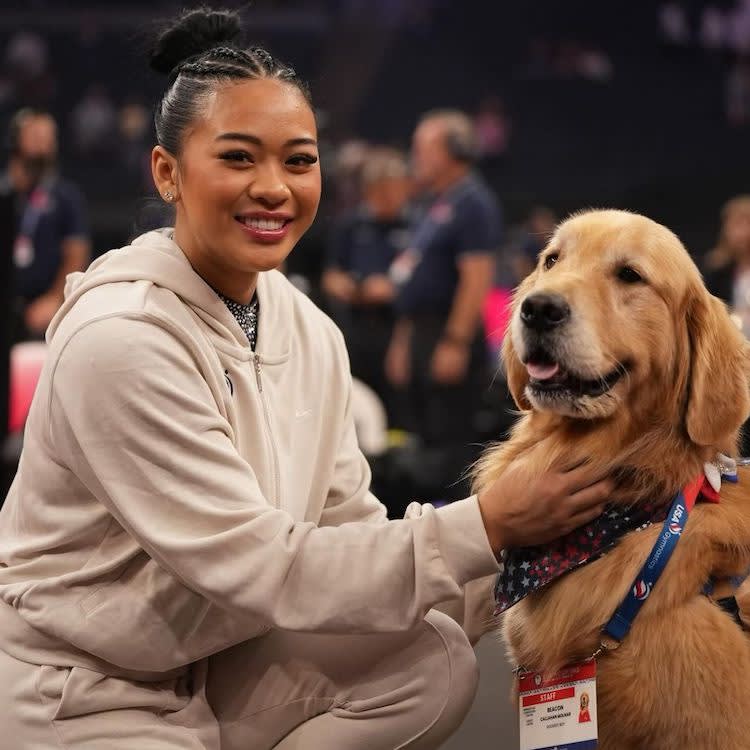 LivingThe Dog Who Calms Olympians Needed Help Himself. How Beacon Pulled ThroughDr. Mara Chen · 4 min
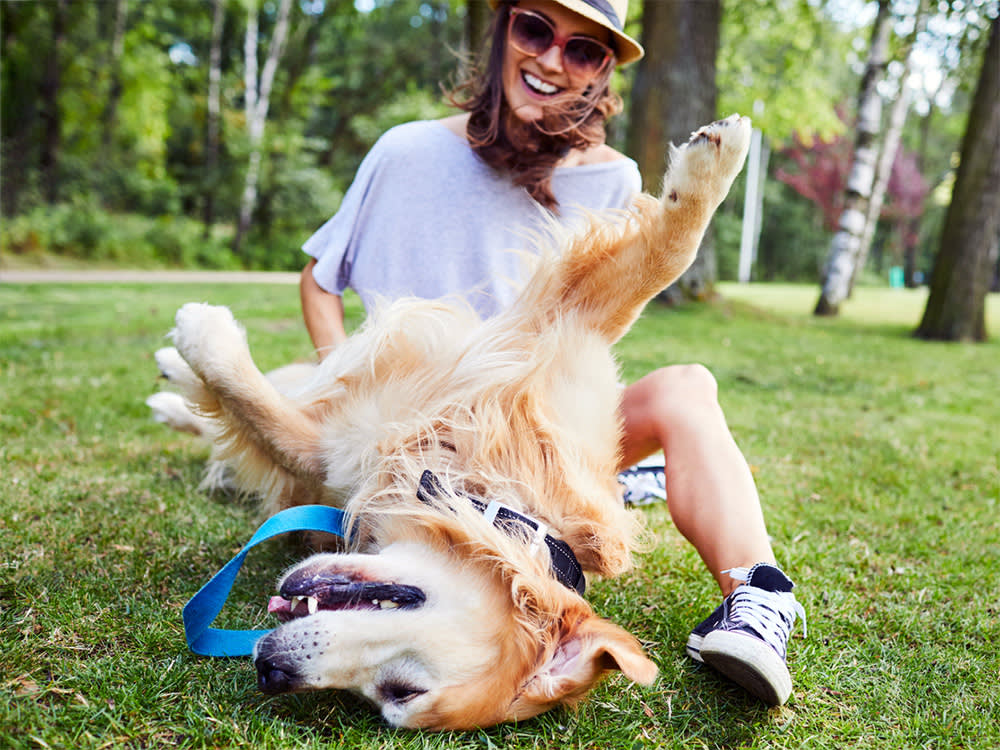 LivingYour Dog Is the Cheapest Anti-Anxiety Tool You Own. Most People Waste It.Dr. Nina Kohl · 5 min
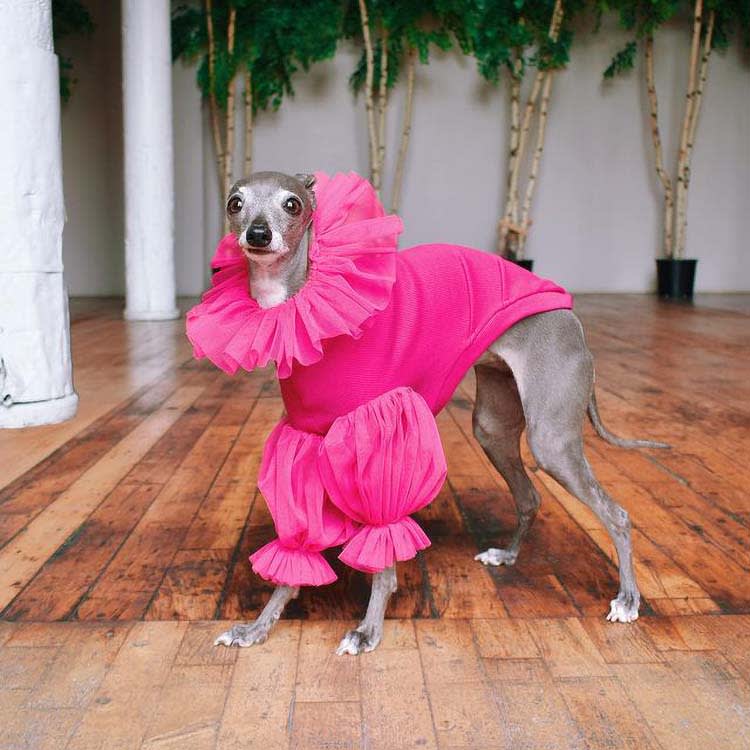 LivingThe 8 Dogs Who Built the Entire Pet-Influencer EraLeila Torres · 5 min
 LivingHe's Dressed Beyoncé and Michelle Obama. His Irish Terrier Won't Wear a Thing.Nina Vasquez · 5 min
 LivingThe Dog Park Is a Near-Perfect Matchmaking Machine. Here's the ProofLeila Torres · 9 min