Most swollen-eye advice starts with a calm list of causes. That is backwards. The first thing to understand about a swollen dog eye is that it sits in a small club of symptoms where the “watch it overnight” instinct, the one that serves you well for a limp or a skipped meal, can quietly cost your dog part of their sight. Eyes do not have much margin. Pressure that climbs or a scratch that deepens does its damage fast. So the useful way to think about a puffy, red, or half-closed eye is not “what is this,” it is “how quickly does this need a professional,” and the honest answer is almost always “sooner than you’d like.”
That reframing shapes everything below. We will start with the two-minute triage, then work through what is actually going on and what happens at the vet, because by then you will already have made the only time-sensitive decision correctly.
First, the two-minute triage
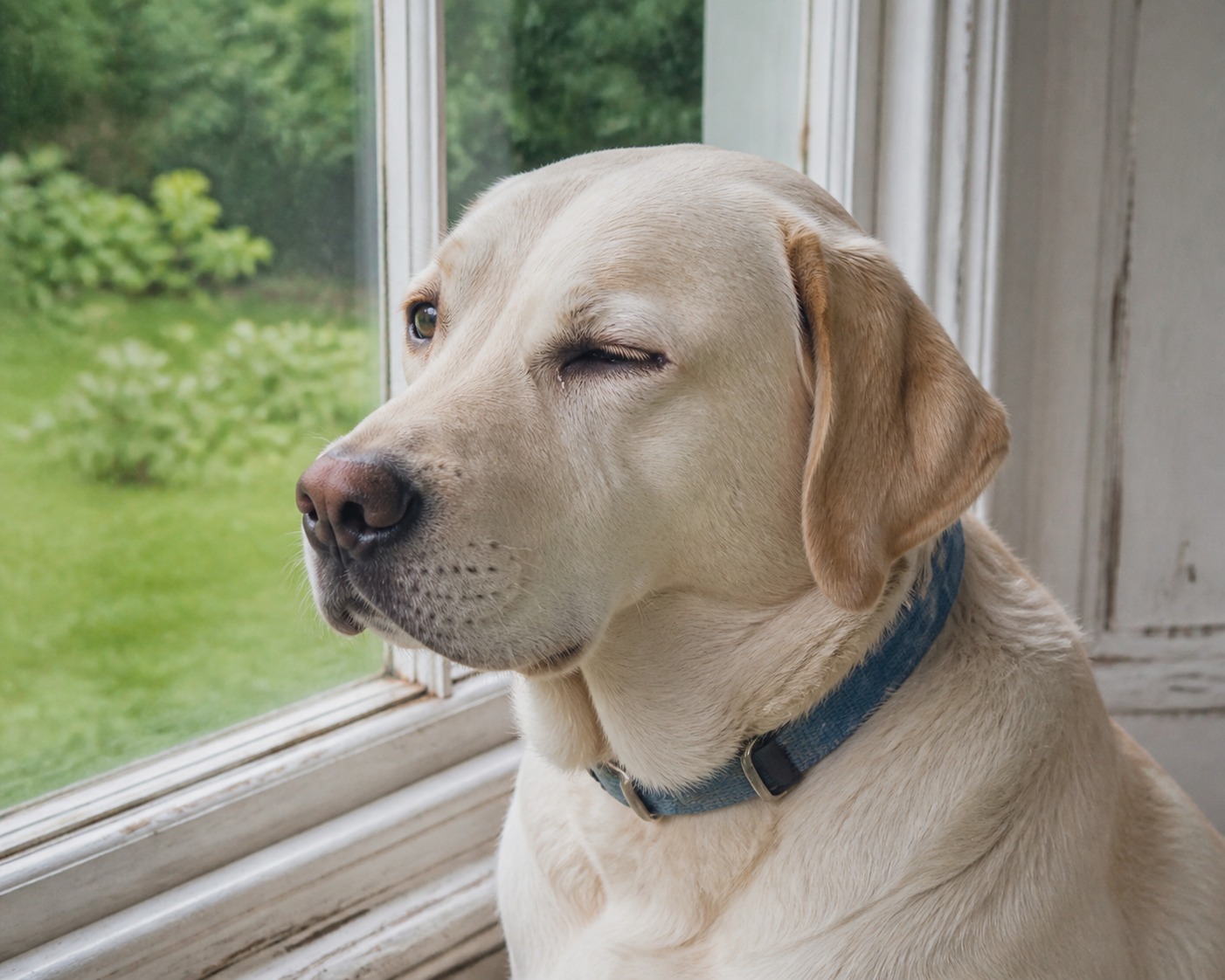
Look at the eye in good light and ask three questions: Is my dog in obvious pain? Has the eyeball itself changed? Is anything leaking out?
Go to a vet or an emergency clinic the same day if you see any of these:
- The eyeball looks larger, bulging, or is protruding differently than the other eye
- Hard squinting, holding the eye shut, or repeated pawing and rubbing
- Cloudiness or a bluish haze over the surface
- Yellow, green, or bloody discharge
- The third eyelid (that pale membrane in the inner corner) is up and staying up
You have a little more room to watch, for a day at most, only if the swelling is mild, your dog is acting normal, and you have seen this exact thing before, such as a dog you already know gets puffy eyes during pollen season. Even then, any downhill turn ends the waiting.
Here is the anatomy that makes this readable. A healthy eye is clear, with tears that stay put rather than spilling. The pink tissue lining the lids, the conjunctiva, normally hides out of view; when you can see it reddened and puffy at the rim of the eye, something is inflaming it. Dogs also carry a third eyelid tucked into the inner corner that you should not normally notice. And dogs, unlike us, tend to leave a healthy eye completely alone, so pawing or squinting is your dog telling you the eye hurts.
What’s actually causing it
Eyes are tough but exposed, so almost anything that can irritate the rest of the body can irritate them. The common culprits:
Allergies. The same pollen, mold, and dust mites that make human eyes itch and water do it to dogs, producing redness and swelling of the conjunctiva, sometimes with sneezing. Household chemicals count too. If the eyes flare every time you mop with a particular cleaner or treat the yard, look there.
Infections. The eye has real defenses, and tear film washes away a lot of bacteria and viruses, but not all of it. When microbes take hold in the eye or conjunctiva, you get discomfort, swelling, and discharge.
Injuries. Blinking and tears prevent a lot of trauma, but a run-in with a branch, a paw swipe from a cat, or a scratch to the cornea can all leave the eye swollen. Scratches and ulcers on the cornea are a frequent hidden cause.
Foreign bodies. Dogs live nose-to-the-ground and investigate everything, so grass awns, plant burrs, or grit can lodge against the eye and trigger swelling, redness, and discharge.
Glaucoma. Here the fluid inside the eye stops draining properly and pressure builds, enlarging and inflaming the globe. It can stem from the eye’s own anatomy or be set off by infection, a tumor, or cataracts. Glaucoma is painful and can blind a dog if it is not treated quickly, which is exactly why the triage above matters.
One group deserves a flag of its own. Flat-faced, or brachycephalic, breeds, the Pugs, Boxers, and French Bulldogs of the world, have shallow orbits that leave the eyeball sitting more prominently. That good looks comes with a cost: their eyes are more exposed to injury and drying, so a bulgy-eyed dog earns a lower threshold for a vet visit.
“The eye is one of the few places I tell owners to be a little paranoid,” says Dr. Mara Chen. “A day of watchful waiting is fine for a lot of things, but a scratched cornea or rising eye pressure can turn a treatable problem into a permanent one in that same day. When in doubt, have it looked at, and let us be the ones to say it’s minor.”
What the vet will actually do
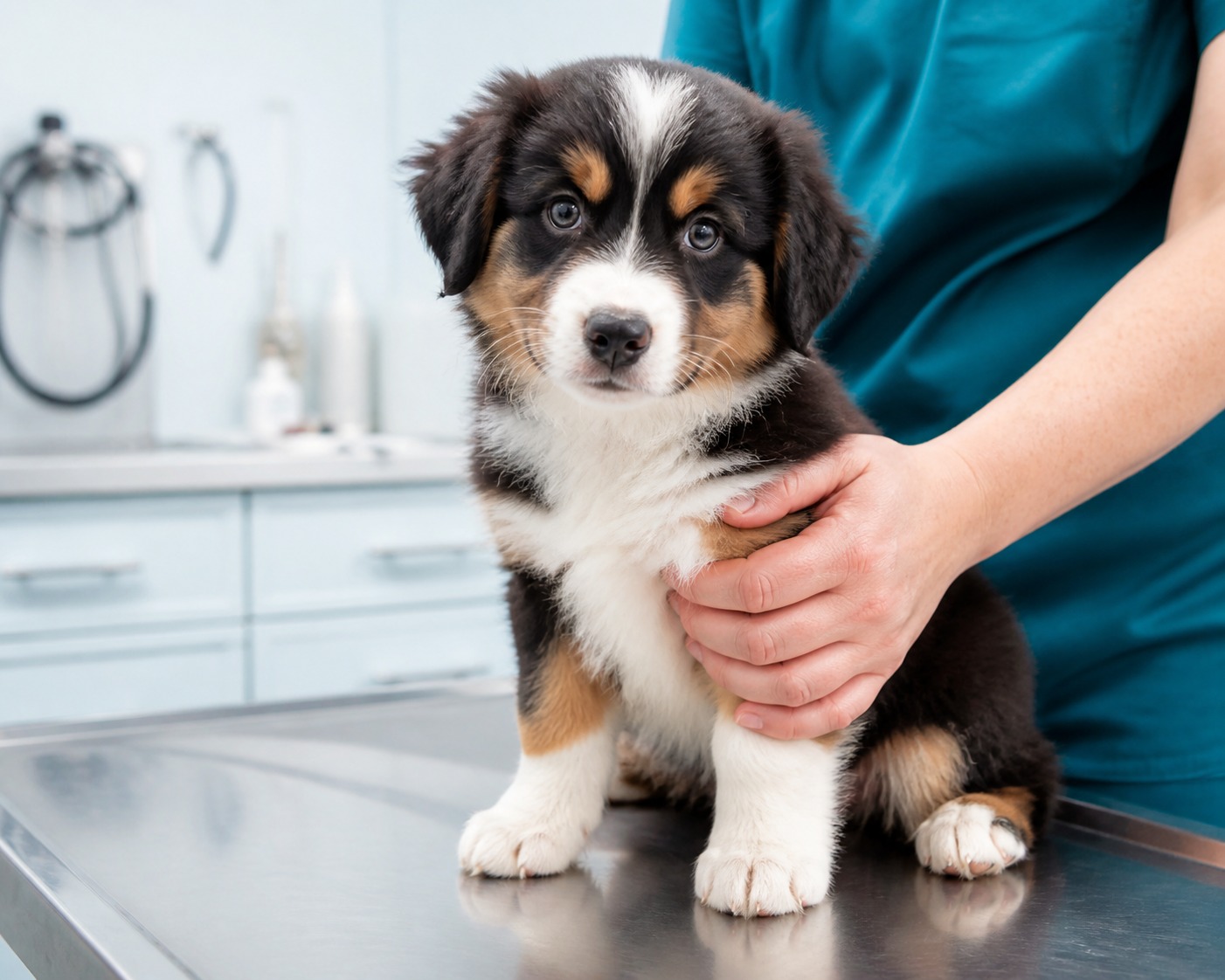
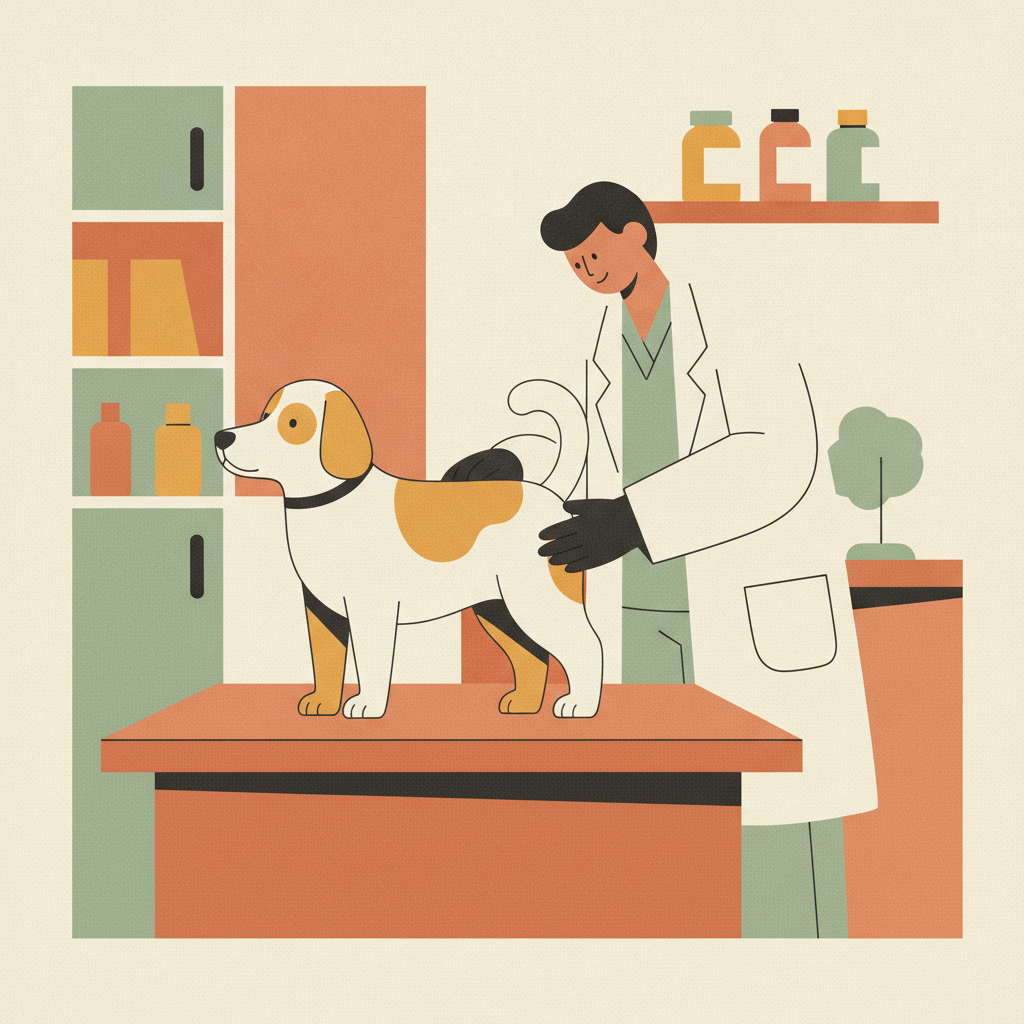
Eyes are not a good place to experiment, so expect a proper exam rather than a quick glance. Your vet will study the eye inside and out, including under the lids, sometimes using a mild sedative and a numbing drop if the eye is too sore to open. When an injury or foreign object is on the table, they will usually apply a fluorescein stain that lights up scratches on the cornea and confirm the eye is making enough tears. If pressure is the concern, they will measure it with a tonometer, the single fastest way to catch glaucoma before it does harm.
Treatment then follows the cause. Allergic or infected eyes often clear with medicated drops. A lodged foreign body may need to be removed under sedation and local numbing. Glaucoma calls for medication to bring the pressure down and protect vision. Corneal ulcers sometimes heal with drops alone, and sometimes need the eye protected while it repairs, occasionally by temporarily stitching the lids partly closed to shield the surface.
What you can safely do at home
For a genuinely mild, familiar irritation, and only then, there are a couple of gentle things worth trying while you decide. Rinse the eye with plain sterile saline to flush out dust or an allergen, and rest a cool, damp cloth over the closed lid if your dog will tolerate it. That is the whole list. If it is not clearly improving, or if it worsens, the home phase is over and it is time to be seen. Never reach for old prescription drops or human eye medications; the wrong one on a corneal ulcer can make things dramatically worse.
Preventing the next one
You cannot bubble-wrap a dog, and not every eye problem is avoidable, but you can shorten the odds. Keep an eye on your dog around brush, sticks, and rough play where scratches happen. Keep up with routine wellness visits so a vet can catch small changes early. And pay attention at home to little things, a bit of extra tearing, a faint redness, before they snowball.
What newer research adds
Veterinary ophthalmology has leaned hard into early pressure screening in the last few years, and the takeaway for owners is simple: painless does not mean fine. Rising eye pressure can be well underway before a dog shows dramatic signs, which is part of why vets now reach for the tonometer so readily on any swollen or reddened eye. Newer thinking on corneal ulcers has also moved toward treating them aggressively and rechecking sooner rather than assuming a small scratch will just resolve. Both trends point the same direction as the advice here: with eyes, fast beats cautious.
The bottom line has not changed. A swollen eye can come from an injury, an infection, a foreign body, or glaucoma, and while some causes are minor, you usually cannot tell which from your couch. Redness, swelling, squinting, and discharge are all reasons to let a vet take a look, and the sooner you do, the more of your dog’s vision you protect.
References
- Cornell Richard P. Riney Canine Health Center. “Glaucoma.” Cornell University College of Veterinary Medicine. https://www.vet.cornell.edu/departments-centers-and-institutes/riney-canine-health-center/canine-health-information/glaucoma
- Johnson, Tony, DVM. “Allergic Conjunctivitis in Dogs and Cats.” Veterinary Partner, VIN, 13 Oct. 2021. https://veterinarypartner.vin.com/default.aspx?pid=19239&id=10517463
- Merck Veterinary Manual. “Corneal Ulcers in Animals.” https://www.merckvetmanual.com/eye-diseases-and-disorders/cornea/corneal-ulcers-in-animals
- American College of Veterinary Ophthalmologists. “Glaucoma.” https://www.acvo.org/common-conditions-1/2018/2/1/glaucoma