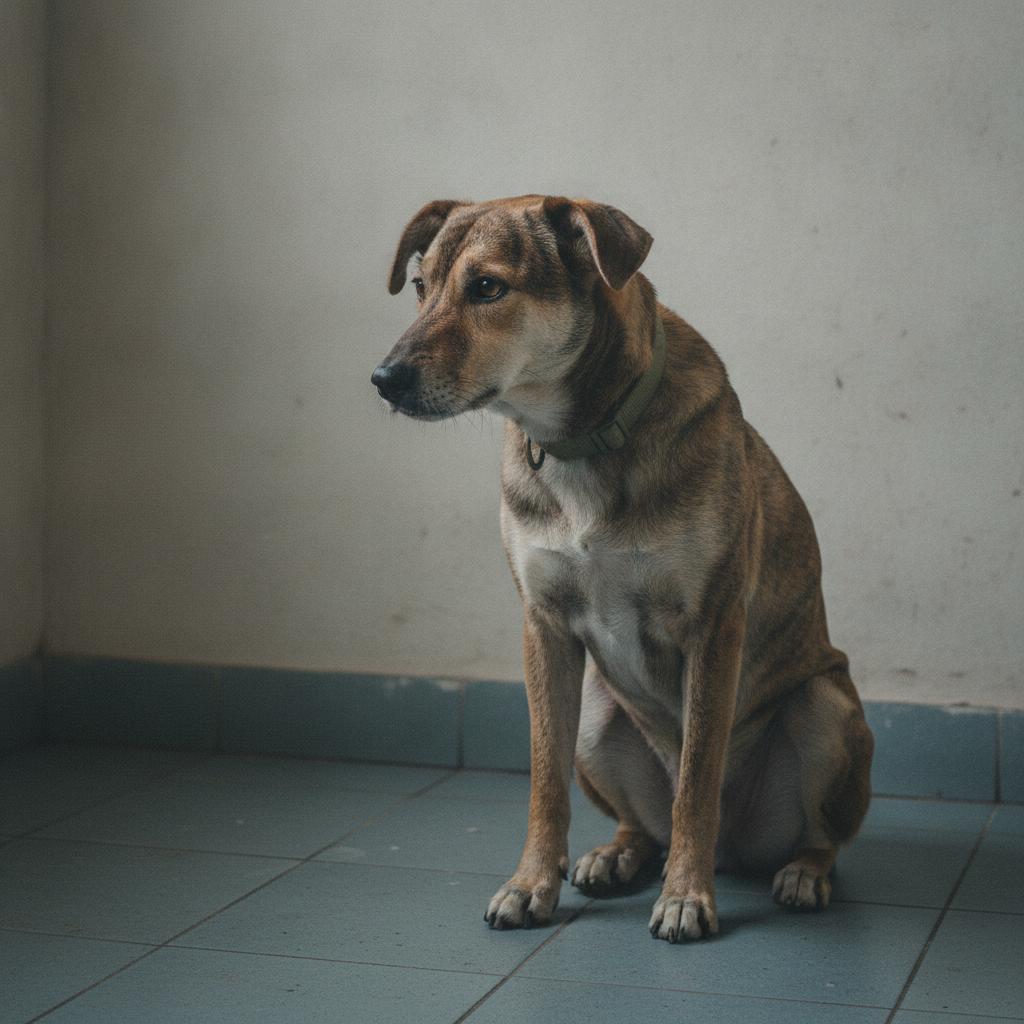
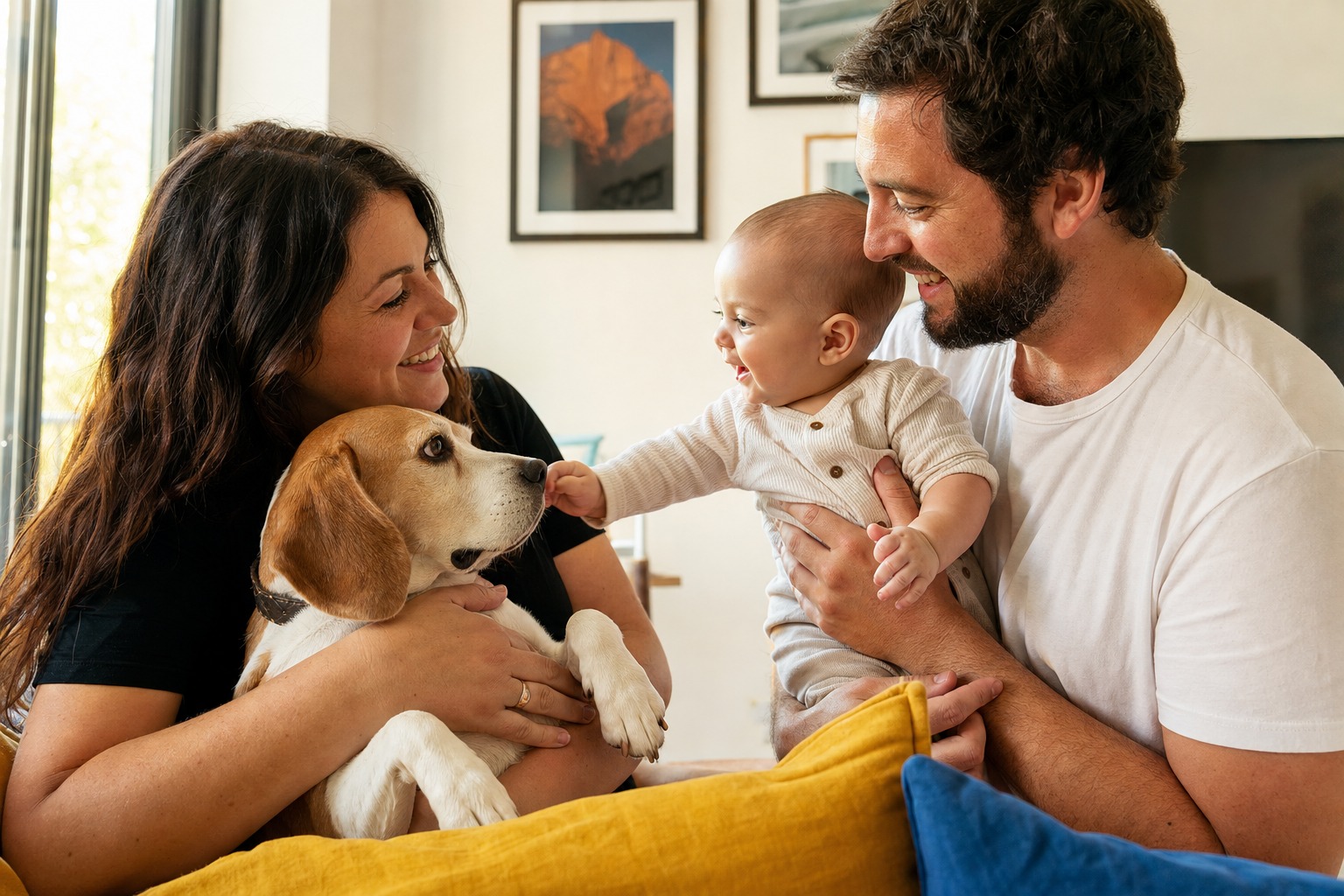
Bringing a baby home upends your whole household, and your dog is part of that household. The trouble is that a lot of the standard advice makes things harder on your dog, not easier. You’ve probably heard some version of it: cut your dog’s attention roughly in half before the baby comes, so they “get used to” being a lower priority. The logic sounds practical. New parents have less time, so the dog should adjust early.
Here’s the problem. If you start withdrawing affection, toys, and attention in the weeks before the baby arrives, and then the baby shows up right as all the good stuff disappears, your dog does the math. They connect the loss to the new arrival. You’ve accidentally taught them that the baby is bad news. That’s the opposite of what you want, and it’s completely avoidable.
You don’t have to demote your dog to keep a baby safe. You do have to be deliberate. Here’s a plan that protects the baby and keeps your dog feeling like a full member of the family.
Introduce the scent before the newborn
Your dog reads the world through their nose, so let their nose meet the baby first. While mom and baby are still in the hospital, send someone home with a blanket or an item of clothing the baby has worn.
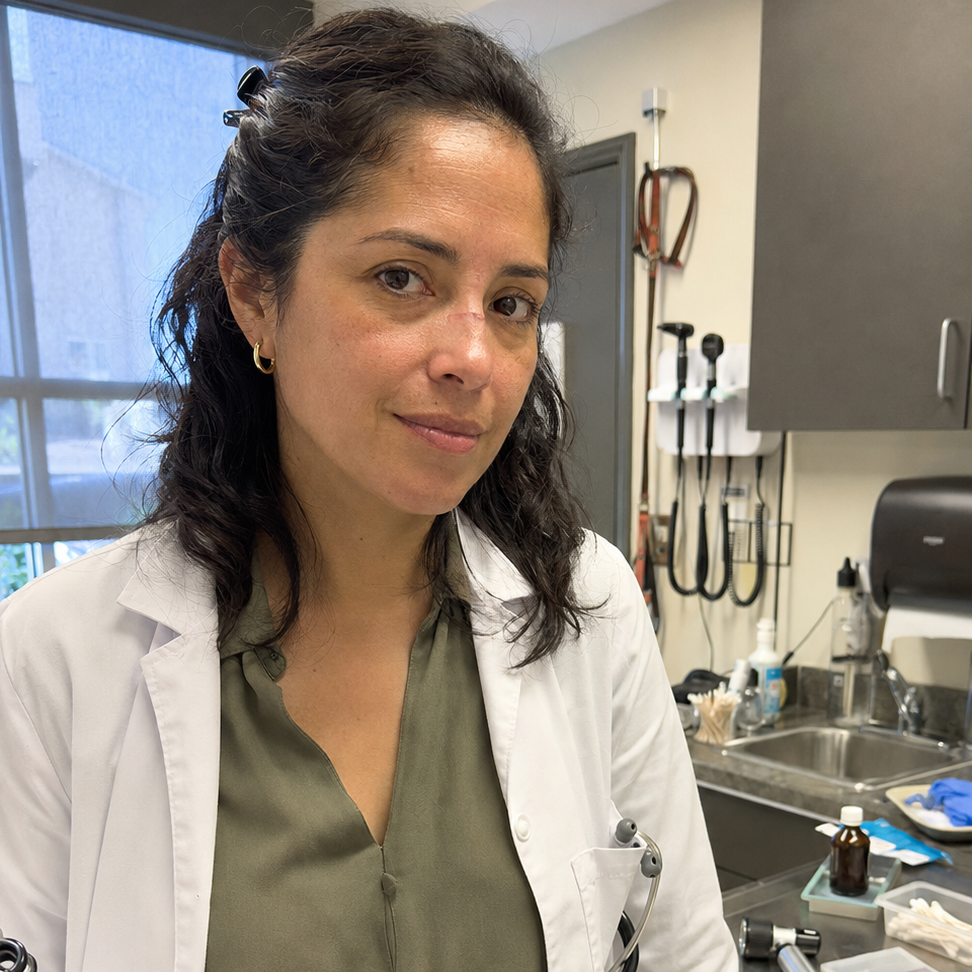
“Let your dog investigate the baby’s scent on a blanket a day or two before the newborn actually comes through the door,” says Dr. Amara Solis. “It takes the edge off. By the time the real baby arrives, that smell is already familiar rather than alarming.”
When it’s finally time for the in-person meeting, set it up for success. Give your dog a chance to settle after you walk in the door before you bring them together, since a wound-up, just-greeted dog isn’t in a calm frame of mind. Have one person hold the baby while another keeps the dog on a loose leash, so you have gentle control without tension. If you have more than one dog, do these introductions one dog at a time rather than all at once.
The one rule with no exceptions
Everything else on this list has nuance. This one doesn’t.
“A baby and a dog should never be left alone together, full stop, no matter how gentle you’re certain your dog is,” says Dr. Amara Solis. “This is the piece I repeat the most, because people assume it doesn’t apply to their gentle dog. It applies to every dog.”
It isn’t about whether your dog would “mean” to hurt anyone. It’s that too much can go wrong in a second. A yanked ear, a paw on a tiny hand, a wagging tail catching an eye. It isn’t fair to the baby, and it isn’t fair to a dog who’s trying to be good but has no idea how breakable this new person is. Supervise every interaction, actively, and when you can’t, put a barrier between them.
Make the baby a source of good things
This is where you undo the demotion myth. The goal is for your dog to associate the baby with attention and rewards, not with being shut out.
That means flipping the usual instinct. Many new parents only get around to the dog once the baby is finally asleep. But if the only time your dog gets your attention is when the baby is out of the picture, you’re teaching them that the baby’s presence equals nothing for them.
“Pay attention to your dog while the baby is awake and around, not just after bedtime,” says Dr. Amara Solis. “Toss a few treats, offer some quiet praise for settling calmly near the baby. You want your dog learning that good things happen because the baby is here.”
You genuinely can keep loving your dog through all of this. In fact, you should. A dog who still feels seen is a dog far less likely to act out from jealousy or the sense that they’ve been pushed aside.
Manage the environment while you train
A few practical systems take pressure off everyone.
Sort out the toys and the small stuff. Dogs don’t naturally know which soft, squeaky things are theirs and which belong to the baby, so a bit of training ahead of time helps. Harder still is teaching a mobile, curious baby to leave the dog’s toys and food bowl alone, and not every dog is gracious about sharing. A baby gate lets your dog eat and play in peace. And stay on top of the swallowable hazards: pacifiers, bottle nipples, and small toys can all be swallowed and sometimes require surgery to remove. Many baby products, including diaper rash ointment, are toxic to dogs, so keep them somewhere secure.
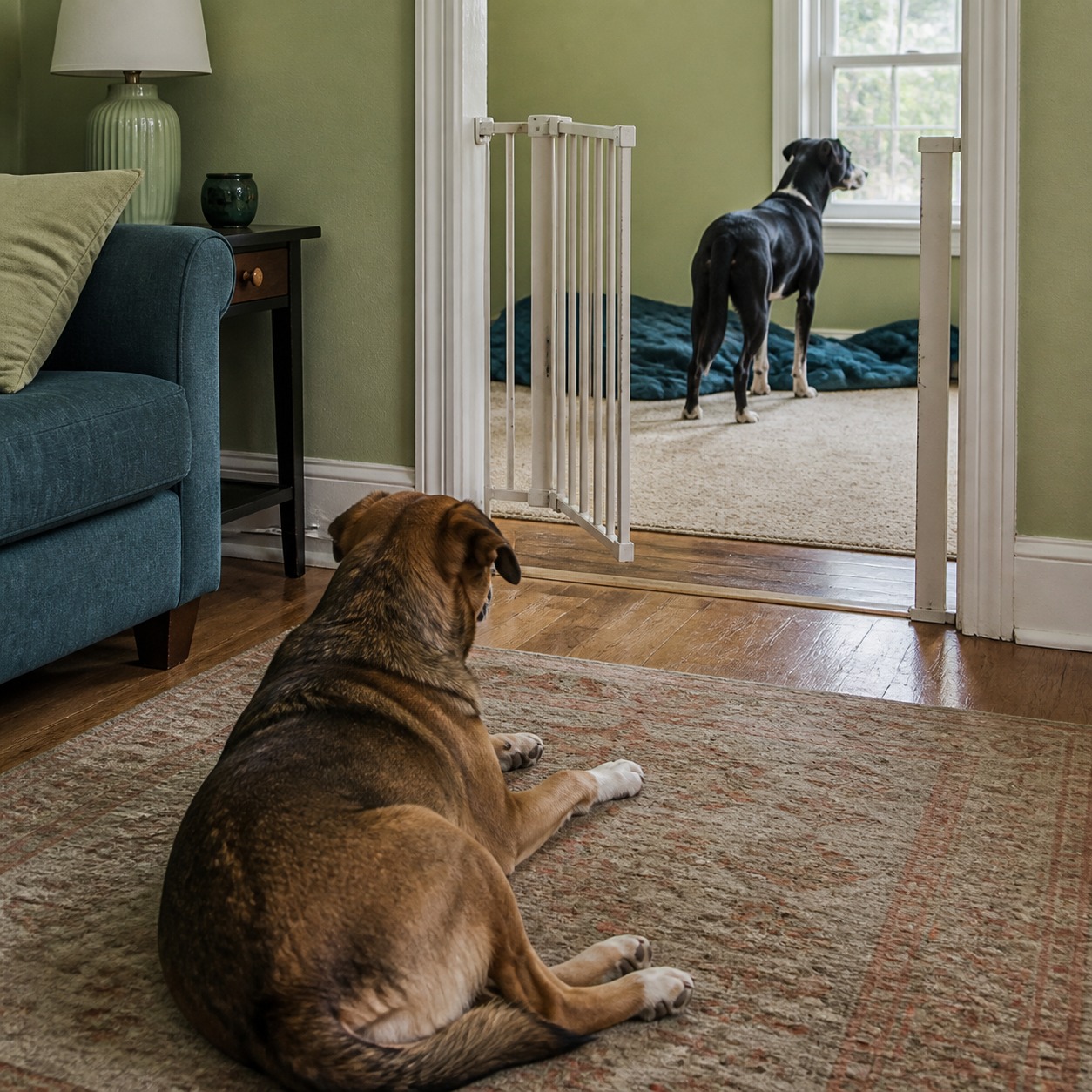
Use baby gates generously. Gates aren’t only for when something’s going wrong. Sometimes both the dog and the baby simply need space from each other’s constant attention. This matters especially for older dogs or those with sore spots. Once your baby starts crawling, they will find your dog fascinating and try to follow them everywhere, and even a saint of a dog can hit their limit. A gate, a playpen, or a crib all make fine, fair boundaries.
Teach a solid sit and stay. If your dog doesn’t already have these, work on them now. A reliable sit-stay is genuinely useful when you’ve got the baby in your arms, or the baby is close by and your dog gets excited. Training takes time, but with consistent, reward-based practice, your dog can learn to hold still and calm on cue. Reward calm behavior around the baby even when you didn’t ask for it, so a relaxed dog near the baby becomes its own good habit.
A few more things that help
Beyond the big moves, these smaller steps smooth the transition:
- Get your dog used to baby sounds and smells gradually in the weeks before the arrival, so nothing is a shock.
- Make sure your dog is current on vaccinations and comfortable with basic training before the baby comes.
- Keep a predictable daily routine going for your dog, which steadies them while everything else is changing.
- Set clear boundaries, like keeping your dog off the furniture where the baby spends time.
- If your dog struggles with the adjustment, bring in a professional trainer or behaviorist early rather than waiting for problems to harden.
None of this requires loving your dog less. It requires being intentional, so your dog and your baby can grow up in the same home feeling safe, and so your dog never learns that the best thing that ever happened to your family was the worst thing that ever happened to them.