


Dog Flu Is Usually Mild. In a Shelter, It Emptied Tampa's Kennels.
For a dog at home, canine influenza is often a bad cough that passes. In a crowded shelter it is a disaster, as Tampa Bay learned in 2024 when an outbreak forced facilities to stop taking dogs for the first time in over a century. The real danger isn't the virus. It's the density.

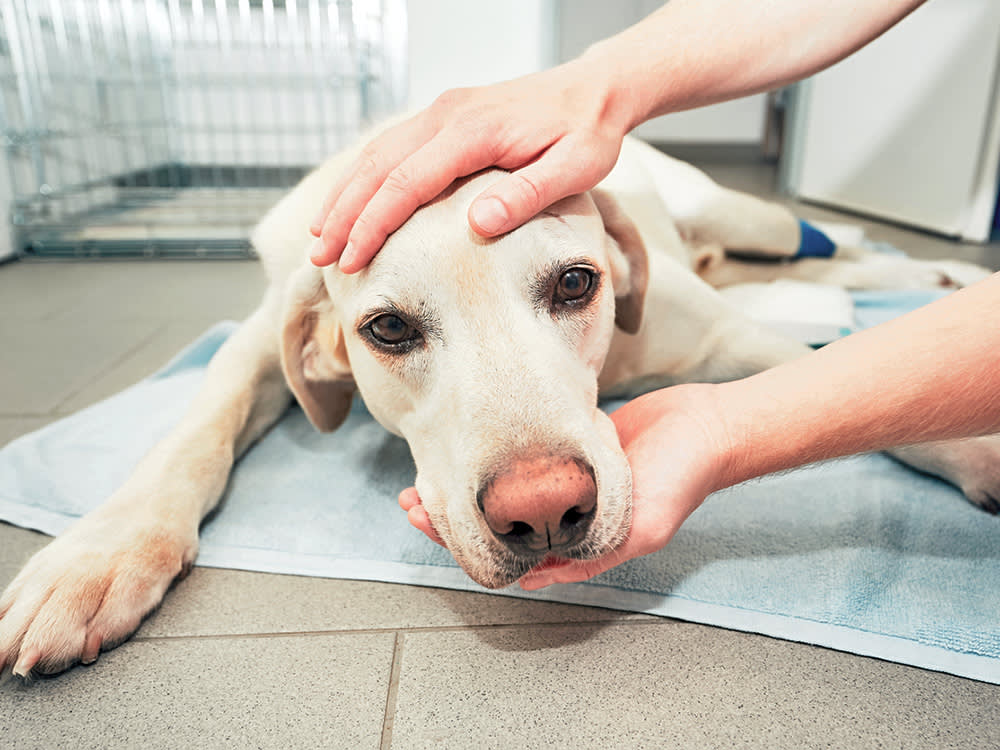
In June 2024, animal shelters across Florida’s Tampa Bay area found themselves scrambling against an enemy that, in most living rooms, would barely rate a mention: canine influenza, the dog flu. It is a highly contagious respiratory illness, and in a home it is usually a mild, passing thing. Packed into shelters holding hundreds of dogs, it became a crisis serious enough to shut the doors.
That contrast is the whole story of dog flu, and it is worth understanding before you panic about a cough. The virus is not unusually deadly. It is unusually good at spreading, and spread is catastrophic exactly where dogs are stacked together and share air, bowls, and handlers. The danger is the density.
What happened in Tampa Bay
The outbreak forced the kind of decisions shelters dread. Dogs had to be moved out so facilities could be disinfected, which halted intake and stalled adoptions. Hundreds of dogs showed symptoms, and at the Humane Society of Tampa Bay, one dog died.
For the first time in its 112-year history, that shelter stopped accepting new dogs, with plans to reopen to intake in mid-July. Its leadership described the move as one they did not make lightly, taken because protecting the animals already in their care came first in what was an genuinely unprecedented situation.
Other facilities were hit just as hard. At Pasco County Animal Services, 127 dogs were exposed and about three-quarters became symptomatic, prompting a pause on adoptions, surgeries, intakes, and transfers into early July. The Hillsborough County Pet Resource Center, already running at around 150 percent of capacity, also suspended operations, aiming to resume adoptions and intake by mid-July. Its director noted there was simply no way to contain the virus in a building that overcrowded.
Everyone involved stressed the same message to the public: do not panic. Dog flu is far more dangerous in a shelter, where the sheer number of animals and the many routes of transmission let it rip, than it is in a private home.
What dog flu actually does
For your own dog, here is the practical picture.
Sick dogs show symptoms much like the human flu: a cough, fever, runny nose, lethargy, eye discharge, or loss of appetite. Most cases are mild, but canine influenza can occasionally turn severe, which is why it is worth watching rather than shrugging off. Unlike our flu, there is no dog flu season. It circulates year-round.
It takes roughly two to four days after infection for a dog to get sick, and not every infected dog looks sick. Only about 80 percent of infected dogs show obvious symptoms, but every infected dog can spread the virus, which is what makes it so hard to contain. Treatment is supportive and depends on the dog: it may include fluids, nutritional support, appetite stimulants, dog-safe anti-inflammatories to bring down fever, and antibiotics if a secondary bacterial infection sets in.
Two facts bring the worry down to size. There is a vaccine, proven to reduce the severity and duration of illness. And dog flu does not jump to people; per the CDC, no human has ever been reported infected. It is highly contagious between dogs, though, so a dog who catches it should be quarantined from other dogs in the household until they recover.
The thing I want owners to take from an outbreak like this is not fear of a cough, it is respect for how the virus moves. One dog at home with the flu is a manageable patient you nurse through a rough week. The same virus in a building full of dogs is a wildfire. If your dog spends time around other dogs at daycare, boarding, or the park, that is the conversation to have with your vet about vaccinating, because you are protecting the group as much as the individual.
What’s new since the outbreak
In the time since Tampa Bay’s 2024 emergency, the picture has shifted in a few useful ways. In North America, the H3N8 strain has effectively faded, and the H3N2 strain is now the one circulating, which matters for how vets think about protection.
Vaccine options have also grown. In 2025, new canine influenza vaccines reached the market, including reformulated products from major manufacturers designed to broaden and strengthen the immune response. At the same time, demand-driven vaccine shortages have popped up in some regions, occasionally leaving daycares and boarding facilities scrambling during local flare-ups. The takeaway for owners has not changed: if your dog mixes with other dogs, ask your vet whether the canine flu vaccine makes sense, and do not wait for an outbreak in your area to start the conversation. And if there is an active outbreak nearby, the simplest protection is still the oldest one, which is to keep your dog out of crowded dog spaces until it passes.
References
- Centers for Disease Control and Prevention. “Key Facts about Canine Influenza (Dog Flu).” https://www.cdc.gov/flu/other/canine-flu/
- American Veterinary Medical Association. “Canine influenza.” https://www.avma.org/resources-tools/pet-owners/petcare/canine-influenza
- Cornell University College of Veterinary Medicine, Baker Institute for Animal Health. “Canine Influenza.” https://www.vet.cornell.edu/departments-centers-and-institutes/baker-institute/research/canine-influenza
- Today’s Veterinary Practice. “An Update on Canine Influenza Virus Vaccine Options.” https://todaysveterinarypractice.com/pharmacology/an-update-on-canine-influenza-virus-vaccine-options/
Common questions
Can I catch dog flu from my dog?
No. According to the CDC, there has never been a reported case of a person infected with canine influenza. It spreads readily between dogs, though, so an infected dog should be isolated from other dogs in the home.
Is there a dog flu vaccine?
Yes. Vaccines do not always prevent infection outright, but they reduce how severe and how long the illness is and cut down on viral shedding. They are especially worth discussing for dogs who go to daycare, boarding, grooming, or dog parks.
Not a substitute for your vet. Our guidance is educational. For urgent symptoms, contact a vet or emergency clinic right away. Editorial standards
Dr. Chen is a small-animal veterinarian who leads health and safety coverage at The Pet Times. She writes and reviews the bulk of our illness, condition, and safety content, translating clinical guidance into clear, practical advice owners can act on at home.
Meet our experts ↗Keep reading
 Health & WellnessThe Vet Said Amputate. Almost Every Owner Says the Same Thing Afterward.Dr. Mara Chen · 12 min
 LivingA Pink Poodle Fell Into an Icy River. The Dye Job Saved Her.Marcus Webb · 6 min
 Living43 Arrests at a Texas Dogfight. Nearly All of Them Bonded Out.Dr. Amara Solis · 7 min
 LivingHe Lost 90% of His Business. Then He Groomed 1,461 Dogs for Free.Marcus Webb · 5 min
 LivingA Viral Dog Reunion Rewrote California LawMarcus Webb · 6 min
 Health & WellnessYou Can't Know a Rescue Dog's Age. Here's How Close You Can Get.Dr. Nina Kohl · 8 min