


No, Not Liking Dogs Doesn't Make Someone a Sociopath
Dog lovers love to call dog-averse people heartless. A look at what the science of personality actually says, and why the harsh reaction often reveals more about us than them.

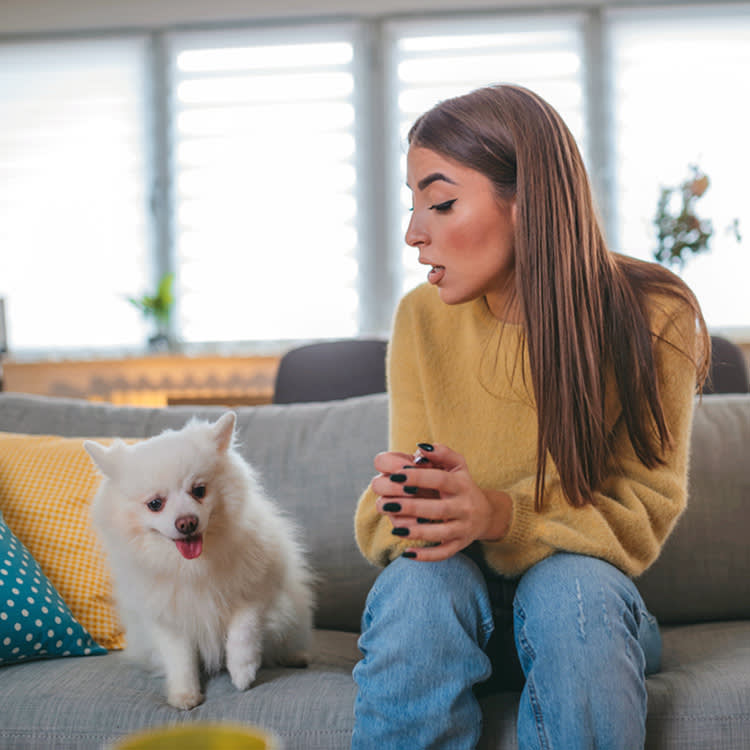
To a devoted dog person, meeting someone who genuinely dislikes dogs can feel like a glitch in the universe. Dogs are loyal. Dogs are goofy. Dogs are, for millions of us, one of the most tender relationships we will ever have. So when a person waves all that off, the reflex is quick and a little smug: what is wrong with them? Somewhere in that reflex sits a nastier accusation that gets tossed around constantly, half as a joke: anyone who doesn’t like dogs must be a sociopath.
Let’s take that accusation seriously for a second, then take it apart. Because the interesting question is not whether dog-averse people are secretly heartless. It’s why their harmless preference sets so many of us off.
First, the label is wrong
Start with the clinical facts, because the “sociopath” jab leans on them without earning them. When people say “sociopath” or “psychopath,” they are gesturing at what clinicians call antisocial personality disorder, a serious condition marked by a persistent lack of remorse and disregard for others, often rooted in an early environment stripped of safety and care. It has nothing to do with whether someone enjoys the company of a Labrador.
Conflating a pet preference with a personality disorder is not just sloppy. It trivializes a real and often painful diagnosis by turning it into a punchline. History is stuffed with cruel people who doted on their pets, and with kind people who never wanted one. Liking dogs is not a moral credential, and disliking them is not a moral failing.
“Disliking dogs, on its own, tells you almost nothing about a person’s empathy or character,” says Dr. Ravi Mehta. “When it’s a dog-specific reaction rather than a general indifference to animals, what I usually find underneath is fear, and fear has a history worth understanding rather than judging.”
Where dog aversion actually comes from
Peel back a strong dislike of dogs and you rarely find a cold heart. You find a story. Maybe the person was bitten, chased, or badly frightened by a dog young enough that the fear wired itself in for good. Maybe they simply never grew up around dogs and never got comfortable reading them, so a wagging, lunging, barking animal registers as chaos rather than joy. Maybe they find dogs unpredictable, or feel that dogs don’t warm to them. Maybe their own nervous system runs hot enough that co-regulating with an excitable animal feels like too much, not too little.
You could ask someone why dogs aren’t their thing, but they are under no obligation to explain themselves, and they may not want to. Volunteering the real reason is a gamble, offered with no guarantee of a kind response, and plenty of people have learned to keep it to themselves. And unless the two of you are about to co-adopt a puppy, the honest truth is that it’s none of your business. A person can like you enormously and dislike dogs completely. Those are not the same axis.
Why dog lovers take it so personally
Here is the part worth sitting with. When someone else’s preference, one that does not touch your life at all, provokes a strong reaction in you, that is a signal to get curious about yourself, not about them.
Part of it is simple affinity. When you feel a deep bond with dogs, it can be genuinely hard to imagine not feeling it, the same way a snake enthusiast struggles to understand a person who recoils at snakes. We get biased by our own delight. On top of that sits the tribal machinery we all run on: dog person versus cat person, us versus them, good taste versus bad. Dichotomies are handy. They sort a messy world into fast, tidy buckets and hand us the comforting sense that we’ve got it figured out. They also flatten a whole person down to a team jersey, and once we have filed someone under the rival team, our reactions to them tend to get louder, more emotional, and far less generous than the situation deserves.
That machinery is running especially hot right now. In a culture that constantly nudges us to pick a camp and defend it, even something as trivial as dog preference can get swept up into the bigger habit of deciding who is with us and who is against us. It is worth noticing when a wagging tail becomes a loyalty test.
From “doesn’t like dogs” to “bad person”
Most of us know, at least intellectually, that a pet preference is not a character reference. And yet the jokes persist, and they are widely accepted. There’s an entire online community of people who live dog-free and are tired of being called psychopaths for it. One recurring complaint is exactly how exhausting it gets to be labeled a bad person over a preference, and the understandable response is to fire the judgment right back at dog lovers. That escalation makes sense, but it is the same disease, just pointed the other direction.
The unsettling thing is how easily even people who should know better slip into it. It is not hard to find someone thoughtful who will casually declare that anyone who doesn’t like dogs is “obviously crazy,” fully expecting you to laugh along. When the joke doesn’t land, the discomfort is instant, because the joke was never really harmless. Framed as humor, these little dismissals slide past our guard and settle in. The laugh comes first, the label second, and somewhere down the line we’ve quietly closed the book on a person we never actually met.
The real question isn’t about dogs
So if disliking dogs is not a reliable read on anyone’s character, why does it needle us so much?
Often, judgment is a mirror. When our sense of self is fused to a particular belief or preference, meeting someone who doesn’t share it can feel weirdly threatening, as if their indifference is an argument against us. So we stop being curious about the actual person in front of us and start inventing a version of them out of our own guesswork, guesses that usually expose our own insecurities more than anything true about them. People who feel solid in their own identity rarely experience someone else’s difference as an attack.
The point of all the empathy and affection we pour into our dogs is, presumably, empathy and affection. It is a little hypocritical to take those warm feelings and use them to sort humans into camps and make the “wrong” ones feel small. So the honest question was never really about the dogs at all. It’s whether we can let a difference sit there, even one that pokes at something we hold dear, without treating it as a ruling on the worth of another human being.
You know who is famously good at that? A dog.
References
- American Psychiatric Association. Antisocial Personality Disorder, Diagnostic and Statistical Manual of Mental Disorders (DSM-5-TR). psychiatry.org
- Serpell, J. Anthropomorphism and anthropomorphic selection: the pet connection. Anthrozoös (2003). tandfonline.com
This piece touches on mental health terms like antisocial personality disorder. It’s meant as a general discussion, not a diagnosis of anyone. If you’re wrestling with something heavier, talking to a professional or someone you trust is always worth it.
Nina Vasquez writes about life at home with pets and the relationships at the heart of it. Her work covers day-to-day living, people-and-pet stories, and the products that fit into a real household, with a warm, grounded take on everyday pet ownership.
Meet our experts ↗Keep reading
 LivingA Dog Was Surrendered for Being 'Gay.' The Couple Who Adopted Him Had Heard That One Before.James Okafor · 4 min
 LivingHow a Touring DJ Raised a Puppy-Mill Rescue, Then Prepped Her for a BabyClaire Sutton · 6 min
 LivingYou're Not Soft for Loving Your Dog This Much. You're Wired for It.Dr. Mara Chen · 6 min
 LivingThe Age of the Emotional Support Peacock Is Over. Here's What Replaced It.Dr. Priya Nair · 6 min
 Health & WellnessYou and Your Dog Are Swapping Microbes. It Might Be Good for Both of You.Dr. Mara Chen · 6 min
 LivingA Nightlife Guy, a Stubby Bulldog Mix, and 7-Minute Trail MilesMarcus Webb · 6 min