


The Age of the Emotional Support Peacock Is Over. Here's What Replaced It.
Emotional support animals once flew free in the cabin. A 2021 rule change ended that almost overnight. Here's what actually counts now, and how ESAs, service dogs, and psychiatric service dogs really differ.

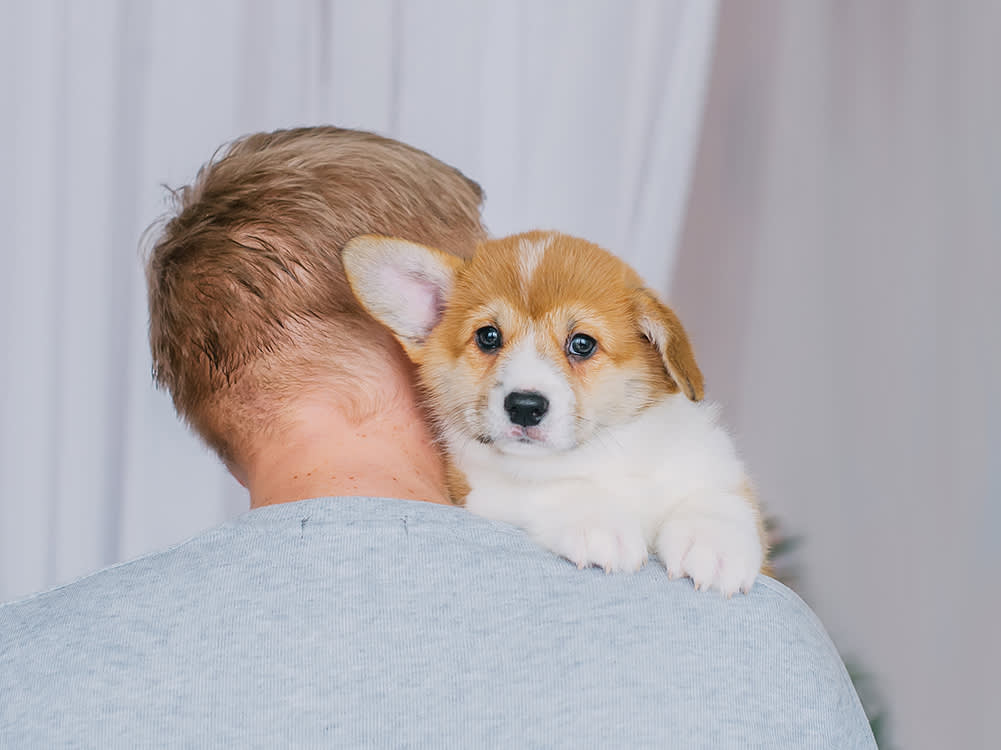
For a stretch of years, boarding a plane meant sharing the cabin with a small zoo. Alongside the occasional guide dog, you’d see three times as many pet dogs, a scattering of cats, and, memorably, the odd llama, marmoset, turtle, peacock, or sugar glider, all wearing the label “emotional support animal.” Then, almost overnight, they vanished. If you’ve wondered where the flying menagerie went, here’s the answer, and why the whole system was more confused than most people realized.
What actually changed
The key event was a federal rule. In late 2020, the U.S. Department of Transportation finalized new regulations under the Air Carrier Access Act, the law that governs disability access on airplanes. As of early 2021, airlines were no longer required to treat emotional support animals as assistance animals. That single change is what emptied the cabins.
Here’s a distinction that trips up almost everyone, including the old reporting on this topic. Air travel is not covered by the Americans with Disabilities Act (ADA). The ADA governs service animals in stores, restaurants, and other public places, and it never covered emotional support animals at all. Flights fall under the separate Air Carrier Access Act. So when people said the ADA let their ESA fly, they were citing the wrong law. It was the DOT’s air-travel rules, and their reversal, that mattered.
ESA, service dog, psychiatric service dog: the real differences
The confusion is understandable, because three very different things kept getting lumped together.
An emotional support animal provides comfort simply by being present. It requires no training. Before 2021, qualifying one for a flight took little more than a therapist’s letter, or a letter bought from one of many dubious websites, or a $30 “emotional support” vest off the internet.
A service animal, under federal air rules, is now defined narrowly: a dog, of any breed, individually trained to do specific work or tasks for a person with a disability. Other species don’t qualify. Comfort, companionship, and being in training don’t qualify.
A psychiatric service dog is a service dog whose trained tasks address a psychiatric or mental-health disability, interrupting a panic spiral, retrieving medication, or guiding a disoriented handler to safety. Crucially, psychiatric service dogs kept their status. They still fly in the cabin at no charge, provided the handler submits the required DOT paperwork.
The line people miss is between comfort and trained work. An emotional support animal soothes you by being there, and that’s genuinely valuable. A psychiatric service dog is trained to do something specific in a crisis. Only the second one still carries access rights on a plane, and knowing which you have saves a lot of heartbreak at the gate.
The human cost of the circus
It’s easy to laugh at the peacock stories, and plenty of the abuses were real. A veteran flight attendant recalls an elderly passenger with three poodles in diapers, plus miniature ponies and potbellied pigs over the years, animals whose supposed service he was legally barred from questioning. As more travelers reached for an ESA letter rather than pay the fee to bring a pet into the cabin, the aircraft slowly filled up like a pressurized ark.
But the backlash landed hardest on the people who were never the problem: those with real, invisible disabilities who depend on a trained dog. Consider a composite of the kind of person this affects, drawn from real accounts. A woman diagnosed in her teens with narcolepsy manages her condition with medication that, in turn, triggers panic attacks and a racing heart. Years ago she found that lying down with her dog and breathing slowly pulled her out of an attack. Her current dog is fully trained as a service animal, presses against her when a panic attack looms, rouses her when she nods off, and pushes her to walk and get fresh air several times a day.
For someone like that, the trigger these days isn’t flying. It’s the suspicion. Post a photo of a service dog on a plane and the angry messages roll in: you don’t look sick, you don’t have a real disability. Because there’s no government ID card for service dogs, handlers carry a DOT form documenting the dog’s training, health, and vet, sometimes alongside proof the dog passed the American Kennel Club’s Canine Good Citizen test. The flood of fake ESAs is exactly what made strangers so quick to doubt the genuine ones.
What to do if you rely on a dog
If your dog performs trained tasks for a disability, you have a psychiatric or other service dog, and you can still fly in-cabin, so long as you complete the DOT service-animal form ahead of time and can attest to the dog’s training. If your dog comforts you but isn’t trained to perform tasks, it’s an emotional support animal in the eyes of the airlines, which now means it travels as a pet.
What’s new since this was written
Several years on, the picture has fully settled, and it isn’t changing back. Across U.S. carriers, an ESA letter no longer grants cabin access or waives any fees. Airlines treat emotional support animals as regular pets: if the animal is small enough to fit in an under-seat carrier, it can fly for the standard pet fee, and if it isn’t, it can’t come along in the cabin at all. Psychiatric service dogs remain the clear exception, retaining full cabin access with the proper DOT documentation. The upshot is simpler, if harder for some families: the era of the free-flying support peacock is genuinely over, and what replaced it rewards trained tasks, not paperwork bought online.
References
Dr. Nair is a veterinarian focused on diet and feeding. She covers everyday nutrition, treats, and the many "can they eat this?" questions owners ask, grounding each answer in what is actually safe and sensible for dogs and cats.
Meet our experts ↗Keep reading
 Health & WellnessThe 'Beards Are Dirtier Than Dogs' Study Says No Such ThingDr. Priya Nair · 6 min
 LivingShe Came Home to a Box of Ashes. Her Sitter Had 118 Five-Star Reviews.Nina Vasquez · 6 min
 LivingA Disabled Girl's Service Dog Got Her Family Kicked Off a Flight. The Culprit Was One Checkbox.James Okafor · 4 min
 LivingA Stranger Found Him Tied to a Bench in the Rain. A TikTok With 100 Followers Got Him Home.Nina Vasquez · 6 min
 LivingConan's Cohost Let Her Husband Cut the Dog's Hair. Once.Leila Torres · 8 min
 LivingYour Pet Dreads Thanksgiving More Than You Do. Here Are the 8 Relatives to Blame.Jordan Ellis · 7 min