


High Protein Isn't a Health Upgrade for Cats. It's a Prescription.
Protein-heavy food is having a moment, but for cats it isn't automatically better. It's a targeted tool that helps some cats and quietly harms others. Here's how to tell which cat you have.

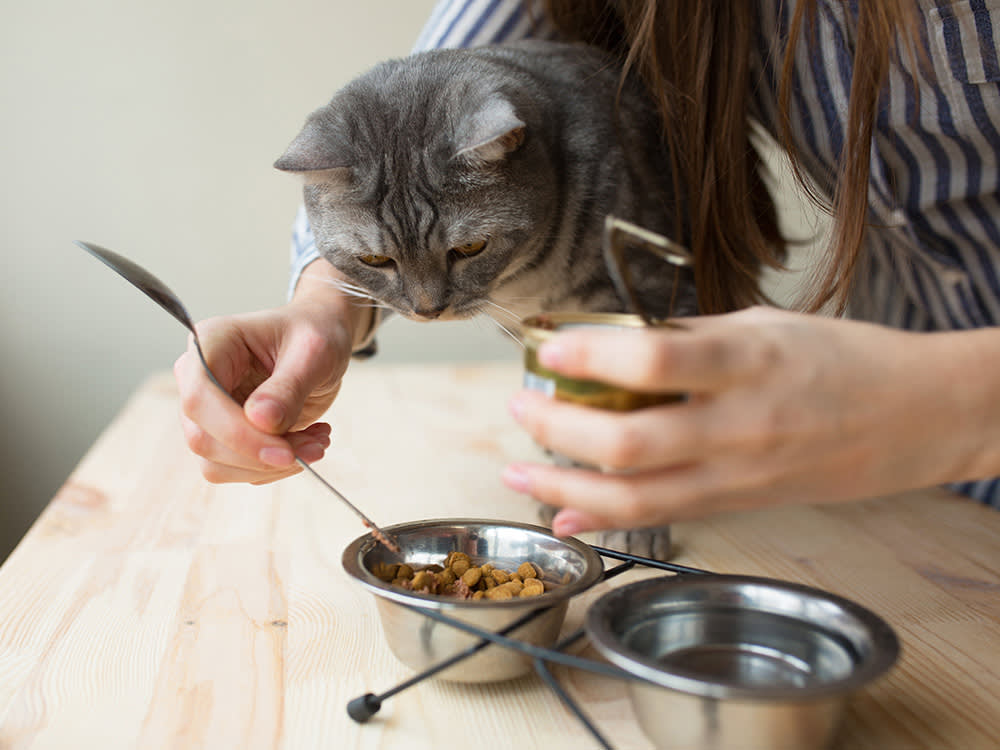
Walk down any pet-food aisle and “high protein” is stamped on the front of the bag like a badge of honor. It borrows the glow of every human protein trend, and it lands on a species that really is built to eat meat. So the logic seems airtight: cats are carnivores, protein is what carnivores eat, more must be better.
It isn’t that simple. A high-protein diet is not a nutritional upgrade you hand every cat to make them healthier. It’s a tool, and like any tool it fits some jobs and wrecks others. The useful question is never “should my cat eat more protein?” It’s “what problem am I trying to solve?” Answer that, and the protein question mostly answers itself.
Start here: your cat is already getting enough
Cats are obligate carnivores. Their bodies are wired to run on animal tissue, which comes packed with protein, a fair amount of fat, and almost no carbohydrate. That is real, and it matters. But here is the part the marketing skips: any cat food that is labeled complete and balanced for daily feeding already contains all the protein a healthy cat needs, along with every other essential nutrient.
So a standard, quality diet is not leaving your cat protein-starved. The specialty high-protein, very-low-carb foods, the ones that go further than the typical shelf options, exist for specific medical reasons, not to top off a tank that was never empty.
The mistake I see most is treating protein like a vitamin, where more is always better and a little extra can’t hurt. For a cat, protein is a lever. You pull it when there’s a reason, and for some cats you shouldn’t pull it at all.
The cats a high-protein diet actually helps
There are two clear situations where dialing protein up and carbs down does real good.
The overweight cat. Extra weight is not just a cosmetic problem in cats. It drives joint pain and arthritis, makes grooming hard, raises the risk of diabetes, and can lead to breathing trouble and anal gland issues. Keeping a cat at a healthy weight is genuinely protective, and it matters most for indoor cats, who tend to move less than cats with outdoor access. For a cat who has already tipped into a worrying weight, a vet may pair a diet change with other weight-loss steps.
If you go the over-the-counter route for a heavier cat, reach for canned food over kibble. Wet food tends to run lower in carbohydrates, and the added moisture helps a cat feel full and stay hydrated at the same time. Read the rest of the label, though, because “high protein” can quietly ride along with high fat and high calories, which is the opposite of what a slimming cat needs. This is a good moment to get your vet or a veterinary nutritionist to read the label with you.
The diabetic cat. Cats with diabetes usually need a diet that steadies their blood sugar, and that often means high protein paired with low carbohydrate. The payoff can be dramatic: some diabetic cats held on the right diet slip into remission and stop needing insulin injections altogether. For these cats the diet is not a phase. It is usually for life, because going back to a carb-heavier food can bring the diabetes right back.
The cats it can hurt
This is the half of the story the trend never tells. Some medical conditions make a high-protein diet the wrong choice, and the two that come up most in cats are certain kidney and liver diseases.
When the body breaks down extra protein, it produces urea, which the kidneys have to filter out. A cat with reduced kidney function is already working with less filtering capacity, so a protein-heavy diet adds strain. Some kidney diseases also leak protein out through the kidneys, a problem called protein-losing nephropathy, and forcing those kidneys to process a flood of extra protein makes a hard job harder. For these cats, and for many with liver disease, vets typically prescribe the opposite: a lower-protein diet. Handing a cat like this a trendy high-protein food because it “sounds healthy” can do quiet, ongoing damage.
Short-term or forever?
For most cats who benefit, a complete and balanced high-protein diet is safe to feed long-term, essentially indefinitely. For a diabetic cat, long-term really does mean long-term. For an overweight cat, there is more flexibility: once they reach a healthy weight, they may be able to move to a different maintenance food. Just know that if they return to a diet higher in carbs or calories, the weight can come back. Most cats tolerate higher protein well, so there is rarely a reason to stop unless a new health problem makes it unsafe.
Read the whole label, not the front of the bag
Protein is one number among many, and judging a food on protein alone is how cats end up on the wrong diet. Some high-protein foods are also very energy-dense, loaded with fat and calories, which sabotages a weight-loss plan. Many high-protein, low-carb foods also run low in fiber, because fiber counts toward carbohydrate content. That is a problem for cats who actually need fiber to manage constipation or other digestive issues; those cats often do better on a food with a moderate carb count and more fiber. And some overweight diabetic cats do best not on an extreme high-protein food at all, but on a nutrient-dense, higher-fiber, calorie-controlled diet that keeps them feeling full while they slim down. The point is the same every time: match the food to the cat, not to the buzzword.
What newer research adds
Feline nutrition has kept moving on this, especially for diabetes. Updated 2024 guidance on feeding diabetic cats reinforces that a low-carbohydrate, adequate-protein diet gives the best odds of remission, but it also draws a sharper line than the old “just feed more protein” advice. For an overweight diabetic cat, newer thinking leans toward a nutrient-dense, controlled-calorie plan aimed squarely at weight loss, because shedding the extra pounds is often what restores insulin sensitivity in the first place. In other words, the newest science pushes even harder on the idea in this article: protein is one dial on a whole diet, and the goal, whether it is weight or blood sugar, decides how far you turn it.
Whenever a diet change is part of a medical plan, make it with your vet rather than off a bag’s front label.
FAQs
Is high-protein cat food better for all cats?
No. A complete and balanced regular diet already meets a healthy cat’s protein needs. Extra-high-protein foods are targeted tools for specific situations, mainly weight loss and diabetes, and they can be harmful for cats with certain kidney or liver diseases.
Can a high-protein diet help my cat lose weight?
It can, especially a canned, lower-carb option, but only when the food isn’t loaded with fat and calories too. Always check the full label and loop in your vet, since some high-protein foods are calorie-dense enough to cause weight gain.
When should a cat avoid high protein?
Cats with certain kidney diseases (including protein-losing conditions) and some liver diseases usually need lower-protein diets. A high-protein food can add strain in these cases, so these cats should be fed on veterinary advice.
References
- American Animal Hospital Association. “AAHA Diabetes Management Guidelines for Dogs and Cats: Feline Diabetic Remission.” aaha.org.
- Sparkes, A. et al. “Nutritional Strategies for Cats With Diabetes.” Today’s Veterinary Practice, 2024.
- Verbrugghe, A., and Bakovic, M. “Peculiarities of One-Carbon Metabolism in the Strict Carnivorous Cat and the Role in Feline Hepatic Lipidosis.” Nutrients, and related feline carbohydrate-metabolism literature.
- American Veterinary Medical Association. “Feline Nutrition and Weight Management Resources.” avma.org.
Not a substitute for your vet. Our guidance is educational. For urgent symptoms, contact a vet or emergency clinic right away. Editorial standards
Dr. Chen is a small-animal veterinarian who leads health and safety coverage at The Pet Times. She writes and reviews the bulk of our illness, condition, and safety content, translating clinical guidance into clear, practical advice owners can act on at home.
Meet our experts ↗Keep reading
 FoodYou're Probably Overfeeding Your Cat. The Bag Is Part of the Problem.Dr. Nina Kohl · 4 min
 FoodA Kitten's Diet Changes Every Few Weeks. Here's the Whole Schedule on One Chart.Dr. Priya Nair · 7 min
 FoodWet Food Beats Kibble. That Doesn't Mean All-You-Can-Eat.Dr. Mara Chen · 6 min
 FoodYour Kitten Isn't Starving. Weigh Them Every Week.Dr. Priya Nair · 7 min
 FoodWet vs. Dry Cat Food: The Moisture Question Settles Most of ItDr. Mara Chen · 6 min
 Health & WellnessYour Cat's Diabetes Can Go Into Remission. The Window Is Smaller Than You ThinkDr. Mara Chen · 11 min