


A Cashew Won't Poison Your Dog. That's Not the Same as 'Go Ahead'
Cashews are non-toxic for dogs, so most guides wave them through. The honest answer is more useful: the cashew in your bowl is a fat-and-pancreatitis risk, and the cashew on the tree is a cousin of poison ivy. Here's where the real line sits.

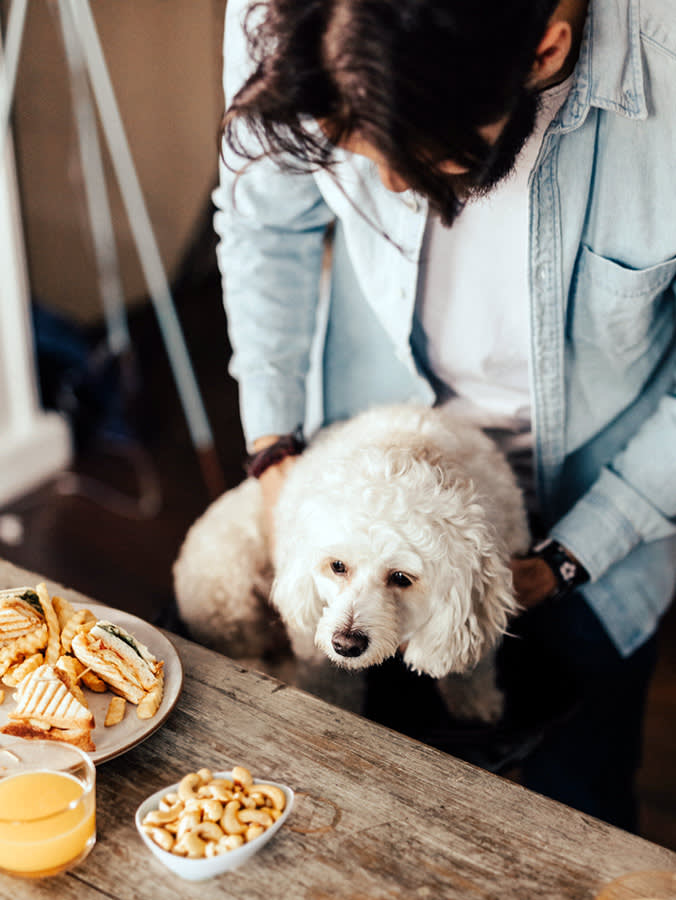
Search “can dogs eat cashews” and you’ll get a fast, cheerful “yes, they’re non-toxic!” and a pat on the head. That answer is technically correct and quietly unhelpful, because non-toxic is a very low bar. Plenty of things won’t poison your dog and still shouldn’t be a snack.
Here’s the version worth your time. Cashews sit in an awkward middle. The nut you buy in a jar won’t hurt your dog in a single bite, but it’s one of the fattier things you could hand over, and fat is exactly what tips certain dogs into a genuinely dangerous illness. And the cashew as nature makes it, on the tree, is a close relative of poison ivy. So the real question isn’t “safe or toxic.” It’s “which cashew, and for which dog.”
The plant twist most people never hear
Cashews read like nuts, but botanically they’re a fruit from the Anacardium occidentale tree, native to tropical regions like Brazil. And the family they belong to is a rogues’ gallery: mango, poison ivy, and poison oak are all cousins.
That matters because of a chemical called urushiol, the same irritant that gives you a blistering rash after a poison-ivy hike. It lives in the cashew’s shell and other parts of the tree. This is why you have never seen a cashew sold in its shell: the shell has to be roasted and carefully removed, and the toxin is irritating to human skin too. Every commercial cashew is shelled, so the urushiol problem is solved before the nut reaches you.
The one exception is if you actually have a cashew tree, or travel somewhere with them. A dog chewing on the raw shells or fallen fruit can end up with a painful rash. Keep them away from the tree entirely.
People hear ‘non-toxic’ and think the conversation is over, but with cashews the shell and the nut are almost two different foods. The bought, shelled nut is a fat problem, not a poison problem. The raw shell off a tree is the opposite. I’d rather an owner know which risk they’re actually looking at than just file cashews under ‘fine.‘
The real hazard in the jar: fat
Set the tree aside, because most dogs will only ever meet a cashew from a bowl on the counter. The problem there is simple and serious: cashews are very high in fat.
Fat itself isn’t the enemy. It’s an important nutrient, a dense source of energy, and part of why cashews taste so good. But a sudden hit of fat is a classic trigger for pancreatitis, a painful and sometimes life-threatening inflammation of the pancreas. Some dogs are far more prone to it than others, and you don’t always know which dog you have until it happens. Short of that, plenty of dogs just get an upset stomach, with vomiting or diarrhea, from a fatty snack.
Even for the dog who tolerates them fine, cashews are calorie-dense. Handed out regularly, they nudge a dog toward weight gain, and the health problems that follow weight gain, including arthritis and diabetes. This is the honest reason “non-toxic” doesn’t mean “good”: the downside isn’t poisoning, it’s fat, calories, and the pancreas.
Who should skip cashews entirely
- Dogs with any history of pancreatitis, or breeds prone to it
- Overweight dogs, and dogs on a weight-loss plan
- Dogs with sensitive stomachs or a history of food-triggered vomiting or diarrhea
- Small dogs, for whom even one or two cashews is a big fat load for their size
The seasoning trap
The nut is only half of what’s in the bowl. Cashews are usually sold roasted and dressed up, with salt, chili, citrus seasoning, added sugar, and more. High salt and high sugar aren’t good for dogs, and some seasonings hide a real danger: garlic powder and onion powder, both of which are toxic to dogs and both of which turn up in savory nut blends.
If you’re going to share at all, the rule is plain, roasted, unsalted, and unseasoned, nothing else. Read the label, not just the front of the can.
The newer wrinkle: cashew milk, butter, and cheese
Cashews have quietly spread beyond the snack bowl into dairy-free milk, yogurt, cheese, and butter, and owners increasingly ask whether those count. It’s a fair question the old “can dogs eat cashews” answer never touched.
The short version: a small lick of a plain, unsweetened cashew product usually won’t hurt, but none of these are worth offering on purpose. They carry the same fat concern as the nut, often with added salt, thickeners, or sweeteners. The one you must rule out is any product sweetened with xylitol, an artificial sweetener that is outright toxic to dogs and shows up in some “sugar-free” spreads and dairy alternatives. When in doubt, the answer for cashew products is a polite no.
How cashews stack up against other snacks
Cashews are a useful reminder that “nut” tells you nothing on its own. Some are fine in moderation, and some are dangerous. Pecans, for example, are toxic to dogs and should never be shared. If you want a safe treat instead, plainly prepared shrimp, apple slices, and plain peanut butter (checked for xylitol) are all better bets. The universal no-fly list still applies: garlic, onions, and anything containing xylitol stay off the menu completely.
The bottom line
A dog’s diet should be at least 90 percent complete, balanced dog food, with treats and table scraps kept under 10 percent of what they eat in a day. That math is the whole reason cashews don’t earn a spot: they’re not toxic, but they’re fatty, calorie-heavy, and easy to over-give, and your dog already gets their protein and minerals from dinner.
If your dog swipes a plain cashew off the floor, don’t panic. Watch for vomiting, diarrhea, or signs of stomach pain, introduce any new food in a single small bite so you can see how they react, and call your vet if you see hives, repeated vomiting, or a dog who seems genuinely unwell. But as a treat you reach for on purpose? There are far better choices, and now you know exactly why.
References
- Merck Veterinary Manual, Pancreatitis in Dogs
- U.S. Department of Agriculture, FoodData Central, Nuts, cashew nuts, raw
- Encyclopaedia Britannica, Cashew (Anacardium occidentale)
- ASPCA Animal Poison Control Center, People Foods to Avoid Feeding Your Pets
Common questions
Are cashews actually good for dogs?
Not really. They're non-toxic and they do carry protein, healthy fats, vitamins, and minerals, but your dog gets all of that from a complete dog food, and the high fat load makes cashews a poor everyday choice. Non-toxic is the floor, not a recommendation.
What if my dog ate a salted or seasoned cashew?
One probably won't hurt. The bigger worry is the seasoning: garlic powder and onion powder are toxic to dogs, and heavy salt and sugar aren't good for them. Check what was on the nut, and if it included garlic or onion, or your dog ate a lot, call your vet.
Can dogs have cashew milk, cashew butter, or cashew cheese?
A tiny lick of a plain, unsweetened version is usually harmless, but read the label first. Many cashew products add sweeteners, salt, or flavorings, and any product sweetened with xylitol is toxic to dogs. These aren't foods to offer on purpose.
Are any part of the cashew dangerous?
Yes, the shell and the raw fruit on the tree. The shell contains urushiol, the same irritant in poison ivy and poison oak, which can cause a painful rash. Store-bought cashews are always shelled and safe from this, but if you have a cashew tree, keep your dog away from it.
Not a substitute for your vet. Our guidance is educational. For urgent symptoms, contact a vet or emergency clinic right away. Editorial standards
Dr. Mehta is a board-certified veterinary nutritionist who evaluates pet food formulations, ingredient quality, and the science behind dietary trends. He writes and reviews all nutrition content at The Pet Times, including our food rankings and feeding guides.
Meet our experts ↗Keep reading
 FoodA Marshmallow Is Harmless for Dogs, Until One Word Is on the BagDr. Mara Chen · 5 min
 FoodYour Dog Doesn't Need an Orange's Vitamin C. That Changes EverythingDr. Priya Nair · 5 min
 FoodPretzels and Dogs: The Number That Matters Isn't One BiteDr. Priya Nair · 5 min
 FoodThe Persimmon Rule for Dogs: Flesh Yes, Everything Else NoDr. Priya Nair · 7 min
 FoodYour Dog Can Have the Potato. It's the Fry That's the ProblemDr. Amara Solis · 5 min
 FoodWatermelon Is a Great Dog Treat. Two Parts Are NotDr. Priya Nair · 5 min