


Your Puppy's First Leash Should Be Boring. Here's the Upgrade Path After
Skip the gadget leashes for puppy number one. Start with a plain six-foot lead, then add a long line and a traffic-handle leash as your dog's skills grow. Here are 11 picks for each stage.

Affiliate disclosure. This article contains affiliate links. We may earn a small commission if you buy through a link, at no extra cost to you. How we handle recommendations.
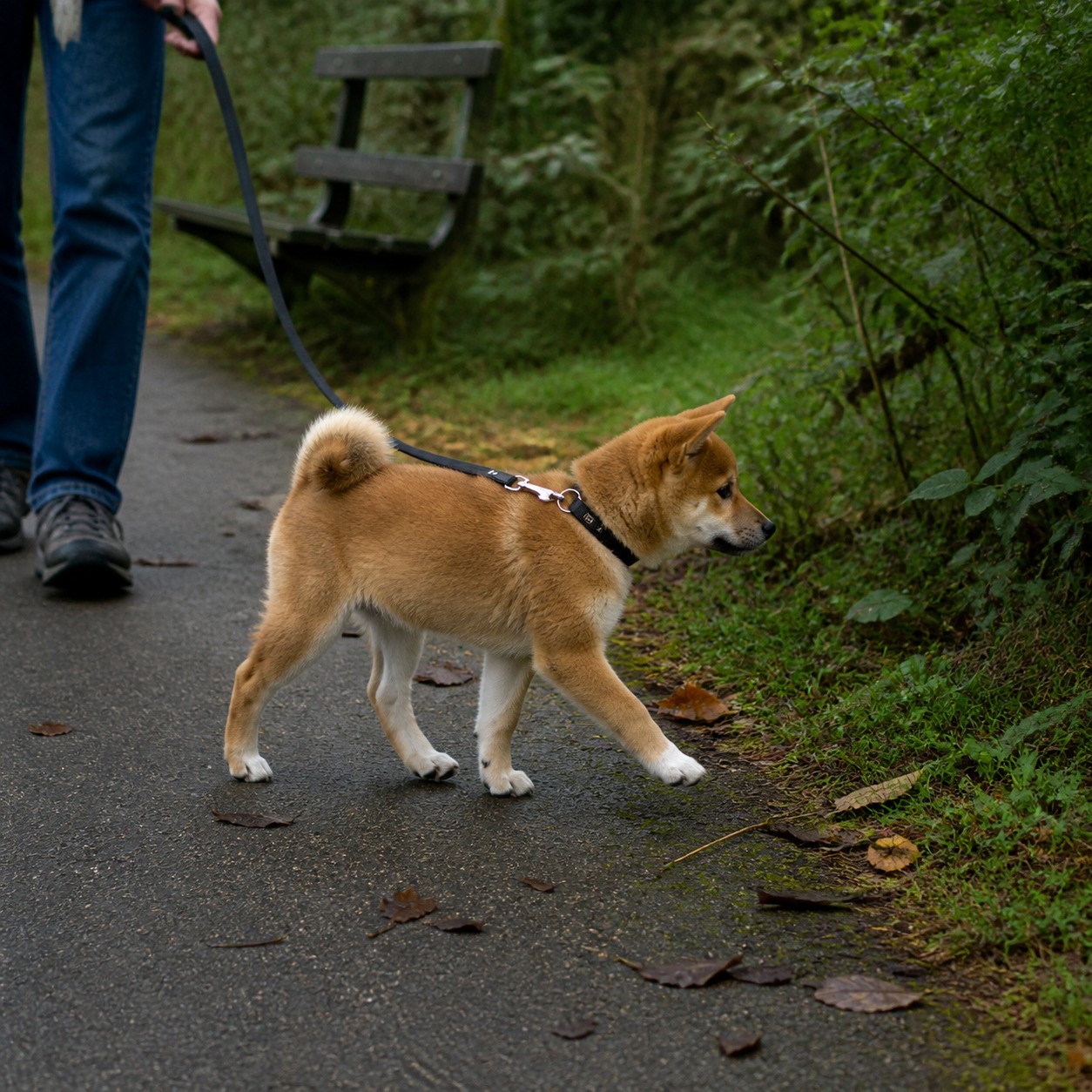
Here is the counterintuitive part about your puppy’s first leash: the more features it has, the worse a first leash it usually is. The bungee that absorbs pulls, the hands-free belt, the leash that converts into a collar, the one with five handles down its length, all of that is solving problems your eight-week-old puppy does not have yet and cannot have until they have learned to walk. What a brand-new puppy needs from a leash is the opposite of clever. It needs to be predictable, the same length every time, with nothing that gives, retracts, or surprises either of you, so that when you apply a little pressure your puppy feels exactly the same thing every single time and starts to learn what it means.
So this guide is built around a path, not a single pick. Stage one is a plain leash for the first months of walking and loose-leash work. Stage two adds a long line once you start recall training and your puppy needs room to roam with a safety connection. Stage three, much later, is where the specialty leashes finally earn their place, once your dog has the skills to use them safely. Buy for the stage you are in, not the dog you hope to have in a year, and you will waste less money and confuse your puppy less. We have organized the eleven picks below the same way.
A leash is a quiet conversation. You use it to say slow down, stay close, or go ahead and sniff. The clearer and more consistent the leash, the clearer the conversation, which is the whole argument for starting simple.
Stage one: the plain leash that does the actual teaching
This is the leash your puppy learns on, the one you will reach for several times a day for months. Flat, fixed length, four to six feet, clipped to a harness. Everything here is in service of consistency.
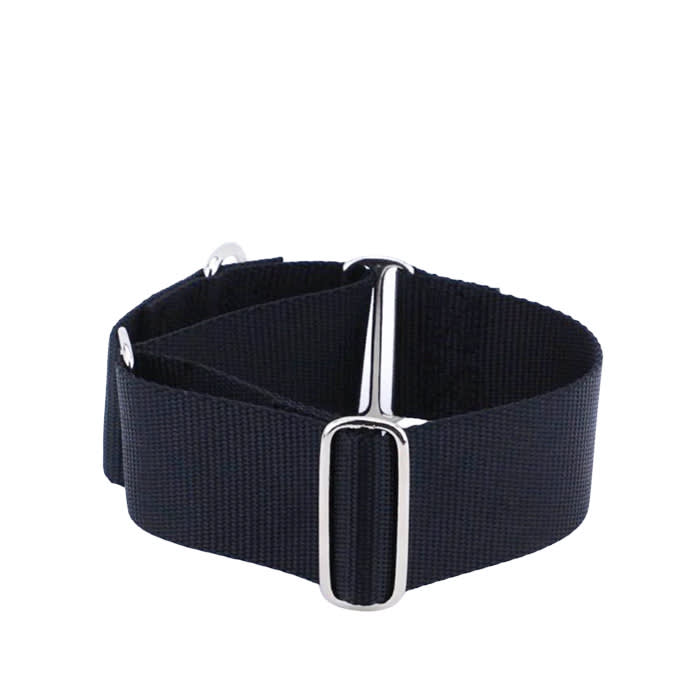
PetSafe Nylon Leash
Sometimes plain is the entire point. The PetSafe nylon leash is a one-inch-by-six-foot flat lead with a nickel-plated bolt snap, from a brand that has made pet gear since 1991. There is nothing to break and nothing to learn, which is exactly what you want for a first leash and a first-time owner learning alongside the dog. Reviewers report years of use. The one thing we miss is a poop-bag clip. Best for small to medium puppies and anyone who wants to spend under ten dollars to start. Around $8.
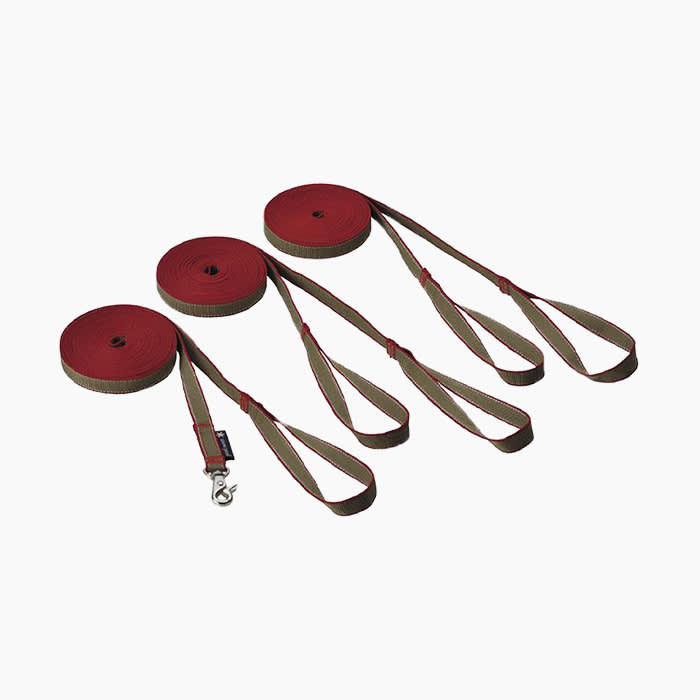
Climbing-Rope Lead with Swivel
A half-inch rock-climbing rope leash with a foam-padded handle and a 360-degree swivel clasp that stops a spinning puppy from braiding the lead. Rope can burn your palm under a hard pull, so the padded handle matters, and the swivel is a small mercy with a tornado of a puppy. Sized by weight (roughly zero to twenty pounds, or twenty to a hundred and twenty). We wish it came in a ten-foot version, and some reviewers say the foam tears. Best for medium to large puppies.
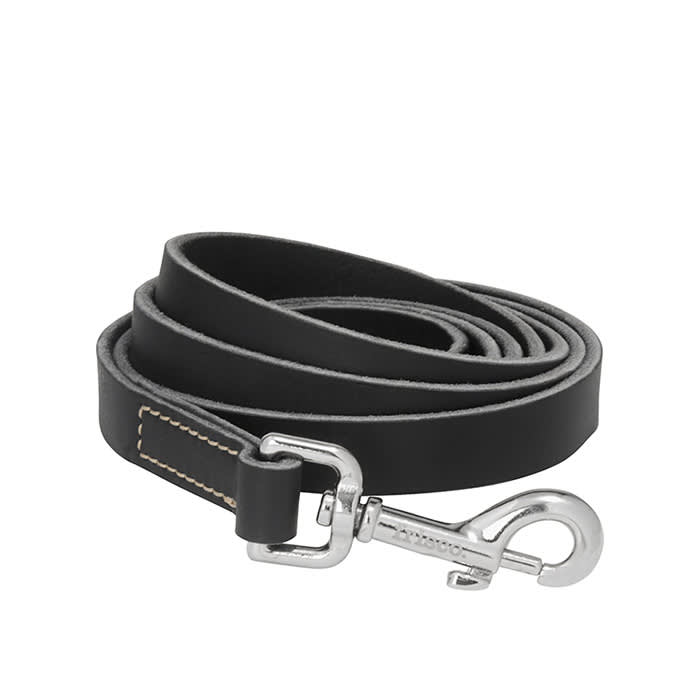
Frisco Latigo Leather Leash
For owners who want something that ages well, latigo leather softens with use and shrugs off weather, in two lengths and black or brown. It is heavier than nylon, so it suits a medium-to-large puppy, and because leather is catnip to puppy teeth, it has to live out of reach between walks. Best for owners willing to trade a little weight for looks and longevity.
Max and Neo Double Handle Traffic Leash
Our top pick bends the “keep it plain” rule in exactly one useful way: a second handle. The Max and Neo double-handle leash is heavy two-millimeter nylon webbing with a standard end handle plus a padded traffic handle eighteen inches above the clasp, so you can shorten up instantly in a crowd or near a curb without wrapping the leash around your hand. It adds double-sided reflective stitching and a D-ring for poop bags. The brand also donates a leash to a rescue for every one sold, a real fact worth knowing. Honest limitations: reviewers find the webbing outside the handles a little rough, and tall walkers have to stoop to reach the lower handle. Best for puppies in busy or trafficked areas. Around $19.
Stage two: the long line that builds recall
The single most important leash you are not using yet. A long line, anywhere from fifteen to fifty feet, lets a puppy roam, sniff, and practice coming when called while you keep a physical safety net. It is how reliable recall actually gets built, and it belongs in every puppy household. The rule: open space only, never a sidewalk or a crowd, and let it drag or pay it out, do not let it loop around your hand.
Best Training Long Line: Cotton-Web Recall Leash
A lightweight cotton-web long line in fifteen-, twenty-, thirty-, and fifty-foot lengths, with a swivel bolt to keep it from twisting. Lightweight is the key feature, since a heavy line drags on a small puppy’s harness and discourages the very roaming you are trying to reward. Some reviewers report rope burn, so wear a glove on the holding hand for the long lengths. Best for recall and distance work with growing puppies. Start with the twenty-foot for most yards and parks.
Stage three: the specialty leashes, once your dog can handle them
These are genuinely good leashes. They are just not first leashes. Reach for them after your puppy walks on a loose leash and comes when called, when their specific habits point to a specific tool.
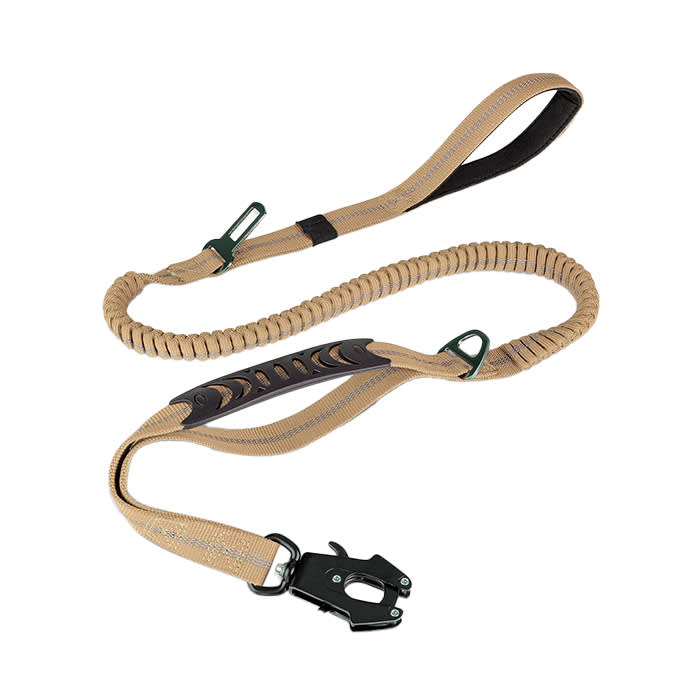
Joytale Bungee Leash
If your dog has graduated to walks but still lunges, the Joytale shock-absorbing bungee leash has an internal coil that softens sudden hits on your wrist and shoulder, plus two padded handles and a metal carabiner. The brand rates it for dogs up to two hundred pounds, so it handles a Mastiff-sized lunge. Important caveat for puppies: the give is the reason to wait, because a bungee blurs the consistent pressure a young dog needs to learn from. Save it for a strong adult puller. Around $14.
Hands-Free Waist Leash
A waterproof brushed-cord leash with aluminum hardware that wears around your waist, across your shoulder, or as a standard lead, and converts into a slip collar. Wonderful for runners and multitaskers, genuinely not for a young puppy, since hands-free means exactly the reduced control a learning dog should not have. Some reviewers find the clip wears out over years. Best for an adolescent or adult dog that already walks well.
Five-Handle Canvas Leash
A four-and-a-half-foot canvas leash with five handles spaced down its length and a neoprene-wrapped top grip, plus 3M reflective stitching. The ladder of handles lets you choke up smoothly as a situation tightens, which makes it a strong urban and reactive-dog leash. Some find the carabiner needs two hands. Best for medium-to-large dogs in crowded settings, after the basics are solid.
Flex-Coated Everyday Leash
A social-media-famous flex-poly-coated nylon leash that feels like rubber, hoses clean in seconds, adjusts in length, and converts to a tandem. At five and a half feet it suits a dog that stays close. The same wipe-clean rubber that owners love is chewable, so it is a poor pick for a teething mouth. Best for an older puppy or adult, up to about eighty pounds.
Splice-Sewn Rope Leash
A heavier-duty climbing-rope leash with individually sewn splices, weather resistance, an O-ring for bags, and a swivel clip, in a soft-handed nylon. At five feet it is for dogs that walk close. Reviewers note the ends can fray over time and colors can differ from the photos. Best for an adult dog and an owner who wants one nice leash for years.
Reflective Traffic Leash
A double-sided reflective everyday leash with a padded handle and a short upper traffic grip for tightening up at intersections, the natural city graduate from the plain stage-one lead. The shorter traffic section gives you a curb-side handle without a full second handle’s bulk. Best for a dog that already walks reliably and lives somewhere busy.
The one leash we left off on purpose
There is no retractable leash on this list, and that is deliberate. A retractable teaches a puppy precisely the wrong lesson, that pulling makes the leash longer, which is loose-leash training in reverse. Worse, the thin cord is a documented injury source: veterinary and emergency reports describe rope burns, deep cuts, and finger amputations when the cord wraps around a hand, plus the dog injuries that follow a sudden snap to the end of the line. Many vet clinics post “no retractable leashes” signs at the door for exactly this reason. If you want your dog to range, use a long line in open space, where length is a training tool instead of a hazard.
“The leash I want on a new puppy is almost aggressively boring, a plain flat lead on a harness, because consistency is what teaches them,” says Tom Hadley, who covers gear for The Pet Times. “Every gadget leash solves a problem the dog does not have yet. Get the basics on, build a recall on a long line, and then, once your dog actually walks, buy the fancy one. And please skip the retractable. I have never met a trainer who recommends one.”
The bottom line
Match the leash to the stage, not the aspiration. Start with a plain six-foot lead on a harness, add a long line the week you begin recall training, and let your dog’s real habits, pulling, reactivity, city traffic, tell you which specialty leash to add later. When in doubt, the boring leash is the right one.
References
- American Kennel Club. “How to Leash Train a Puppy.” https://www.akc.org/expert-advice/training/teach-puppy-to-walk-on-leash/
- American Veterinary Medical Association. “Walking Your Dog.” https://www.avma.org/resources-tools/pet-owners/petcare/walking-your-dog
- Preventive Vet. “Are Retractable Leashes Good or Bad?” https://www.preventivevet.com/dogs/are-retractable-leashes-good-or-bad
- The Humane Society of the United States. “Choosing the Right Collar, Harness, and Leash for Your Dog.” https://www.humanesociety.org/resources/choosing-right-leash-and-collar
Common questions
What kind of leash is best for a new puppy?
A plain, flat leash, four to six feet long, clipped to a harness. It gives you predictable control for the loose-leash and recall work a puppy needs, with nothing to malfunction. Save the bungee, hands-free, and convertible leashes for after your dog walks reliably.
Are retractable leashes safe for puppies?
No, and not really for adult dogs either. They teach a puppy that pulling extends the leash, the exact opposite of loose-leash walking, and the thin cord causes serious injuries. Veterinarians document rope burns, deep lacerations, and even finger amputations when the cord wraps around a hand. Use a fixed-length leash and a separate long line for roaming.
How long should a puppy training leash be?
Two lengths cover almost everything. A four-to-six-foot leash for street walking and loose-leash practice, and a long line of 15 to 50 feet for recall training in open space. The long line lets your puppy build confidence at a distance while you keep a safety connection. Never use a long line in a crowded or trafficked area.
Should I use a collar or harness with my puppy's leash?
Clip the leash to a well-fitted harness, not the collar, while your puppy is learning. Puppies lunge and pull, and the force of a collar against a developing windpipe can injure it. A harness spreads that load across the chest. Keep a flat collar on for ID tags, but walk from the harness.
Sasha Ford is a certified cat behaviour consultant who has worked with shelters, catteries, and private clients across the country. They review all feline behaviour content at The Pet Times, with expertise in multi-cat households, indoor enrichment, and stress-related disorders.
Meet our experts ↗Keep reading
 Product PicksOnly One Piece of Dog Car Gear Actually Saves Their LifeMarcus Webb · 8 min
 Product PicksThe No-Pull Harness That Won't Wreck Your Dog's Shoulders: 8 Picks RankedSasha Ford · 13 min
 Product PicksYour Hand Is the Worst Place for a Leash. 7 Hands-Free Picks for Active Dogs.Marcus Webb · 6 min
 Product PicksWhy Every Cool Dog's Leash Suddenly Looks the SameLeila Torres · 5 min
 Product PicksThe Hiking Harness Buyer's Guide: Fit First, Then the 9 We'd PackLeila Torres · 16 min
 Product PicksHermès Gave This Dog Brand an Award. The Leather Is the Real Story.Sara Lim · 6 min