


Dog Ear Muffs for Fireworks: What They Actually Do, and the 6 Worth Buying
Ear muffs muffle the sound, but they don't fix the fear. Here's how to build a real noise plan around them, plus six dog ear protectors and calming hoods worth your money.

Affiliate disclosure. This article contains affiliate links. We may earn a small commission if you buy through a link, at no extra cost to you. How we handle recommendations.
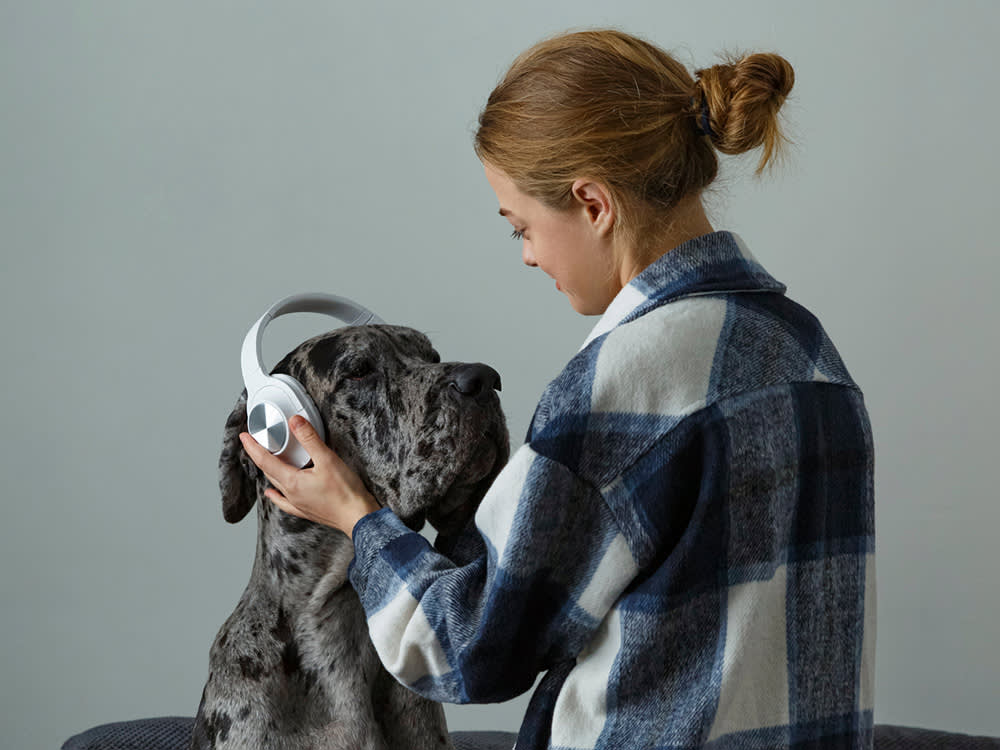
The Fourth of July is coming, or, as my dogs interpret it, the apocalypse is coming. If you have a noise-anxious dog, you already know the drill: the pacing, the panting, the wedging themselves behind the toilet at the first distant pop.
Here is the thing most “best ear muffs” lists won’t tell you. Ear muffs are useful, but they are a volume knob, not a cure. They lower how loud the booms land; they do not change how your dog feels about them. The dogs who do best on the Fourth aren’t the ones wearing the fanciest muffs, they’re the ones whose owners built a layered plan and slotted the muffs into it. So before the picks, let’s get the strategy right, because the right tool used wrong still leaves a terrified dog.
Why fireworks are uniquely awful for dogs
It comes down to hearing. Dogs register sounds we can’t perceive at all, and the sounds we share land far more intensely for them. A firework that reads as “loud” to you can be genuinely painful and disorienting to a dog. Layer on the other thing that makes fireworks so bad, total unpredictability, and you have the worst possible recipe: loud, sharp, and impossible to brace for.
This isn’t a fringe problem. Noise aversion is one of the most common behavioral issues in dogs. A widely cited Harris Poll found that about 44 percent of dog owners reported signs of noise aversion in their pets, and veterinary estimates put the share of dogs affected at anywhere from a quarter to a half. It’s also why more dogs go missing on July 4th than any other day of the year, sheer panic sends them bolting, and a microchip plus an ID tag is non-negotiable before the holiday, not after.
Build the plan, then add the muffs
Think of fireworks defense in layers, strongest foundation first:
- Containment and ID. Keep your dog indoors, doors and windows closed, microchip registered and ID tag on. This is the layer that prevents a tragedy, not just discomfort.
- A safe space. A crate or interior room with no windows, white noise or a fan running, and something to do (a stuffed frozen food toy buys real time).
- Calming pressure. A snug wrap like the ThunderShirt applies gentle, swaddling compression that helps a meaningful share of dogs settle. It pairs naturally with a snood.
- Sound reduction. This is where ear muffs and hoods come in, dampening the boom itself.
- Medication, when needed. For dogs with true noise phobia, talk to your vet ahead of time about a situational anti-anxiety medication. The muffs are not a substitute for this, and the most fearful dogs need it.
One more rule that matters more than any product: introduce head gear early. Anything you put on your dog’s head should be old news by July 4th, sniffed, accepted, and paired with treats over weeks of short practice sessions. Debuting a strange object during the actual fireworks teaches your dog that the weird thing predicts the scary thing.
Our editors picked these products. They’re in stock at publish time but can sell out. If you buy through our links, we may earn a commission.
The 6 best dog ear muffs and calming hoods
Famikako Dog Ear Muffs
The closest thing on this list to true ear plugs for dogs. With a rated noise reduction in the 22 to 25 decibel range, these are the most serious muffs here, the kind used for service dogs at concerts and on aircraft. The adjustable elastic band and dense soundproof padding mean that if your dog will tolerate them, they deliver the most relief of anything on this list. Best for dogs already comfortable wearing things on their head.
Happy Hoodie
If your dog is brand new to ear coverings, a soft snood is the gentle on-ramp. Originally a grooming tool, the Happy Hoodie uses light compression to close off the ear canal, cutting noise by about 5 decibels at 3,150 Hz and as much as 17 decibels at higher frequencies, per the brand. The bonus is that the snug swaddle itself has a calming effect, much like a pressure wrap, so it does double duty. It’s machine washable and nearly impossible for a dog to refuse.
Mutt Muffs
A pilot favorite, Mutt Muffs are the original over-the-head hearing protector for dogs, with wide foam-filled ear seals giving an estimated 21 to 24 decibel reduction when properly fitted. They shine against the high-frequency wind shriek of car and air travel, and the rigid headband holds a real seal. One honest caveat the maker itself flags: they’re built to prevent hearing damage, not to cure anxiety, so for a deeply firework-phobic dog, pair them with the other layers above rather than relying on them alone.
RexSpecs Ear Pro — best for eyes and ears together
Originally protective gear for military working dogs, RexSpecs guard both the ears and (in the goggle pairing) the eyes. While you should always keep your dog well clear of fireworks, the eye coverage is worth considering if your dog might end up near so-called silent fireworks like cracklers and sparklers, or around blowing debris. The build quality is a step above the budget muffs, with a price to match.
Knitted calming hood — best lightweight, low-tolerance option
Similar in spirit to the Happy Hoodie, a soft knitted hood offers cozy, featherweight muffling for dogs who can’t stand anything firm on their head. It fits looser than the Happy Hoodie, which is exactly why it works for the most clothing-averse pups, less reduction, but far more likely to actually stay on a dog who’d shake off a rigid muff.
Southvo Dog Ear Muffs — best budget heavy-duty pick
A more affordable alternative to the Famikako muffs, the Southvo pair is also on the heavier-duty side, and its triangular shape and gel cushioning may actually feel more comfortable to certain dogs. A smart choice if you want serious reduction without the premium price.
How to pick the right one for your dog
If your dog already tolerates head gear and you want maximum quiet: go heavy-duty (Famikako or Southvo). If your dog is anxious about the muffs themselves: start soft (Happy Hoodie or a knitted hood) and let the calming compression do part of the work. If you mostly need protection for travel: Mutt Muffs. And whatever you pick, remember the muffs are layer four of five, the safe space, the pressure wrap, and (for the truly phobic) your vet’s input are what carry the night.
This article is for general information and is not a substitute for veterinary advice. If your dog’s noise fear is severe, talk to your veterinarian about a behavior plan and medication well before the holiday.
References
- “Noise Aversion in Dogs: AAHA/Harris Poll findings on prevalence.” American Animal Hospital Association. https://www.aaha.org/resources/noise-aversion/
- “Why Are Dogs Afraid of Fireworks? Tips for July 4th.” American Veterinary Medical Association. https://www.avma.org/resources/pet-owners/petcare/july-4-safety
- Riemer, S. “Effectiveness of treatments for firework fears in dogs.” Journal of Veterinary Behavior, 2020. https://www.sciencedirect.com/science/article/abs/pii/S1558787820300356
- “Noise Anxiety / Sound Sensitivity in Dogs.” VCA Animal Hospitals. https://vcahospitals.com/know-your-pet/noise-aversions-in-dogs
Common questions
Do dog ear muffs actually work for fireworks?
They genuinely reduce volume, typically by around 20 to 25 decibels for the heavy-duty muffs, which takes the sharpest edge off the bang. But muffling sound is not the same as removing fear. Muffs work best as one layer in a plan that also includes a safe interior space, calming pressure wraps, and, for severely anxious dogs, vet-prescribed medication.
Are ear muffs or a snood better for an anxious dog?
It depends on tolerance. Rigid ear muffs block the most noise but are harder for a dog to accept on their head. A soft snood (like the Happy Hoodie) blocks less but is far easier to introduce and adds gentle, calming compression. For a dog new to head gear, start with a snood and work up.
How do I get my dog used to wearing ear muffs before the Fourth of July?
Start weeks ahead. Let your dog sniff the muffs, reward calm contact, then build up from a few seconds of wear with treats to longer sessions, always in a quiet room first. Never debut them for the first time during actual fireworks, that pairs a strange object with a scary event.
Why are so many dogs terrified of fireworks specifically?
Dogs hear a wider, more intense range of sound than we do, so a firework that is merely loud to us can be overwhelming to them. Noise aversion is also extremely common, surveys suggest roughly 40 percent or more of dogs show signs of it, and the sudden, unpredictable booms of fireworks hit the worst combination of loud, sharp, and impossible to anticipate.
Nina Vasquez writes about life at home with pets and the relationships at the heart of it. Her work covers day-to-day living, people-and-pet stories, and the products that fit into a real household, with a warm, grounded take on everyday pet ownership.
Meet our experts ↗Keep reading
 Product PicksDog Shoes Don't Fail Because They're Ugly. They Fail Because They Fall Off.Sasha Ford · 5 min
 Product PicksYour Dog Can't Walk Out. A Pocket-Sized Sling Can Carry Them.Tom Hadley · 4 min
 Product PicksThis Vegan Dog Leash Doubles as a BangleLeila Torres · 5 min
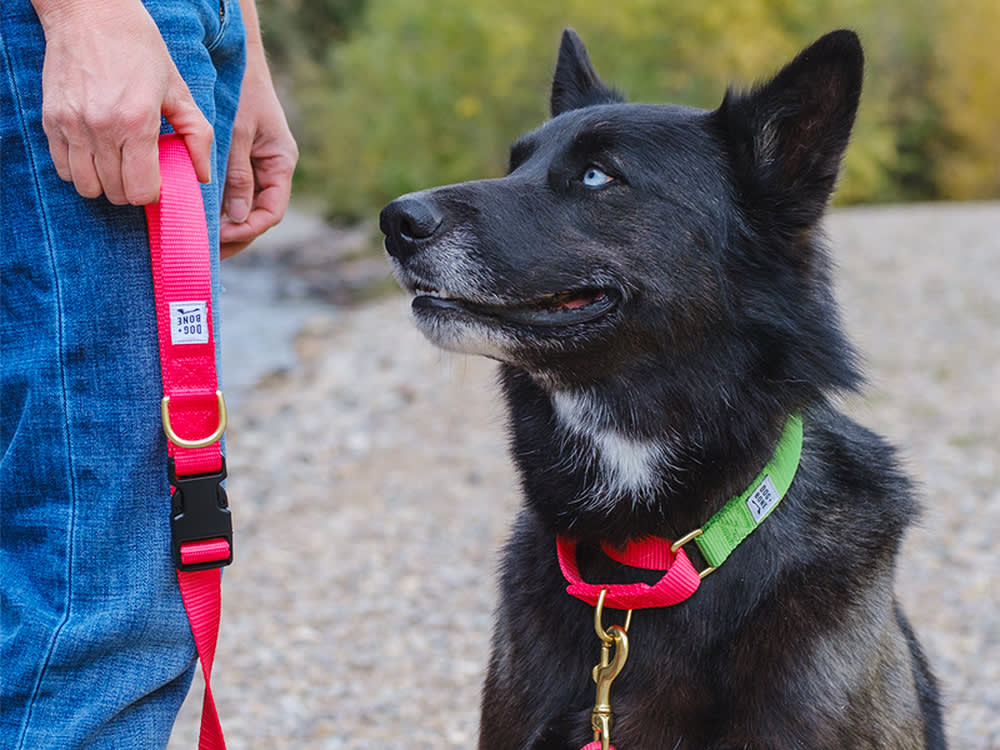 Product PicksThe Escape-Proof Collar Shelters Swear By Comes From a Town of 400Nina Vasquez · 5 min
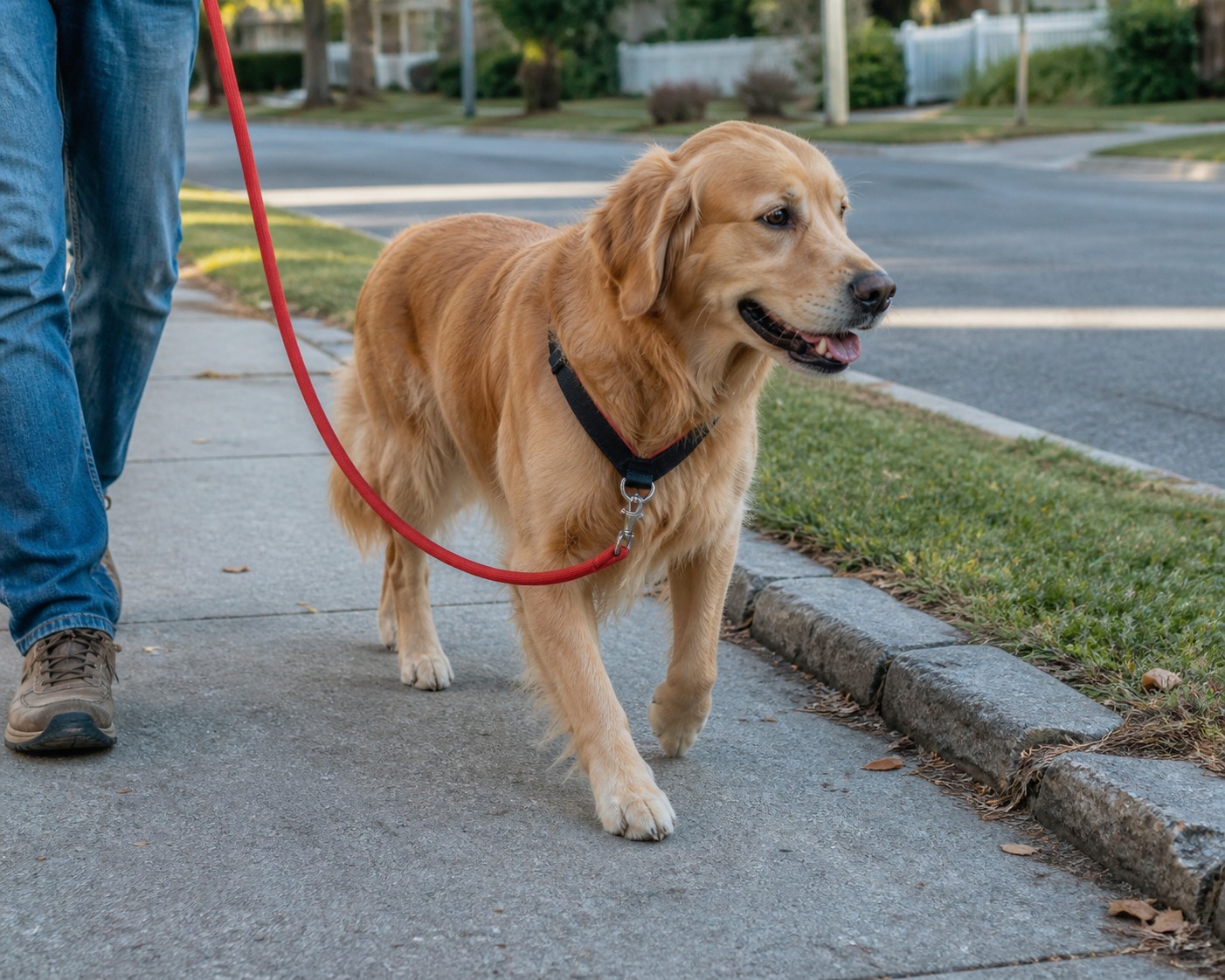 Product PicksThe No-Pull Harness That Won't Wreck Your Dog's Shoulders: 8 Picks RankedSasha Ford · 13 min
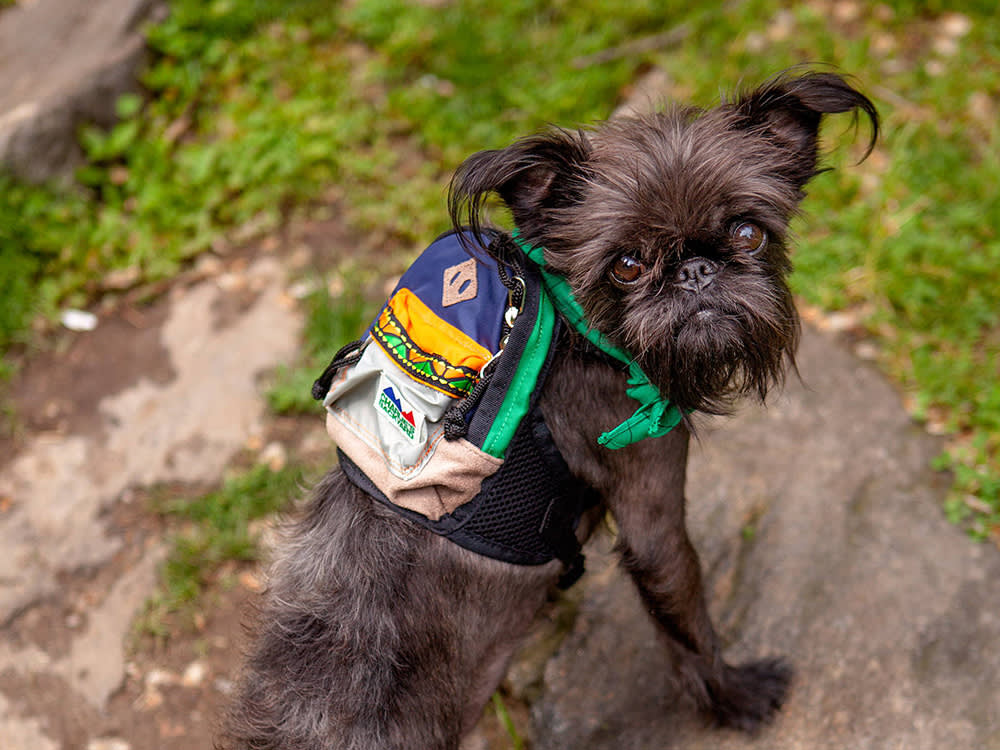 Product PicksLet Your Dog Carry Their Own Poop BagsSasha Ford · 4 min