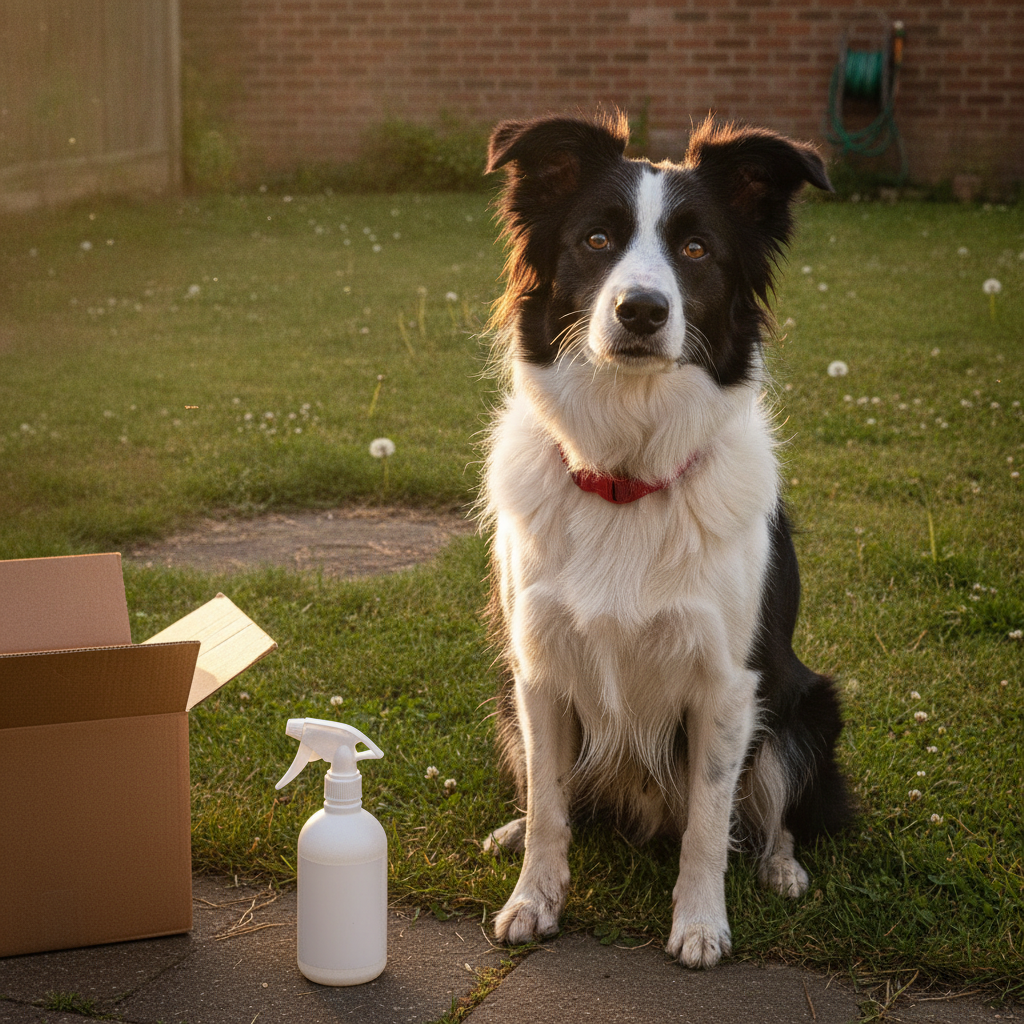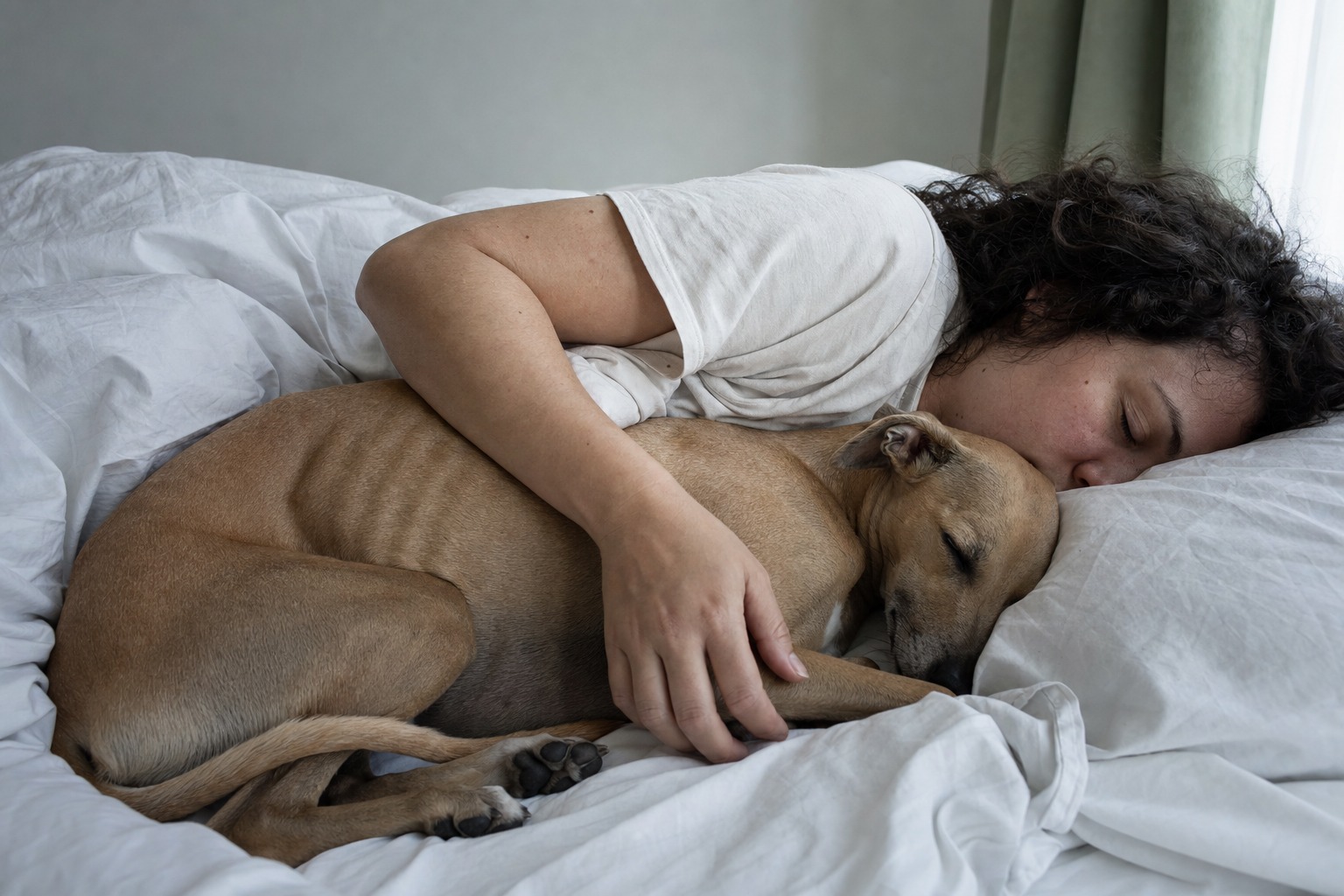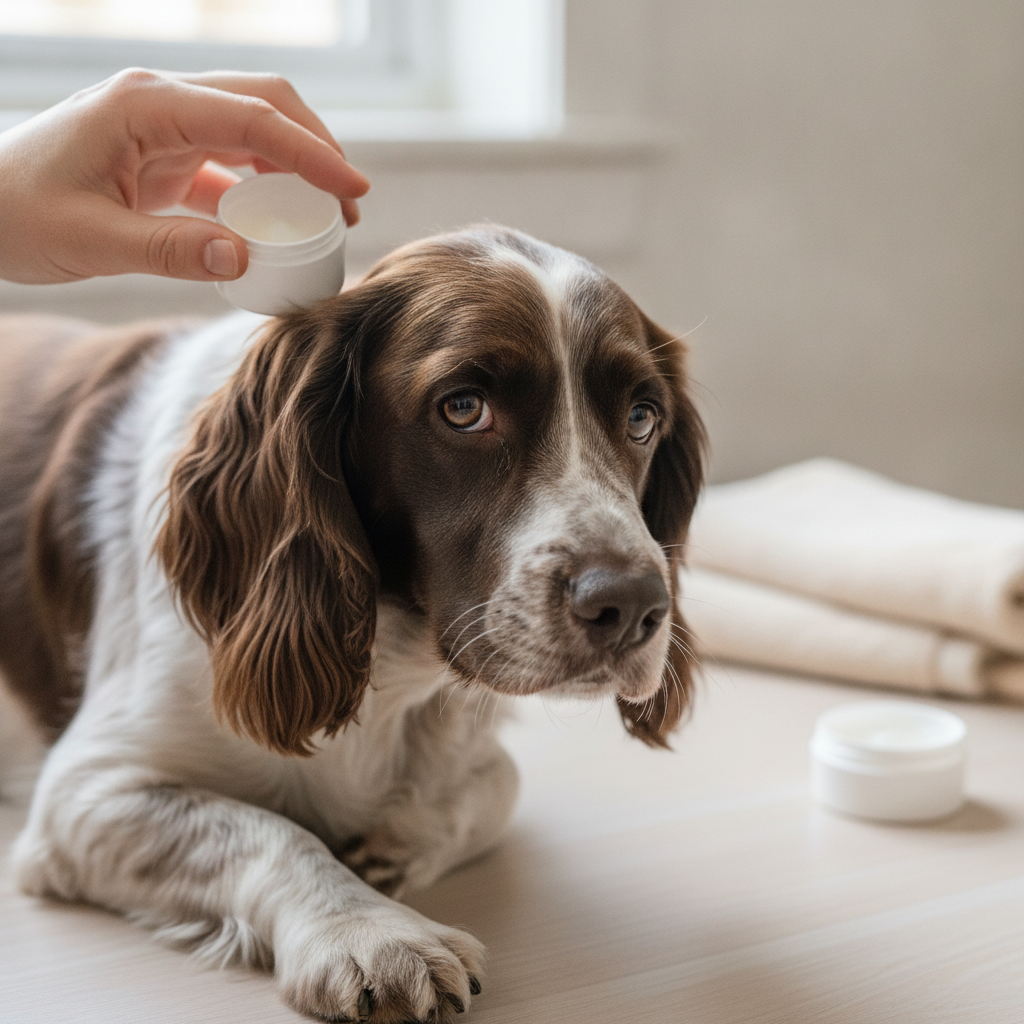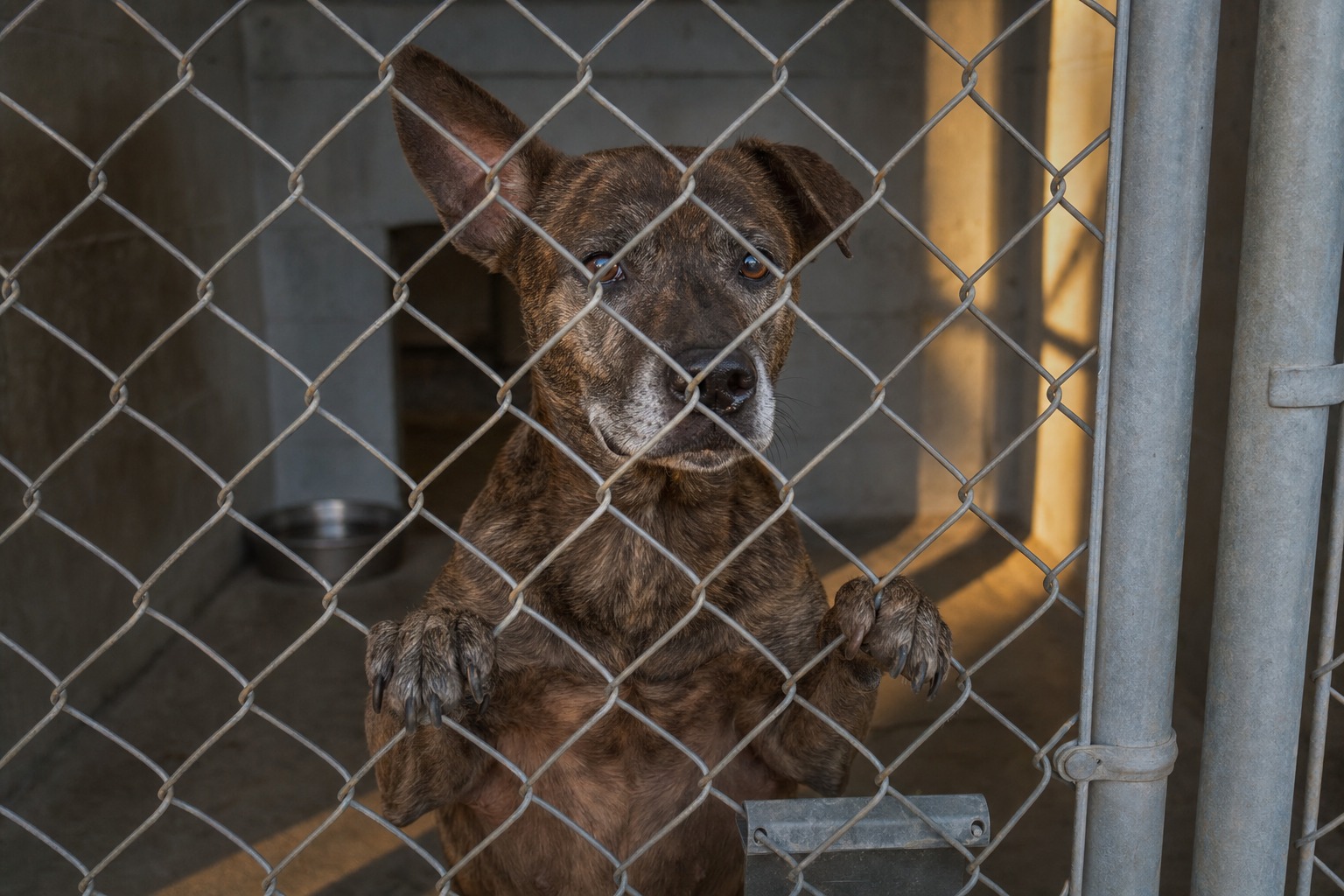
When wellness entrepreneur Minna Lee talks about her corgi, a jumpy two-year-old she nicknamed Benny, she describes a dog who reads a room the way she does: a strange noise, an unfamiliar space, and he’s on alert. Lee has been open about living with anxiety herself, so it did not escape her that she’d ended up with an anxious dog. Over a few years of learning to steady him, she noticed something useful. The tools that worked on Benny were the same ones she’d been neglecting on herself.
It’s an appealing story, and it turns out to be more than a metaphor. The link between an anxious person and their anxious dog runs deeper than shared temperament.
Your stress is, chemically, your dog’s stress
In a 2019 study published in Scientific Reports, researchers measured long-term stress in 58 dogs and their owners using cortisol stored in hair, which reflects months of exposure rather than a single stressful afternoon. The levels were synchronized: owners running high had dogs running high, and calmer owners had calmer dogs. Notably, the dog’s stress tracked the human’s personality and the relationship more than the dog’s own, suggesting the dog was tuning itself to the person, not the other way around.
That reframes the whole project. When your dog seems to catch your bad weeks, they may quite literally be metabolizing them. Which means that caring for your own nervous system is not separate from caring for your dog’s. It’s the same work.
“I tell anxious clients that the most effective calming protocol for the dog often starts with the human,” says Dr. Lena Park. “Dogs are exquisitely tuned to our baseline. When a person gets their own stress down, you frequently see the dog’s reactivity drop without touching the dog at all.”
Here is what Lee’s approach, and the science behind it, actually looks like in practice.
Small breaks, taken on purpose
Lee builds short pockets of play with Benny into packed workdays, stepping away from her desk between calls to give him attention. She’s clear that it helps her as much as him: the pause resets her, and the dog, delighted to be noticed, radiates the kind of uncomplicated good mood that’s hard to stay wound up around. The lesson generalizes. A deliberate five-minute break with your dog is a break for you, too, and it’s a lot easier to justify when someone furry is insisting on it.
Movement, then real rest
Daily walks matter for both of them, but Lee treats stillness as equally essential. After an overstimulating stretch, she’ll cut the sensory input, put on something calm, and let both of them decompress, which for Benny usually means a nap. The pairing is the point: exercise burns off the edge, and intentional rest keeps the baseline low. A dog who only ever gets revved up and never gets helped back down stays keyed up, and so does the person managing him.
A word on the calming-supplement question
Lee has said she and Benny both use CBD, hers formulated for people and his made specifically for dogs, and that she’s noticed it takes the edge off his reactivity on his rougher days. This is worth handling carefully, because the evidence is genuinely mixed. For situational stress, like the anxiety of a car ride, a controlled 2024 study found CBD measurably lowered dogs’ stress markers. For chronic, everyday anxiety, several studies have found no reliable difference from placebo, and regulators including the FDA don’t endorse CBD products for pets, citing thin safety and efficacy data. If you’re considering it, that’s a conversation to have with your veterinarian first, not a purchase to make on a wellness influencer’s say-so, including this one.
Let the dog teach you about boundaries
The insight Lee returns to most is about limits. A dog who’s done being petted simply leaves. He doesn’t apologize, negotiate, or worry he’s being rude; he removes himself and takes the space he needs. For someone prone to people-pleasing or overcommitting, that’s a small, daily masterclass in stating a boundary without guilt. Watching an animal advocate so cleanly for itself can loosen the reflex to override your own limits.
Drop the pursuit of “balance”
Finally, Lee is skeptical of balance as a goal, and during her busiest stretches she stops trying to force calm that isn’t available. Instead of piling more self-care onto an already crushing to-do list, which just turns rest into another chore, she narrows her focus to the basics that keep her functioning: sleep and decent food. The restorative extras can wait for a lighter season. It’s an honest, unglamorous approach, and it maps neatly onto a dog’s needs, too. On a hard week, a fed, walked, well-slept dog and a fed, walked, well-slept human are doing fine. Everything else is a bonus.
The throughline is simple. You and your dog are, to a real degree, one nervous system in two bodies. Tend to yours, and you’re tending to theirs. Learn to read theirs, and you’ll understand yours a little better. Benny didn’t set out to be anyone’s teacher. He just kept showing his person, in the plainest terms a dog can, what settling down actually looks like.
References
- Sundman, A.-S., et al. (2019). Long-term stress levels are synchronized in dogs and their owners. Scientific Reports, 9, 7391.
- Hunt, A. B. G., et al. (2023/2024). Daily dosing of cannabidiol (CBD) demonstrates a positive effect on measures of stress in dogs during repeated exposure to car travel. Journal of Animal Science.