


The Dog Bowl Decision: Why Material Beats Looks (Plus 12 We'd Buy)
A dog's bowl is one of the germiest objects in your home, and the material you pick changes how fast bacteria build up. Here's the science first, then 12 bowls and feeders that look good and stay clean.

Affiliate disclosure. This article contains affiliate links. We may earn a small commission if you buy through a link, at no extra cost to you. How we handle recommendations.
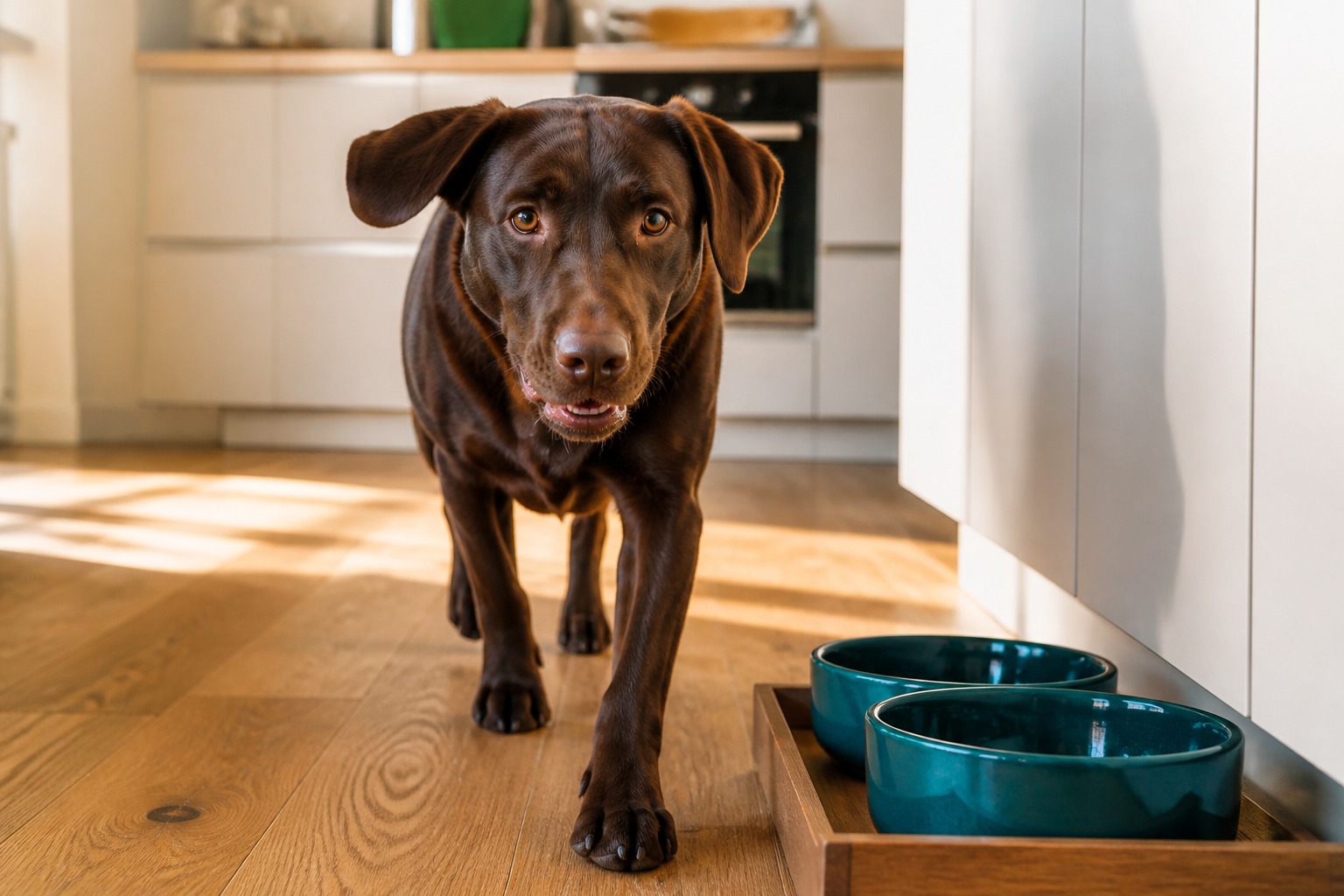
Most “best dog bowl” lists start with looks. We are going to start somewhere less glamorous and more important: a dog’s bowl is one of the dirtiest objects in your house, and the material you choose changes how quickly that happens.
An often-cited NSF household study ranked pet food and water bowls among the germiest items in the average home, alongside dish sponges and toothbrush holders. The slippery film you feel when you run a finger around a neglected water bowl is biofilm, a colony of bacteria that shrugs off a quick rinse. And a 2023 peer-reviewed study in PLOS ONE found that bowl material and cleaning habits both measurably affect how much bacteria a dog’s dish carries. So before we get to the gold-cutlery showpiece bowls (we have one, and it is great), let us settle the question that actually protects your dog: what should the bowl be made of, and how do you keep it clean?
Material, ranked by how easy it is to keep clean
This is the part most roundups skip, so here is the practical hierarchy.
Stainless steel is the everyday workhorse. It is non-porous, dishwasher-safe, and resists the micro-scratches where bacteria like to settle. The myth that steel “can’t grow bacteria” is false, but it resists bacterial adhesion better than plastic and shrugs off heat, drops, and chewing. One trade-off worth knowing: some picky dogs dislike the faint metallic taste, and a few develop contact reactions to lower-grade alloys, so look for food-grade or 304 stainless.
Glazed ceramic and glass tie for a close second and win on looks. Food and odor do not cling to a smooth glaze, and both go in the dishwasher. The catch is fragility: once a ceramic bowl chips or develops hairline crazing in the glaze, those cracks become bacterial hideouts, so retire a chipped bowl rather than nursing it along. Also confirm any glaze is lead-free, which any reputable maker will state.
Plastic is the one to avoid for daily feeding. It is light and cheap, but it scratches fast, and that 2023 study found plastic bowls held the highest bacterial counts of the materials tested. Scratched plastic has also been linked to “plastic dish nasal dermatitis,” a loss of nose pigment in some dogs. Fine for a travel scoop, not ideal as the bowl your dog eats from every day.
People agonize over the design and never think about the dishwasher. I tell clients to pick the prettiest bowl they will actually run through a hot wash cycle every day. A gorgeous bowl that gets a lazy rinse is worse for your dog than a plain steel one you keep spotless.
The cleaning routine that actually matters
A bowl is only as clean as your habit. The FDA’s pet-food handling guidance is specific: wash food bowls, scoops, and feeding mats in hot, soapy water after use, and periodically soak them in a solution of one tablespoon of bleach per gallon of water for about 10 minutes, then rinse and air-dry. Use a sponge reserved for pet dishes so you are not moving Salmonella onto your own plates. Wash the water bowl daily too; standing water grows biofilm even without food in it. If you feed raw, tighten all of this up, since raw diets raise the contamination stakes considerably.
Sizing, height, and the bloat caveat
Match bowl size to your dog’s muzzle and meal volume, and give a puppy a bowl shallow enough to actually reach the bottom. Height is where it gets interesting. An elevated feeder genuinely helps a tall dog, a senior with neck or elbow arthritis, or a dog who is eating less because lowering their head hurts. But for large, deep-chested breeds (Great Danes, Standard Poodles, Weimaraners), some studies have associated raised feeders with a higher risk of gastric dilatation-volvulus, or bloat, a life-threatening emergency. So raising a small senior’s bowl is low-risk and kind; raising a big deep-chested dog’s bowl is a conversation to have with your vet first.
With the science settled, here are twelve bowls and feeders that earn their place, organized by what your dog and your kitchen actually need. We added a hygiene-first and a slow-feeder pick the original list lacked, and noted the one trade-off on each.
For everyday hygiene
Stainless steel scoop bowl — Wild One
Food-grade stainless steel with a cleverly angled scoop so no kibble gets stranded in the seam, which is exactly where crud accumulates in cheaper bowls. It is the bowl we would hand a first-time owner: dishwasher-safe, near-indestructible, and good-looking enough to leave out. Trade-off: a very picky eater may notice the metallic note.
Slow-feeder bowl — Outward Hound Fun Feeder
The pick the original lineup was missing. If your dog inhales meals, the molded ridges force them to work the food out slowly, which cuts gulped air, post-meal gagging, and regurgitation, and may lower bloat risk in vulnerable dogs. Choose a dishwasher-safe version, because the same ridges that slow your dog down also trap food. Trade-off: not for dogs who get frustrated and flip the bowl.
For a clean, minimalist kitchen
Minimalist ceramic feeder set
Two dishwasher-safe ceramic bowls drop into debossed holders, one with a water gutter, on a non-slip base. It is the answer for anyone who hates a wet floor and loves a tidy look. Retire and replace a bowl if the glaze ever chips.
Wood-and-porcelain set
A solid oak tray cradles two high-gloss porcelain bowls, the porcelain wiping clean and resisting odor while the wood warms up the look. Keep the wood tray out of the dishwasher and hand-wipe it; the bowls go in.
Fable weighted bowl
Beyond the Instagram-ready palette, the weighted base genuinely stops scooting and the antimicrobial glossy interior makes cleanup easy. A practical bowl that happens to be photogenic.
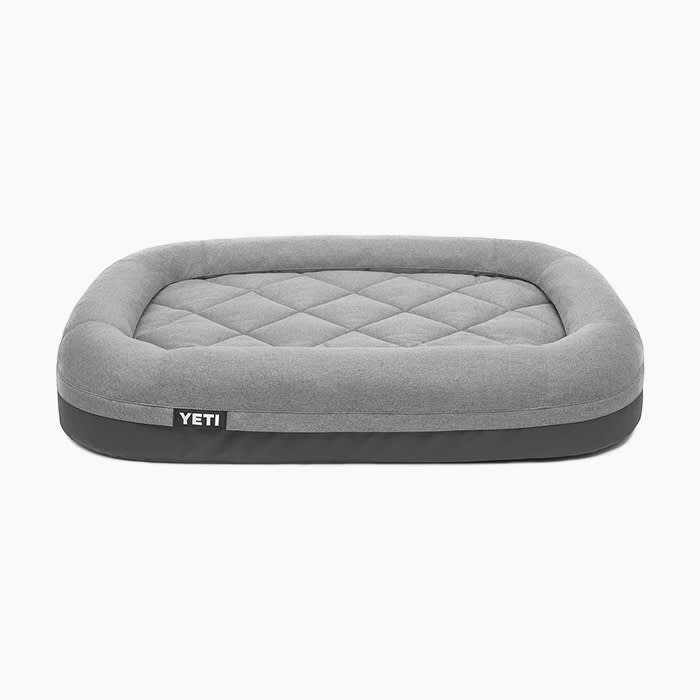
Stainless steel bowl
Built like the rest of YETI’s gear: rust- and puncture-resistant stainless that shrugs off dings, drops, and determined chewing. The one to buy if your dog treats mealtime like a contact sport. Trade-off, again, is the faint metallic taste some dogs dislike.
Handcrafted glass bowl
A hand-blown glass bowl whose clear, sculptural look faintly resembles a certain supervillain’s containment cell. Aesthetics aside, food slides off glass just like ceramic, so it stays odor-free, and you can see at a glance when it needs a wash. Handle with the care any glass deserves.
Colorful ceramic bowl
Matte grey outside, high-gloss aqua, emerald, or coral inside, each one handmade in Brooklyn. The pop of color the minimalist sets do not give you, with the same easy-clean glazed interior.
Artisan ceramic bowl
Ceramic artist Aleisha Ellis has made homewares under the Utility Objects label since 2018, and these bowls show off the organic texture of clay through a modern lens. A small-batch piece for people who want their dog’s bowl to look intentional.
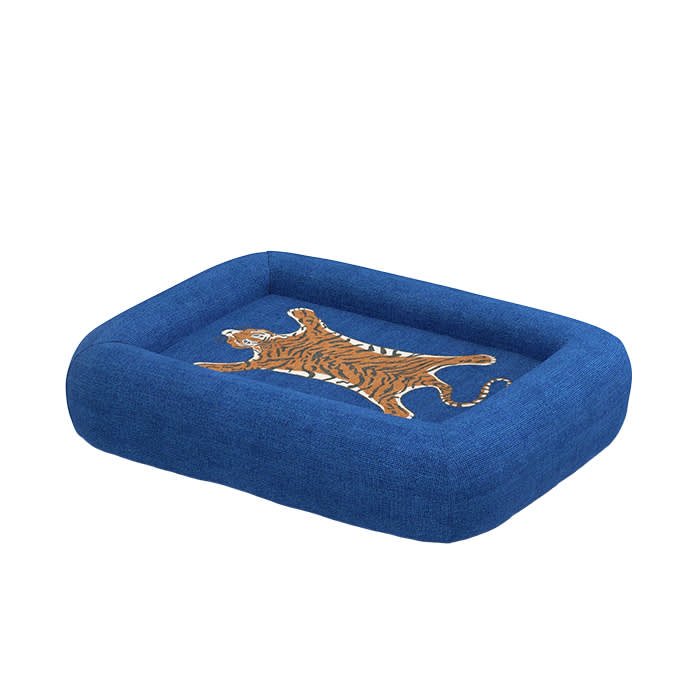
Statement feeder
If a dog bowl can be a design object, this is it: chic patterns that pets ignore and guests notice. Pure flourish, and that is the point.
The splurge and the give-back
Fine-dining bowl — brklz
The closest your pup will come to a tasting menu, served with gold cutlery detailing. Frivolous, joyful, and a great gift for the person whose dog already has everything.
Give-back bowl — Kibble and Bone
Handcrafted and minimalist, and for every bowl sold the brand donates a pound of dog food to Wags and Walks, a Los Angeles rescue that pulls dogs from high-kill shelters. A good-looking bowl that does some good is an easy yes.
The takeaway
Buy the bowl you love, but buy it in steel, glass, or uncracked glazed ceramic, skip the daily-use plastic, and commit to washing it the way the FDA recommends. The prettiest bowl in the world is only as healthy as the last time you cleaned it.
References
- Murphy, M. et al. “Pet feeding habits and the microbiological contamination of dog food bowls: effect of feed type, cleaning method and bowl material.” PLOS ONE, 2023. https://www.ncbi.nlm.nih.gov/pmc/articles/PMC10701922/
- U.S. Food and Drug Administration. “Tips for Safe Handling of Pet Food and Treats.” https://www.fda.gov/animal-veterinary/animal-health-literacy/tips-safe-handling-pet-food-and-treats
- Glickman, L.T. et al. “Non-dietary risk factors for gastric dilatation-volvulus in large and giant breed dogs.” Journal of the American Veterinary Medical Association, 2000. https://pubmed.ncbi.nlm.nih.gov/11061394/
- American Kennel Club. “How to Clean Your Dog’s Bowls (and How Often).” https://www.akc.org/expert-advice/health/how-to-clean-dog-bowls/
Common questions
What is the most hygienic material for a dog bowl?
Stainless steel is the most forgiving for everyday hygiene because it is non-porous, dishwasher-safe, and resists the scratches where bacteria hide. Glazed ceramic and glass are also excellent as long as the glaze stays uncracked. Plastic is the weakest choice: it scratches easily, and studies have found it holds onto the most bacteria over time.
How often should I wash my dog's bowl?
Wash the food bowl after every meal and the water bowl daily. The FDA recommends hot, soapy water, and periodically soaking bowls in a diluted bleach solution for 10 minutes, then air-drying. Use a sponge dedicated to pet dishes, not the one for your own dishes.
Should I get an elevated bowl for my dog?
It depends on the dog. An elevated bowl can help a tall dog, a senior with arthritis, or a dog who eats less due to neck or joint pain. For most healthy dogs it is a preference, not a medical need, and some research has linked raised feeders to bloat risk in large, deep-chested breeds, so ask your vet before raising a big dog's bowl.
Are slow-feeder bowls worth it?
For a fast gulper, yes. Slowing a dog down reduces gulped air, the gagging and regurgitation that come with inhaling food, and may lower bloat risk in vulnerable breeds. Look for one that is dishwasher-safe, since the ridges that slow eating also trap food.
Dr. Park is a board-certified emergency and critical care specialist. She reviews our health and safety content for clinical accuracy and contributes guides on recognising urgent conditions. Her focus is helping owners act quickly and correctly when it matters most.
Meet our experts ↗Keep reading
 Product PicksThe Best Dog Food Container Isn't the Prettiest. It's the One That's Actually Airtight.Marcus Webb · 5 min
 Product PicksEveryone Knows Maxbone for the Feathered Dog Jumper. Its Biggest Seller Is Food.Leila Torres · 6 min
 FoodRaw Feeding Just Got a New Rulebook. Ask Every Brand This One Question.Dr. Priya Nair · 11 min
 Product PicksYour Dog Doesn't Need Another Puzzle. They Might Need the Opposite.Sasha Ford · 7 min
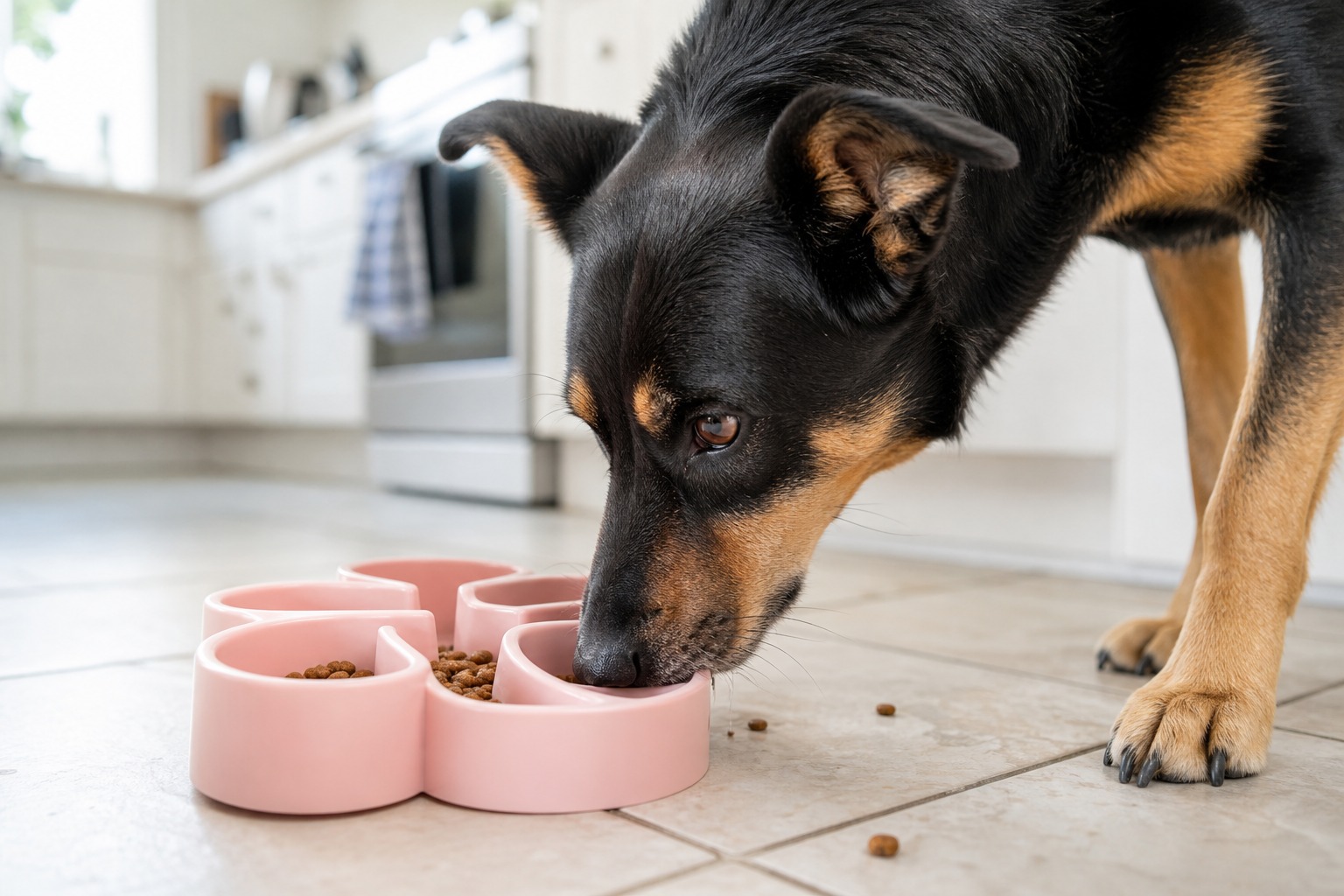 Product PicksI Tried Three Puzzle Feeders to Stop the Kibble-on-the-Floor Circus. Only One Survived.Marcus Webb · 5 min
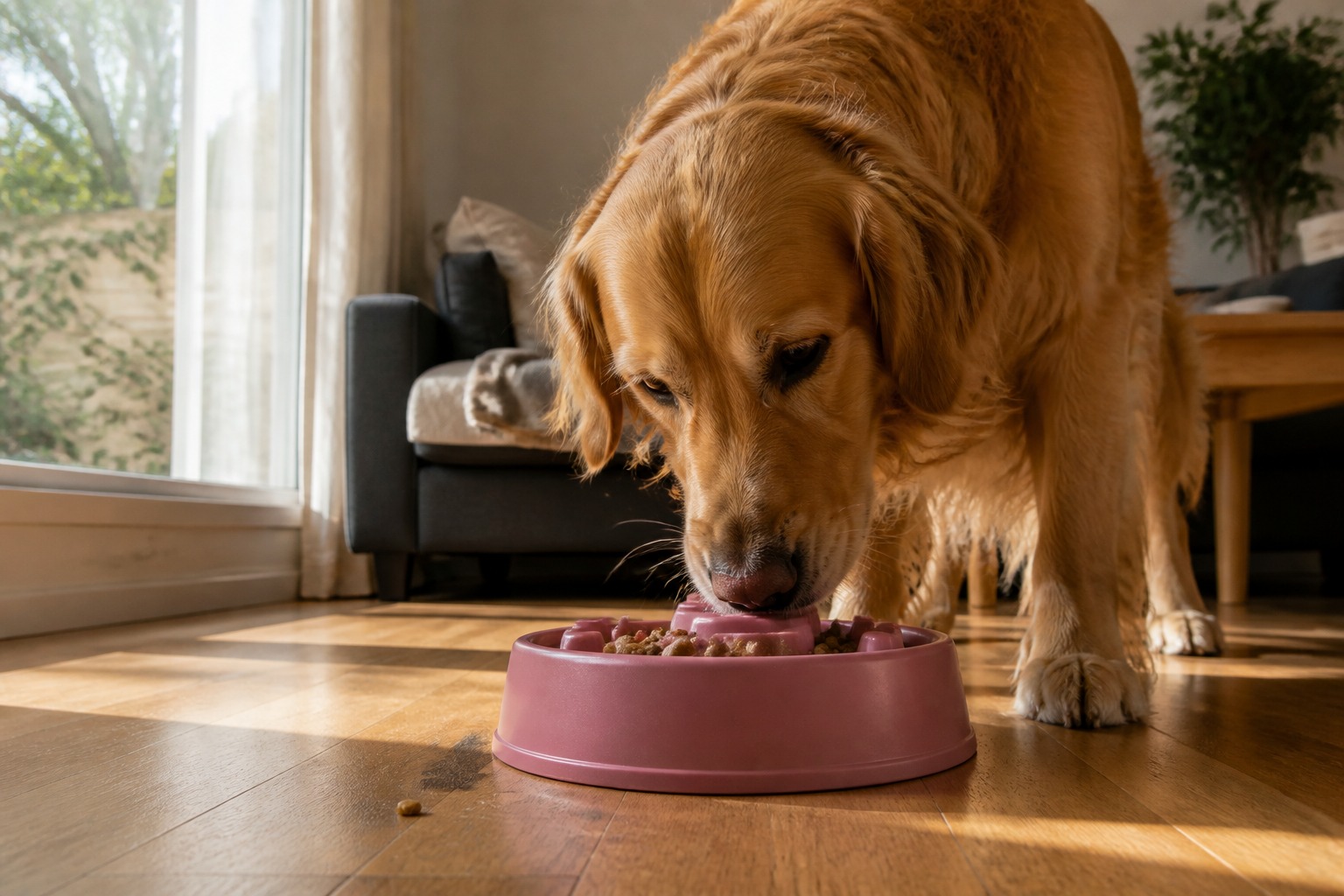 Product PicksSlow-Feeder Bowls: The 7 Worth Buying, Matched to Why Your Dog Inhales DinnerNina Vasquez · 10 min