


Your Vet Prescribed a $140 Bag of Food. Will Insurance Touch It?
Prescription pet food can be a lifesaver and a budget-wrecker, sometimes $140 a bag. Whether insurance helps depends on a fine-print distinction most pet parents don't know to look for: treatment versus maintenance.


You clean up one more middle-of-the-night mess, wonder for the hundredth time what your pet got into, and end up at the vet, who hands you a prescription, not for a pill, but for food. Then you see the price tag: a bag of therapeutic dry food can run up to $140, and it is not a one-time purchase. It is the new grocery bill, indefinitely.
So the obvious question: will pet insurance help carry it? The answer is a frustrating “sometimes,” and the difference between yes and no usually hinges on a single distinction buried in your policy. Learn to spot it and you can stop guessing.
What prescription food actually is
A prescription diet is food engineered around a diagnosis, handed to you by a vet because your pet has something specific: failing kidneys, diabetes, an allergy, a gut that won’t settle. Do not mistake it for upmarket kibble. It is built to hit a clinical target, and it answers to the standards laid down by regulators such as the Association of American Feed Control Officials (AAFCO).
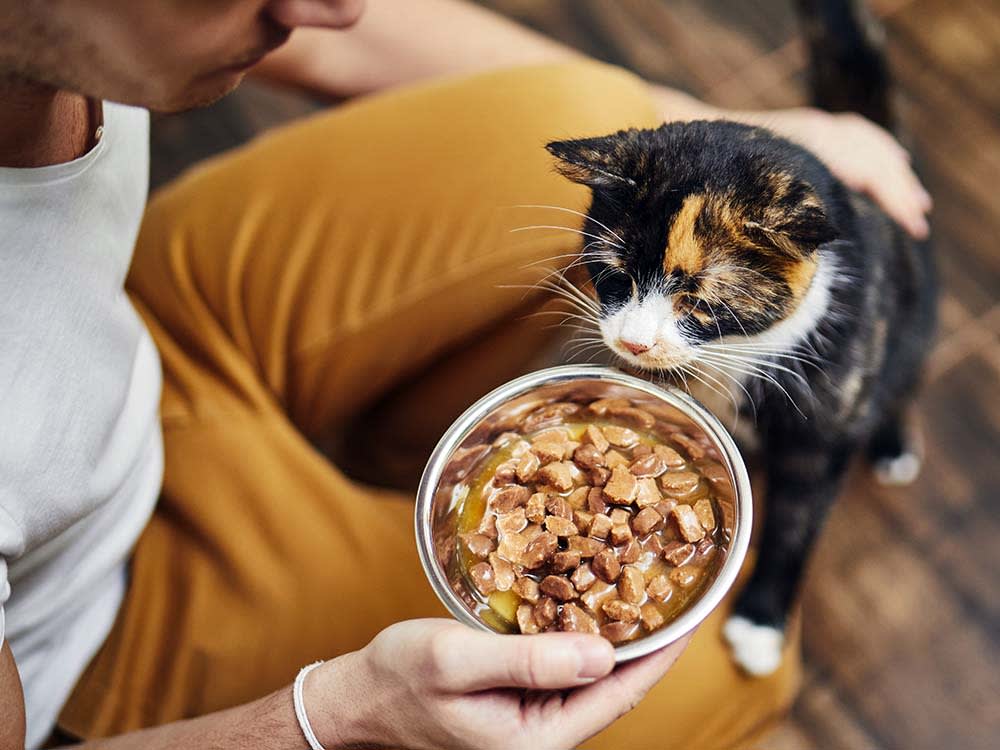
The formulation is the point. Some diets reduce protein, phosphorus, and sodium to ease the load on failing kidneys. Others cut fat for pets prone to pancreatitis, use hydrolyzed or novel proteins for allergy sufferers, or add fiber for weight control. That targeted engineering, plus the research and testing behind it, is why it costs what it does: roughly $50 to $140 for a bag of dry food, $1.50 to $5 per can of wet. It adds up fast.
The word ‘prescription’ is what trips people up on insurance. Owners assume a prescription automatically means covered, the way it might with human insurance. In pet insurance, the deciding factor isn’t the prescription, it’s whether the food is treating a diagnosed condition or just maintaining general health.
The distinction that decides coverage
Here is the fine print worth internalizing. Standard pet insurance plans are built for the unexpected, accidents, illnesses, emergencies, surgeries. Most exclude food outright. But a meaningful number of insurers will cover prescription food specifically when it is part of treatment for a covered medical condition, and specifically not when it is for general maintenance.
That is the line. Food prescribed to manage your dog’s diagnosed kidney disease may be covered. The same food, if it reads as ongoing upkeep rather than active treatment, may not be. ASPCA, for instance, spells out that the diet must be part of treatment, not maintenance. Knowing which category your situation falls into tells you what to expect before you file a claim.
Who covers it, and how
Coverage comes in two flavors: baked into a standard plan (with conditions) or added through a wellness plan. Terms vary a lot, so verify against your own policy, but as of this writing the landscape looks roughly like this.
Companies that cover prescription food within their standard plans include Trupanion, which covers 50 percent of the cost for up to 60 days and doesn’t exclude brands by price (though it won’t cover homemade or raw diets); MetLife, which covers specialty food and supplements when prescribed to treat a covered illness or injury, but not over-the-counter foods even if a vet recommends them; ASPCA, whose Complete Coverage plan includes prescription food and supplements used to treat a covered condition; Spot, whose base plan covers vet-prescribed prescription food for a covered condition; Nationwide, on certain plans and riders; and Care Plus by Chewy, which promises full coverage for food prescribed by a licensed vet.
Separately, optional wellness plans, like the ones several insurers sell as add-ons, help with everyday costs including prescription diets, annual exams, vaccines, and parasite prevention. They are a budgeting tool for predictable expenses rather than emergency coverage.
The critical caveat, whichever route applies: read the limits. Standard plans that cover prescription food often cap it, by number of days or a dollar amount, so “covered” rarely means “unlimited.”
If your plan won’t help
No coverage is not the end of the road. A few ways to soften the cost:
Buy in bulk and use autoship discounts for recurring orders. Check manufacturer websites for coupons or rebates, or ask your vet whether any exist. Compare prices across your vet and online retailers, and ask about generic or alternative therapeutic diets that hit the same clinical targets for less. Assistance programs such as RedRover Relief and The Pet Fund offer grants for pet care.
And it is worth a conversation with your vet or a veterinary nutritionist about whether a carefully balanced whole-food diet could meet your pet’s medical needs, sometimes home-cooked salmon and sweet potato, formulated correctly, costs less than the prescription bag. If you go the commercial route, a high-quality food enhanced with vet-approved toppers or targeted supplements can be another path. The non-negotiable is that any alternative be nutritionally complete and cleared by a professional for your pet’s specific condition, not a guess.
What newer research adds
The financial pressure behind this question is intensifying. The U.S. Bureau of Labor Statistics recently reported that veterinary costs rose more than 5 percent in a single year, well above general inflation, and surveys have found that a substantial share of owners, more than a third in 2024, took on debt from unexpected pet bills. Against that backdrop, understanding exactly what your policy covers, and where its caps sit, is less a nice-to-have than a real part of managing a chronic-condition pet’s care.
One more current note worth carrying into any conversation with your vet: some nutrition experts point out that a number of prescription diets are not dramatically different in composition from high-quality standard foods, apart from a specific formulation tweak or added supplement. That is not a reason to override your vet’s recommendation, therapeutic diets exist for good clinical reasons, but it is a reason to read labels, ask what the diet is doing, and understand whether a covered alternative could achieve the same goal for your pet.
References
- U.S. Bureau of Labor Statistics. “Consumer Price Index: Veterinary Services.” https://www.bls.gov/cpi/
- Association of American Feed Control Officials. “AAFCO Methods for Substantiating Nutritional Adequacy of Pet Foods.” https://www.aafco.org
- North American Pet Health Insurance Association. “State of the Industry Report.” https://naphia.org/industry-data/
Common questions
Why is prescription pet food so expensive?
It's formulated and clinically tested to manage specific medical conditions, scaling nutrients like protein, phosphorus, sodium, and fat, which drives up development cost. Dry formulas run roughly $50 to $140 a bag and wet food $1.50 to $5 a can.
What if my plan won't cover it?
Buy in bulk, use autoship discounts, and check manufacturer coupons or rebates. Compare prices across your vet and online retailers. Assistance programs like RedRover Relief and The Pet Fund offer grants. And ask your vet or a veterinary nutritionist whether a balanced whole-food or alternative therapeutic diet could meet the same needs.
Not a substitute for your vet. Our guidance is educational. For urgent symptoms, contact a vet or emergency clinic right away. Editorial standards
Sara Lim leads our Product Picks coverage, testing and comparing the things pets and their owners actually use. From everyday essentials to home-and-style finds, she focuses on honest, useful recommendations rather than hype.
Meet our experts ↗Keep reading
 Health & WellnessYour Dog's Farts Are Trying to Tell You SomethingDr. Priya Nair · 6 min
 Health & WellnessInsulin Isn't the Only Answer for a Diabetic Cat AnymoreDr. Lena Park · 7 min
 Health & WellnessDon't Fast a Dog With Diarrhea. The Advice Flipped, and Here's What to Feed Instead.Dr. Lena Park · 7 min
 Health & WellnessYour Dog Has Diarrhea. Step Away From the Medicine Cabinet.Dr. Lena Park · 5 min
 FoodYour Senior Cat Isn't Picky. The Food Is the Wrong Temperature.Dr. Mara Chen · 7 min
 Health & WellnessYour Dog's Burping Is Normal. Until It's the Thing That Kills Them.Dr. Lena Park · 7 min