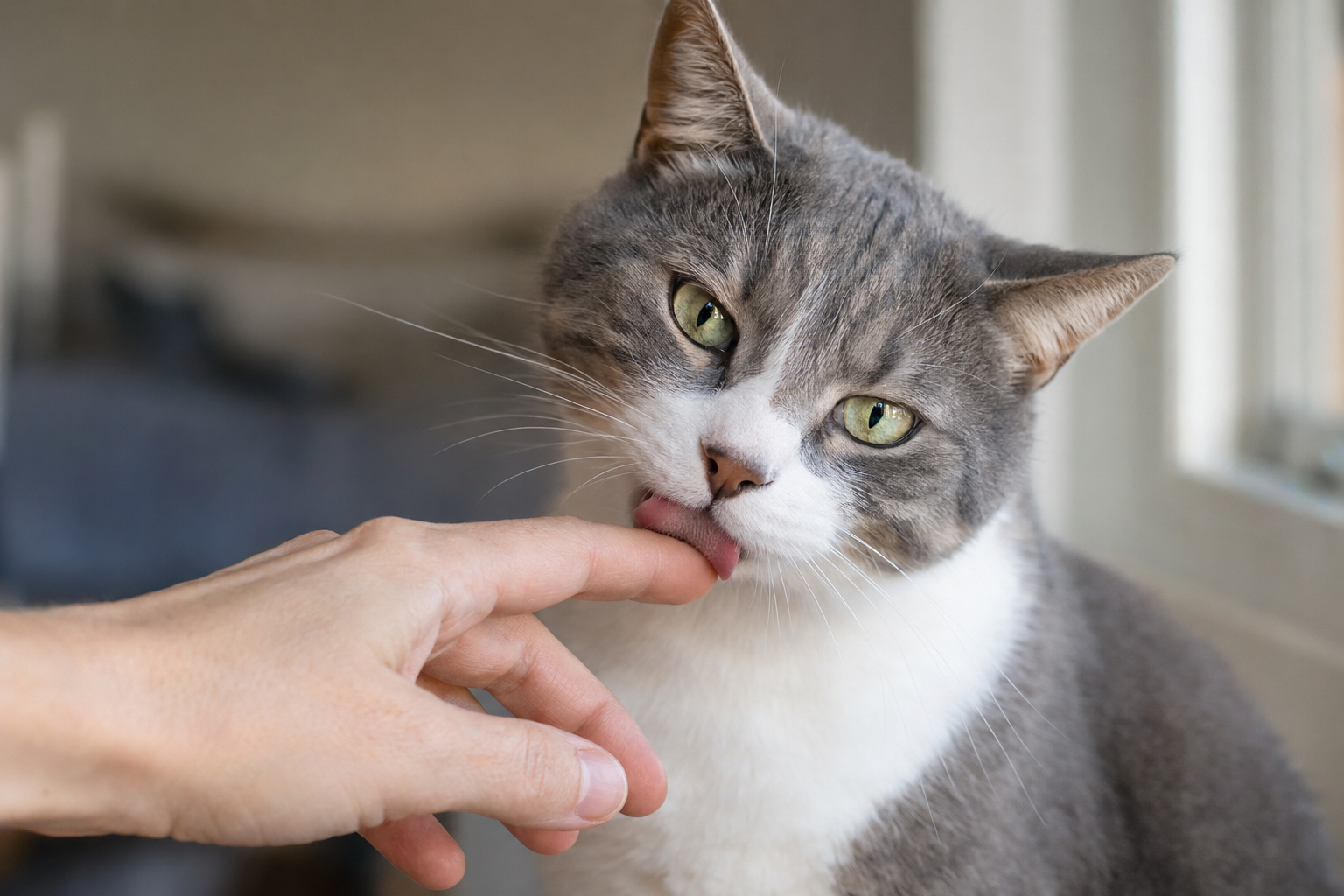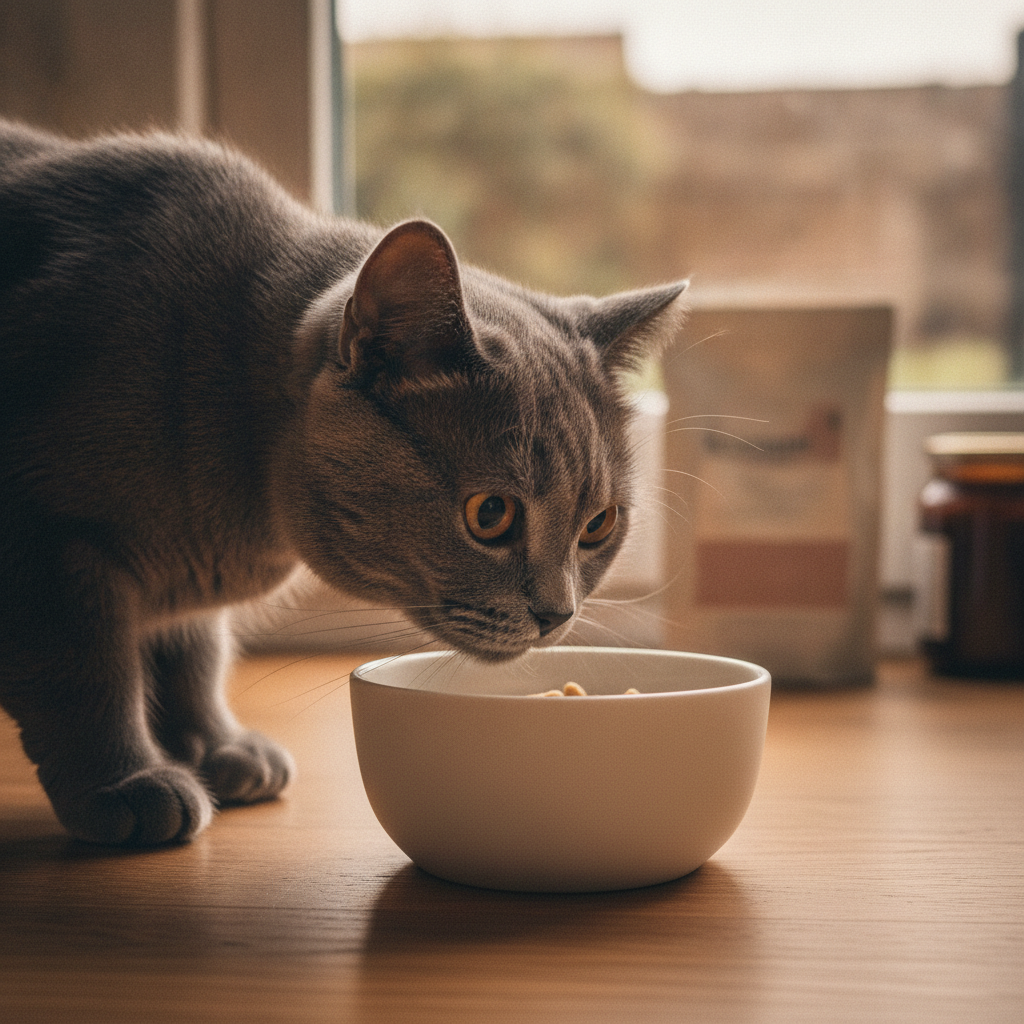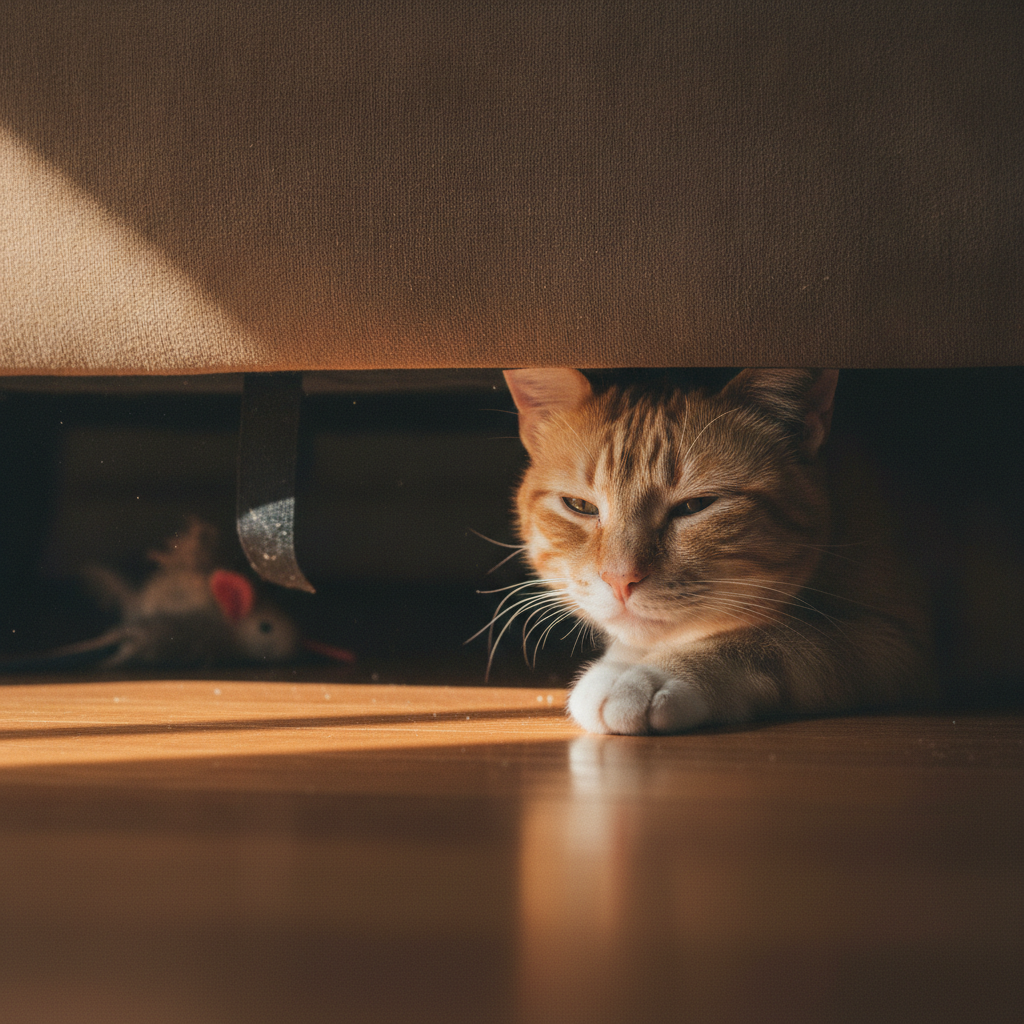
We repeat it like it is settled science: cats are experts at hiding when they are sick. It is a comforting story, because it puts the failure on the cat. But spend enough time watching how these cases actually unfold and a less flattering version emerges. The cat was giving signals for weeks. We just did not have a baseline clear enough to notice they had changed.
That reframe matters, because it moves the problem somewhere you can act on it. You cannot stop a cat from being stoic. You can absolutely get better at reading the one cat you live with. This piece is about doing exactly that.
What a “sick cat” actually looks like
There is no single tell, because there is no single cat. Some are stoic, some are dramatic. Some retreat, others turn into velcro. So the signs of illness are rarely dramatic on their own; they are deviations from that particular animal’s habits.
The common ones cluster around routine. A sick cat often hides more, or picks a favorite tucked-away spot and stays there. Appetite drops. Sleep increases. Some stop grooming and start looking unkempt; others get short-tempered and nip when they normally would not. Litter box habits shift. You might notice more vocalizing, which can signal stress or discomfort, or the opposite, a cat that has gone quiet and stopped greeting you at the door. A cat sitting hunched in a tight “loaf” with its head down is another quiet flag.
Notice the theme: almost every one of these is defined against the cat’s own normal. “Sleeping more” means nothing if you never clocked how much they usually sleep. That is the whole game.
Why the “hiding” instinct is real, even if it is overstated
There is a genuine biological reason cats go to ground when they feel awful. In the wild, an animal that looks visibly weak is an animal that draws predators. So the instinct is to withdraw, stay still, and not advertise vulnerability, and that wiring does not switch off just because a cat has spent its whole life indoors and never met a predator. A sick cat may even treat a trusted human as a threat, or isolate from other cats in the home, which, if it has something contagious, conveniently limits the spread.
But “hiding” implies intent, and that is where the popular story overreaches. There is little evidence cats deliberately mask symptoms the way a poker player masks a tell. It is more that the signs are subtle by default, and animals in general tolerate discomfort more quietly than people do. A cat is not running a con. It is being a cat, and we are, as one behavior consultant put it to me, easy to fool because we are not watching closely enough.
“Owners apologize to me constantly, they say their cat ‘hid it’ from them,” says Dr. Mara Chen. “I try to take that guilt off the table. The cat wasn’t deceiving you. The clues were small and you didn’t have a yardstick to measure them against. So we build the yardstick, and next time you catch it two weeks earlier.”
What newer tools let you catch
Here is something the old advice never mentioned, because it barely existed: you can now read feline pain with more objectivity than “she seems off.” Researchers at the Université de Montréal developed the Feline Grimace Scale, a validated way to score discomfort from a cat’s face, looking at things like ear position, tightening around the eyes, tension in the muzzle, whisker position, and how the head is held. It was built for clinics, but it has been released for owners too, with a free reference app, precisely so people can check their own cat at home.
You do not need to master it clinically. The value is that it trains your eye. Once you have looked at a few reference faces, “ears rotated out and flattened, eyes squinted, muzzle tense” stops being a vague impression and becomes something you can actually spot on your own cat at 9 p.m. Pair that with knowing your cat’s baseline behavior, and you have gone from hoping to notice to knowing what to look for.
When “a little off” becomes “call now”
Vet visits are not free, and it is understandable to hesitate over every odd afternoon. But some signals do not get the benefit of the doubt. Any real change in appetite, water intake, urination, bowel movements, or energy and interaction is worth a call. Get seen promptly if your cat has not eaten or used the litter box in 24 hours, is breathing strangely, is hiding and crying, or is vomiting more than twice in a day.
One deserves its own line, because it is a true emergency: a male cat straining to urinate or unable to pass urine may have a blocked urethra, which can turn life-threatening fast. Do not wait that one out. Many clinics will do a quick phone triage or a telehealth check, which can save you a trip for the minor stuff, but a suspected blockage is a same-hour problem, not a wait-and-see one.
The move that prevents all of this
The single most useful thing you can do requires no equipment and no money: study your cat while they are well. Notice where they sleep and for how long, when and how they like to play, how much they eat and when, where and how they like to be touched, what their voice normally sounds like. Take actual notes if it helps. That record is your yardstick, and it is the difference between catching a problem early and realizing, only in hindsight, how long your cat had been quietly struggling.
Cats are not hiding the ball. The signals are just quiet, and quiet signals only stand out against a background you know cold. Learn your cat’s normal, and you will hear the alarm the moment it starts.
References
- Evangelista, M. C., et al. “Facial expressions of pain in cats: the development and validation of a Feline Grimace Scale.” Scientific Reports, 2019. nature.com/articles/s41598-019-55693-8.
- “Feline Grimace Scale.” Université de Montréal. felinegrimacescale.com.
- “How to Tell if Your Cat Is Sick.” Cornell Feline Health Center. vet.cornell.edu/departments-centers-and-institutes/cornell-feline-health-center.