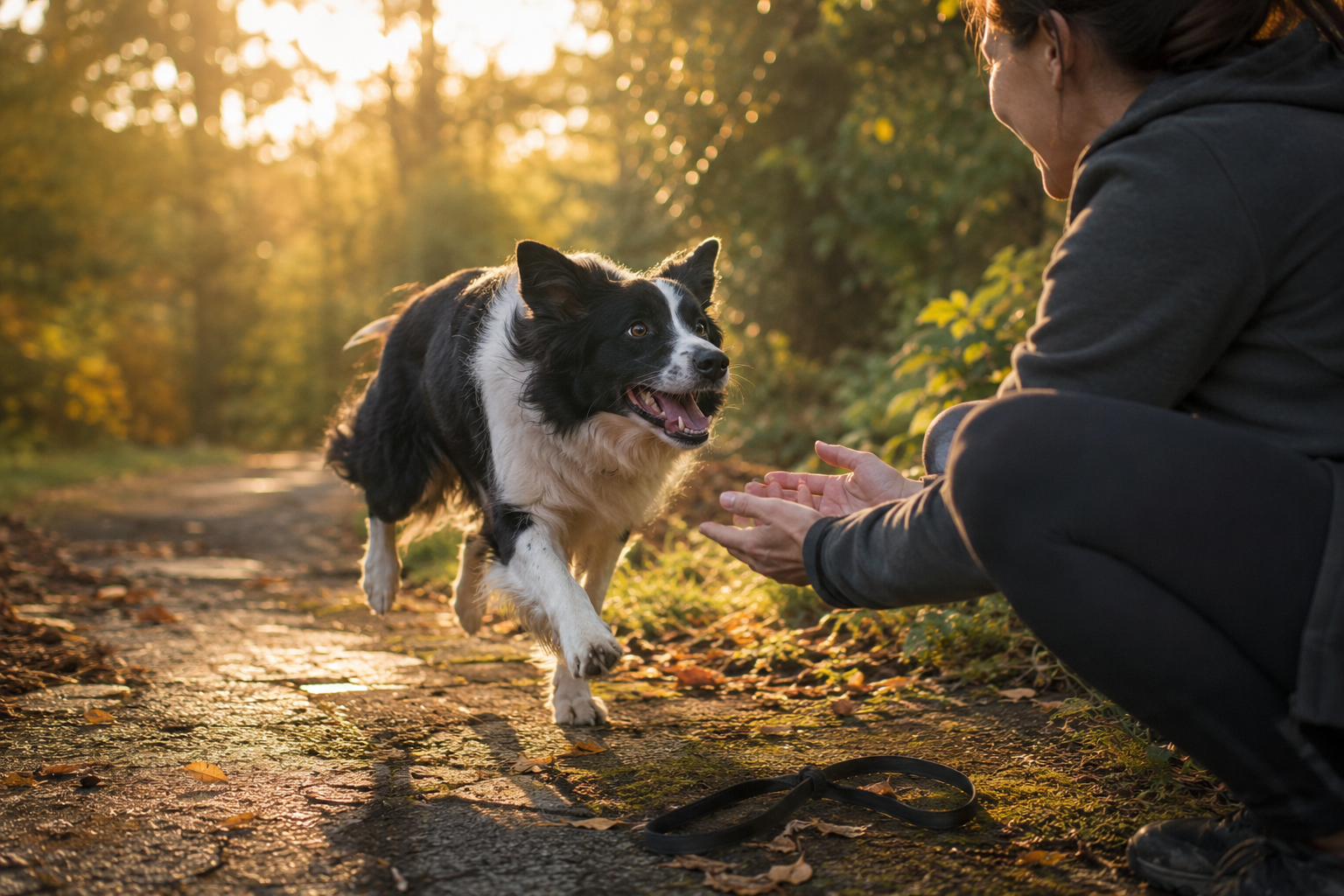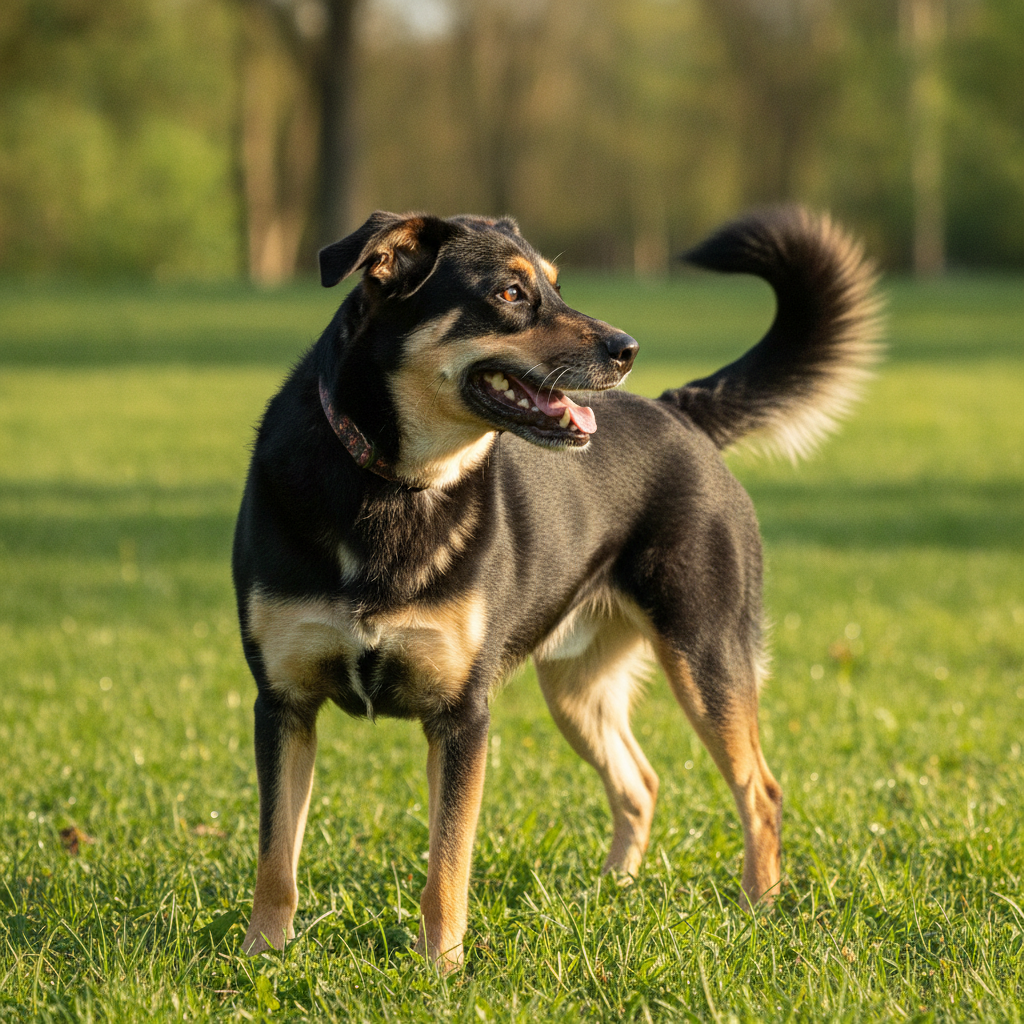
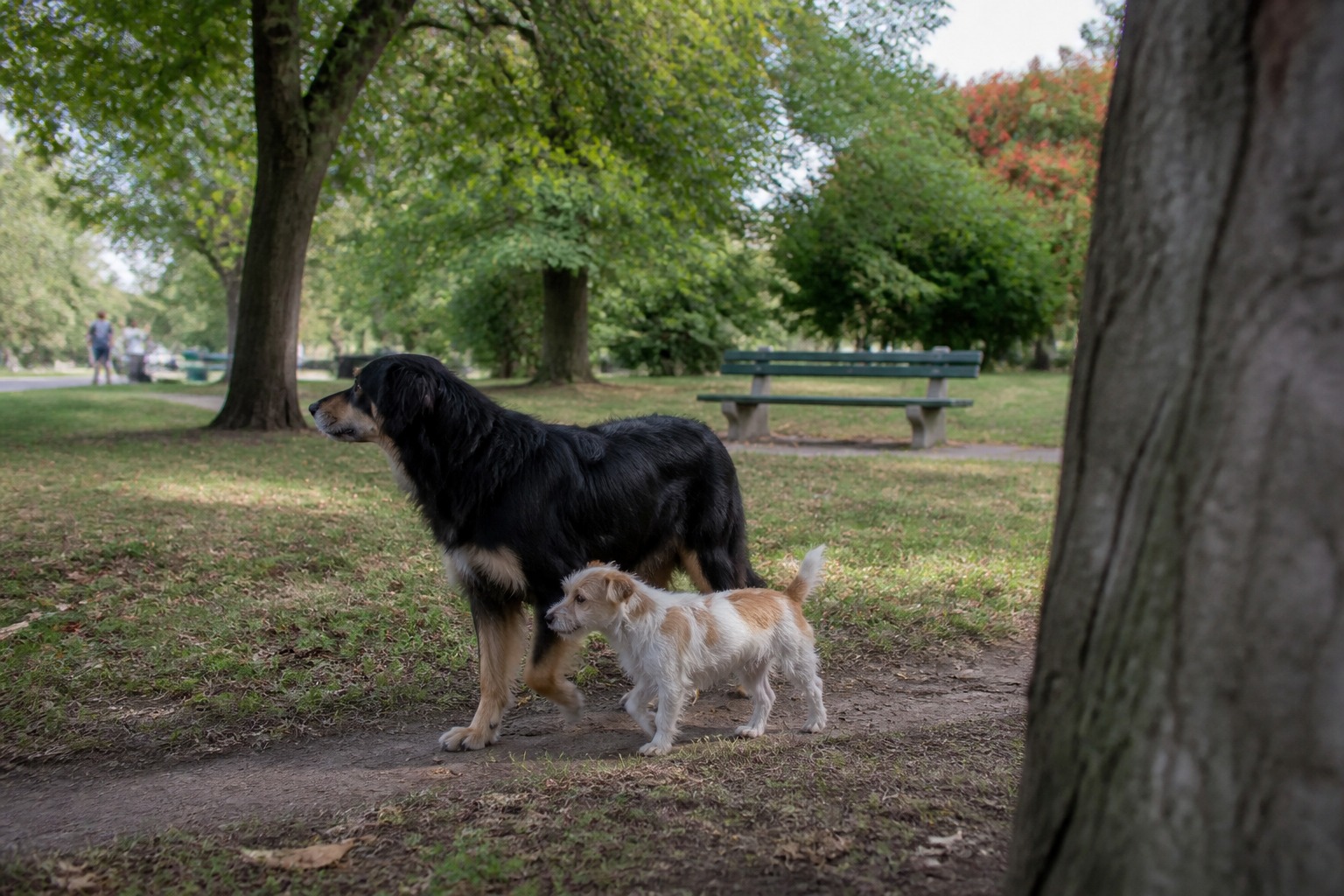
Picture the scene at the dog park: a five-pound dog trots straight past a dozen dogs its own size and plants itself, adoring, at the feet of the largest dog there. It is easy to read this as comedy, the little one with delusions of grandeur, hoping some height rubs off. Cute story. It is also wrong.
The real explanation is quieter and more interesting. For a lot of small dogs, a big dog is not intimidating at all. It is the safest, most predictable company in the room. And once you understand why, your little dog’s big-dog crush stops looking like a personality quirk and starts looking like a small animal making a very sensible choice.
The counterintuitive truth: bigger often feels safer
Here is the part that surprises people. Small dogs frequently find large dogs less threatening than other small dogs, not more. The reason comes down to manners.
“Well-socialized large dogs tend to be the polished communicators of the dog world,” says Dr. Amara Solis. “They move deliberately, they signal clearly, and they adjust their play to their partner. A small dog reads all of that as steady and trustworthy, and gravitates toward it. Meanwhile a lot of little dogs never learned to dial themselves down, so to a nervous small dog, other small dogs can actually feel like the rude, unpredictable ones.”
That is the crux of it. A big dog who has been around the block usually balances its play style to suit whoever it is with, and responds when a partner signals discomfort. Small dogs often do not offer that courtesy, so a cautious little dog comes to associate its own size class with chaos and the big, calm dog with relief. It is less about size than about temperament, and big dogs tend to have the temperament small dogs are actually looking for: slow, clear, and low-drama.
Where the preference comes from
Like so much of dog behavior, a lot of this is set early. Dogs have a critical socialization window in puppyhood, and what happens inside it echoes for life. A small dog who grew up around larger dogs, or simply banked consistently good experiences with them during that window, can carry the preference for years. Dogs gravitate toward whatever feels familiar and secure, and if “secure” got imprinted early as a big, steady presence rather than a frantic pint-sized one, that is what they will keep choosing at the park.
It is worth noticing, too, that dogs do not sort each other by size the way we do. Your dog is not thinking “large breed” versus “toy breed.” They are reading energy and signals, calm, confident, socially fluent, and moving toward whatever reads as stable. A big dog often just happens to be the one broadcasting all of that.
When the crush tips into something worth watching
Most of the time this is harmless and genuinely sweet. But a fixation can occasionally cross a line, and it helps to know where.
Sometimes what looks like confidence is anxiety in a costume. A small dog who cannot disengage, who fixates and pushes and will not settle, may be using proximity to a bigger dog as a coping mechanism rather than enjoying a friendship. Other times it is pure overarousal rather than real play, especially in a dog who struggles to read social cues or does not back off when the bigger dog asks for space.
And there is a physical risk that has nothing to do with anyone’s intentions. A size mismatch is dangerous on its own. Small dogs are far more vulnerable to orthopedic injuries, spinal trauma, broken ribs, and internal damage from an accidental collision, a misjudged pounce, or simply being stepped on. Serious injuries happen in perfectly friendly play, with no aggression anywhere in sight. It is just physics, and it is why supervision is not optional.
Consider looping in a professional if the fixation interferes with normal activities, escalates even when the other dog is clearly signaling “enough,” or comes bundled with other stress signs: pacing, barking, whining, destructiveness, or shifts in appetite and sleep. A small dog who cannot relax unless a big dog is nearby, or who repeatedly puts itself in harm’s way, is worth a check-in with your veterinarian or a behavior specialist to rule out underlying anxiety.
How to let the friendship happen safely
You do not have to break up the bromance. You just have to manage it. A reliable recall is the single most useful tool you can build, because it lets you decide when play is a good idea and pull your dog out of a bad match before it goes sideways, including mid-play when things get too intense. Give your dog the training and socialization skills to handle public spaces, and stay actively watchful rather than parked on a bench.
One field test is worth keeping in your pocket. If you are not sure both dogs are enjoying themselves, calmly leash the bigger dog and walk it a short distance away, then watch. If your little one happily trots back over to reconnect, the play was mutual and welcome. If they seem relieved and stay put, that is useful information too.
What newer research adds
The “seeking safety” read on all this lines up with what large studies of dog behavior keep finding. Surveys of thousands of dogs have linked smaller body size with higher rates of fearfulness and noise sensitivity, which fits a picture of many small dogs navigating the world feeling a little more exposed, and choosing companions who make them feel secure.
On the safety side, veterinary emergency clinicians have a grim shorthand, “big dog, little dog,” for the trauma cases that come in when a large dog and a small dog play or scuffle. The injuries are often severe and frequently occur without any real aggression, which is exactly why the size gap itself deserves respect. The friendship can be wonderful. It just needs a watchful human keeping the physics from turning a happy afternoon into an ER visit.
None of this means your small dog is broken or anxious for loving big dogs. Usually it comes down to something simple and rather touching: big dogs make them feel safe. Keep an eye on the play, build that recall, and there is no reason your tiny companion can’t enjoy the company of their oversized best friends.
References
- Salonen, Milla, et al. “Prevalence, Comorbidity, and Breed Differences in Canine Anxiety in 13,700 Finnish Pet Dogs.” Scientific Reports, vol. 10, 2020.
- American Veterinary Medical Association. “Dog Bite and Interaction Injury Prevention.”
- Bradshaw, John. Dog Sense: How the New Science of Dog Behavior Can Make You a Better Friend to Your Pet. Basic Books, 2011.