Picture a PTSD service dog and you probably imagine the cinematic moment: a veteran jolting awake from a nightmare, the dog already there, nudging them back to the present. That moment is real, and these dogs are trained for it. But it turns out the most valuable thing a service dog does for a veteran isn’t the dramatic rescue. It’s something quieter, more constant, and easy to overlook, and the research now says so clearly.
The distinction matters, because it reframes what these dogs are actually for. Not a magic fix. A steady, working partner in the ordinary hours between crises.
The task that matters most is the least cinematic one
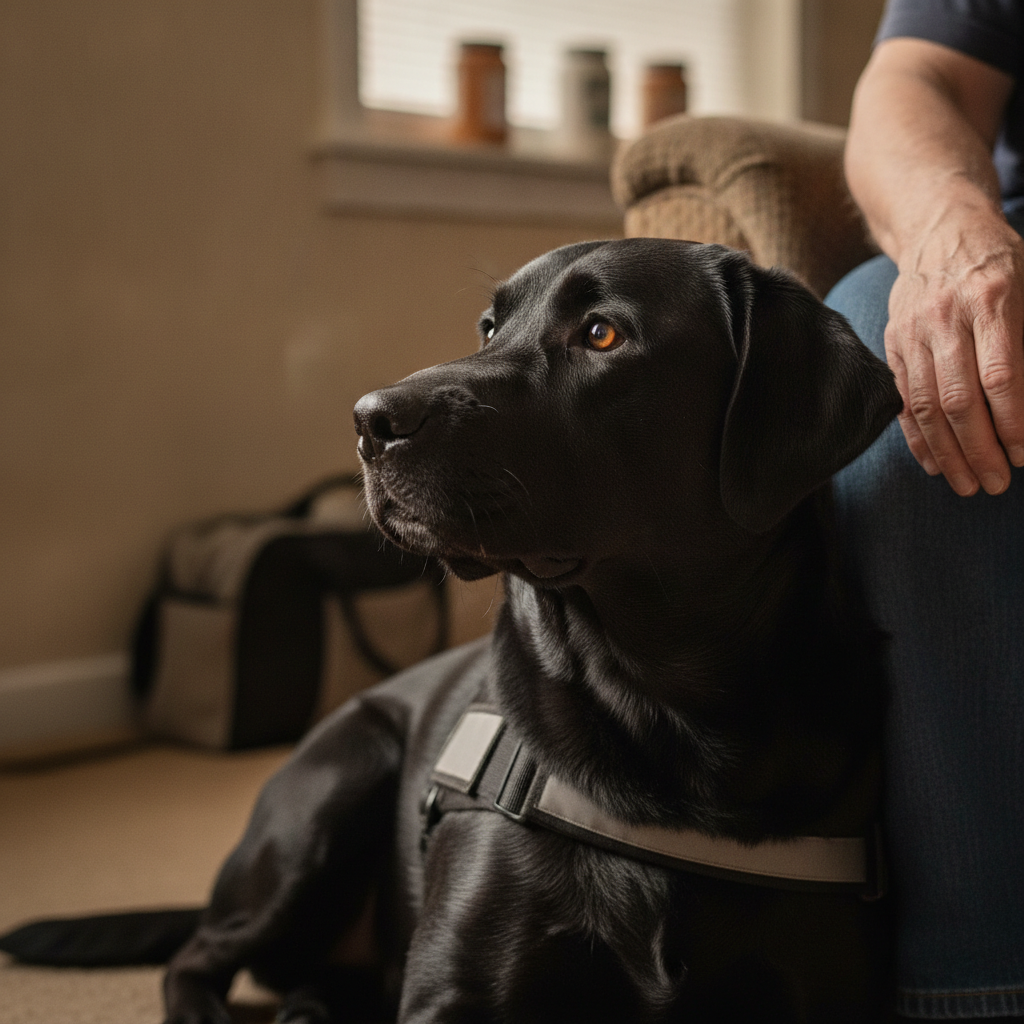
When researchers set out to identify which of a service dog’s trained tasks veterans found most valuable, the winner surprised people. It wasn’t waking a veteran from a nightmare, and it wasn’t watching the veteran’s back in a crowded room, though both rated highly. The single most important and most frequently used task was the dog’s ability to sense rising anxiety in its handler and interrupt it with physical contact, a nudge, a paw, a press, a lick, before it escalated into a full episode.
Think about what that means. The headline skill is the dog that senses a panic building and steps in early, every day, often before the veteran has fully registered it themselves. That’s what sets a trained PTSD service dog apart from a beloved pet or an emotional support animal. The pet offers comfort. The service dog is trained to detect and disrupt the anxiety itself, and to do it as a matter of routine.
What the day-to-day toolkit looks like
In one detailed study surveying more than 200 veterans, the dogs’ trained tasks were consistently rated as moderately to highly important. Beyond interrupting anxiety, the dogs were trained to notice nightmares and wake their handlers, and to do things like position themselves to watch an approaching space or scan a crowded room, giving a hypervigilant veteran a manufactured sense of security so they don’t have to hold that alert posture alone.
But here’s the part that reshapes the whole conversation: veterans consistently rated the dogs’ untrained behaviors, the companionship, the routine, the plain joy of the animal, as even more important than the trained tasks. The structure a dog imposes on a day, the reason to get up, walk, feed, and go outside, and the steady presence of another living thing, appears to deliver as much or more benefit than any specific command.
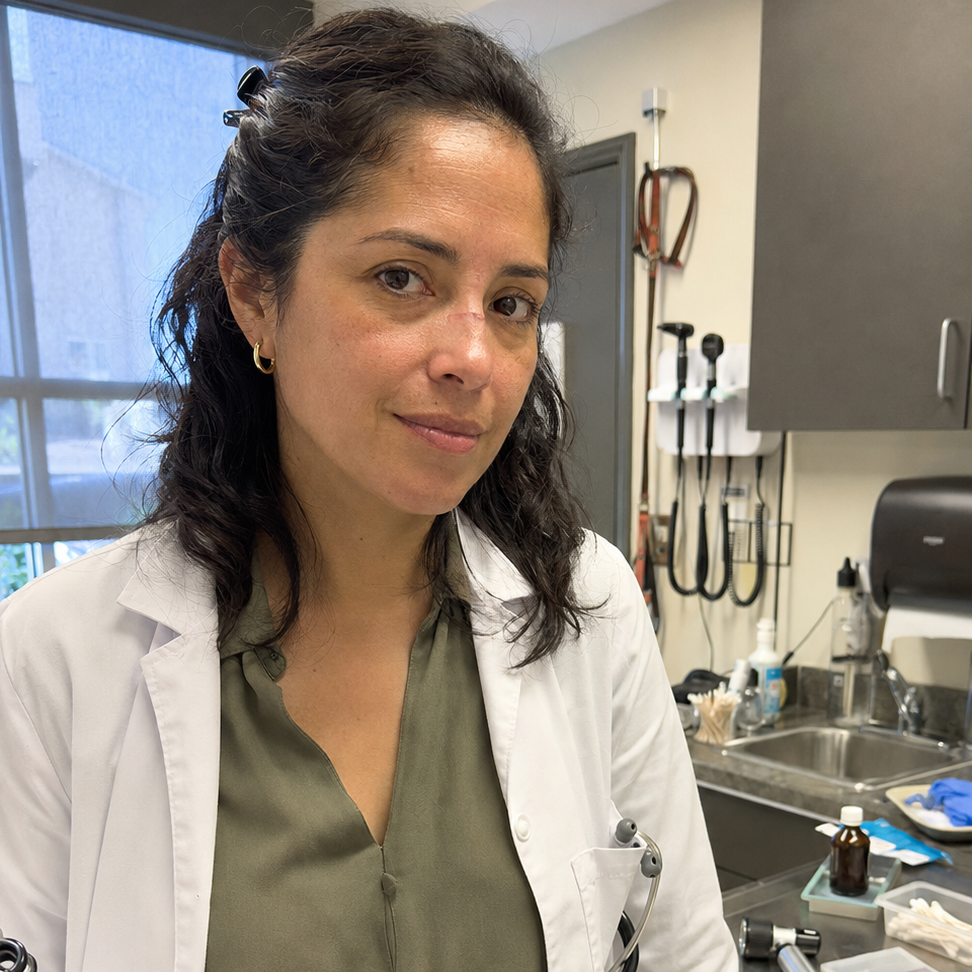
“We spend a lot of energy on the trained tasks, and they matter, but the veterans keep telling us the same thing,” says Dr. Amara Solis. “It’s the four in the morning that the dog changes. The task interrupts the panic attack. The companionship rebuilds the day around it, and that daily scaffolding is where a lot of the healing actually lives.”
The honest limit: a dog is not a cure
This is the part that has to be said plainly, because overselling it does veterans a disservice. Service dogs are not a standalone treatment for PTSD. Veterans with them still contend with symptoms; researchers have noted that while flashbacks, nightmares, and public hypervigilance can ease, other struggles, like risk-taking and memory problems, often persist.
The most useful framing from the research is that a service dog is a complementary intervention, something that helps in specific, real ways alongside evidence-based treatment, not a replacement for it. That’s also why researchers stress managing expectations. Veterans still waiting for a dog understandably carry high hopes, and hope isn’t a bad thing, but going in expecting a cure sets people up for disappointment. Going in expecting a genuinely helpful partner sets them up for what the dog can actually deliver.
Why this reframing helps everyone
Understanding what a service dog really does, interrupt anxiety, restore structure, provide relentless companionship, and support other treatment rather than replace it, is what lets these programs be judged fairly and funded well. It moves the conversation off the miracle-cure register, where any lingering symptom looks like failure, and onto the honest register, where measurable improvements in daily life count as the real win they are.
For a veteran weighing whether a service dog is worth it, that’s the accurate picture: not a switch that turns PTSD off, but a trained, tireless ally that makes the disorder more survivable, one interrupted panic attack and one structured morning at a time.
What’s new since this was written
The biggest development is that the evidence base finally caught up to the anecdotes. In 2024, the first National Institutes of Health-funded clinical trial on service dogs for PTSD was published in JAMA Network Open, led by researchers including Sarah Leighton and Maggie O’Haire and conducted with the nonprofit K9s For Warriors. It followed 156 post-9/11 veterans and compared those paired with a service dog to those receiving usual care alone.
The results put hard numbers on what earlier surveys suggested. After just three months, veterans with a service dog showed significantly lower PTSD symptom severity, along with less anxiety and less depression, than the comparison group. In concrete terms, about 75 percent of the service-dog group still met criteria for PTSD versus roughly 85 percent of the control group, a meaningful gap for a three-month window. Crucially, the study framed the dogs the same way the older research did: as a powerful complement to standard care, not a cure. It’s the strongest evidence yet that these partnerships genuinely help, and a reminder that the quiet, everyday work of these dogs is now measurable, not just felt.
References
- Service Dogs for Veterans and Military Members With PTSD: A Nonrandomized Controlled Trial — JAMA Network Open (2024)
- Service dogs may reduce PTSD symptoms for military members and veterans — National Institutes of Health
- Service dogs can reduce the severity of PTSD for veterans — The Conversation
- The Most Important Task for a PTSD Service Dog Is Disrupting Anxiety — Purdue University / Frontiers in Psychology (2020)
This article discusses PTSD and mental health. If you or a veteran you know is struggling, the Veterans Crisis Line is available by dialing 988 and pressing 1. Support is available, and reaching out is a strong first step.